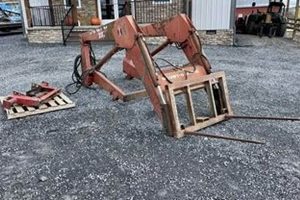
Protective coatings designed for agricultural machinery are specialized formulations that provide a durable barrier against environmental factors. These coatings are typically applied to tractors, combines, plows, and other implements used in farming operations. An example includes a two-part epoxy system that offers exceptional resistance to corrosion and abrasion.
The use of these coatings is crucial for maintaining the longevity and operational efficiency of agricultural assets. They provide protection against rust, ultraviolet radiation, chemical exposure from fertilizers and pesticides, and physical damage from rocks and debris encountered in the field. Historically, these coatings have evolved from simple oil-based paints to sophisticated polymers and powder coatings, reflecting advancements in materials science and a growing understanding of the challenges faced by farm equipment.
This article will delve into the key characteristics of these specialized coatings, examining the various types available, the critical factors to consider when selecting a product, proper application techniques, and best practices for maintaining the coating’s integrity over time. Understanding these aspects is essential for farm owners and operators seeking to maximize the lifespan and value of their agricultural investments.
Essential Considerations for Protective Coatings on Agricultural Machinery
Selecting and applying the correct coating is paramount for preserving farm equipment and mitigating operational disruptions. These tips provide guidance for ensuring optimal performance and longevity of protective measures.
Tip 1: Surface Preparation is Critical: Thoroughly clean and prepare metal surfaces prior to application. Remove rust, scale, and old coatings via abrasive blasting or grinding. Improper preparation compromises adhesion and reduces coating lifespan.
Tip 2: Choose the Correct Formulation: Select a product specifically formulated for agricultural environments. Consider factors such as chemical resistance to fertilizers and pesticides, UV resistance for prolonged sun exposure, and impact resistance to withstand field debris. Review product data sheets and application guidelines before purchasing.
Tip 3: Apply in Optimal Weather Conditions: Adhere to recommended temperature and humidity ranges specified by the manufacturer. Avoid applying coatings during periods of high humidity, direct sunlight, or extreme temperatures, as these conditions can negatively impact cure times and finish quality.
Tip 4: Utilize Proper Application Techniques: Employ the appropriate application method, such as spraying, brushing, or rolling, based on the coating type and equipment design. Ensure uniform coverage and avoid excessive film thickness, which can lead to cracking or blistering.
Tip 5: Implement Regular Inspection and Maintenance: Conduct routine inspections for signs of damage, such as chips, scratches, or corrosion. Promptly repair damaged areas to prevent further degradation of the underlying metal. Clean coated surfaces regularly to remove dirt and debris that can accelerate wear.
Tip 6: Consider Powder Coating for Durability: Explore powder coating options for enhanced durability and resistance to abrasion, chemicals, and UV exposure. Powder coatings offer superior protection compared to traditional liquid coatings but require specialized application equipment.
Tip 7: Utilize a Primer: Applying a primer creates a strong bond between the metal surface and the topcoat. Primers also add a layer of corrosion protection, preventing rust from forming under the topcoat.
Adhering to these guidelines will ensure optimal performance and longevity of protective coatings on farm equipment, contributing to reduced maintenance costs and increased operational efficiency. Proper selection, application, and maintenance are essential for maximizing the investment in these critical protective measures.
The following sections will provide detailed information on the types of available product, proper application, and maintenance procedures.
1. Corrosion Resistance
Corrosion resistance is a paramount characteristic of protective coatings utilized on agricultural machinery. The operational environment of farm equipment inherently exposes it to conditions conducive to accelerated corrosion, necessitating specialized formulations engineered for enduring protection.
- Electrochemical Processes
Corrosion in metals, such as steel and iron commonly found in farm implements, is fundamentally an electrochemical process. Exposure to electrolytes, often present in the form of moisture combined with salts or acids from fertilizers, facilitates the flow of electrons, leading to oxidation. Protective coatings act as a barrier, disrupting this electrochemical reaction and preventing the degradation of the underlying metal. An example is the oxidation of iron (Fe) into rust (Fe2O3), which is hindered by a non-porous coating that prevents electrolyte contact.
- Barrier Protection Mechanisms
Coatings designed for agricultural equipment typically incorporate barrier protection mechanisms. These mechanisms involve creating a physical impediment to the ingress of corrosive elements, such as water, oxygen, and chlorides. Effective barrier protection is achieved through tightly packed polymer structures and the inclusion of pigments and fillers that enhance impermeability. The effectiveness of this barrier is directly proportional to its thickness and integrity; any breach in the coating compromises its protective function, leading to localized corrosion.
- Sacrificial Anode Protection
Certain formulations incorporate sacrificial pigments, such as zinc or aluminum, which act as sacrificial anodes. These metals are more electrochemically active than the steel substrate, meaning they preferentially corrode, thereby protecting the underlying metal. The sacrificial metal corrodes at a controlled rate, extending the lifespan of the coated component. This mechanism is particularly effective in mitigating galvanic corrosion, which occurs when dissimilar metals are in contact in the presence of an electrolyte.
- Inhibitive Pigments
Inhibitive pigments, such as chromates or phosphates, are incorporated into coatings to actively impede the corrosion process. These pigments release ions that passivate the metal surface, forming a protective layer that resists oxidation. While chromate-based pigments have historically been effective, environmental regulations are driving the development and adoption of alternative, less toxic inhibitive pigments, such as phosphate-based compounds. The effectiveness of these pigments depends on their concentration within the coating and their ability to migrate to the metal surface.
The interplay of these mechanisms determines the overall corrosion resistance of these coatings. Selecting a product formulated with consideration for specific environmental challenges, coupled with proper surface preparation and application, is crucial for ensuring the longevity and reliability of farm equipment in corrosive agricultural environments.
2. UV Protection

Ultraviolet (UV) radiation from sunlight poses a significant threat to the integrity and longevity of coatings applied to agricultural machinery. Prolonged exposure degrades the polymeric binders and pigments, leading to discoloration, loss of gloss, and ultimately, compromised protective capabilities.
- Polymer Degradation
UV radiation induces chain scission in polymer binders, the structural backbone of coatings. This breakdown weakens the film, causing embrittlement, cracking, and loss of adhesion to the substrate. The rate of degradation depends on the type of polymer used, with acrylics and polyurethanes exhibiting varying degrees of resistance. For instance, an unprotected acrylic coating may show signs of chalking and fading within a year of continuous exposure, whereas a UV-stabilized polyurethane could maintain its color and gloss for several years under similar conditions.
- Pigment Fading and Chalking
UV radiation can also directly affect pigments, causing them to fade or undergo chemical changes. This results in color shifts and the formation of a powdery residue known as chalking. The choice of pigments is critical; inorganic pigments, such as titanium dioxide and iron oxides, are generally more resistant to UV degradation than organic pigments. Chalking not only detracts from the aesthetic appearance but also reduces the thickness of the coating, accelerating its failure.
- UV Absorbers and Stabilizers
To mitigate UV damage, coatings often incorporate UV absorbers and stabilizers. UV absorbers selectively absorb high-energy UV radiation and dissipate it as heat, preventing it from reaching the polymer matrix or pigments. Stabilizers, on the other hand, scavenge free radicals generated by UV exposure, interrupting the degradation process. The concentration and type of UV absorber and stabilizer used are tailored to the specific polymer and environmental conditions.
- Impact on Coating Lifespan
The cumulative effect of UV degradation significantly reduces the lifespan of coatings on agricultural equipment. Unprotected coatings may require replacement within a few years, while those with effective UV protection can last significantly longer, resulting in reduced maintenance costs and downtime. The effectiveness of UV protection is influenced by factors such as coating thickness, formulation, and geographic location, with higher UV indices requiring more robust protection strategies.
The integration of UV-resistant technologies into formulations ensures that agricultural machinery maintains its protective barrier against corrosion and physical damage, even under prolonged sun exposure. Selecting coatings with proven UV resistance is a crucial factor in maximizing the service life and aesthetic appeal of farm equipment.
3. Impact Durability

Impact durability is a critical performance characteristic for protective coatings applied to farm equipment. The operational environment inherently presents numerous opportunities for impact damage, making resistance to such forces a primary consideration in coating selection. This resistance directly influences the longevity and protective efficacy of the coating system.
- Resistance to Chipping and Cracking
Impact durability is defined by a coating’s ability to withstand sudden forces without fracturing or detaching from the substrate. Farm equipment encounters a range of impacts, from rocks and debris kicked up during field operations to accidental collisions. Coatings with low impact resistance are prone to chipping and cracking, creating pathways for moisture and corrosive agents to reach the underlying metal. High-impact resistant coatings maintain their integrity, preventing the onset of corrosion. For instance, a combine harvesting corn may be struck by rocks, and a durable coating will resist damage that could otherwise expose the metal to moisture and subsequent corrosion.
- Material Composition and Flexibility
The impact durability of a coating is directly related to its material composition and flexibility. Coatings formulated with flexible polymers can absorb and distribute impact forces more effectively than rigid coatings. The inclusion of additives, such as impact modifiers and reinforcing agents, further enhances the coating’s ability to withstand stress. Coatings used on flexible parts of farm equipment must resist impact as well as bending without cracking.
- Adhesion Strength and Substrate Preparation
Even the most impact-resistant coating will fail if it lacks adequate adhesion to the substrate. Proper surface preparation is crucial for ensuring a strong bond between the coating and the metal. This typically involves removing rust, scale, and contaminants through abrasive blasting or chemical treatment. Primers play a vital role in promoting adhesion and providing a corrosion-resistant barrier. A poorly adhered coating is susceptible to delamination upon impact, rendering it ineffective. This is especially important on equipment parts subject to vibration.
- Testing Standards and Performance Metrics
Impact durability is often quantified using standardized testing methods, such as the Gardner impact test or the falling weight test. These tests measure the amount of energy required to cause failure in the coating. Performance metrics, such as impact resistance in inch-pounds or joules, provide a basis for comparing different coating systems. Specifying coatings that meet or exceed industry standards for impact resistance ensures adequate protection in demanding agricultural applications. These standards are often a key consideration when choosing appropriate coatings for farm implements.
The integration of high impact durability into protective systems is an essential facet of maintaining the operational readiness and extending the service life of farm equipment. Selecting coatings that can withstand the rigors of agricultural environments, combined with proper application techniques, contributes to a significant reduction in maintenance costs and downtime.
4. Chemical Tolerance
Protective coatings on agricultural machinery are continuously exposed to a wide array of chemical agents, including fertilizers, pesticides, herbicides, and cleaning solutions. The chemical tolerance of coatings directly correlates to their ability to resist degradation and maintain protective properties upon contact with these substances. The integrity of the coating is crucial, as compromised films can lead to corrosion and structural damage to the underlying metal components. Therefore, the chemical tolerance represents a pivotal factor in ensuring the longevity and functionality of farm equipment coatings.
The degradation mechanisms resulting from chemical exposure can include swelling, softening, blistering, and dissolution of the coating. For example, prolonged contact with ammonia-based fertilizers can cause certain coatings to soften and lose adhesion, while acidic pesticides may lead to etching and discoloration. In practical terms, a tractor frequently used for spraying herbicides will require a coating with high resistance to the specific chemicals used. Failure to select a chemically resistant coating can result in premature failure, requiring costly repairs and downtime during critical farming seasons. Proper selection involves consulting chemical resistance charts provided by manufacturers and considering the specific chemical environment the equipment will encounter.
Selecting coatings with appropriate chemical tolerance is essential for mitigating damage, extending the service life of machinery, and ensuring operational efficiency. The evaluation of chemical tolerance, alongside considerations for corrosion resistance, UV protection, and impact durability, constitutes a comprehensive approach to protective coating selection for agricultural applications. Continued research into more resistant coating formulations remains a priority to address the evolving chemical landscape in modern agriculture.
5. Adhesion Strength

Adhesion strength is a foundational property influencing the performance and longevity of coatings on farm equipment. Without adequate adhesion, even the most advanced coating formulations are rendered ineffective, as they cannot provide the necessary protection against environmental factors and mechanical stresses. The bond between the coating and the substrate is thus critical to the overall success of the protective system.
- Surface Preparation and Adhesion Promotion
The degree of surface preparation directly impacts adhesion strength. The removal of contaminants, rust, and mill scale is essential to create a surface profile that promotes mechanical interlocking between the coating and the substrate. Techniques such as abrasive blasting or chemical etching enhance surface roughness, increasing the available surface area for bonding. Primers, often formulated with adhesion promoters, further enhance the chemical bond between the coating and the metal. An example is the use of a zinc-rich primer on steel, which provides both corrosion protection and improved adhesion for the topcoat. Improper preparation negates even the best coating formulations.
- Coating Formulation and Chemical Bonding
The chemical composition of the coating plays a vital role in adhesion strength. Certain polymers exhibit inherent adhesive properties, forming strong chemical bonds with metal surfaces. The addition of adhesion-promoting additives, such as silanes or organophosphates, can further enhance bonding. These additives react with both the metal surface and the coating matrix, creating a covalent or ionic bond that resists separation. The choice of polymer and additives must be carefully matched to the substrate material to optimize adhesion. Epoxy resins, for example, are known for their excellent adhesion to steel and are often used in primer formulations.
- Environmental Factors and Adhesion Degradation
Environmental factors, such as humidity, temperature fluctuations, and chemical exposure, can degrade adhesion strength over time. Moisture ingress can lead to corrosion at the interface between the coating and the substrate, weakening the bond. Thermal cycling can induce stresses that cause the coating to detach. Chemical exposure can disrupt the chemical bonds within the coating or at the interface. Coatings designed for agricultural equipment must be formulated to resist these environmental challenges and maintain adhesion strength under prolonged exposure. The use of a flexible coating can help accommodate thermal expansion and contraction, minimizing stress on the adhesive bond.
- Testing Methods and Quality Control
Adhesion strength is routinely evaluated using standardized testing methods, such as pull-off tests and cross-cut tests. These tests measure the force required to detach the coating from the substrate, providing a quantitative assessment of adhesion performance. Quality control procedures should include regular adhesion testing to ensure that the coating process is consistently producing coatings with adequate adhesion strength. Data from these tests are crucial for identifying potential problems in the surface preparation or coating application process and for ensuring the long-term reliability of the protective system. Regular adhesion testing is crucial in the ongoing maintenance program for farm machinery.
The interplay of surface preparation, coating formulation, environmental factors, and rigorous testing determines the adhesion strength of coatings on farm equipment. A comprehensive approach to adhesion management is essential for maximizing the service life and protective efficacy of these coatings, reducing maintenance costs, and ensuring the continued functionality of agricultural machinery.
6. Application Methods
The selection and execution of proper application methods are paramount in realizing the full potential of protective coatings on agricultural equipment. The efficacy of even the most advanced paint formulations is contingent upon adherence to recommended application techniques. Deviations from established protocols can result in compromised performance and diminished longevity of the protective film.
- Spraying Techniques (Airless, Air-Assisted, Conventional)
Spraying is a prevalent application method, offering the ability to achieve uniform coating thickness and coverage over large or intricate surfaces. Airless spraying propels the paint at high pressure, atomizing it without the use of compressed air, resulting in faster application and reduced overspray. Air-assisted airless spraying combines compressed air with airless technology, producing a finer finish. Conventional spraying relies solely on compressed air for atomization. The choice of spraying technique is dictated by the viscosity of the paint, the size and complexity of the equipment, and the desired finish quality. For instance, airless spraying is often employed for applying high-build epoxy coatings on tractor frames, while air-assisted airless spraying may be preferred for achieving a smoother finish on combine harvester panels.
- Brush and Roller Application
Brush and roller application are suitable for smaller areas, touch-up repairs, or situations where spraying is impractical. The quality of the brush or roller significantly impacts the final finish. High-quality brushes with natural bristles are preferred for solvent-based coatings, while synthetic brushes are suitable for water-based paints. Rollers with appropriate nap lengths are selected based on the surface texture. Proper technique involves maintaining a wet edge and avoiding excessive pressure, which can lead to brush marks or roller stipple. For example, a small brush might be used for detail work around bolt heads and intricate areas of a planter.
- Electrostatic Application
Electrostatic application utilizes an electrical charge to attract paint particles to the grounded metal surface. This method significantly reduces overspray and improves paint transfer efficiency, resulting in material savings and reduced environmental impact. Electrostatic application is particularly effective for coating complex geometries and areas that are difficult to reach with conventional spraying techniques. The electrical conductivity of the paint and the grounding of the equipment are crucial factors in achieving optimal results. This method is often used in large-scale painting operations, such as coating entire tractor bodies.
- Powder Coating Application
Powder coating involves applying a dry, free-flowing powder electrostatically to the metal surface, followed by curing in an oven to fuse the powder into a durable, uniform film. Powder coatings offer exceptional resistance to abrasion, chemicals, and UV radiation, making them suitable for demanding agricultural applications. This method requires specialized equipment and is typically performed in a controlled environment. Powder coating offers a robust finish on equipment that can benefit from its durability, such as heavy-duty plows and tillage tools.
The correct application method is crucial for the uniform distribution and proper adhesion of protective films. Selecting the appropriate technique and employing skilled applicators are essential steps in ensuring the longevity and effectiveness of paints on farm equipment. Attention to detail in the application process translates directly to improved protection and reduced maintenance costs over the lifespan of the machinery.
7. Surface Preparation

The performance and longevity of protective coatings on agricultural machinery are inextricably linked to the quality of surface preparation. This preliminary stage dictates the degree to which coatings can adhere to the substrate and, consequently, their ability to provide sustained protection against corrosion, abrasion, and chemical exposure. Inadequate surface preparation invariably leads to premature coating failure, irrespective of the quality or cost of the coating itself. The relationship between the cleanliness, roughness, and overall condition of the metal surface and the adhesion of specialized coatings is fundamental to the effective use of paints designed for farm equipment.
Surface preparation typically involves a sequence of steps designed to remove contaminants, corrosion products, and any existing coatings that could compromise adhesion. Common techniques include abrasive blasting, which utilizes high-velocity media to remove surface imperfections and create an anchor pattern for the coating to grip; chemical etching, which employs acidic or alkaline solutions to clean and roughen the metal surface; and mechanical abrasion, which involves the use of grinders, sanders, or wire brushes to remove loose materials. For example, a tractor undergoing refurbishment would ideally be subjected to abrasive blasting to remove rust and old coatings, followed by a degreasing step to eliminate oils and greases. The resulting clean, profiled surface provides an optimal foundation for the application of a primer and subsequent topcoat, ensuring robust adhesion and enhanced protection.
In conclusion, the effectiveness of any paint system designed for farm equipment is critically dependent on meticulous surface preparation. Overlooking this critical step undermines the investment in high-performance coatings and ultimately leads to increased maintenance costs and downtime. Adherence to industry best practices for surface preparation, including proper cleaning, profiling, and pre-treatment, is essential for maximizing the service life and protective capabilities of specialized coatings in demanding agricultural environments. Prioritizing surface preparation ensures the prolonged integrity and functionality of farm machinery.
Frequently Asked Questions
This section addresses common inquiries regarding the selection, application, and maintenance of protective coatings designed for farm equipment. The information provided aims to clarify key considerations for ensuring optimal performance and longevity.
Question 1: What are the primary benefits of using specialized coatings on farm equipment?
Specialized formulations provide crucial protection against corrosion, UV degradation, chemical exposure from fertilizers and pesticides, and physical abrasion. These coatings extend the lifespan of machinery, reduce maintenance costs, and maintain operational efficiency.
Question 2: How does surface preparation influence the performance of the protective coating?
Proper surface preparation, including the removal of rust, scale, and contaminants, is essential for ensuring adequate adhesion of the coating. A clean, profiled surface promotes mechanical interlocking between the coating and the substrate, maximizing its protective capabilities.
Question 3: What factors should be considered when selecting a coating for agricultural equipment?
Key factors include the equipment’s exposure to chemicals, UV radiation, and physical impacts. The coating’s resistance to these elements, as well as its adhesion strength, flexibility, and ease of application, should be carefully evaluated.
Question 4: What are the most common application methods for applying coatings to farm equipment?
Spraying, brushing, rolling, electrostatic application, and powder coating are commonly employed. The selection of the appropriate method depends on the size and complexity of the equipment, the type of coating, and the desired finish quality.
Question 5: How can the lifespan of a protective coating on farm equipment be extended?
Regular inspection, cleaning, and maintenance are crucial. Promptly repairing any damaged areas and addressing any signs of corrosion prevent further degradation of the coating and extend its protective capabilities.
Question 6: Are there environmentally friendly options available for protective coatings?
Water-based coatings, powder coatings, and coatings with low volatile organic compound (VOC) content offer more sustainable alternatives to traditional solvent-based formulations. These options minimize environmental impact while providing adequate protection.
In summary, selecting and maintaining appropriate coatings extends machinery life and operational efficiency. Comprehensive surface preparation is non-negotiable, impacting long-term performance.
The subsequent section will delve into case studies demonstrating the practical application and benefits of the coatings discussed.
Protective Coatings on Agricultural Machinery
The preceding analysis has underscored the critical role of specialized coatings in preserving the operational integrity and extending the service life of farm equipment. The attributes of resistance to corrosion, UV radiation, impact, and chemical exposure have been examined, along with the necessity of proper surface preparation and application techniques. Understanding the interplay of these factors is paramount for informed decision-making regarding the selection and maintenance of protective films. The functionality and lifespan of farm machinery depends on selecting the proper coating and preparation.
The long-term preservation of agricultural assets necessitates a proactive approach to protective coatings. Continual evaluation of new coating technologies and adherence to rigorous maintenance protocols are essential. As farming operations face increased demands and environmental challenges, the implementation of robust protective strategies will remain a critical factor in ensuring sustainable and efficient agricultural practices. The appropriate use of product is not merely an expense, but a strategic investment in long-term operational efficiency and the preservation of valuable resources.

![Best DH Farm Equipment: [Year] Guide + More! | The Conscious Farmer | Sustainable Agriculture for a Healthier Planet](https://livingedgefarm.com/wp-content/uploads/2025/08/th-1937-300x200.jpg "Best DH Farm Equipment: [Year] Guide + More! The Conscious Farmer | Sustainable Agriculture for a Healthier Planet")