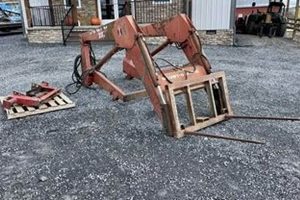
Structures designed to protect agricultural machinery from the elements, theft, and vandalism are vital to maintaining operational efficiency. These structures, often large and robust, provide secure housing for tractors, combines, planters, and other essential implements. A typical example would be a steel-framed building with a high roof to accommodate tall machinery, featuring wide access doors for ease of entry and exit.
Preserving agricultural equipment through proper shelter ensures longevity and reduces maintenance costs. Protecting investments from weather-related damage, such as rust and deterioration, translates directly into cost savings and increased uptime during critical planting and harvesting seasons. Furthermore, secure facilities contribute to a more organized and efficient farm operation, enhancing overall productivity.
The subsequent sections will examine key considerations in selecting appropriate protective structures, including building materials, design features, size requirements, and the economic implications of investment in durable shelters. The article will also delve into regulatory compliance and best practices for maximizing the value of these essential facilities.
Key Considerations for Equipment Housing
Effective safeguarding of agricultural machinery necessitates careful planning and execution. The following guidelines highlight critical aspects of ensuring suitable protection for valuable assets.
Tip 1: Conduct a Thorough Needs Assessment: Prior to construction or purchase, accurately assess current and anticipated equipment storage requirements. Consider the size and quantity of machinery, as well as potential future acquisitions, to determine appropriate building dimensions.
Tip 2: Prioritize Durable Construction Materials: Opt for materials capable of withstanding harsh environmental conditions. Steel framing offers superior strength and longevity compared to wood, particularly in areas prone to high winds or heavy snowfall. Concrete foundations provide stability and prevent moisture intrusion.
Tip 3: Implement Adequate Ventilation: Proper airflow minimizes condensation and prevents rust formation on stored equipment. Consider incorporating vents or exhaust fans to circulate air effectively, especially in enclosed structures.
Tip 4: Design for Accessibility and Maneuverability: Wide doorways and sufficient interior space are crucial for facilitating the easy movement of large machinery. Plan layouts that minimize the need for excessive maneuvering and reduce the risk of accidental damage.
Tip 5: Integrate Security Measures: Protect against theft and vandalism by installing robust locking mechanisms, security cameras, and adequate lighting. Consider perimeter fencing to deter unauthorized access to the storage area.
Tip 6: Ensure Proper Drainage: Grade the surrounding land to facilitate water runoff away from the building. Implement drainage systems, such as French drains, to prevent water from pooling and causing damage to the foundation or stored equipment.
Tip 7: Address Regulatory Compliance: Familiarize yourself with local building codes and zoning regulations to ensure full compliance during construction. Obtain necessary permits and inspections to avoid potential legal issues.
Implementing these guidelines maximizes the effectiveness and lifespan of agricultural equipment shelters. Thoughtful planning and execution translate into significant cost savings and improved operational efficiency.
The ensuing section will provide a comprehensive overview of maintenance and upkeep strategies to further extend the service life of these crucial agricultural facilities.
1. Protection

Agricultural machinery represents a substantial capital investment for farming operations. Safeguarding these assets from environmental degradation, theft, and vandalism is, therefore, a primary function of dedicated shelters. Exposure to precipitation, extreme temperatures, and ultraviolet radiation accelerates corrosion and material fatigue, leading to premature equipment failure and increased maintenance costs. Secure enclosures mitigate these risks by shielding machinery from the elements and deterring unauthorized access.
The level of defense offered by these structures directly impacts the longevity and operational readiness of the equipment. For instance, storing a tractor in a basic open-sided shed provides some protection from direct rainfall, but offers limited defense against wind-driven moisture, temperature fluctuations, or theft. A fully enclosed, climate-controlled structure, conversely, creates an environment that minimizes deterioration and maximizes security. The choice of building design and materials must, therefore, align with the specific equipment requirements and the prevailing environmental conditions.
In summary, the provision of adequate protection is an indispensable element. The consequences of neglecting this aspect include diminished equipment lifespan, increased repair expenses, and potential disruptions to farming operations. Recognizing and prioritizing protection is essential for optimizing the return on investment in agricultural machinery and ensuring sustainable productivity.
2. Durability
The operational lifespan and economic value of a shelter are intrinsically linked to its ability to withstand environmental stressors and physical wear. Durability, therefore, represents a critical design parameter. Inferior construction materials or inadequate structural design will result in premature deterioration, increased maintenance demands, and ultimately, a shortened service life. Consequently, the initial investment in a seemingly less expensive structure can prove to be a false economy, as the cumulative costs of repairs and replacements outweigh the initial savings. For example, a steel-framed structure, properly treated to resist corrosion, typically exhibits significantly greater longevity than a wooden structure exposed to similar environmental conditions.
The selection of building materials directly impacts structural integrity. High-tensile steel, reinforced concrete, and durable roofing materials are preferred choices for ensuring resistance to wind loads, snow accumulation, and seismic activity. Furthermore, proper construction techniques, such as adequate welding, proper fastening, and meticulous attention to detail, are essential for maximizing the performance of these materials. Consider the case of a pole barn constructed without proper soil compaction or inadequate anchoring; such a structure is highly susceptible to wind damage, particularly in regions prone to severe weather events.
In conclusion, the pursuit of enhanced durability is not merely a matter of extending the lifespan of the shelter itself; it is a strategic investment that safeguards the agricultural equipment housed within, minimizes long-term costs, and contributes to the overall sustainability of farming operations. Prioritizing robust construction and selecting durable materials are essential for achieving a cost-effective and reliable sheltering solution.
3. Accessibility
Accessibility, in the context of farm equipment shelters, refers to the ease and efficiency with which machinery can be moved in and out of the structure. This encompasses physical dimensions, layout considerations, and design features that facilitate smooth and safe operations. A poorly designed structure, regardless of its protective capabilities, can hinder productivity and increase the risk of accidents.
- Doorway Dimensions and Placement
The height and width of access points must accommodate the largest pieces of equipment used on the farm. Narrow or low doorways can impede entry and exit, potentially causing damage to both the machinery and the building. Strategically positioned doorways, such as multiple access points or drive-through designs, can improve workflow and reduce maneuvering requirements. For example, a combine harvester requires a significantly larger doorway than a utility tractor.
- Internal Space and Layout
Adequate interior space is essential for maneuvering equipment within the building, performing maintenance tasks, and storing implements. A well-planned layout minimizes the need for repetitive movements and reduces the risk of collisions. Considerations include the turning radius of machinery, the placement of storage racks, and the provision of clear pathways. Overcrowding and poorly organized storage can impede access and increase the likelihood of accidents. Clear labeling of machinery, equipment, and storage areas can improve spatial orientation.
- Surface Material and Grade
The surface within and immediately surrounding the shelter should provide a stable and even platform for equipment movement. Uneven or soft surfaces can make maneuvering difficult and increase the risk of tipping or sinking. A compacted gravel base, concrete slab, or asphalt surface provides a solid foundation and improves traction. Proper grading ensures adequate drainage, preventing water accumulation that could create slippery or hazardous conditions. Gentle ramps or inclines facilitate entry and exit for equipment with low ground clearance.
- Lighting and Visibility
Sufficient illumination is crucial for safe and efficient operation, particularly during inclement weather or at night. Adequate lighting reduces the risk of accidents and improves visibility for maintenance tasks. The placement of lighting fixtures should minimize shadows and glare. Consider incorporating natural light sources, such as skylights or windows, to reduce energy consumption and improve overall visibility. Regular maintenance of lighting systems ensures optimal performance.
These accessibility considerations are inextricably linked to the overall effectiveness of structures. A design that prioritizes ease of use and efficient movement optimizes workflow, reduces the risk of damage and accidents, and enhances the overall value of the building as a productive asset.
4. Security
The protection of agricultural equipment from theft, vandalism, and unauthorized access is a paramount concern for farming operations. Dedicated structures play a vital role in mitigating these risks, and the implementation of effective security measures is integral to maximizing the value and longevity of these investments.
- Physical Barriers and Access Control
Solid walls, robust doors, and secure locking mechanisms form the first line of defense against unauthorized entry. The selection of materials and construction techniques should prioritize resistance to forced entry. High-quality padlocks, deadbolts, and reinforced door frames significantly deter opportunistic theft. Access control systems, such as keypads, card readers, or biometric scanners, further restrict access to authorized personnel only. For instance, a steel-reinforced door with a multi-point locking system provides a significantly higher level of security than a standard wooden door with a simple latch.
- Surveillance Systems and Monitoring
Closed-circuit television (CCTV) systems provide continuous monitoring of the exterior and interior of a structure. Strategically placed cameras, equipped with night vision capabilities, record activity and deter potential intruders. Motion sensors and alarm systems provide early warning of unauthorized access, allowing for timely intervention. Remote monitoring capabilities enable real-time surveillance from off-site locations, enhancing responsiveness and accountability. An example would include camera placement near access points and interior zones covering blind spots and high-value equipment.
- Lighting and Perimeter Security
Adequate lighting around the perimeter of a structure discourages intruders and enhances the effectiveness of surveillance systems. Motion-activated lights illuminate potential access points, deterring unauthorized entry and improving visibility for security personnel or law enforcement. Perimeter fencing, reinforced with barbed wire or electric fencing, provides an additional layer of physical security. A well-lit and secured perimeter reduces the risk of theft and vandalism, creating a safer environment for agricultural operations.
- Inventory Management and Tracking
Maintaining a detailed inventory of all equipment stored within the structure is essential for detecting theft and facilitating recovery. Regular inventory audits ensure that all items are accounted for. Tracking systems, such as GPS trackers or RFID tags, enable real-time monitoring of equipment location, improving recovery rates in the event of theft. Detailed records of equipment serial numbers, purchase dates, and maintenance history assist in identifying stolen items and prosecuting offenders. A well-maintained inventory system enhances accountability and reduces the risk of loss or damage.
The implementation of these security measures, in conjunction with robust structural design, creates a comprehensive defense against theft, vandalism, and unauthorized access. A proactive approach to security not only protects valuable agricultural equipment but also contributes to the overall safety and security of the farming operation, safeguarding investments and ensuring operational continuity.
5. Ventilation

Adequate ventilation is a critical component of structures designed for safeguarding agricultural machinery. The primary function of this aspect is to mitigate the accumulation of moisture and prevent the accelerated corrosion and deterioration of stored equipment. Insufficient airflow within enclosed spaces fosters a humid environment, promoting rust formation on metal surfaces and creating conditions conducive to mold and mildew growth. This, in turn, diminishes the operational lifespan and reliability of machinery, resulting in increased maintenance costs and potential downtime. A practical illustration is the storage of a combine harvester in an unventilated building; condensation can form on its metal components, leading to corrosion and the potential seizure of moving parts over time.
Effective ventilation strategies for farm equipment shelters encompass both natural and mechanical systems. Natural ventilation relies on strategically placed vents and openings to facilitate airflow driven by temperature differentials and wind pressure. These passive systems are cost-effective but may be less reliable in stagnant air conditions. Mechanical ventilation systems, incorporating fans and exhaust systems, provide consistent and controlled airflow, regardless of external environmental factors. This is particularly beneficial in humid climates or in structures housing equipment with residual moisture. For example, a grain drill, even after thorough cleaning, may retain some moisture from fertilizer residue, necessitating active ventilation to prevent corrosion.
The incorporation of appropriate ventilation systems is paramount for preserving the integrity and functionality of agricultural machinery stored within shelters. Ignoring this aspect can lead to significant financial losses due to accelerated equipment deterioration and increased maintenance requirements. A well-ventilated structure, whether achieved through natural or mechanical means, represents a proactive investment in the long-term preservation of valuable assets, thereby ensuring operational efficiency and maximizing the return on investment for farming operations.
6. Location
The geographic placement of farm equipment shelters profoundly influences operational efficiency, regulatory compliance, and long-term cost-effectiveness. Proximity to fields directly impacts transit times, reducing fuel consumption and minimizing equipment wear during transport. A strategically located building minimizes unproductive time spent moving machinery between storage and work sites, directly contributing to increased productivity. Conversely, a facility situated far from the primary areas of operation introduces logistical inefficiencies and elevated operational expenses. For example, locating a shelter adjacent to frequently used fields streamlines planting and harvesting processes, while placement on the periphery of the property necessitates longer travel distances and increased fuel consumption.
Zoning regulations and environmental considerations further dictate suitable locations. Local ordinances often restrict construction in certain areas, such as wetlands or floodplains, necessitating careful site selection to ensure compliance. Environmental impact assessments may be required to evaluate potential effects on water quality, soil erosion, and wildlife habitats. Furthermore, the orientation of the building relative to prevailing winds and sunlight impacts ventilation and temperature control, affecting the longevity of stored equipment. Proper planning involves a thorough understanding of local regulations and environmental factors to avoid costly delays and potential legal issues. For example, failure to obtain proper permits or disregard environmental guidelines can result in fines, construction delays, and even forced relocation of the structure.
Optimal location represents a confluence of operational considerations, regulatory requirements, and environmental awareness. Thoughtful site selection minimizes transportation costs, ensures compliance with local laws, and promotes sustainable agricultural practices. A location that effectively balances these factors contributes to the overall profitability and long-term viability of the farming operation.
Frequently Asked Questions
This section addresses common inquiries regarding the purpose, construction, and management of dedicated facilities for the safeguarding of agricultural implements. Understanding these points is crucial for optimizing the utility and longevity of such structures.
Question 1: What constitutes an appropriate size for a sheltering building?
The required dimensions are dictated by the existing equipment inventory and projected future acquisitions. A thorough assessment of machinery dimensions, including height, width, and length, is essential. Additional space for maneuvering, maintenance, and storage of related implements should also be considered. A structure that is too small will limit accessibility and potentially damage machinery, while an excessively large building represents an inefficient use of resources.
Question 2: Which construction materials offer the best long-term value?
Steel framing, coupled with durable roofing and siding materials, typically provides the optimal balance of strength, longevity, and cost-effectiveness. Steel is resistant to rot, insects, and fire, offering superior durability compared to wood. Concrete foundations provide a stable and level base, minimizing the risk of structural settling. While initial costs may be higher than alternative materials, the reduced maintenance and extended lifespan translate into long-term savings.
Question 3: How important is ventilation in preventing corrosion?
Adequate airflow is paramount for minimizing moisture accumulation and preventing rust formation. Proper ventilation reduces humidity levels, which are conducive to corrosion. Both natural and mechanical ventilation systems can be employed, depending on the climate and the type of equipment stored. Neglecting ventilation will significantly accelerate the deterioration of machinery, leading to increased maintenance costs and premature equipment failure.
Question 4: What security measures are recommended to deter theft?
Robust security measures, including reinforced doors, secure locking mechanisms, surveillance systems, and adequate lighting, are essential for deterring theft. Access control systems, such as keypads or card readers, can further restrict unauthorized entry. Regular inventory audits and equipment tracking systems facilitate the detection and recovery of stolen items. A comprehensive security plan minimizes the risk of loss and protects valuable agricultural assets.
Question 5: How do zoning regulations impact the location of structures?
Local zoning ordinances govern the permissible use of land and often dictate setbacks, height restrictions, and other construction requirements. It is imperative to consult with local authorities and obtain the necessary permits prior to construction. Non-compliance with zoning regulations can result in fines, construction delays, and even forced relocation of the structure. A thorough understanding of local laws ensures a smooth and compliant building process.
Question 6: What are the implications of neglecting proper maintenance?
Neglecting routine maintenance, such as inspecting and repairing roofing, siding, and doors, can lead to accelerated deterioration of the building and compromise its protective capabilities. Accumulated debris can obstruct drainage systems, leading to water damage. Regular inspections and timely repairs are essential for preserving the structural integrity and functionality of the facility, minimizing long-term costs, and ensuring the continued safeguarding of agricultural equipment.
In summary, a well-planned and properly maintained facility is a critical component of a successful agricultural operation. Careful consideration of size, materials, ventilation, security, location, and maintenance ensures the long-term preservation of valuable machinery and optimizes operational efficiency.
The following section will delve into case studies showcasing successful applications of dedicated facilities in diverse agricultural settings.
In Conclusion
This article has explored crucial considerations surrounding farm equipment storage buildings, emphasizing the vital roles of protection, durability, accessibility, security, ventilation, and location. Effective implementation of these factors safeguards valuable agricultural assets, minimizes operational costs, and maximizes long-term profitability. A properly designed and maintained structure is not merely a repository but an integral component of a sustainable and efficient farming operation.
The investment in robust and well-planned farm equipment storage buildings represents a commitment to operational excellence and responsible resource management. As agricultural practices evolve and machinery becomes increasingly sophisticated, the significance of dedicated protective structures will only continue to grow. Prioritizing the considerations outlined herein ensures a foundation for enduring success in the agricultural sector.

![Best DH Farm Equipment: [Year] Guide + More! | The Conscious Farmer | Sustainable Agriculture for a Healthier Planet](https://livingedgefarm.com/wp-content/uploads/2025/08/th-1937-300x200.jpg "Best DH Farm Equipment: [Year] Guide + More! The Conscious Farmer | Sustainable Agriculture for a Healthier Planet")