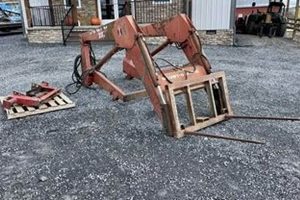
Agricultural tools designed for smaller-scale farming operations encompass a variety of machinery intended to increase efficiency and productivity. These implements can range from walk-behind tillers and compact tractors to specialized harvesting attachments and precision planting devices. A common example is a rototiller used to prepare garden beds for planting or a small tractor with a front-end loader used for moving materials.
The availability of scaled-down agricultural machinery is crucial for independent farmers and market gardeners. It enables them to cultivate land effectively, manage resources responsibly, and compete in local food systems. Historically, the mechanization of agriculture began with large-scale equipment, but the adaptation of these technologies to smaller formats has democratized access to more efficient farming practices and lowered the barrier to entry for new agricultural ventures.
This article will further examine the specific types of these tools, their functionalities, and how they contribute to sustainable and profitable small-scale farming. Detailed analysis will cover selection criteria, maintenance best practices, and the economic advantages of investing in appropriate machinery tailored to the needs of smaller agricultural enterprises.
Tips for Selecting and Utilizing Small Farm Equipment
The following guidance offers key considerations for farmers seeking to optimize the selection and use of agricultural tools scaled for smaller operations. Informed decision-making in this area can significantly impact efficiency, profitability, and long-term sustainability.
Tip 1: Conduct a Thorough Needs Assessment: Before acquiring any machinery, precisely define the specific tasks it must perform, the acreage it will cover, and the soil types involved. This assessment will dictate the appropriate horsepower, implement size, and feature set required.
Tip 2: Prioritize Versatility: Select implements with multi-functionality where possible. For example, a tractor with quick-attach implements allows for efficient switching between tilling, mowing, and hauling tasks, maximizing its utility throughout the growing season.
Tip 3: Consider Fuel Efficiency: Evaluate the fuel consumption rates of different models and brands. Diesel engines generally offer greater fuel economy compared to gasoline engines, but the specific requirements will depend on the workload and operating hours.
Tip 4: Emphasize Ergonomics and Safety: Ensure that the chosen tools are designed with operator comfort and safety in mind. Look for features like adjustable seating, intuitive controls, and roll-over protection systems (ROPS) to minimize the risk of accidents and injuries.
Tip 5: Invest in Regular Maintenance: Establish a preventative maintenance schedule and adhere to manufacturer recommendations for oil changes, lubrication, and filter replacements. This proactive approach extends the lifespan of machinery and reduces the likelihood of costly repairs.
Tip 6: Seek Professional Training: Properly trained operators are essential for safe and efficient operation. Consider enrolling in training courses offered by agricultural extension services or equipment manufacturers to enhance operator skills and minimize the risk of damage or injury.
Tip 7: Research Used Equipment Options: Used implements can offer a cost-effective alternative to new machinery, but careful inspection is essential. Thoroughly examine the equipment for signs of wear and tear, rust, and damage, and obtain a professional inspection before purchase if possible.
Effective utilization of this machinery necessitates careful planning, operator training, and diligent maintenance. These considerations are critical for maximizing the return on investment and ensuring the long-term viability of smaller farming operations.
The following sections will delve into specific types of tools and their applications in greater detail, providing further insights to guide informed decision-making.
1. Cost-effectiveness

Cost-effectiveness is a central consideration in the adoption of agricultural tools for smaller farming operations. The economic viability of a small farm often depends on strategically investing in implements that offer the highest return relative to their acquisition and operational costs.
- Initial Investment vs. Long-Term Savings
The initial cost of tools, while a significant barrier for many small farms, must be weighed against potential long-term savings in labor, time, and resources. A more expensive, fuel-efficient tractor, for example, might initially strain the budget but reduce operational costs over its lifespan, leading to overall savings.
- Versatility and Multi-Functionality
The ability of a single piece of equipment to perform multiple tasks enhances its cost-effectiveness. A tractor with interchangeable attachments for plowing, tilling, and mowing reduces the need for multiple specialized implements, thereby lowering the total investment required. This maximizes the utilization rate and return on investment.
- Maintenance and Repair Costs
The long-term affordability of tools hinges on their durability and ease of maintenance. Selecting equipment with readily available parts and a reputation for reliability can minimize downtime and repair expenses. Preventative maintenance, while requiring an investment of time and resources, can significantly extend the lifespan of the equipment and prevent costly breakdowns.
- Resale Value
The potential resale value of implements can also contribute to their overall cost-effectiveness. Well-maintained, reputable brands often retain a higher percentage of their original value, providing a financial benefit when upgrading or downsizing the operation. Considering resale potential at the time of purchase can mitigate the overall cost of ownership.
Ultimately, the acquisition of scaled-down agricultural tools must be approached with a comprehensive understanding of cost-effectiveness. Evaluating the initial investment alongside long-term savings, versatility, maintenance requirements, and resale potential ensures that these investments contribute to the economic sustainability of the small farm.
2. Implement Versatility

Implement versatility directly impacts the operational efficiency and economic viability of scaled-down agricultural operations. The ability of a single piece of machinery to perform multiple functions reduces the need for a diverse fleet of specialized equipment. This, in turn, lowers capital investment, storage requirements, and maintenance overhead. A tractor, for example, when paired with a front-end loader, a rotary tiller, and a mower attachment, can manage tasks ranging from soil preparation and material handling to vegetation control. This multi-functionality maximizes the utility of a single power unit and enhances its overall value.
The adoption of versatile implements is particularly important for small farms with limited resources and space. A single-axle tractor, also known as a walk-behind tractor or two-wheel tractor, exemplifies this principle. It can be adapted to perform plowing, cultivating, mowing, and even snow removal with the appropriate attachments. This adaptability allows a small-scale farmer to perform a wide range of essential tasks with a single, relatively affordable machine. Another example is the use of quick-attach systems for tractors, enabling rapid changes between implements without the need for extensive mechanical adjustments. This minimizes downtime and increases operational efficiency, especially during critical planting or harvesting windows.
However, the selection of versatile implements requires careful consideration of the specific needs and limitations of the farming operation. The size of the farm, the types of crops grown, and the terrain all influence the optimal choice of machinery and attachments. Challenges may arise in balancing versatility with specialized performance. While a multi-purpose implement can perform a variety of tasks, it may not always achieve the same level of efficiency as a dedicated machine. Therefore, a thorough understanding of the trade-offs between versatility and specialization is essential for making informed decisions that support the long-term success of smaller agricultural enterprises.
3. Operational Efficiency
Operational efficiency, a critical determinant of success for small-scale agricultural ventures, is inextricably linked to the selection and effective deployment of appropriate implements. The right equipment can significantly reduce labor costs, minimize production time, and optimize resource utilization, directly impacting profitability and sustainability.
- Reduced Labor Requirements
The mechanization of tasks previously performed manually substantially decreases the reliance on human labor. For example, a mechanical transplanter can set seedlings in a fraction of the time required by hand, freeing up personnel for other essential farm activities. Similarly, automated irrigation systems minimize the need for manual watering, allowing for more efficient water management and labor allocation.
- Optimized Resource Utilization
Precision agricultural tools, such as GPS-guided sprayers and variable-rate fertilizer applicators, enable targeted application of inputs, minimizing waste and environmental impact. This targeted approach optimizes the use of fertilizers, pesticides, and water, reducing input costs and promoting sustainable farming practices. Moreover, efficient harvesting equipment reduces crop losses and improves the overall yield, maximizing resource utilization.
- Timely Task Completion
The timeliness of agricultural operations, such as planting and harvesting, is crucial for maximizing crop yields and minimizing losses due to weather or pests. Equipment, such as a well-maintained combine harvester, significantly accelerates the harvesting process, allowing farmers to gather crops at their peak maturity and reduce the risk of spoilage. Similarly, efficient tillage equipment allows for timely soil preparation, creating optimal conditions for planting and crop establishment.
- Enhanced Soil Management
Specialized equipment plays a vital role in improving soil health and structure. For instance, no-till drills enable planting without disturbing the soil, reducing erosion and preserving soil moisture. Subsoilers can alleviate soil compaction, improving drainage and root penetration, thereby enhancing overall soil productivity. The strategic use of such equipment contributes to long-term soil health and sustainability.
The interplay of reduced labor, optimized resource allocation, timely task completion, and enhanced soil management underscores the significant impact of specialized tools on operational efficiency. Careful selection, proper maintenance, and skilled operation are essential to fully realize the potential of agricultural implements in enhancing the productivity and profitability of smaller agricultural enterprises.
4. Maintenance Requirements

The operational lifespan and economic viability of scaled agricultural equipment are directly correlated to adherence to stringent maintenance protocols. Neglecting these requirements invariably results in diminished performance, accelerated component degradation, and potentially catastrophic equipment failure. For instance, failure to regularly lubricate moving parts on a tractor or combine can lead to increased friction, overheating, and ultimately, seizure of critical engine components. Similarly, neglecting to inspect and replace worn or damaged tines on a rotary tiller can result in uneven soil preparation, reduced tilling efficiency, and potential damage to the tiller’s drive system. The frequency and thoroughness of maintenance procedures must align with the manufacturer’s recommendations, considering factors such as operating hours, environmental conditions, and the intensity of equipment utilization. Pre-season inspections, regular fluid checks, and timely replacement of consumable parts are indispensable for ensuring the reliable operation of agricultural tools.
The complexity of maintenance procedures varies depending on the type and sophistication of the agricultural tool. Simple implements, such as plows and cultivators, typically require minimal maintenance, primarily involving lubrication, sharpening, and occasional replacement of worn parts. Conversely, more complex machinery, such as tractors and combine harvesters, demand a more comprehensive maintenance regime encompassing engine diagnostics, hydraulic system checks, electrical system troubleshooting, and intricate component adjustments. Investing in proper maintenance tools and equipment, such as torque wrenches, multimeters, and diagnostic scanners, empowers farm operators to perform a significant portion of the required maintenance in-house, reducing reliance on external service providers and minimizing downtime. However, certain specialized tasks, such as engine overhauls or complex hydraulic repairs, may necessitate the expertise of qualified technicians.
Ultimately, a proactive and disciplined approach to machinery maintenance is paramount for ensuring the longevity, reliability, and operational efficiency of small farm implements. The initial investment in tools represents a significant capital outlay for most small-scale agricultural operations. Protecting this investment through diligent adherence to maintenance schedules and prompt addressing of emerging issues directly translates into reduced downtime, lower repair costs, and enhanced productivity. Moreover, well-maintained equipment operates more efficiently, consuming less fuel and minimizing environmental impact. Therefore, prioritizing maintenance is not merely a matter of preserving equipment; it is an integral component of sustainable and profitable small-scale farming practices.
5. Tractor Compatibility
Tractor compatibility is a central consideration when selecting agricultural tools for scaled operations. The ability of a tractor to effectively power and control various implements directly impacts the efficiency, versatility, and overall productivity of the farm. Mismatched machinery can lead to reduced performance, equipment damage, and safety hazards, undermining the benefits of mechanization.
- Hitch System Standardization
Standardized hitch systems, such as the three-point hitch, facilitate the connection between a tractor and a wide range of implements. However, different categories of three-point hitches exist, defined by tractor horsepower and lift capacity. Selecting implements with a compatible hitch category is crucial for ensuring secure attachment and proper operation. Using an implement with a heavier hitch category than the tractor can handle may result in damage to the tractor’s hitch system or instability during operation.
- Power Take-Off (PTO) Compatibility
The PTO is a mechanical drivetrain that transfers power from the tractor to implements such as rotary mowers, tillers, and balers. PTOs come in different sizes and rotational speeds (e.g., 540 RPM, 1000 RPM). Matching the PTO speed and horsepower requirements of an implement to the tractor’s PTO specifications is essential for proper functioning. Operating an implement at an incorrect PTO speed can cause damage to the implement, the tractor, or both.
- Hydraulic System Matching
Many implements, such as front-end loaders, hydraulic disc harrows, and some planters, require hydraulic power from the tractor for operation. Tractors have different hydraulic system capacities (flow rate and pressure) and different numbers of hydraulic remotes. Selecting implements that are compatible with the tractor’s hydraulic system is crucial for ensuring adequate performance. Insufficient hydraulic capacity may result in slow or unresponsive implement operation, while excessive pressure can damage the implement’s hydraulic components.
- Tractor Horsepower and Implement Size
Matching the horsepower of the tractor to the size and workload of the implement is critical. An undersized tractor may struggle to pull or power an implement, leading to reduced efficiency and potential engine strain. Conversely, an oversized tractor may be inefficient for small implements, resulting in wasted fuel and unnecessary wear. Careful consideration of the tractor’s horsepower rating and the implement’s horsepower requirements is necessary for optimal performance.
In conclusion, ensuring tractor compatibility is vital when selecting scaled agricultural implements. Factors such as hitch system standardization, PTO compatibility, hydraulic system matching, and horsepower considerations must be carefully evaluated to optimize performance, prevent damage, and promote safe operation. Proper matching of tractors and implements enhances the efficiency and productivity of smaller farming operations, contributing to their long-term sustainability.
6. Spatial Limitations
Spatial limitations are a defining constraint in scaled agricultural operations, influencing decisions related to the selection, storage, and maneuverability of equipment. The confined dimensions of smaller farms necessitate careful consideration of machinery size and operational characteristics to maximize efficiency and minimize operational impediments.
- Equipment Dimensions and Maneuverability
The physical size of agricultural implements directly impacts their suitability for smaller fields and confined spaces. Larger machinery, while offering greater throughput, may prove unwieldy and difficult to maneuver in tight corners or between closely spaced rows. Compact tractors and implements with narrow profiles are often preferred to optimize maneuverability and minimize crop damage. For example, a small rotary tiller is better suited for navigating the rows of a vegetable garden than a large disc harrow.
- Storage Constraints and Accessibility
Limited storage space necessitates careful planning for equipment housing and accessibility. Large machinery requires substantial storage areas, which may not be readily available on small farms. Implements that can be easily disassembled or folded for compact storage are advantageous. Additionally, the arrangement of storage facilities should prioritize accessibility to ensure that equipment can be readily retrieved and deployed as needed. The utilization of vertical storage solutions, such as shelving or stacking systems, can maximize storage efficiency in confined spaces.
- Turning Radius and Row Spacing Considerations
The turning radius of tractors and implements must be compatible with the row spacing of crops to minimize crop damage during field operations. Wide turning radii can result in significant crop losses, particularly in closely spaced row crops. Tractors with articulated steering or implements with independent steering mechanisms can improve maneuverability and reduce crop damage. Careful planning of field layout and row orientation can also mitigate the impact of turning radius limitations.
- Impact on Operational Efficiency
Spatial constraints can significantly affect operational efficiency by limiting the size and type of equipment that can be effectively utilized. Smaller implements may require more passes to complete a given task, increasing labor requirements and fuel consumption. However, the ability to maneuver easily in confined spaces can offset this disadvantage, particularly in operations that require frequent turns or precise positioning. Striking a balance between equipment size, maneuverability, and operational efficiency is essential for optimizing productivity in smaller agricultural settings.
The interplay between equipment size, maneuverability, storage limitations, and turning radius considerations underscores the importance of addressing spatial constraints when selecting agricultural machinery for small farms. Careful planning and strategic equipment choices can mitigate the challenges posed by limited space, maximizing operational efficiency and contributing to the economic viability of smaller agricultural enterprises. The use of specialized, smaller-scale equipment allows for continued operations despite the restrictions posed by space.
7. Safety Considerations

The operation of implements on scaled-down farming operations necessitates a comprehensive understanding and rigorous implementation of safety protocols. The inherent risks associated with mechanized equipment, regardless of size, are amplified in smaller spaces and by the often solitary nature of small farm work. A failure to adhere to established safety guidelines can result in severe injury or fatality. For instance, entanglement in unguarded power take-off (PTO) shafts remains a leading cause of farm accidents, irrespective of tractor size. Similarly, improperly secured loads on small trailers or tractors can lead to instability and rollovers, particularly on uneven terrain. Furthermore, inadequate training in the proper operation and maintenance of agricultural equipment increases the likelihood of accidents. Safety, therefore, is not merely an ancillary consideration; it is an intrinsic component of the responsible utilization of agricultural machinery on a small scale.
Practical application of safety principles requires several key measures. Regular inspection and maintenance of implements are essential for identifying and rectifying potential hazards before they lead to accidents. Ensuring all guards and shields are in place and functioning correctly is paramount. Operators must receive thorough training on the safe operation of each piece of equipment, including emergency shutdown procedures. Furthermore, wearing appropriate personal protective equipment (PPE), such as safety glasses, hearing protection, and sturdy footwear, is crucial for minimizing the risk of injury. Real-world examples demonstrate the significance of these measures. Farms that implement comprehensive safety programs, including regular safety meetings and documented equipment inspections, experience significantly lower rates of accidents and injuries compared to those that do not. A consistent commitment to safety protocols minimizes the likelihood of preventable incidents and fosters a safer working environment.
In summary, safety considerations are integral to the effective and responsible utilization of equipment in scaled agriculture. Challenges in implementing robust safety measures include time constraints, financial limitations, and a perceived lack of immediate risk. However, neglecting safety carries significant consequences, ranging from personal injury to financial hardship. Ultimately, prioritizing safety fosters a culture of responsibility and contributes to the long-term sustainability of small farming operations. Linking this understanding to the broader theme of sustainable agriculture emphasizes that responsible farming practices encompass not only environmental stewardship but also the well-being and safety of the individuals who cultivate the land.
Frequently Asked Questions About Tools for Smaller Farms
The following questions and answers address common inquiries and misconceptions regarding the selection, operation, and maintenance of implements designed for use in smaller agricultural settings.
Question 1: What distinguishes agricultural machinery designed for small farms from its larger counterparts?
Equipment for smaller operations is generally characterized by reduced physical dimensions, lower horsepower requirements, and simpler operational mechanisms. These implements are specifically engineered to address the spatial constraints and economic realities of smaller agricultural holdings, prioritizing versatility and affordability over sheer power and scale.
Question 2: How does one determine the appropriate horsepower of a tractor required for a specific set of tasks?
Determining the correct horsepower hinges on the implement being used and the soil conditions encountered. Heavier tasks, such as plowing or tilling dense soils, demand higher horsepower. Consult the implement manufacturer’s specifications for recommended horsepower ranges. It is generally advisable to err on the side of slightly higher horsepower to ensure adequate performance under varying conditions.
Question 3: What are the most common maintenance procedures required to prolong the lifespan of implements?
Regular lubrication, consistent inspection for wear and damage, prompt replacement of worn parts, and adherence to the manufacturer’s recommended maintenance schedule are crucial. Furthermore, proper storage during periods of non-use can prevent rust and corrosion, extending the operational life of agricultural machinery.
Question 4: Is it economically viable to purchase used implements as opposed to new ones?
The economic viability of purchasing used equipment depends on a thorough assessment of its condition, remaining lifespan, and asking price relative to new equipment. A pre-purchase inspection by a qualified mechanic is highly recommended to identify potential issues and estimate repair costs. Used equipment can offer significant cost savings, but the risk of unforeseen repairs must be factored into the decision.
Question 5: What safety precautions should be observed when operating machinery in confined spaces?
Maintaining a clear field of vision, operating at reduced speeds, being aware of surrounding obstacles, and ensuring that all bystanders are at a safe distance are essential. Furthermore, implementing lockout/tagout procedures during maintenance and repairs prevents accidental start-up of machinery, reducing the risk of injury.
Question 6: How does no-till planting equipment contribute to sustainable agricultural practices?
No-till planting minimizes soil disturbance, reducing erosion, conserving soil moisture, and improving soil health. This, in turn, reduces the need for fertilizers and pesticides, contributing to a more environmentally sustainable agricultural system. No-till practices also sequester carbon in the soil, mitigating greenhouse gas emissions.
These FAQs provide a foundational understanding of key considerations related to the effective use of agricultural machinery in scaled agricultural settings. The next section will address emerging technologies in small farm automation.
Further exploration of these technologies promises to revolutionize the efficiency and sustainability of small farming operations.
Small Farm Equipment
This article has explored the multifaceted role of implements scaled for smaller agricultural operations. It has emphasized the importance of careful equipment selection based on factors such as cost-effectiveness, versatility, operational efficiency, maintenance requirements, tractor compatibility, spatial limitations, and safety considerations. Understanding these dimensions is crucial for maximizing the return on investment and ensuring the long-term viability of small farms.
The appropriate application of implements is essential not only for enhancing productivity but also for promoting sustainable agricultural practices. As technology continues to evolve, these agricultural tools will play an increasingly critical role in enabling small-scale farmers to meet the growing demand for locally sourced, sustainably produced food. Continued research, development, and education are vital for optimizing the use of this equipment and fostering a more resilient and equitable agricultural system.

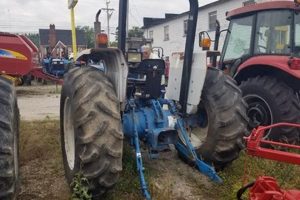
![Best DH Farm Equipment: [Year] Guide + More! | The Conscious Farmer | Sustainable Agriculture for a Healthier Planet](https://livingedgefarm.com/wp-content/uploads/2025/08/th-1937-300x200.jpg "Best DH Farm Equipment: [Year] Guide + More! The Conscious Farmer | Sustainable Agriculture for a Healthier Planet")