A cultivation area specifically designed for propagating and nurturing a particular woodland wildflower, the trillium, can serve various purposes. These dedicated spaces provide controlled environments to facilitate the plant’s lifecycle, from seed germination to mature flowering. They range from small-scale backyard operations to larger, commercial endeavors. An example might include a fenced area with carefully amended soil and shade cloth to mimic the natural habitat of these plants.
The significance of such an enterprise lies in the conservation and availability of these native species. Habitat loss and over-collection in the wild threaten certain trillium varieties. Cultivating these plants reduces the pressure on wild populations and provides a sustainable source for landscaping, research, and medicinal uses. Historically, various cultures have valued trilliums for their beauty and potential therapeutic properties, further emphasizing the importance of their preservation.
The subsequent sections will explore various aspects related to cultivating and managing these specific growing environments. Topics will include optimal soil conditions, appropriate shade levels, propagation techniques, and strategies for pest and disease management. Furthermore, the potential economic benefits and conservation efforts associated with this specialized form of horticulture will be discussed.
Cultivation Guidance
This section offers practical guidance for successfully cultivating trilliums. These recommendations are based on established horticultural practices and aim to optimize plant health and propagation.
Tip 1: Soil Composition: Trilliums thrive in well-drained, humus-rich soil. Amending the soil with composted leaves and well-rotted manure improves drainage and provides essential nutrients. A slightly acidic pH, between 6.0 and 6.5, is optimal.
Tip 2: Shade Provision: Trilliums are woodland plants and require dappled shade. Direct sunlight can scorch the leaves. Utilizing shade cloth or planting beneath deciduous trees provides the necessary protection.
Tip 3: Watering Practices: Consistent moisture is crucial, especially during the growing season. However, avoid overwatering, which can lead to root rot. Monitor soil moisture levels regularly and water deeply when the top inch of soil feels dry.
Tip 4: Propagation Methods: Trilliums can be propagated from seed or by division. Seed propagation is a slow process, often taking several years to produce flowering plants. Division involves carefully separating rhizomes from established plants in the late summer or early fall.
Tip 5: Pest and Disease Management: Monitor plants regularly for signs of pests or diseases. Slugs and snails can damage leaves. Use appropriate control measures, such as hand-picking or applying slug bait. Fungal diseases can be prevented by ensuring good air circulation and avoiding overwatering.
Tip 6: Mulching Techniques: Applying a layer of organic mulch, such as shredded bark or pine needles, helps retain soil moisture, suppress weeds, and regulate soil temperature. Replenish the mulch annually in the spring.
These cultivation techniques are essential for establishing and maintaining healthy trillium populations. By adhering to these guidelines, cultivators can contribute to the conservation and propagation of these unique woodland wildflowers.
The following sections will address the economic considerations and potential applications of these cultivation practices in greater detail.
1. Site selection criteria

Selecting an appropriate site is paramount for establishing a viable trillium cultivation operation. The inherent characteristics of the location directly impact plant health, propagation success, and overall long-term sustainability. Careful consideration of several key factors is essential for maximizing yield and minimizing resource expenditure.
- Soil Composition and Drainage
Soil type exerts a profound influence on trillium growth. They require well-drained soil rich in organic matter. Heavy clay soils retain excessive moisture, increasing the risk of root rot, a significant threat to trillium health. Sites with existing loam soil, or those amenable to amendment with compost and other organic materials, are preferred. Proper drainage is equally important; locations prone to waterlogging should be avoided or modified to improve drainage through terracing or the installation of drainage systems. For example, a site previously used for growing acid-loving plants like rhododendrons may possess suitable soil characteristics.
- Light Exposure and Canopy Cover
Trilliums are shade-tolerant plants adapted to woodland environments. Excessive direct sunlight can cause leaf scorch and hinder growth. Optimal sites offer dappled shade, typically provided by deciduous trees. The amount of sunlight reaching the plants varies throughout the growing season, mimicking their natural habitat. The orientation of the site relative to the sun’s path, the density of the canopy cover, and the presence of any artificial shade structures must be carefully assessed. Sites with predominantly northern or eastern exposure often provide more suitable light conditions.
- Water Availability and Quality
Consistent access to water is essential, particularly during the spring growing season. However, the source of water and its quality are equally important considerations. Sites with access to natural springs or well water, free from excessive minerals or pollutants, are preferred. Municipal water, while often readily available, may require treatment to adjust pH levels or remove chlorine. Efficient irrigation systems, such as drip irrigation, can minimize water waste and ensure even distribution of moisture. The proximity to a reliable water source directly impacts operational costs and the long-term sustainability of the operation.
- Proximity to Infrastructure and Market
The location’s accessibility to infrastructure, such as roads, utilities, and transportation networks, significantly influences operational efficiency. Sites located near major roadways facilitate the transportation of supplies and plants. Access to electricity is necessary for powering irrigation systems and other equipment. Proximity to potential markets, such as nurseries or botanical gardens, can reduce transportation costs and increase profitability. These logistical considerations are crucial for ensuring the economic viability of the business.
In conclusion, meticulous site selection is a fundamental prerequisite for establishing a successful trillium cultivation operation. By carefully evaluating soil conditions, light exposure, water availability, and proximity to infrastructure, cultivators can create an environment conducive to plant health, propagation, and long-term sustainability. The optimal selection ultimately minimizes resource expenditure, maximizes yield, and contributes to the conservation of these valuable woodland wildflowers.
2. Controlled environment efficacy

The effectiveness of controlled environments is paramount to the success of a trillium cultivation endeavor. Precise manipulation of environmental factors can significantly impact plant growth, propagation rates, and overall yield, especially when compared to unpredictable outdoor conditions. These controlled settings offer a degree of precision unavailable in natural habitats.
- Temperature Regulation
Temperature control is critical for mimicking the specific microclimates trilliums require at various stages of their life cycle. Seed germination, rhizome development, and flowering are all temperature-dependent processes. Consistent temperature management minimizes stress, reduces the risk of dormancy issues, and can extend the growing season. For example, during winter months, a slightly elevated temperature within a greenhouse can prevent frost damage, while carefully managed diurnal temperature fluctuations can promote flowering in spring. Precise temperature regulation increases the likelihood of successful cultivation.
- Humidity Control
Maintaining appropriate humidity levels is essential for preventing fungal diseases and supporting healthy foliage. Trilliums thrive in environments with high relative humidity, similar to their native woodland habitats. Controlled environments allow for precise adjustment of humidity through humidifiers, ventilation systems, and careful watering practices. Consistent humidity management can significantly reduce the incidence of leaf spot and other fungal pathogens, leading to healthier and more vigorous plants. Furthermore, optimal humidity levels can improve the success rate of propagation efforts, such as rhizome division or seed germination.
- Light Management
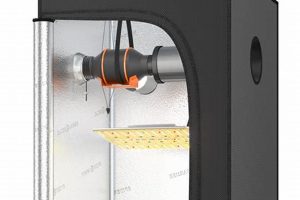
Precise control over light intensity and spectrum is another crucial aspect of controlled environment efficacy. While trilliums require shade, they still need adequate light for photosynthesis. Light-emitting diodes (LEDs) allow cultivators to tailor the light spectrum to optimize plant growth. Red and blue light wavelengths are particularly effective for promoting vegetative growth and flowering. Light sensors can monitor light levels and automatically adjust artificial lighting systems to ensure consistent illumination throughout the day. Controlled light exposure enhances plant vigor, improves leaf color, and can even accelerate the flowering process.
- Pest and Disease Mitigation
Controlled environments provide a greater ability to prevent and manage pests and diseases. The enclosed nature of greenhouses or growth chambers minimizes the entry of pests and pathogens. Regular sanitation practices, such as disinfecting surfaces and using sterilized soil, further reduce the risk of contamination. Integrated pest management (IPM) strategies, including biological control agents and targeted pesticide applications, can be implemented more effectively in a controlled setting. The ability to isolate and treat affected plants quickly prevents the spread of diseases and minimizes crop losses. The implementation of stringent biosecurity measures is an integral component of successful trillium farming within such regulated conditions.
The ability to precisely manipulate temperature, humidity, light, and pest control creates conditions far superior to natural environments. This results in healthier plants, higher yields, and a more predictable production cycle. By leveraging controlled environment technologies, dedicated cultivation efforts can maximize efficiency and contribute to the long-term sustainability and conservation of these important woodland wildflowers.
3. Conservation propagation methods

Conservation propagation methods are of paramount importance within the framework of a trillium cultivation operation. These techniques are critical not only for sustaining the population within the cultivated area but also for safeguarding the genetic diversity of trillium species, particularly those threatened by habitat loss or over-collection.
- Seed Collection and Germination Protocols
Sustainable seed collection involves harvesting seeds from mature, healthy plants while leaving a substantial portion to naturally regenerate. Germination protocols often require stratification, a period of cold, moist storage that mimics winter conditions, to break seed dormancy. Cultivating facilities may employ controlled cold storage to optimize germination rates. Reintroducing cultivated seedlings into suitable wild habitats can bolster declining populations and expand their range.
- Rhizome Division and Micropropagation
Rhizome division, the separation of underground stems, is a common vegetative propagation method. Careful division of mature plants allows for the creation of new individuals with identical genetic material. Micropropagation, or tissue culture, offers a means of rapidly multiplying trilliums from small tissue samples under sterile conditions. This method is particularly valuable for propagating rare or slow-growing species, preserving genetic lines that might otherwise be lost.
- Habitat Mimicry and Ex-Situ Conservation
Creating cultivation environments that closely resemble the natural habitat of trilliums is essential for successful propagation. This involves replicating soil composition, light exposure, and moisture levels. Ex-situ conservation efforts, such as establishing “living collections” in botanical gardens or specialized cultivation facilities, safeguard trillium species outside their native ranges, providing a buffer against habitat destruction and climate change. These collections serve as valuable resources for research and reintroduction programs.
- Genetic Diversity and Population Management
Maintaining genetic diversity within cultivated trillium populations is crucial for their long-term health and adaptability. This involves carefully selecting parent plants for propagation, avoiding inbreeding, and introducing new genetic material from different sources. Population management strategies may include controlled crosses between different individuals to promote genetic variation. Tracking the provenance of propagated plants and maintaining detailed records of their genetic background is essential for effective conservation efforts. Such documentation aids in avoiding inadvertent hybridization or the loss of unique genetic traits.
The implementation of robust conservation propagation methods within a dedicated trillium cultivation framework is essential for the sustained propagation and preservation of these ecologically significant species. These interconnected practices, ranging from sustainable seed sourcing to advanced genetic management, are integral components of responsible and ecologically sound horticultural endeavors, directly contributing to the overall conservation efforts.
4. Sustainable harvest practices

Sustainable harvest practices are a critical component of a responsible trillium cultivation operation. The term “harvest” in this context extends beyond the removal of plants for sale and encompasses all activities that impact the cultivated population. Unsustainable harvesting can lead to population decline, reduced genetic diversity, and long-term damage to the cultivated environment. A focus on sustainability ensures the long-term viability of the operation and minimizes its environmental impact. For example, if rhizomes are divided too aggressively, it can weaken the parent plants and diminish future yield; implementing techniques that leave ample resources for regeneration is crucial.
Practical application of sustainable harvesting principles includes careful monitoring of plant populations to determine sustainable removal rates, leaving a significant portion of the plants undisturbed to ensure continued propagation. Seed collection, if practiced, must be conducted in a manner that does not deplete the seed bank, and it should prioritize genetic diversity by collecting from a broad range of parent plants. Furthermore, sustainable harvesting extends to the management of the surrounding environment, including minimizing soil disturbance, preventing the introduction of invasive species, and maintaining the integrity of the ecosystem.
In summary, sustainable harvest practices are not merely an ethical consideration; they are fundamental to the long-term success and environmental responsibility of a trillium cultivation endeavor. The implementation of careful monitoring, selective harvesting techniques, and responsible environmental management is vital for maintaining healthy trillium populations and preserving the ecological integrity of the cultivation site. Ignoring these practices can lead to the depletion of resources, reduced yields, and potential environmental damage.
5. Economic viability analysis
Thorough economic viability analysis is crucial for assessing the potential profitability and sustainability of a trillium cultivation operation. This analysis evaluates all costs and revenues associated with the enterprise, providing a basis for informed decision-making and risk management. A comprehensive assessment allows for optimization of resource allocation and ensures the long-term financial health of the operation.
- Initial Investment Costs
Initial investment costs encompass all expenses incurred prior to the commencement of sales. These costs include land acquisition or leasing, site preparation, construction of greenhouses or shade structures, purchase of propagation materials (seeds, rhizomes), irrigation systems, equipment, and initial labor expenses. Accurate estimation of these costs is crucial for securing funding and projecting potential return on investment. Underestimation can lead to financial strain, while overestimation can deter potential investors. For example, the cost of installing a specialized irrigation system designed to deliver consistent moisture levels in a controlled environment would be a significant initial investment cost.
- Operating Expenses
Operating expenses are the recurring costs associated with running the trillium cultivation business. These include labor costs (planting, watering, weeding, harvesting), utilities (electricity, water), fertilizer and soil amendments, pest and disease control, marketing and sales, and administrative overhead. Efficient management of operating expenses is essential for maximizing profitability. For instance, investing in energy-efficient lighting and irrigation systems can reduce utility costs. Implementing integrated pest management strategies can minimize the need for expensive chemical treatments.
- Revenue Projections
Revenue projections estimate the potential income generated from the sale of trilliums. Accurate projections require a thorough understanding of the target market, pricing strategies, and sales volume. Revenue streams may include the sale of whole plants to nurseries or botanical gardens, the sale of rhizomes for propagation, and the sale of seeds. The price of trilliums varies depending on species, size, and demand. Market research is essential for determining optimal pricing strategies. Realistic revenue projections are crucial for attracting investors and securing loans. Consideration should be given to cyclical demand or regional market saturation.
- Risk Assessment and Mitigation
Risk assessment involves identifying potential threats to the financial viability of the trillium cultivation operation and developing strategies to mitigate those risks. These risks may include crop failure due to pests or diseases, fluctuations in market demand, competition from other growers, and unexpected weather events. Mitigation strategies may include implementing crop insurance, diversifying revenue streams, developing strong relationships with customers, and investing in weather-resistant infrastructure. A proactive approach to risk management minimizes the potential for financial losses and ensures the long-term stability of the business. Thorough contingency planning is a vital component of comprehensive risk mitigation.
A well-executed economic viability analysis provides a comprehensive understanding of the financial potential of trillium cultivation. By carefully evaluating initial investment costs, operating expenses, revenue projections, and potential risks, cultivators can make informed decisions that maximize profitability and ensure the long-term sustainability of the enterprise. This detailed analysis also serves as a valuable tool for securing funding from investors or lenders who require a clear understanding of the business’s financial prospects. Furthermore, ongoing monitoring of economic performance is essential for identifying areas for improvement and adapting to changing market conditions.
Frequently Asked Questions About Dedicated Trillium Cultivation Areas
This section addresses common inquiries regarding the cultivation of trilliums within dedicated growing environments. The following questions and answers aim to provide clear and concise information about various aspects of establishing and maintaining these specialized spaces.
Question 1: What are the primary advantages of cultivating trilliums in a controlled environment compared to a natural woodland setting?
Controlled environments offer precise regulation of temperature, humidity, and light, minimizing environmental stressors and optimizing plant growth. These environments also facilitate pest and disease management, reducing the risk of crop loss. A controlled setting enables higher propagation rates and more predictable production cycles compared to the unpredictable conditions of a natural woodland.
Question 2: What specific soil composition is most suitable for trillium propagation in a dedicated growing space?
Trilliums require well-drained soil rich in organic matter. A mixture of loam, composted leaves, and well-rotted manure provides the necessary nutrients and drainage. The ideal pH range is slightly acidic, between 6.0 and 6.5. Heavy clay soils should be amended to improve drainage and aeration.
Question 3: How is genetic diversity maintained within a cultivated population of trilliums?
Maintaining genetic diversity involves collecting seeds from a broad range of parent plants, avoiding inbreeding, and introducing new genetic material from different sources. Controlled crosses between different individuals can promote genetic variation. Detailed records of plant provenance are essential for tracking genetic backgrounds and preventing inadvertent hybridization.
Question 4: What are some sustainable harvest practices to implement at a dedicated cultivation site to minimize the environmental impact?
Sustainable harvesting practices include monitoring plant populations to determine sustainable removal rates, leaving a significant portion of plants undisturbed for continued propagation. Seed collection should be conducted in a manner that does not deplete the seed bank. Minimizing soil disturbance and preventing the introduction of invasive species are also essential for maintaining environmental integrity.
Question 5: What are the key factors to consider when assessing the economic viability of a dedicated cultivation area?
Key factors include initial investment costs (land, infrastructure, equipment), operating expenses (labor, utilities, materials), revenue projections (sales of plants, rhizomes, seeds), and potential risks (crop failure, market fluctuations). A thorough assessment of these factors is essential for determining the profitability and sustainability of the enterprise.
Question 6: How can cultivators effectively manage pests and diseases within a controlled cultivation environment for trilliums?
Effective pest and disease management involves regular sanitation practices, such as disinfecting surfaces and using sterilized soil. Integrated pest management (IPM) strategies, including biological control agents and targeted pesticide applications, can be implemented effectively in a controlled setting. Early detection and isolation of affected plants are crucial for preventing the spread of diseases.
In summary, understanding these key aspects of establishing and maintaining a dedicated growing environment for trilliums contributes significantly to both successful cultivation and the conservation of these valuable woodland species.
The subsequent section will delve into potential research opportunities associated with this specialized form of horticulture.
Conclusion
This exploration has detailed the multifaceted aspects of a dedicated trillium cultivation endeavor, examining site selection, controlled environments, propagation methods, sustainable practices, and economic considerations. Success hinges on a comprehensive understanding of trillium biology, responsible resource management, and strategic planning. The benefits of establishing these areas extend beyond commercial gain, offering critical support for the conservation of these threatened wildflowers.
Continued research into optimal cultivation techniques and the genetic diversity of trillium species is paramount. Further, widespread adoption of sustainable practices within dedicated growing areas is essential to safeguarding these plants for future generations. The long-term success of trillium farm initiatives depends on a collective commitment to ecological stewardship and informed horticultural practices.