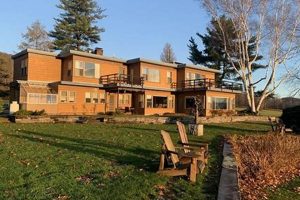
Structures evoking a sense of history and agrarian life, often characterized by simple floor plans, gabled roofs, and practical materials like wood and stone, represent a distinct architectural style. These dwellings prioritized functionality and connection to the surrounding land. Examples include the American Foursquare with its efficient use of space and the classic farmhouse with a large porch perfect for enjoying the outdoors.
These residences offer a connection to the past, providing a tangible link to simpler times and a slower pace of life. Their inherent sustainability, utilizing natural materials and often incorporating passive heating and cooling strategies, appeals to contemporary values. The aesthetic charm and unique character inherent in these buildings can also significantly enhance property value and create a welcoming atmosphere. The architectural style’s evolution reflects changing agricultural practices and family needs throughout history.
The following sections will delve into the key features, common layouts, and renovation considerations associated with preserving and adapting these historic residences. Furthermore, the enduring appeal of this architectural style in modern contexts will be examined, considering how contemporary design can incorporate elements of the past while meeting the demands of present-day living.
Preserving the Essence
Maintaining the integrity of these structures requires a delicate balance between preservation and modernization. Careful consideration of original materials, architectural details, and historical context is crucial for successful renovation and adaptation.
Tip 1: Evaluate Structural Integrity. A thorough assessment of the foundation, framing, and roof is paramount. Address any structural issues before commencing cosmetic renovations. Neglecting this step can lead to costly repairs and compromise the building’s long-term stability.
Tip 2: Retain Original Materials. Whenever possible, preserve and restore original features such as wood floors, windows, and siding. Salvage materials from other areas of the building or source reclaimed materials to maintain authenticity. Replacing original elements with modern substitutes diminishes the historical value.
Tip 3: Respect the Floor Plan. While adapting the interior to modern living, strive to retain the original floor plan’s character. Avoid drastic alterations that compromise the building’s flow and functionality. Consider adaptive reuse strategies that respect the existing layout.
Tip 4: Emphasize Natural Light. Incorporate or maintain large windows to maximize natural light. The structures often prioritized ample light for various tasks, and replicating this element enhances the authenticity and livability of the dwelling.
Tip 5: Consider Energy Efficiency. Implement energy-efficient upgrades without compromising the building’s historical character. Consider insulation upgrades, energy-efficient windows that mimic the original style, and geothermal heating systems. These improvements enhance comfort and reduce energy consumption.
Tip 6: Preserve Exterior Details. Maintain original exterior features such as porches, gabled roofs, and siding. Repaint in historically accurate colors and avoid modern additions that detract from the building’s architectural style. These details contribute significantly to the overall aesthetic appeal.
Tip 7: Research the History. Understanding the building’s history and its place in the community can inform design decisions and ensure that renovations are sympathetic to its past. Local historical societies and archives can provide valuable insights.
Careful planning and execution are essential for preserving the unique character and charm of these properties. By respecting the original design and utilizing appropriate materials and techniques, one can ensure that these historic buildings continue to be enjoyed for generations to come.
The following sections will delve into specific examples of successful renovation projects and explore the enduring appeal of this architectural style in contemporary contexts.
1. Gabled Roofs

The gabled roof stands as a defining characteristic of many historical residences, serving practical and aesthetic purposes that have contributed significantly to their enduring design.
- Efficient Water Shedding
The steeply pitched planes of a gabled roof effectively channel rainwater and snow away from the structure’s walls and foundation. This reduces the risk of water damage and extends the lifespan of the building materials. This functionality was particularly crucial in rural settings where resources for frequent repairs were limited.
- Attic Ventilation and Space
The gabled design often incorporates vents in the gable ends, facilitating natural air circulation within the attic space. This ventilation helps to regulate temperature and reduce moisture buildup, preventing rot and decay. The attic also provides additional storage space, a valuable asset in a home where space utilization was paramount.
- Structural Simplicity and Economy
The gabled roof’s relatively simple construction made it a cost-effective choice for early builders. The design requires less complex framing than more elaborate roof styles, allowing for quicker and more economical construction. This was especially important in agrarian communities where labor and resources were often scarce.
- Aesthetic Harmony with Rural Landscapes
The clean lines and symmetrical form of the gabled roof visually complemented the surrounding rural landscapes. The simplicity of the design reflected the values of practicality and functionality, creating a sense of harmony between the structure and its natural environment. This aesthetic integration contributed to the iconic image of residences dotting the countryside.
The gabled roof’s inherent practicality, economical construction, and aesthetic appeal have cemented its position as a hallmark of many historic buildings. Its continued presence in contemporary designs serves as a testament to its enduring relevance and its ability to seamlessly blend functionality with visual appeal.
2. Wood Siding

Wood siding represents a defining characteristic of many historic structures, integral to their aesthetic identity and functional performance. Its prevalence in these buildings reflects readily available resources and construction methods from the era.
- Material Availability and Affordability
Wood, as a locally sourced resource in many rural areas, offered an economical and accessible building material. The abundance of forests and the relative ease of processing timber made wood siding a practical choice for early settlers and builders, reducing construction costs and reliance on distant suppliers. Examples included pine in the Eastern United States and cedar in the Pacific Northwest.
- Weather Protection and Insulation
Wood siding, when properly installed and maintained, provides effective protection against the elements. Overlapping planks or boards create a barrier against rain, snow, and wind, preventing moisture penetration and reducing heat loss. The inherent insulation properties of wood further contribute to energy efficiency, maintaining comfortable indoor temperatures. Examples included clapboard siding, known for its weather resistance, and board-and-batten siding, offering structural stability.
- Aesthetic Versatility and Customization
Wood siding can be easily customized to achieve various aesthetic styles. Different types of wood, milling techniques, and paint colors allow for a wide range of design options, catering to individual preferences and regional architectural styles. The natural grain and texture of wood add visual interest and character to the building’s exterior. Examples included the use of wide, horizontal planks for a traditional look and vertical board-and-batten siding for a more rustic appearance.
- Durability and Longevity with Proper Maintenance
While susceptible to decay and insect damage, wood siding can exhibit exceptional durability and longevity with proper maintenance. Regular painting, sealing, and pest control measures protect the wood from moisture and infestation, extending its lifespan for decades. Historical structures with well-maintained wood siding stand as testaments to the material’s resilience. Examples included the application of linseed oil paints to protect against weather and the use of cedar siding for its natural resistance to decay.
The use of wood siding in vintage buildings is inseparable from both its visual identity and functional role. Its combination of affordability, weather protection, versatility, and durability has cemented its place as a key component in this style. This remains an enduring element that is often retained or replicated during restoration and preservation efforts.
3. Functional Layouts

Functional layouts are a defining element of historical agricultural residences, reflecting a pragmatic approach to design focused on maximizing efficiency and accommodating the diverse needs of farm life. These layouts prioritized practicality over elaborate aesthetics, with spaces carefully organized to support daily routines and seasonal activities.
- Centralized Kitchen and Hearth
The kitchen served as the heart of the home, often located centrally to provide easy access to other living areas. The hearth, typically a large fireplace, served as the primary source of heat for cooking and warmth, playing a crucial role in daily life. Examples include large cooking fireplaces with attached ovens and warming drawers, situated in close proximity to dining and living spaces to facilitate efficient food preparation and distribution.
- Clear Separation of Work and Living Spaces
These dwellings frequently featured a clear distinction between areas designated for work and those for leisure. Mudrooms or back porches served as transitional spaces for removing dirty clothing and boots, preventing the spread of dirt and debris into the main living areas. Pantries and cellars provided dedicated spaces for food storage and preservation, minimizing clutter in the kitchen and living areas. Examples include mudrooms with built-in benches and storage for outerwear, as well as root cellars for preserving fruits and vegetables throughout the winter months.
- Adaptable Spaces for Multiple Uses
Rooms were often designed to be adaptable and serve multiple purposes, reflecting the diverse needs of a working farm family. Parlors might be used for formal gatherings as well as for sewing or other household tasks. Bedrooms could double as home offices or study areas. Examples include large, open living rooms that could be easily reconfigured for different activities, as well as bedrooms with built-in storage and work surfaces.
- Direct Access to the Outdoors
Proximity to the surrounding land was a key consideration in the design. Porches provided shaded outdoor living spaces and facilitated easy access to gardens, fields, and livestock. Mudrooms served as direct links between the interior and exterior, streamlining chores and reducing the risk of tracking dirt into the house. Examples include wraparound porches providing panoramic views of the farm, as well as back doors located near gardens and animal pens for convenient access to outdoor tasks.
The functional layouts observed in these residences demonstrate a clear focus on practicality and efficiency, reflecting the demands of farm life and the limited resources available to early builders. These design principles continue to influence contemporary architecture, particularly in the design of rural homes and sustainable living spaces, where maximizing efficiency and minimizing environmental impact are paramount.
4. Porches

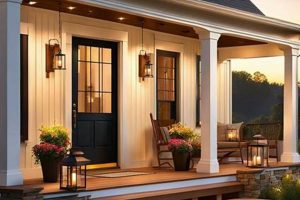
The porch constitutes a significant architectural element inextricably linked to the design of traditional agricultural residences. This feature extends the living space beyond the confines of the interior walls, fostering a connection with the surrounding environment and serving multiple functional roles. The prevalence of porches in these designs reflects a response to the practical needs and lifestyle of rural inhabitants. A primary effect of the porch is the creation of a transitional zone, shielding the interior from direct sunlight and inclement weather. A broad, covered porch, for instance, protects vulnerable wood siding from rain and reduces heat gain during summer months. Functionally, porches acted as locations for various activities, from food preparation and storage to social interaction and relaxation. Examples include wraparound porches providing shaded areas for churning butter or shelling beans, as well as smaller front porches serving as gathering spaces for neighbors and family members. The absence of a porch would significantly alter the building’s aesthetics and diminish its utility within the context of farm life.
Further analysis reveals the porch as a subtle form of environmental control. The overhang provides shade, mitigating the impact of solar radiation on the building’s interior. This passive cooling strategy reduces the need for artificial climate control, contributing to energy efficiency. The porch also serves as an extension of the social sphere. It provides a semi-public space where residents can interact with passersby, fostering a sense of community. In the American South, for instance, the front porch served as a vital space for social gatherings, political discussions, and neighborly visits. This understanding informs contemporary design, prompting architects to incorporate porch-like elements into modern homes seeking to emulate the charm and functionality of traditional agricultural dwellings. Architects replicate porches while considering lot orientation and optimizing sun shading factors.
In summary, the porch is not merely an aesthetic addition, but an integral component of traditional agricultural architecture, inextricably linked to its functionality, environmental responsiveness, and social significance. Recognizing the multiple benefits offered by porches is crucial for preserving the architectural heritage. Reintegrating such concepts into modern construction can improve residential design regarding energy use and social connection with outdoor spaces.
5. Local Materials

The utilization of readily available resources defined architectural choices in early agricultural residences. Sourcing materials locally minimized transportation costs and reliance on external supply chains, shaping the aesthetic and structural characteristics. This dependency on regional resources had a profound influence, determining construction techniques, building forms, and the overall character of the dwellings. The availability of stone in New England, for example, led to its prevalent use in foundations and chimneys, whereas timber-rich regions favored wood framing and siding. This interplay between resource availability and building practices created distinct regional variations in architecture, reflecting the unique environmental conditions and material landscapes.
The selection of specific materials resulted in practical consequences for the buildings’ performance and longevity. Stone foundations offered durability and resistance to moisture, while locally sourced timber provided insulation and structural integrity. Construction techniques evolved to optimize the use of these materials, such as the development of mortise-and-tenon joinery for timber framing and the skillful arrangement of fieldstones for foundations. The choice of materials also influenced the aesthetic qualities. The warm tones of natural wood created a welcoming ambiance, while the rugged texture of stone added a sense of solidity and permanence. These material choices contributed significantly to the character and charm associated with these structures.
The connection between local materials and building practices in agricultural residences highlights the importance of resourcefulness and adaptation. Understanding this relationship is critical for preserving and restoring these historical assets, ensuring that repairs and renovations employ compatible materials and techniques. Modern construction can learn from these historical examples, prioritizing the use of sustainable, locally sourced resources to minimize environmental impact and create buildings that are more responsive to their surroundings. The utilization of resources highlights a commitment to environmental and economic sustainability.
6. Simple Aesthetics

The defining characteristics of vintage agricultural buildings often revolved around unadorned aesthetics, a design philosophy rooted in practicality and resourcefulness rather than elaborate ornamentation. This approach, born from necessity and shaped by the demands of rural life, has contributed significantly to the enduring appeal of these structures.
- Lack of Ornamentation
The absence of intricate carvings, decorative moldings, or elaborate facades characterizes a common building style. This restraint stemmed from a focus on functionality and cost-effectiveness. Buildings were built to fulfill a purpose, and excess decoration was seen as an unnecessary extravagance. The overall effect is a sense of understated elegance that complements the surrounding landscape. Functional trim would be acceptable, but ornamental trim would be excluded.
- Emphasis on Functionality
Every element of the design served a practical purpose. The layout was dictated by the needs of the occupants and the demands of farm life. Rooms were designed for specific tasks, and circulation patterns were optimized for efficiency. The focus on functionality resulted in buildings that were both comfortable and efficient. Examples include the placement of kitchens near gardens for easy access to fresh produce and the inclusion of large porches for outdoor living.
- Unpretentious Materials
Materials were chosen for their durability, affordability, and availability. Locally sourced timber, stone, and brick were common choices. These materials were often left unfinished or minimally treated, highlighting their natural beauty. The use of unpretentious materials contributed to the buildings’ sense of authenticity and connection to the land. An example would be the use of unpainted wood siding allowed to weather naturally, creating a rustic aesthetic that blends seamlessly with the rural setting.
- Clean Lines and Geometric Forms
Simple geometric forms, such as rectangles and squares, dominated the design of these structures. Clean lines and a lack of complex curves created a sense of order and stability. The emphasis on basic shapes reflected a pragmatic approach to building and a rejection of frivolous ornamentation. Examples include the use of gabled roofs, rectangular windows, and square floor plans to create a sense of visual harmony and balance.
The emphasis on simple aesthetics in structures represents a deliberate rejection of unnecessary ornamentation, prioritizing functionality, and highlighting the inherent beauty of natural materials. This design philosophy, born from necessity and shaped by the demands of rural life, has created a timeless style. The adherence to unadorned design provides enduring appeal and a comfortable look.
Frequently Asked Questions
This section addresses common inquiries regarding the defining characteristics, preservation, and contemporary relevance of the architectural style commonly referred to as “old farm house designs.”
Question 1: What are the most recognizable architectural features?
Common features include gabled roofs, wood siding (often clapboard or board-and-batten), large porches, simple rectangular or square floor plans, and the use of locally sourced materials. The architectural design often prioritizes functionality over elaborate ornamentation.
Question 2: How does the climate influence construction?
Residences frequently incorporate climate-responsive design elements. Large overhangs may shade interiors in hot climates. Strategic window placement optimizes natural light and ventilation. Insulation techniques vary depending on regional weather conditions.
Question 3: What are the primary considerations for renovating a structure?
Renovation should prioritize structural integrity, preservation of original materials, and respect for the historical context. Modernizations should be carefully integrated to minimize disruption to the original design aesthetic. Energy efficiency upgrades must be sympathetic to existing materials and construction methods.
Question 4: How is the style adapted to modern living?
Contemporary adaptations often incorporate open floor plans, updated kitchens and bathrooms, and enhanced energy efficiency. Designers can retain classic elements such as gabled roofs, wood siding, and porches while incorporating modern amenities.
Question 5: Are there regional variations in this style?
Significant regional variations exist due to climate, available materials, and cultural influences. Examples include stone houses in New England, wood-framed structures in the Midwest, and adobe structures in the Southwest. The adaptation based on local needs makes each structure unique.
Question 6: What is the historical significance of this architectural style?
The architecture represents a tangible link to agricultural history, reflecting the resourcefulness and self-sufficiency of early settlers. These residences embody a simpler way of life and serve as reminders of the close relationship between people and the land.
The architectural style provides a clear illustration of pragmatic design principles and resourcefulness, offering valuable insights into both past construction methods and future possibilities.
The subsequent section will delve into specific case studies, providing detailed examples of renovation and adaptive reuse projects.
Conclusion
This exploration has highlighted the defining features, functional aspects, and historical relevance of “old farm house designs.” Key elements include gabled roofs, wood siding, practical floor plans, and an emphasis on local materials. These architectural choices reflected a commitment to resourcefulness and a close connection to the surrounding environment.
The enduring appeal lies in their simplicity, functionality, and historical significance. Preservation efforts are crucial for maintaining a tangible link to the past. Modern adaptations should respect the original design principles while meeting the needs of contemporary living. The continued appreciation of the timeless appeal of these structures, it is vital to balance respect for past designs and construction technology.