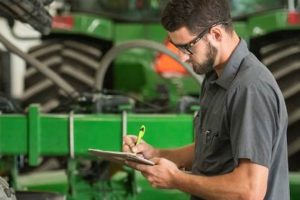
Machinery employed in the production of dried forage crops constitutes a significant sector within agricultural technology. This equipment facilitates the various stages of haymaking, from cutting and conditioning the crop to baling and transporting the finished product. Examples include mowers, tedders, rakes, balers, and bale wrappers, each designed to optimize specific aspects of the process.
The availability and utilization of specialized instruments are crucial for efficient forage management. They contribute directly to reduced labor costs, improved crop quality, and increased overall productivity. Historically, the mechanization of forage harvesting has enabled farmers to manage larger acreages and produce higher yields, contributing to the economic viability of livestock operations.
The following sections will delve into the functionalities of specific instruments, examining their operational principles, maintenance requirements, and the latest advancements in their design and application.
Optimizing Forage Production
Effective utilization of implements is paramount for maximizing yield and quality in forage production. The subsequent points offer valuable insights for informed decision-making and operational efficiency.
Tip 1: Selection Based on Acreage: Prioritize machine selection based on the scale of operation. Larger farms necessitate high-capacity instruments like self-propelled windrowers and large square balers, while smaller holdings may find trailed models more suitable.
Tip 2: Timely Maintenance: Regular maintenance is crucial for preventing costly breakdowns and extending the lifespan of implements. Adhere strictly to manufacturer-recommended service schedules, focusing on lubrication, blade sharpening, and belt tension.
Tip 3: Implement Compatibility: Ensure compatibility between implements within the forage production system. Mismatching machines can lead to bottlenecks and reduced overall efficiency. Consider tractor horsepower requirements and implement working widths.
Tip 4: Proper Calibration: Accurate calibration of implements such as balers is essential for consistent bale density and weight. Consult the operator’s manual and perform test runs to fine-tune settings for optimal performance.
Tip 5: Weather Monitoring: Continuous weather monitoring is critical for scheduling cutting and baling operations. Avoid cutting forage before predicted rainfall to minimize nutrient loss and spoilage. Invest in weather forecasting tools or services.
Tip 6: Storage Considerations: Proper storage of implements during the off-season is essential for preserving their condition. Store machines under cover whenever possible to protect them from the elements. Grease exposed components to prevent rust.
Tip 7: Operator Training: Comprehensive operator training is vital for safe and efficient operation. Ensure that all personnel are thoroughly familiar with the equipment’s controls, safety features, and operating procedures.
These considerations represent a fundamental framework for optimizing forage production through effective implement utilization. Diligent attention to these details will contribute to enhanced operational efficiency, reduced costs, and improved forage quality.
The next section will address recent technological advancements in forage harvesting machinery, further enhancing our understanding of efficient forage production.
1. Cutting Implements

Cutting implements represent the initial and foundational stage within forage harvesting operations. Their efficiency and precision directly influence subsequent steps in the process, impacting both yield and quality of the final product. Accurate and timely cutting ensures optimal regrowth and minimizes field losses.
- Disc Mowers: High-Speed Cutting
Disc mowers utilize rotating discs equipped with blades to shear forage. Their ability to operate at high speeds and in varying crop conditions makes them suitable for large-scale operations. Improper maintenance or dull blades can lead to uneven cutting, increased fuel consumption, and potential damage to the crop and equipment.
- Sickle Bar Mowers: Traditional Precision
Sickle bar mowers employ a reciprocating blade action to cut forage, offering a cleaner cut than disc mowers in certain conditions. They are generally less expensive but have a lower cutting speed, making them better suited for smaller acreages or areas with obstructions. Regular sharpening and alignment of the sickle bar are critical for optimal performance.
- Mower Conditioners: Combined Operations
Mower conditioners integrate cutting and conditioning processes, simultaneously mowing the forage and crimping or crushing the stems to accelerate drying. This integrated approach reduces field time and minimizes nutrient loss. However, proper adjustment of the conditioning mechanism is essential to avoid over-conditioning, which can lead to leaf shatter and reduced quality.
- Self-Propelled Windrowers: Large-Scale Efficiency
Self-propelled windrowers combine cutting, conditioning, and windrowing into a single operation. These machines are designed for large-scale forage production, offering high efficiency and maneuverability. Their integrated systems require specialized maintenance and skilled operators to ensure optimal performance and minimize downtime.
The selection and maintenance of cutting implements are integral to efficient forage production. Investment in appropriate machinery, coupled with diligent upkeep, contributes directly to improved crop quality, reduced labor costs, and enhanced profitability within forage management systems.
2. Conditioning Mechanisms
Conditioning mechanisms constitute an integral component of specialized instruments designed to expedite the drying process of cut forage. These devices physically alter the plant structure, specifically the stems, to facilitate moisture release. Without effective conditioning, drying times extend significantly, increasing the risk of spoilage and nutrient loss. The design and operation of these mechanisms represent a crucial aspect of efficient forage production, directly impacting the quality and yield of the final dried product.
Several types of conditioning mechanisms exist, each employing a different approach to stem modification. Roller conditioners, for example, utilize intermeshing or smooth rollers to crimp or crush the stems, creating pathways for moisture evaporation. Impeller conditioners, on the other hand, utilize rotating flails or tines to abrade the stem surface, disrupting the waxy cuticle and accelerating water loss. The selection of the appropriate conditioning mechanism depends on factors such as forage type, stem thickness, and environmental conditions. Improper adjustment or overuse of conditioning mechanisms can lead to excessive leaf shatter, resulting in significant dry matter losses and reduced nutritional value.
The implementation of effective conditioning strategies is essential for minimizing field losses and maximizing the quality of forage. Proper adjustment of conditioning mechanisms, based on forage type and environmental conditions, allows for optimal drying rates without compromising the nutritional integrity of the crop. The integration of conditioning mechanisms into implements represents a significant advancement in forage production, enabling producers to harvest high-quality feed in a timely and efficient manner. Ongoing research and development efforts continue to refine conditioning technologies, focusing on reducing energy consumption and minimizing damage to the crop.
3. Raking Systems
Raking systems constitute a fundamental element within equipment used for producing dried forage, facilitating the transition from conditioned crop to a form suitable for baling or other collection methods. They serve primarily to gather and consolidate cut forage into windrows, which are elongated piles that enable efficient harvesting by subsequent machinery. The design and operation of raking systems significantly impact the quality of the final product by influencing factors such as drying uniformity and the amount of soil contamination within the collected material.
One example of the practical application of raking systems lies in mitigating the effects of uneven drying caused by variations in sunlight exposure or field topography. By inverting and rearranging the forage, rakes promote more consistent drying rates across the entire windrow. Conversely, improper raking techniques, such as operating at excessive speeds or with incorrect settings, can lead to significant losses due to leaf shatter, particularly in legume crops like alfalfa, where the leaves represent a substantial portion of the nutritional value. Soil incorporation, another potential consequence of incorrect operation or unsuitable equipment selection, reduces feed quality and can introduce spoilage organisms, necessitating careful consideration of rake type and operational parameters.
The effectiveness of forage production, therefore, hinges on the proper integration and utilization of raking systems. Selection of appropriate equipment, coupled with adherence to best management practices, is crucial for maximizing yield and minimizing losses. Challenges such as varying field conditions, crop types, and environmental factors require adaptability and informed decision-making to ensure optimal results. The understanding of raking system principles and their impact on overall forage quality remains a central aspect of efficient and sustainable forage management.
4. Baling Technologies

Baling technologies represent a critical facet within the broader spectrum of farming implements, directly impacting the efficiency and storability of harvested forage. These technologies encompass a range of machinery designed to compress cut and dried forage into manageable packages, facilitating ease of handling, transportation, and long-term storage. The efficacy of baling directly affects the preservation of nutritional content and minimizes losses due to spoilage, representing a direct link between operational efficiency and the final product quality. The development of various baling mechanisms, from small square balers to large round balers, reflects the continuous evolution of agricultural practices seeking to optimize resource utilization and minimize labor inputs. The operational suitability of different baling methodologies is inherently tied to factors such as acreage, labor availability, and storage facilities, necessitating informed decision-making based on individual farming conditions.
The practical significance of understanding baling technologies extends to optimizing operational efficiency and mitigating potential risks. For example, the selection of an inappropriate baler size for the scale of the operation can lead to either underutilization of resources or significant bottlenecks in the harvesting process. Furthermore, improper baling techniques, such as baling forage with excessive moisture content, can result in heat buildup and spontaneous combustion, representing a significant safety hazard. Effective baling necessitates careful monitoring of moisture levels, appropriate adjustment of machine settings, and adherence to recommended operating procedures. The integration of advanced sensor technologies, such as moisture sensors and bale weight monitors, further enhances the precision and control of the baling process, contributing to improved product quality and reduced operational risks.
In summary, baling technologies form an indispensable component within farming equipment, directly influencing the economic viability and sustainability of forage production. A comprehensive understanding of baling principles, coupled with informed equipment selection and diligent operational practices, enables producers to optimize resource utilization, minimize losses, and ensure the long-term preservation of harvested forage. Challenges associated with varying crop conditions, environmental factors, and technological advancements necessitate a continuous learning process to adapt and refine baling techniques for optimal performance. The interrelationship between baling technology and efficient forage management represents a key element in modern agricultural practices.
5. Handling Machinery
Handling machinery represents a critical component in hay production, encompassing the equipment used to move, stack, and transport bales after they are formed. The efficient movement of bales from field to storage is essential for minimizing losses due to weather damage and maximizing labor productivity. Selection of appropriate implements is directly related to bale size, storage method, and overall scale of the hay operation.
- Bale Stackers
Bale stackers are implements designed to gather and stack bales, either manually or automatically, into organized piles within the field or at a designated storage location. These machines reduce manual labor requirements and improve the efficiency of large-scale operations. Different models accommodate various bale sizes and stacking configurations. Improper stacking can lead to bale damage and spoilage due to reduced airflow and increased moisture retention.
- Bale Grapples and Forks
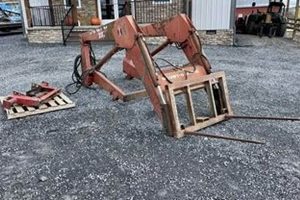
Bale grapples and forks are attachments used with tractors or loaders to lift and move individual bales. Grapples typically grip the bale securely, while forks spear the bale for lifting. These tools offer versatility in handling different bale types and are commonly used for loading and unloading trailers or stacking bales in storage. Care must be taken to avoid damaging the bales during handling, particularly with forks.
- Bale Trailers and Wagons
Bale trailers and wagons are designed to transport multiple bales from the field to storage locations. These trailers can be pulled by tractors or trucks and come in various sizes and configurations to accommodate different bale types and quantities. Securely loading and restraining bales on trailers is essential for safe transport and preventing losses during transit. Consideration should be given to road weight restrictions and trailer stability.
- Conveyor Systems
Conveyor systems are utilized for continuous movement of bales, typically within storage facilities or processing plants. These systems can be automated and integrated with other handling equipment for efficient bale management. Conveyors reduce manual labor and streamline the handling process in large-scale operations. Proper maintenance of conveyor systems is crucial for preventing breakdowns and ensuring smooth operation.
These implements collectively address the logistical challenges of transporting and storing forage, contributing significantly to the overall efficiency and profitability of hay farming operations. The choice of handling machinery is inextricably linked to other aspects of forage production, from baling to storage, and requires a comprehensive understanding of the entire system to optimize performance.
6. Storage Solutions
Storage solutions are intrinsically linked to equipment utilized in forage production, functioning as the final stage in preserving harvested material. The effectiveness of preservation strategies directly influences the quality and quantity of feed available for livestock. The selection and implementation of appropriate storage methods necessitate careful consideration of environmental factors, bale characteristics, and economic constraints.
- Barn Storage: Controlled Environment Preservation
Barn storage involves housing bales within enclosed structures, protecting them from precipitation, sunlight, and temperature fluctuations. This method minimizes spoilage due to mold growth and nutrient loss. The initial investment in barn construction or renovation can be substantial, but the long-term benefits include superior forage quality and reduced feed wastage. Proper ventilation is crucial for preventing moisture buildup within the barn. Examples include pole barns and fully enclosed structures tailored to specific bale dimensions and quantities.
- Outdoor Stacking: Cost-Effective Volume Storage
Outdoor stacking involves arranging bales in organized stacks in open areas. This method is relatively inexpensive but exposes bales to weather elements, leading to potential spoilage and nutrient leaching. Covering stacks with tarpaulins or plastic sheeting can mitigate these losses, but requires additional labor and material costs. Stacking techniques, such as pyramid or rectangular configurations, can influence water runoff and ventilation. Site selection for outdoor stacks is important to minimize soil moisture contact and ensure adequate drainage.
- Bale Wrapping: Individual Bale Protection
Bale wrapping involves encasing individual bales in plastic film, creating an anaerobic environment that promotes fermentation and inhibits spoilage. This method is particularly effective for preserving high-moisture forage. Bale wrappers are equipment-intensive, requiring specialized machinery for application. The cost of plastic wrap can be a significant factor in overall storage expenses. Proper wrapping technique is essential to ensure an airtight seal and prevent spoilage. Baleage, the resulting product, offers high nutritional value and palatability for livestock.
- Silage Systems: Controlled Fermentation
Silage systems involve chopping forage into small pieces and compacting it into silos or bunkers to create an anaerobic environment for fermentation. This method preserves forage in a highly digestible form. Silage equipment includes choppers, blowers, and compaction machinery. Silos and bunkers require substantial initial investment and careful management to prevent spoilage. The fermentation process produces organic acids that inhibit microbial growth and preserve the forage. Silage offers a consistent and high-quality feed source for livestock throughout the year.
These diverse storage solutions are critical for maximizing the return on investment in forage farming equipment and labor. The selection of an appropriate storage strategy is contingent upon factors such as climate, scale of operation, and intended use of the forage. Effective storage practices are integral to ensuring a sustainable and profitable hay farming operation.
Frequently Asked Questions
The following questions address common inquiries concerning the selection, operation, and maintenance of implements used in forage production. These answers aim to provide clarity and promote informed decision-making.
Question 1: What factors determine the appropriate size of a baler for a specific farming operation?
The appropriate baler size is dictated primarily by acreage, available labor, and storage capacity. Larger farms necessitate high-capacity balers to efficiently process greater volumes of forage. Smaller operations may find smaller, more maneuverable balers more suitable. Available labor and storage constraints further influence baler selection.
Question 2: How frequently should maintenance be performed on cutting implements, and what tasks are essential?
Cutting implements require regular maintenance, ideally after each use or at intervals specified by the manufacturer. Essential maintenance tasks include blade sharpening or replacement, lubrication of moving parts, inspection of belts and bearings, and verification of proper alignment.
Question 3: What are the key differences between disc mowers and sickle bar mowers, and when is each type most appropriate?
Disc mowers utilize rotating discs with blades for cutting, offering higher speeds and suitability for various crop conditions. Sickle bar mowers employ a reciprocating blade, providing a cleaner cut but at lower speeds. Disc mowers are often preferred for larger acreages and challenging terrains, while sickle bar mowers are suitable for smaller operations or areas with obstructions.
Question 4: How does the moisture content of forage at the time of baling affect its storage longevity and quality?
Excessive moisture content at baling promotes microbial growth, leading to spoilage, mold development, and potential spontaneous combustion. Conversely, overly dry forage can experience excessive leaf shatter, reducing nutritional value. Proper moisture levels, typically below 20% for conventional hay, are crucial for optimal storage.
Question 5: What are the primary considerations for selecting a forage storage method, and how do these methods impact feed quality?
The selection of a storage method hinges on factors such as climate, bale type, and available resources. Barn storage offers superior protection from the elements but requires significant infrastructure investment. Outdoor stacking is more economical but increases the risk of spoilage. Bale wrapping provides individual bale protection but incurs additional material costs.
Question 6: What safety precautions should be observed when operating and maintaining machinery?
Adherence to safety protocols is paramount. Operators must thoroughly understand equipment manuals, wear appropriate personal protective equipment, ensure that safety guards are in place, and perform regular inspections to identify and address potential hazards. Lockout/tagout procedures should be followed during maintenance.
These inquiries highlight the importance of informed decision-making in maximizing the effectiveness and longevity of implements used in forage production.
The subsequent section delves into the economic considerations associated with acquiring and utilizing specified tools.
Hay Farming Equipment
This exploration has underscored the indispensable role of specialized apparatus in contemporary forage production. From cutting and conditioning to baling and storage, implements directly influence the efficiency, quality, and profitability of forage management systems. Prudent selection, meticulous maintenance, and informed operation of such assets are paramount.
As agricultural practices evolve, continued investment in and understanding of efficient apparatus will be crucial for ensuring sustainable forage yields. The long-term economic viability of livestock operations is inextricably linked to the effective integration of these essential assets. Therefore, a strategic approach to their acquisition and utilization is not merely advantageous, but fundamentally necessary.

![Best DH Farm Equipment: [Year] Guide + More! | The Conscious Farmer | Sustainable Agriculture for a Healthier Planet](https://livingedgefarm.com/wp-content/uploads/2025/08/th-1937-300x200.jpg "Best DH Farm Equipment: [Year] Guide + More! The Conscious Farmer | Sustainable Agriculture for a Healthier Planet")