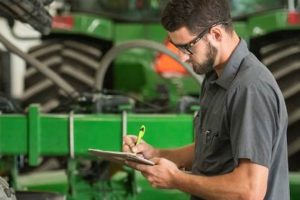
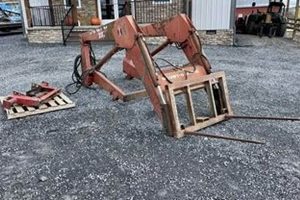
The maintenance and repair of agricultural machinery is crucial for the smooth operation of any farming enterprise. This encompasses a wide array of activities, from routine servicing like oil changes and lubrication, to more complex overhauls involving engine repair, hydraulic system maintenance, and welding. A common example is replacing a worn-out bearing on a combine harvester during the harvest season, ensuring minimal downtime.
Timely and effective machinery maintenance offers numerous advantages. It minimizes disruptions during critical periods such as planting and harvesting, thereby preventing potential yield losses. Proper upkeep extends the lifespan of expensive equipment, offering a significant return on investment. Historically, farm machinery repair was a skill passed down through generations; however, modern equipment necessitates specialized knowledge and tools.
The subsequent sections will delve into specific challenges encountered during agricultural machinery repair, diagnostic techniques employed, essential tools and equipment required, and preventative maintenance strategies used to ensure optimal performance and longevity of vital farm implements.
Essential Considerations for Agricultural Machinery Maintenance
The following guidelines are intended to promote proactive and effective strategies for maintaining the operational readiness of agricultural machinery.
Tip 1: Prioritize Preventative Maintenance: Implementing a structured preventative maintenance schedule, adhering to manufacturer recommendations for servicing intervals, significantly reduces the likelihood of unexpected breakdowns. Regularly inspect fluid levels, filters, and belts.
Tip 2: Conduct Thorough Diagnostics: When a malfunction occurs, a systematic approach to diagnosis is crucial. Utilize diagnostic tools, such as multimeters and pressure gauges, to pinpoint the source of the problem before undertaking repairs. Consult technical manuals and schematics for assistance.
Tip 3: Employ Correct Tools and Techniques: The use of appropriate tools is imperative for safe and effective machinery maintenance. Using the wrong tool can damage components and increase the risk of injury. Refer to repair manuals for recommended tools and procedures.
Tip 4: Maintain Detailed Records: Accurate and comprehensive records of all maintenance and repairs performed on agricultural machinery are essential. These records provide a history of the equipment’s performance and can aid in identifying recurring issues. Note dates, parts replaced, and observations made.
Tip 5: Ensure Proper Lubrication: Lubrication is critical for reducing friction and wear on moving parts. Use the specified lubricants recommended by the manufacturer and follow lubrication schedules meticulously. Neglecting lubrication can lead to premature component failure.
Tip 6: Address Minor Issues Promptly: Small problems can escalate into major repairs if left unaddressed. Regularly inspect machinery for leaks, loose connections, and unusual noises. Addressing these issues promptly can prevent more significant damage and downtime.
Tip 7: Seek Professional Assistance When Needed: While some maintenance tasks can be performed in-house, complex repairs often require specialized expertise. When facing unfamiliar or challenging repairs, consult a qualified agricultural machinery technician.
Adherence to these considerations optimizes machinery lifespan, minimizes operational disruptions, and contributes to the overall efficiency of agricultural operations.
The following section will address common challenges in the maintenance and repair of agricultural machinery.
1. Diagnosis

Accurate diagnosis forms the bedrock of effective agricultural machinery maintenance. Without a precise understanding of the underlying fault, repair efforts can be misdirected, resulting in wasted time, unnecessary parts replacement, and, ultimately, continued equipment malfunction. The connection between diagnosis and the overall process of maintenance is one of direct cause and effect; a faulty diagnosis invariably leads to an ineffective or incomplete repair.
Consider, for instance, a tractor experiencing a loss of power. A superficial assessment might suggest a fuel system issue, prompting replacement of the fuel filter and pump. However, a comprehensive diagnostic approach, including compression testing and electronic control unit (ECU) analysis, might reveal a damaged turbocharger. Addressing the turbocharger deficiency directly resolves the power loss, whereas focusing solely on the fuel system constitutes a misdiagnosis and an ineffective repair.
In summary, the diagnostic phase is not merely a preliminary step but an integral component of effective agricultural equipment maintenance. Its precision directly dictates the efficiency and longevity of any subsequent repair. Investing in proper diagnostic tools and training is therefore critical for minimizing downtime and maximizing the lifespan of agricultural machinery.
2. Welding

Welding stands as an indispensable skill within the realm of agricultural machinery maintenance and repair. Its proficiency directly impacts the longevity and functionality of critical farm equipment.
- Structural Repairs
Welding is frequently employed to repair cracks, breaks, and deformations in structural components such as tractor frames, implement hitches, and machinery guards. A fractured frame, if left unattended, can compromise the integrity of the entire machine. Welding facilitates the restoration of structural strength, preventing further damage and potential safety hazards. For example, reinforcing a combine header frame after impact with an obstruction ensures continued harvesting operations.
- Component Fabrication and Modification
Welding allows for the fabrication of custom components or the modification of existing ones to better suit specific farming needs. Farmers may need to adapt machinery to accommodate unique soil conditions or crop types. Welding enables the creation of specialized brackets, mounts, or guards, enhancing the versatility and efficiency of existing equipment. An example is fabricating a custom mount for a GPS receiver on older machinery.
- Wear Surface Restoration
Components subject to abrasive wear, such as tillage implements and conveyor augers, can be rebuilt using welding techniques. Hardfacing, a specialized welding process, applies a wear-resistant alloy to surfaces prone to abrasion, extending their lifespan and reducing the frequency of replacements. Applying hardfacing to plowshares is a common practice, minimizing wear from soil friction.
- Emergency Repairs and Field Modifications
Welding is often essential for rapid repairs in the field, minimizing downtime during critical periods like planting and harvesting. Damaged equipment can be quickly returned to service, preventing significant yield losses. For instance, a broken axle on a planter can be temporarily repaired in the field with welding to ensure timely planting operations.
The multifaceted application of welding in farm equipment maintenance demonstrates its vital role. Welding not only facilitates repairs but also enables the customization and enhancement of machinery, ensuring sustained operational capabilities and contributing to overall farming productivity.
3. Hydraulics
Hydraulic systems are integral to the operation of much modern agricultural machinery. Their proper function is critical for performing tasks requiring significant force and precise control. Consequently, proficiency in diagnosing and rectifying hydraulic system faults is essential for effective agricultural equipment maintenance.
- Hydraulic Pumps and Motors
Hydraulic pumps generate the fluid pressure necessary to power hydraulic motors and cylinders. Failures in pumps, such as worn gears or seals, result in reduced pressure and diminished performance. Similarly, hydraulic motors, which convert hydraulic pressure into rotational motion, can suffer from internal leaks or component wear. Addressing pump and motor issues requires specialized diagnostic tools and repair procedures, impacting the operation of implements like loaders and harvesters.
- Hydraulic Cylinders
Hydraulic cylinders translate fluid pressure into linear motion, controlling the position and force of various machine components. Common issues include seal failures, rod damage, and cylinder bore wear. Cylinder malfunctions impede the accurate and controlled operation of attachments such as tillage implements and material handling equipment. Repair or replacement of cylinders ensures reliable function and prevents potential damage to other system components.
- Hydraulic Valves
Hydraulic valves regulate the flow and pressure of hydraulic fluid, directing it to the appropriate actuators. Valve failures, stemming from contamination, corrosion, or mechanical wear, can lead to erratic or non-functional hydraulic circuits. Diagnostic procedures involve pressure testing and valve inspection to identify the source of the malfunction. Maintaining valve integrity is critical for ensuring the precise control of hydraulic functions within agricultural machinery, influencing tasks from steering to boom operation.
- Hydraulic Hoses and Fittings
Hydraulic hoses and fittings are responsible for conveying hydraulic fluid between components. Deterioration of hoses due to age, abrasion, or chemical exposure can lead to leaks and pressure loss. Loose or corroded fittings compromise the integrity of the hydraulic system. Routine inspection and timely replacement of hoses and fittings are essential for preventing hydraulic failures and maintaining operational safety. Leaks lead to system inefficiency, environmental contamination, and potential equipment damage.
The interconnected nature of hydraulic components necessitates a systematic approach to diagnostics and repair. Neglecting hydraulic system maintenance compromises the functionality of diverse agricultural tasks, emphasizing the importance of skilled technicians and proactive maintenance strategies.
4. Electrics
The integration of electrical systems within agricultural machinery has expanded significantly, transforming diagnostic and repair procedures. Modern tractors, harvesters, and sprayers rely on intricate electrical networks for engine management, transmission control, sensor data acquisition, and operator interface functions. Consequently, an understanding of electrical principles and troubleshooting techniques is essential for effective farm equipment maintenance. The increasing complexity of these systems necessitates specialized diagnostic tools and skilled technicians capable of interpreting electrical schematics and utilizing multimeters, oscilloscopes, and diagnostic software.
Consider a combine harvester experiencing intermittent engine stalling. While mechanical issues might be suspected, the root cause could reside within the electrical system. A faulty crankshaft position sensor, for example, can disrupt engine timing and lead to stalling. Diagnosing this issue requires using a multimeter to verify sensor output voltage and comparing it to manufacturer specifications. Similarly, an erratic spray pattern in a self-propelled sprayer could stem from a malfunctioning solenoid valve controlling nozzle flow. Electrical testing can isolate the faulty valve, avoiding unnecessary replacement of other components. Furthermore, the proliferation of GPS-guided auto-steering systems underscores the dependence on reliable electrical connections and sensor functionality for precision agriculture.
In conclusion, electrical systems are no longer peripheral components but integral to the operation of most farm equipment. Competent electrical diagnostics and repair are critical for minimizing downtime and ensuring optimal machinery performance. The ability to interpret electrical schematics, utilize diagnostic tools, and troubleshoot complex circuits is paramount for maintaining the operational readiness of modern agricultural machinery, directly impacting productivity and profitability. Neglecting electrical system maintenance can lead to misdiagnosis, ineffective repairs, and costly disruptions to farming operations.
5. Engine Repair

Engine repair constitutes a cornerstone of agricultural machinery maintenance. The engine, as the prime mover, directly dictates the functionality and performance of tractors, combines, and other essential farm implements. Consequently, addressing engine malfunctions promptly and effectively is paramount for minimizing downtime and maintaining operational efficiency.
- Component Overhaul and Replacement
Engine repair often involves the overhaul or replacement of critical components, including pistons, cylinder liners, crankshafts, and camshafts. Wear and tear, resulting from prolonged operation or inadequate maintenance, necessitate these procedures. For example, a worn piston ring can lead to reduced compression, diminished power output, and increased oil consumption. Addressing this issue requires removing the cylinder head, extracting the piston, and replacing the worn ring. Neglecting such repairs results in escalating engine damage and eventual failure, halting critical farming operations.
- Fuel System Maintenance
The fuel system, responsible for delivering fuel to the engine, is subject to malfunctions such as injector clogging, pump failures, and fuel line leaks. Contaminated fuel or improper fuel storage practices exacerbate these issues. Malfunctioning fuel systems lead to reduced engine power, increased fuel consumption, and potentially engine damage. Cleaning or replacing fuel injectors, rebuilding fuel pumps, and repairing fuel lines are essential components of engine repair, ensuring optimal combustion and performance. For instance, cleaning clogged fuel injectors on a diesel tractor restores efficient fuel delivery, improving fuel economy and engine responsiveness.
- Cooling System Repairs
The engine cooling system, comprising the radiator, water pump, thermostat, and coolant hoses, regulates engine temperature, preventing overheating. Failures in the cooling system, such as radiator leaks, water pump impeller damage, or thermostat malfunctions, can result in catastrophic engine damage. Replacing a leaking radiator or a faulty water pump are common engine repair procedures, maintaining proper temperature control and preventing engine seizure. Overheating due to a malfunctioning thermostat can crack the cylinder head, necessitating extensive and costly repairs.
- Electrical System Integration
Modern agricultural engines rely on electrical systems for starting, ignition, and electronic control unit (ECU) operation. Starter motor failures, alternator malfunctions, and sensor malfunctions can impede engine starting or compromise engine performance. Replacing a faulty starter motor enables reliable engine starting, while repairing or replacing a malfunctioning alternator ensures proper battery charging. Addressing electrical issues within the engine system requires specialized diagnostic tools and knowledge, integral to effective engine repair.
The multifaceted nature of engine repair underscores its significance in maintaining the functionality of agricultural machinery. Proficiency in diagnosing and rectifying engine malfunctions is essential for preventing downtime, minimizing repair costs, and ensuring the continued productivity of farming operations. Comprehensive engine repair, encompassing component overhaul, fuel system maintenance, cooling system repairs, and electrical system integration, directly impacts the reliability and longevity of essential farm equipment.
6. Preventative Maintenance

Preventative maintenance is fundamentally linked to reducing the incidence of extensive repairs on agricultural equipment. The absence of routine inspections and servicing directly correlates with an increased likelihood of component failure and subsequent major repairs. For instance, neglecting to regularly lubricate bearings on a combine harvester leads to increased friction, accelerated wear, and eventual bearing seizure. This seemingly minor omission culminates in costly downtime during harvest season and the need for significant repairs, potentially involving the replacement of entire assemblies.
The concept of preventative maintenance extends beyond simple tasks to encompass a structured approach to equipment management. Adhering to manufacturer-recommended service intervals, performing regular fluid analysis, and proactively replacing wear items before failure significantly mitigates the risk of unexpected breakdowns. Consider the hydraulic system of a tractor; routine filter changes and oil analysis detect contaminants and prevent premature pump or valve failure. This proactive approach avoids costly hydraulic system overhauls and ensures consistent operational performance. Furthermore, detailed record-keeping of maintenance activities allows for the identification of recurring issues and the implementation of targeted preventative measures.
In summary, preventative maintenance is not merely an ancillary activity but an essential component of responsible farm equipment management. By prioritizing routine inspections, adhering to service schedules, and proactively addressing potential issues, operators can substantially reduce the need for extensive and costly repairs. This translates into minimized downtime, extended equipment lifespan, and enhanced overall operational efficiency, highlighting the practical and economic significance of a preventative maintenance strategy. A lack of preventative practices invariably leads to reactive ‘fixing’ of broken equipment, which is a less efficient and more costly approach in the long run.
7. Parts Sourcing

Effective parts sourcing is intrinsically linked to the timely and successful repair of agricultural machinery. The ability to procure the correct components quickly and efficiently directly impacts downtime and the overall cost of maintenance. Without reliable parts sourcing, even skilled technicians are unable to restore equipment to operational status.
- Original Equipment Manufacturer (OEM) Parts
OEM parts, sourced directly from the equipment manufacturer, offer guaranteed compatibility and adherence to original design specifications. While often more expensive, OEM parts provide assurance of quality and fit, reducing the risk of subsequent failures. A broken fuel injector on a late-model tractor, for example, may require an OEM replacement to ensure proper integration with the engine’s electronic control unit (ECU). The use of non-OEM parts in such instances could lead to performance issues or even engine damage.
- Aftermarket Parts
Aftermarket parts, manufactured by companies other than the OEM, offer a cost-effective alternative. However, quality and compatibility can vary significantly. Selecting reputable aftermarket suppliers is crucial to ensure that the parts meet acceptable standards. Replacing worn disc blades on a tillage implement with aftermarket blades can reduce maintenance costs, but careful consideration must be given to steel quality and hardness to prevent premature wear or breakage. The risk-reward balance must be carefully evaluated before opting for aftermarket components.
- Used and Salvaged Parts
Used and salvaged parts, sourced from dismantled machinery, can provide a viable option for repairing older equipment or addressing non-critical component failures. Salvaged parts are particularly useful for replacing obsolete components that are no longer available from the OEM or aftermarket suppliers. Finding a used transmission housing for a vintage tractor, for instance, can allow for the restoration of a valuable piece of equipment. However, used parts require careful inspection to ensure their integrity and functionality.
- Local Suppliers and Online Retailers
Accessing parts through local suppliers offers the advantage of immediate availability and personal assistance. Local dealers often maintain inventories of commonly replaced components and provide technical support. Online retailers, on the other hand, offer a broader selection and competitive pricing. A broken hydraulic hose on a combine, for example, can be quickly replaced by purchasing a replacement from a local parts supplier, minimizing downtime during harvest. The choice between local and online suppliers depends on the urgency of the repair and the availability of parts.
In conclusion, effective parts sourcing is a multifaceted process that requires careful consideration of cost, quality, and availability. Selecting the appropriate parts source is critical for ensuring the timely and successful repair of agricultural machinery, minimizing downtime, and maximizing operational efficiency. The ability to navigate the diverse landscape of parts suppliers and evaluate the suitability of different component options is an essential skill for anyone involved in the maintenance of farm equipment.
Frequently Asked Questions
The following section addresses common inquiries regarding the repair and upkeep of agricultural machinery. The information provided is intended to offer clarity on key aspects of equipment maintenance and troubleshooting.
Question 1: What is the most critical aspect of maintaining agricultural machinery?
Preventative maintenance constitutes the most critical aspect. Adhering to recommended service intervals and performing routine inspections reduces the likelihood of unexpected breakdowns during crucial operational periods.
Question 2: What diagnostic tools are essential for troubleshooting electrical problems in farm equipment?
A multimeter, oscilloscope, and diagnostic software are essential tools. These instruments facilitate the identification of circuit faults, sensor malfunctions, and communication errors within complex electrical systems.
Question 3: How frequently should hydraulic oil be changed in agricultural machinery?
Hydraulic oil change intervals vary depending on the equipment and operating conditions. However, regular oil analysis is recommended to determine the oil’s condition and identify contaminants that may compromise hydraulic system performance.
Question 4: What are the key indicators of engine wear in agricultural machinery?
Key indicators include reduced power output, increased oil consumption, excessive exhaust smoke, and unusual engine noises. These symptoms suggest potential problems with pistons, rings, bearings, or valves.
Question 5: Is it advisable to use aftermarket parts when repairing agricultural machinery?
Aftermarket parts can provide a cost-effective alternative to OEM components. However, selecting reputable suppliers and verifying compatibility are essential to ensure acceptable quality and performance. The long-term cost-effectiveness should be considered.
Question 6: What safety precautions should be observed when welding agricultural machinery?
Proper personal protective equipment (PPE), including a welding helmet, gloves, and fire-resistant clothing, is mandatory. Ensuring adequate ventilation and removing flammable materials from the welding area are also crucial for preventing accidents.
The preceding answers offer concise guidance on common maintenance inquiries. Prioritizing preventative measures, employing appropriate diagnostic tools, and adhering to safety protocols are vital for ensuring the reliable operation of agricultural machinery.
The subsequent section will discuss advanced techniques and technologies in agricultural machinery repair.
Fixing Farm Equipment
The preceding discussion has explored the multifaceted domain of fixing farm equipment, encompassing diagnostics, welding, hydraulics, electrics, engine repair, preventative maintenance, and parts sourcing. Proficiency across these areas is paramount for minimizing downtime, extending equipment lifespan, and ensuring the continued productivity of agricultural operations.
The ongoing evolution of agricultural technology necessitates a commitment to continuous learning and adaptation. Embracing advanced diagnostic techniques, adopting proactive maintenance strategies, and fostering a culture of meticulous equipment management are crucial for navigating the challenges of modern farming. The longevity and reliability of farm machinery are directly contingent upon the dedication to sound maintenance practices, ultimately impacting the economic viability of agricultural enterprises.
![Best DH Farm Equipment: [Year] Guide + More! | The Conscious Farmer | Sustainable Agriculture for a Healthier Planet](https://livingedgefarm.com/wp-content/uploads/2025/08/th-1937-300x200.jpg "Best DH Farm Equipment: [Year] Guide + More! The Conscious Farmer | Sustainable Agriculture for a Healthier Planet")