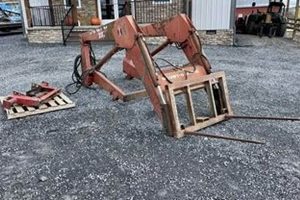
A structure designed to protect agricultural machinery from the elements, such as rain, snow, and sun, extending its lifespan and operational readiness. These buildings provide shelter for tractors, combines, planters, and other vital tools used in agricultural production, safeguarding significant capital investments.
The availability of secure housing for implements offers substantial advantages. It minimizes rust and corrosion, reduces the likelihood of theft or vandalism, and provides a controlled environment for routine maintenance and repairs. Historically, such structures evolved from simple open-sided shelters to fully enclosed buildings, reflecting the increasing value and complexity of agricultural technology.
Subsequent sections will address crucial aspects related to their design considerations, material selections, construction methodologies, and best practices for long-term maintenance and organization, providing a practical guide for optimizing the utilization of such agricultural storage solutions.
Optimizing Agricultural Machinery Housing
Effective utilization of structures designed for the protection of agricultural equipment requires careful planning and diligent maintenance. The following guidelines enhance functionality, longevity, and the overall return on investment.
Tip 1: Strategic Site Selection: Prioritize locations with adequate drainage to prevent water damage and foundation issues. Consider proximity to frequently used fields and access roads to minimize transport time and fuel consumption.
Tip 2: Adequate Size and Layout: Determine dimensions based on current and projected equipment needs. Incorporate sufficient maneuvering space for safe entry and exit, and allocate areas for maintenance and parts storage.
Tip 3: Robust Construction Materials: Select materials resistant to weathering, corrosion, and pest infestation. Steel framing and durable siding offer superior protection compared to less robust alternatives.
Tip 4: Controlled Environment Considerations: Implement ventilation systems to reduce moisture buildup and prevent rust. Consider insulation to mitigate temperature extremes, particularly in regions with harsh climates.
Tip 5: Security Measures: Install secure doors and locking mechanisms to deter theft and vandalism. Consider integrating alarm systems and surveillance cameras to enhance security.
Tip 6: Regular Maintenance Practices: Conduct routine inspections to identify and address potential issues such as leaks, structural damage, or pest infestations. Implement a preventative maintenance schedule to prolong the lifespan of the structure.
Tip 7: Optimized Organization: Implement a systematic approach to equipment storage and parts organization. Clearly label storage locations and maintain an inventory system to streamline retrieval and prevent loss.
The implementation of these tips enhances the protection and preservation of valuable agricultural assets, contributing to improved operational efficiency and reduced long-term costs.
The subsequent section will provide a comprehensive analysis of design elements and construction methodologies relevant to agricultural storage facilities.
1. Dimensions

Dimensions, pertaining to agricultural equipment storage, directly impact operational efficiency, equipment longevity, and overall cost-effectiveness. Careful consideration of spatial parameters is paramount to ensuring that the structure adequately serves its intended purpose.
- Equipment Footprint and Maneuvering Space
Sizing must accommodate the largest implements currently in use, with sufficient clearance for safe entry, exit, and internal maneuvering. Inadequate space increases the risk of collisions, damage, and inefficient workflows. For example, storing a combine harvester requires significantly more height and width than a smaller tractor, thus dictating minimum dimensional requirements.
- Anticipated Future Needs
Planning for potential equipment acquisitions is crucial. The structure should possess sufficient capacity to house anticipated future purchases without necessitating costly expansions or compromising accessibility. Ignoring future requirements can lead to overcrowding and inefficient storage practices as the farming operation grows.
- Maintenance and Repair Areas
Designated spaces for equipment maintenance and repair operations enhance efficiency and reduce the risk of damage. These areas require additional height and width to accommodate tools, equipment, and personnel. Integrating a maintenance bay within the structure streamlines workflows and minimizes downtime.
- Storage for Attachments and Implements
Dimensions must account for the storage of detachable implements, such as plows, planters, and sprayers. Vertical storage solutions, such as racking systems, can optimize space utilization. A well-organized storage system for attachments ensures quick access and minimizes the risk of damage or loss.
Accurate dimensional planning is fundamental to the functionality and long-term utility of structures designed for agricultural equipment storage. Optimizing spatial parameters directly contributes to enhanced operational efficiency, reduced equipment wear, and improved overall cost management for agricultural operations.
2. Materials
The selection of materials for agricultural equipment housing significantly impacts its durability, longevity, and overall cost-effectiveness. The material composition directly correlates with resistance to environmental factors, structural integrity, and maintenance requirements.
- Steel Framing and Sheeting
Steel offers high strength-to-weight ratio, resistance to pests, and non-combustibility. Galvanized or coated steel further enhances corrosion resistance in humid or coastal environments. Example: Pre-engineered steel buildings provide efficient construction and long-term durability for storing large agricultural machinery.
- Wood Framing and Siding
Wood provides a cost-effective and readily available option. Pressure-treated lumber resists rot and insect damage, extending service life. However, wood structures are susceptible to fire and require regular maintenance to prevent decay. Example: Post-frame buildings utilizing treated lumber offer a practical solution for smaller-scale agricultural operations.
- Concrete Foundations and Flooring
Concrete provides a stable, durable base that withstands heavy equipment loads. It prevents moisture intrusion and facilitates easy cleaning. Reinforced concrete increases structural integrity and resistance to cracking. Example: A concrete slab foundation ensures level support for stored machinery and simplifies maintenance procedures within the housing structure.
- Insulation and Roofing Materials
Insulation mitigates temperature fluctuations, reducing condensation and protecting equipment from extreme heat or cold. Roofing materials, such as metal or asphalt shingles, provide weather protection and prevent water damage. Example: Insulating the roof reduces internal temperature extremes, protecting sensitive electronic components in stored agricultural machinery from damage caused by overheating or freezing.
The appropriate selection and integration of these materials, contingent on environmental conditions, budgetary constraints, and operational needs, are crucial for optimizing the functionality, longevity, and overall return on investment for agricultural equipment housing facilities.
3. Location
The geographic placement of structures designed for agricultural equipment protection significantly influences operational efficiency, security, and long-term maintenance costs. Strategic site selection optimizes workflows and minimizes potential risks associated with environmental exposure and accessibility.
- Proximity to Fields and Operational Centers
Locating these structures near frequently used fields and main operational hubs reduces transit time, fuel consumption, and equipment wear. Minimizing the distance between storage and work areas enhances productivity and streamlines daily operations. Example: Positioning the housing unit centrally within a farm’s layout reduces the time required to deploy and retrieve equipment for various tasks.
- Accessibility and Road Infrastructure
The chosen site must ensure easy access for large machinery and transport vehicles. Adequate road infrastructure, including well-maintained access roads and sufficient turning radii, is crucial for safe and efficient equipment movement. Poor accessibility can lead to delays, increased risks of accidents, and higher transportation costs. Example: A storage shed situated on a paved road with ample clearance for oversized equipment facilitates year-round access, regardless of weather conditions.
- Environmental Considerations and Drainage
The location should minimize exposure to environmental hazards, such as flooding, high winds, and excessive sunlight. Proper drainage is essential to prevent water damage and foundation instability. Selecting a site with natural windbreaks or implementing artificial barriers can mitigate wind-related damage. Example: Elevating the foundation and implementing a robust drainage system protects stored equipment from water damage in areas prone to seasonal flooding.
- Security and Visibility
The location should promote visibility and deter unauthorized access. Positioning the structure in a well-lit area, away from secluded or obscured locations, enhances security. Implementing security measures such as fencing, surveillance cameras, and alarm systems can further reduce the risk of theft or vandalism. Example: Placing the housing unit near the main farmhouse or along a frequently traveled road increases visibility and discourages potential criminal activity.
These locational factors are integral to optimizing the utility and safeguarding the long-term value of assets housed within agricultural equipment protection structures. Prudent site selection contributes directly to enhanced operational efficiency, reduced maintenance costs, and improved overall farm management.
4. Security
The security of structures designed for agricultural equipment storage is a critical concern, directly impacting the financial stability and operational continuity of farming enterprises. The causal relationship between inadequate security measures and potential losses, due to theft, vandalism, or environmental damage, necessitates a comprehensive approach to safeguarding these valuable assets. The presence of effective security protocols is not merely an added benefit; it is a fundamental component of responsible farm management. For example, instances of equipment theft, ranging from small tools to entire tractors, are frequently reported in agricultural communities, leading to significant financial burdens and operational disruptions for affected farmers.
Practical applications of enhanced security range from physical barriers, such as reinforced doors and fencing, to technological solutions, including surveillance systems and remote monitoring capabilities. Motion-activated lighting deters potential intruders, while GPS tracking devices embedded within the equipment facilitate recovery in the event of theft. Regular inventory audits and the implementation of access control measures further enhance security protocols. Furthermore, collaborative efforts with local law enforcement and participation in community watch programs contribute to a safer environment for agricultural operations. The effectiveness of these measures hinges on their consistent application and ongoing evaluation to adapt to evolving security threats.
In summary, prioritizing security within the context of agricultural equipment storage is paramount to mitigating financial risks and ensuring operational resilience. The challenges associated with securing rural properties require a multifaceted approach, combining physical safeguards, technological solutions, and community engagement. Addressing these challenges is crucial for preserving the economic viability of farming operations and safeguarding the investments made in essential agricultural equipment.
5. Accessibility
Accessibility, in the context of agricultural equipment storage structures, directly influences operational efficiency, maintenance protocols, and emergency response capabilities. Efficient access is not merely a convenience but a critical determinant of productivity and equipment preservation.
- Doorway Dimensions and Clearance
Doorways must accommodate the largest pieces of equipment intended for storage. Insufficient height or width impedes entry and exit, increasing the risk of damage and delaying critical operations. Clearances must account for attachments, such as spray booms or harvesting heads. For example, a combine harvester requires significantly larger doorway dimensions compared to a standard tractor. Furthermore, the turning radius required for maneuvering equipment within the immediate vicinity of the structure necessitates adequate space.
- Ramp Inclination and Surface Material
Ramps, if present, must possess a gradual incline to facilitate the safe and efficient movement of heavy machinery. Excessive inclines pose a safety hazard and increase the strain on equipment during ingress and egress. Surface materials should provide adequate traction, particularly in wet or icy conditions. Concrete or textured asphalt are preferable to loose gravel or dirt. For example, a steep, gravel ramp presents a significant challenge for operators attempting to maneuver heavy machinery, especially when environmental conditions are unfavorable.
- Internal Layout and Organization
The internal layout must promote efficient movement and storage of equipment. Clear pathways, organized storage systems for attachments, and adequate lighting are essential. A poorly organized space impedes access to specific equipment, delays maintenance procedures, and increases the risk of accidents. For instance, a storage area cluttered with tools and disorganized parts bins can significantly lengthen the time required to locate and retrieve a specific item for a repair.
- Emergency Access and Egress
In the event of a fire or other emergency, rapid access and egress are paramount. The design must incorporate multiple exit points and clear pathways for personnel and emergency vehicles. Obstructions should be minimized to ensure swift evacuation. For example, a storage shed with only one narrow door presents a significant safety risk in the event of a fire, as it limits the ability of personnel to escape and emergency responders to enter the building.
The considerations outlined above collectively underscore the importance of integrating accessibility into the design and management of structures intended for agricultural equipment protection. These factors have a direct and measurable impact on productivity, safety, and the long-term preservation of valuable agricultural assets. Prioritizing accessibility is therefore a prudent investment that yields tangible benefits for farming operations of all sizes.
Frequently Asked Questions
This section addresses common inquiries concerning the design, construction, and maintenance of structures intended for the storage and protection of agricultural equipment. The information provided aims to offer clarity and guidance to individuals involved in agricultural operations.
Question 1: What are the primary factors influencing the optimal size of an equipment storage building?
The dimensions of agricultural implements currently in use, anticipated future equipment acquisitions, the inclusion of a maintenance area, and the storage of attachments collectively determine the optimal size. A comprehensive assessment of these factors ensures adequate space for current needs and future expansion.
Question 2: Which construction materials offer the greatest durability and longevity for these structures?
Steel framing and sheeting, combined with a concrete foundation, generally provide the most robust and long-lasting solution. These materials exhibit high resistance to environmental factors, pests, and fire, minimizing maintenance requirements and maximizing structural lifespan.
Question 3: How can security be effectively enhanced to protect stored equipment from theft and vandalism?
Implementing a multi-faceted approach, including reinforced doors, secure locking mechanisms, motion-activated lighting, surveillance systems, and regular patrols, significantly reduces the risk of theft and vandalism. Collaboration with local law enforcement agencies further strengthens security protocols.
Question 4: What are the key considerations for selecting an appropriate location for an equipment storage building?
Proximity to frequently used fields, accessibility via well-maintained roads, adequate drainage to prevent water damage, and visibility to deter unauthorized access are paramount. Careful site selection optimizes operational efficiency and minimizes potential risks.
Question 5: How can the internal layout of the structure be optimized to enhance accessibility and efficiency?
Clear pathways, organized storage systems for attachments and tools, and adequate lighting contribute to efficient equipment retrieval and maintenance procedures. A well-planned layout minimizes congestion and reduces the risk of accidents.
Question 6: What preventative maintenance measures should be implemented to prolong the lifespan of the storage building?
Regular inspections for leaks, structural damage, and pest infestations are essential. Promptly addressing minor issues prevents them from escalating into costly repairs. Maintaining proper ventilation and drainage further contributes to the longevity of the structure.
In summary, the effective management of agricultural equipment storage requires careful consideration of size, materials, security, location, layout, and maintenance protocols. Implementing best practices in these areas ensures the protection of valuable assets and contributes to the long-term success of agricultural operations.
The subsequent section will explore specific design considerations for optimizing the functionality and efficiency of agricultural equipment storage facilities.
Farm Equipment Storage Shed
This exploration has underscored the significance of the farm equipment storage shed as a vital component of modern agricultural operations. From its fundamental role in protecting valuable machinery to its impact on operational efficiency and security, the careful planning, construction, and maintenance of such a structure directly correlates with the long-term success of farming enterprises. Key considerations, including optimal sizing, durable materials, strategic location, robust security measures, and efficient accessibility, have been examined to provide a comprehensive understanding of the factors influencing the effectiveness of such facilities.
The future of agricultural productivity is inextricably linked to the responsible management of resources, and the provision of adequate protection for essential equipment is paramount. As agricultural technology continues to advance and the costs associated with machinery ownership increase, investing in a well-designed and properly maintained farm equipment storage shed represents a prudent strategy for mitigating risks, maximizing returns, and ensuring the sustainability of agricultural operations. Further research and innovation in this area will undoubtedly contribute to even greater efficiencies and enhanced security measures, benefiting the agricultural community for generations to come.

![Best DH Farm Equipment: [Year] Guide + More! | The Conscious Farmer | Sustainable Agriculture for a Healthier Planet](https://livingedgefarm.com/wp-content/uploads/2025/08/th-1937-300x200.jpg "Best DH Farm Equipment: [Year] Guide + More! The Conscious Farmer | Sustainable Agriculture for a Healthier Planet")