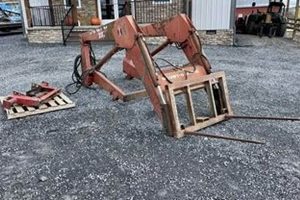
A structure designed to protect agricultural machinery and tools from the elements. This type of building provides shelter from rain, snow, sun, and wind, safeguarding valuable investments and extending the lifespan of tractors, combines, plows, and other essential implements. For example, a substantial steel structure might house multiple tractors, planters, and sprayers, ensuring they remain in optimal working condition.
Protection of agricultural assets significantly reduces maintenance costs and downtime. Preventing rust, corrosion, and damage from weather events preserves the functionality and value of the machinery. This protection is especially critical in regions with harsh climates, where extreme temperatures and precipitation can quickly degrade unprotected equipment. Historically, such shelters were simpler, often constructed of wood; modern versions frequently utilize steel or engineered fabrics for enhanced durability and weather resistance.
The following sections will delve into the key considerations for design, construction, and maintenance of these structures, along with a review of different types and materials best suited to various agricultural needs and budgets. Specific aspects, such as site selection, foundation requirements, ventilation strategies, and security measures, will also be addressed to offer a complete overview.
Essential Considerations for Farm Equipment Sheltering
Optimal management of agricultural infrastructure necessitates careful planning and execution. Effective strategies for sheltering machinery contribute to operational efficiency and long-term cost savings. The subsequent points offer key considerations for those seeking to establish or upgrade storage solutions for valuable agricultural assets.
Tip 1: Site Selection: Prioritize a location with adequate drainage and accessibility. Consider proximity to frequently used fields and existing infrastructure. A level surface minimizes the need for extensive grading and foundation work. Soil composition should be suitable to support the structure’s weight.
Tip 2: Size and Capacity Planning: Accurately assess current and projected equipment needs. Plan for future expansion. Measure all equipment dimensions, including attachments and operating clearances, before determining the building’s footprint. Overestimating space requirements is preferable to underestimation.
Tip 3: Material Selection: Evaluate various construction materials based on durability, cost, and resistance to environmental factors. Steel provides excellent strength and weather resistance. Wood offers a more traditional aesthetic but requires regular maintenance. Engineered fabrics provide a cost-effective and rapidly deployable option.
Tip 4: Ventilation Design: Implement a proper ventilation system to minimize moisture buildup and condensation. Adequate airflow reduces the risk of rust and corrosion. Consider natural ventilation strategies, such as ridge vents and sidewall openings. Mechanical ventilation may be necessary in humid climates.
Tip 5: Foundation Requirements: Select a foundation type appropriate for the soil conditions and building size. Concrete slabs provide a stable and durable base. Gravel pads offer a more economical option for smaller structures. Ensure the foundation extends below the frost line to prevent heaving.
Tip 6: Security Measures: Implement security measures to deter theft and vandalism. Install sturdy doors and locking mechanisms. Consider security lighting and surveillance cameras. Secure valuable tools and equipment within the shelter to further minimize risk.
Tip 7: Regulatory Compliance: Ensure compliance with all applicable building codes and zoning regulations. Obtain necessary permits before commencing construction. Consult with local authorities to understand specific requirements.
Adherence to these guidelines promotes the long-term preservation of valuable agricultural equipment. Strategically planned and well-maintained shelters represent a prudent investment in operational sustainability.
The following sections will expand upon these considerations, providing detailed insights into the financial planning and budgeting processes associated with effective shelter construction and maintenance.
1. Protection

The primary function of a farm equipment shed is the protection of valuable agricultural machinery and tools. This protection directly mitigates the detrimental effects of environmental exposure. Unprotected equipment is subject to accelerated degradation due to rain, snow, direct sunlight, and temperature fluctuations. Corrosion, rust, and material fatigue are direct consequences of this exposure, leading to increased maintenance costs and a reduced operational lifespan for the equipment. For example, leaving a tractor exposed to the elements during winter months can lead to frozen engine components and corrosion of electrical systems, resulting in costly repairs and downtime during critical planting or harvesting seasons.
The protective barrier provided by a farm equipment shed extends beyond weather mitigation. It also offers a degree of security against theft and vandalism, especially when combined with appropriate security measures such as secure doors, locking mechanisms, and surveillance systems. This is particularly important in rural areas where response times from law enforcement may be longer. Furthermore, organized storage within the shed prevents accidental damage caused by haphazard placement or inadequate space. For instance, safely storing tillage implements within a designated area of the shed prevents them from being inadvertently damaged by moving vehicles or other equipment.
In summary, the protection afforded by a farm equipment shed is a critical component of efficient farm management. The shed’s ability to shield machinery from environmental damage, deter theft, and facilitate organized storage directly translates to reduced maintenance expenses, extended equipment lifespan, and improved operational efficiency. However, the effectiveness of this protection is contingent upon proper shed design, construction, and maintenance. Regular inspections and proactive repairs are essential to ensure the shed continues to provide the necessary level of safeguarding for valuable agricultural assets.
2. Organization
Effective organization within a farm equipment shed is paramount for optimizing operational efficiency, minimizing downtime, and ensuring the longevity of stored assets. A well-organized space facilitates quick retrieval of necessary tools and machinery, reduces the risk of accidents, and promotes a systematic approach to maintenance and inventory management.
- Spatial Efficiency
Maximizing spatial efficiency involves strategically arranging equipment to utilize available space effectively. This can be achieved through vertical storage solutions, designated areas for specific types of machinery, and clear pathways for movement. For example, using shelving systems for smaller tools and spare parts frees up floor space for larger equipment. Proper spatial planning minimizes congestion, reduces the likelihood of collisions, and streamlines workflow during peak seasons.
- Categorization and Labeling
Implementing a clear categorization and labeling system enables quick identification and retrieval of items. This includes designating specific areas for tillage equipment, planting machinery, harvesting implements, and general tools. Clearly labeling shelves, bins, and storage containers with descriptive names prevents confusion and reduces search time. A well-defined categorization system ensures that personnel can locate the required tools and equipment without delay, particularly during time-sensitive operations.
- Inventory Management
Maintaining an accurate inventory of tools, parts, and supplies is essential for proactive maintenance and preventing unexpected equipment downtime. This involves tracking the quantity and location of each item within the shed. Implementing a digital inventory management system, or maintaining a detailed log, allows farm managers to monitor stock levels, anticipate replacement needs, and avoid costly delays caused by missing or unavailable parts. Regular inventory checks ensure that all necessary components are readily accessible when required.
- Safety and Accessibility
Organizing the farm equipment shed with safety and accessibility in mind reduces the risk of accidents and injuries. Storing heavy or potentially hazardous items in designated areas with appropriate safety precautions minimizes the potential for incidents. Ensuring clear pathways and adequate lighting facilitates safe movement within the shed. Properly storing chemicals and flammable materials in accordance with safety regulations is crucial for preventing fires and other hazardous situations.
In conclusion, the principles of organization directly impact the functionality and safety of a farm equipment shed. A systematically organized shed not only enhances operational efficiency but also contributes to a safer and more productive work environment. By prioritizing spatial efficiency, categorization, inventory management, and safety, farm managers can ensure that their equipment shed supports the overall success of their agricultural operations.
3. Accessibility
Accessibility, in the context of a farm equipment shed, refers to the ease with which machinery, tools, and materials can be retrieved, utilized, and stored. Efficient accessibility directly impacts operational workflow, maintenance schedules, and overall productivity. The design and layout of the structure significantly influence this attribute, dictating the speed and ease with which farm personnel can access essential resources.
- Doorway Dimensions and Placement
Doorway dimensions must accommodate the largest pieces of equipment intended for storage within the shed. Insufficient doorway width or height restricts access and necessitates time-consuming maneuvers. Strategic placement of doorways, considering prevailing wind direction and common traffic patterns, minimizes disruption and optimizes equipment ingress and egress. For instance, a doorway located on the leeward side of the building reduces snow accumulation and facilitates easier access during winter months.
- Internal Layout and Aisle Width
The internal layout should prioritize clear aisles and designated storage zones for specific types of equipment and materials. Adequate aisle width allows for safe and efficient movement of machinery and personnel, minimizing the risk of collisions and damage. A well-planned layout ensures that frequently used items are readily accessible, while less frequently used items are stored in more remote locations. For example, implements needed for daily tasks should be positioned closer to the entrance than seasonal equipment.
- Ramps and Loading Docks
Ramps and loading docks facilitate the loading and unloading of equipment and materials, particularly for items stored on elevated platforms or within trailers. The slope of ramps must adhere to safety standards to prevent slippage and ensure ease of use for heavy machinery. Loading docks should be appropriately sized and positioned to accommodate various types of vehicles and trailers. These features are particularly crucial for farms that handle large volumes of materials or utilize specialized equipment.
- Lighting and Visibility
Adequate lighting and visibility are essential for safe and efficient operation within the farm equipment shed, particularly during inclement weather or nighttime hours. Sufficient ambient lighting reduces the risk of accidents and facilitates accurate identification of tools and equipment. The strategic placement of lighting fixtures ensures that all areas of the shed are well-illuminated, eliminating shadows and dark corners. For instance, installing high-bay lighting fixtures provides ample illumination for large storage areas.
The accessibility of a farm equipment shed is a critical determinant of its overall utility. By carefully considering doorway dimensions, internal layout, ramps, and lighting, farm operators can create a storage environment that promotes efficiency, safety, and productivity. A well-designed and maintained shed with optimal accessibility translates to reduced labor costs, minimized downtime, and improved overall farm management.
4. Durability
Durability represents a critical attribute of any farm equipment shed, directly influencing its longevity, maintenance requirements, and overall return on investment. The capacity of the structure to withstand environmental stressors and operational demands determines its ability to protect valuable agricultural assets over an extended period.
- Material Selection and Structural Integrity
The choice of construction materials significantly impacts the structure’s durability. Steel, known for its high strength-to-weight ratio and resistance to pests, is a common choice for framing and cladding. Wood, while aesthetically appealing, requires regular treatment to prevent rot and insect infestation. Concrete provides a durable foundation that resists settling and cracking. Structural integrity, achieved through proper engineering and construction techniques, ensures the building can withstand wind loads, snow accumulation, and seismic activity. A poorly constructed shed, regardless of material, is susceptible to premature failure.
- Resistance to Environmental Factors
A durable farm equipment shed must resist the corrosive effects of moisture, extreme temperatures, and ultraviolet (UV) radiation. Galvanized steel, powder-coated surfaces, and pressure-treated lumber offer enhanced protection against these elements. Proper ventilation minimizes condensation buildup, reducing the risk of rust and decay. UV-resistant cladding materials prevent fading and degradation from prolonged sun exposure. Failure to mitigate environmental factors leads to accelerated deterioration and costly repairs.
- Impact Resistance and Load-Bearing Capacity
The structure should withstand potential impacts from machinery, equipment, and debris. Reinforced walls and protective barriers safeguard against accidental collisions. The roof must support anticipated snow loads and withstand high winds without collapsing. Proper engineering calculations ensure the structure’s load-bearing capacity meets or exceeds local building codes. Insufficient impact resistance can lead to structural damage and compromise the shed’s protective function.
- Foundation Stability and Soil Conditions
A stable foundation is crucial for maintaining the structural integrity of the shed over time. Concrete foundations, properly designed and poured, provide a solid base that resists settling and shifting. The type of soil on which the shed is built significantly impacts foundation stability. Expansive soils, prone to swelling and shrinking with changes in moisture content, require specialized foundation designs. Poor soil conditions can lead to cracking, heaving, and eventual structural failure.
The interplay of these facets determines the overall durability of a farm equipment shed. Investing in durable materials, sound construction practices, and proactive maintenance is essential for ensuring the structure provides reliable protection for valuable agricultural equipment, minimizing long-term costs and maximizing operational efficiency.
5. Maintenance
Consistent maintenance is essential for preserving the functionality and extending the lifespan of a farm equipment shed. Neglecting upkeep can compromise the structure’s integrity, reduce its protective capabilities, and ultimately lead to costly repairs or premature replacement. A proactive maintenance program is therefore a critical component of responsible farm management.
- Structural Inspections and Repairs
Regular structural inspections are necessary to identify signs of damage or deterioration. These inspections should encompass the foundation, framing, roofing, and cladding. Promptly addressing issues such as cracks, corrosion, or rot prevents minor problems from escalating into major structural weaknesses. For example, repairing a small leak in the roof can prevent water damage to stored equipment and the building’s internal framework. Timely repairs preserve the shed’s integrity and ensure its continued ability to withstand environmental stressors.
- Ventilation System Maintenance
Maintaining the ventilation system is crucial for controlling moisture levels within the shed. Proper ventilation minimizes condensation, which can lead to rust, corrosion, and mold growth. Regularly cleaning vents and ensuring proper airflow prevents the buildup of dust, debris, and pests. For instance, clearing obstructions from ridge vents and sidewall openings maximizes natural ventilation. Periodically inspecting and servicing mechanical ventilation systems ensures they operate efficiently and effectively. Optimizing ventilation contributes to a drier, healthier storage environment for agricultural equipment.
- Door and Hardware Maintenance
Functional doors and hardware are essential for securing the shed and providing easy access. Regularly lubricating hinges, latches, and tracks ensures smooth operation and prevents premature wear. Inspecting doors for damage, such as warping or cracking, and making necessary repairs maintains their structural integrity and security. Maintaining weatherproof seals around doors minimizes drafts and prevents water intrusion. For example, replacing worn weather stripping can significantly reduce heat loss and prevent moisture damage. Properly functioning doors and hardware are critical for both security and operational efficiency.
- Groundskeeping and Drainage Maintenance
Maintaining the grounds surrounding the shed and ensuring proper drainage prevent water accumulation around the foundation. Clearing vegetation, grading the soil, and cleaning drainage ditches channel water away from the structure, minimizing the risk of flooding and erosion. Addressing drainage issues promptly prevents water damage to the foundation and surrounding soil. For example, installing or repairing culverts can effectively redirect stormwater runoff. Proper groundskeeping and drainage maintenance contribute to the long-term stability and integrity of the farm equipment shed.
In conclusion, consistent and thorough maintenance is not merely an optional expense but rather an integral component of safeguarding a farm equipment shed and the valuable assets it protects. By prioritizing structural inspections, ventilation system upkeep, door and hardware maintenance, and groundskeeping, farm operators can significantly extend the lifespan of their equipment shelters and minimize the risk of costly repairs. The investment in proactive maintenance ultimately translates to improved operational efficiency, reduced long-term costs, and enhanced farm management.
Frequently Asked Questions
This section addresses common inquiries regarding the planning, construction, and maintenance of agricultural equipment storage structures. The information presented aims to provide practical guidance for informed decision-making.
Question 1: What are the primary factors influencing the optimal size determination?
The dimensions of the largest machinery to be housed, including attachments and anticipated future acquisitions, dictate the minimum footprint. Consider also the need for workspace around equipment for maintenance and repairs.
Question 2: Which foundation type is most suitable for varying soil conditions?
Concrete slabs provide stability on most soil types. Gravel pads offer a less expensive alternative for smaller structures in well-drained areas. Expansive soils may require specialized foundation designs, such as pier and beam systems, to mitigate movement.
Question 3: What are the critical considerations for adequate ventilation implementation?
Natural ventilation, achieved through ridge vents and sidewall openings, is generally sufficient in moderate climates. Humid environments may necessitate mechanical ventilation to prevent moisture buildup and corrosion.
Question 4: How frequently should structural inspections be conducted?
Annual inspections are recommended to identify potential issues such as corrosion, rot, or structural damage. More frequent inspections may be warranted in areas prone to extreme weather events.
Question 5: What security measures are recommended to deter theft and vandalism?
Sturdy doors with robust locking mechanisms, security lighting, and surveillance cameras are effective deterrents. Securing valuable tools and equipment within the structure further minimizes risk.
Question 6: How does proper drainage maintenance contribute to the structure’s longevity?
Effective drainage channels water away from the foundation, preventing erosion and structural damage caused by moisture. Regular cleaning of drainage ditches and culverts is essential.
Diligent planning and adherence to best practices in construction and maintenance are paramount for maximizing the value and longevity of agricultural equipment storage structures.
The subsequent section will explore case studies illustrating successful implementation of storage solutions for diverse agricultural operations.
Conclusion
This exploration has underscored the vital role of a farm equipment shed in modern agricultural operations. From its function as a protector against environmental degradation and a deterrent to theft, to its influence on workflow efficiency and operational longevity, the significance of this structure is undeniable. The considerations presented, encompassing site selection, material choices, maintenance protocols, and security implementation, serve as essential guidelines for those seeking to optimize their agricultural infrastructure.
The long-term viability of any farm is intricately linked to the strategic management of its assets. The farm equipment shed, when thoughtfully designed and meticulously maintained, represents a tangible investment in that future. Its contribution to reducing downtime, minimizing repair costs, and safeguarding valuable machinery positions it as a cornerstone of sustainable and profitable agricultural practices. Further research and continued innovation in this domain will undoubtedly lead to even more efficient and resilient solutions for sheltering the essential tools of modern agriculture.

![Best DH Farm Equipment: [Year] Guide + More! | The Conscious Farmer | Sustainable Agriculture for a Healthier Planet](https://livingedgefarm.com/wp-content/uploads/2025/08/th-1937-300x200.jpg "Best DH Farm Equipment: [Year] Guide + More! The Conscious Farmer | Sustainable Agriculture for a Healthier Planet")