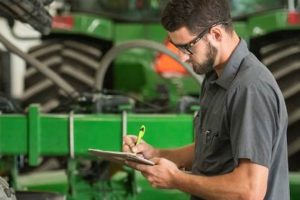
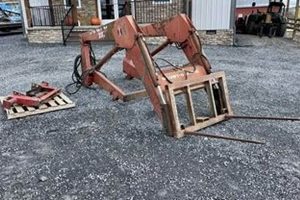
The servicing and restoration of agricultural machinery constitutes a critical function in maintaining operational efficiency within the farming sector. This encompasses a wide array of activities, from routine maintenance such as oil changes and lubrication, to more complex procedures including engine overhauls, hydraulic system diagnostics, and welding repairs. An example would be replacing a worn-out combine harvester belt to ensure efficient crop gathering during harvest season.
Effective upkeep and prompt rectification of malfunctions are paramount to minimizing downtime and maximizing productivity in agricultural operations. Historically, farmers performed most of their own machinery maintenance. However, the increasing complexity of modern equipment often necessitates specialized knowledge and tools, leading to a growing reliance on professional technicians and repair services. This ensures continued functionality during critical periods like planting and harvesting, directly impacting profitability and food security.
The following sections will delve into specific areas related to maintaining agricultural machinery, covering preventative measures, common issues encountered, and the evolving landscape of repair techniques and technologies. Emphasis will be placed on strategies that contribute to long-term equipment reliability and cost-effective management practices. These strategies are fundamental to sustaining a viable and productive agricultural enterprise.
Essential Guidance for Agricultural Machinery Maintenance
The following recommendations are designed to assist in maintaining the operational readiness and longevity of agricultural machinery, contributing to efficient farming practices.
Tip 1: Implement a Regular Maintenance Schedule: Adhering to a manufacturer-recommended maintenance schedule is crucial. This includes routine tasks such as oil and filter changes, lubrication of moving parts, and inspection of belts and hoses. Consistent adherence minimizes the likelihood of major component failure.
Tip 2: Conduct Pre-Season Inspections: Prior to the start of each planting or harvesting season, a thorough inspection of all equipment is advised. This includes checking tire pressure, hydraulic fluid levels, and electrical systems. Addressing minor issues preemptively prevents potential breakdowns during critical operational periods.
Tip 3: Prioritize Cleanliness: Regularly cleaning agricultural machinery is essential for preventing corrosion and ensuring optimal performance. Removing accumulated debris, such as mud, crop residue, and dust, reduces the risk of overheating and premature wear of components.
Tip 4: Maintain Accurate Records: Maintaining detailed records of all maintenance activities, repairs, and parts replacements is beneficial. These records provide a valuable history of equipment performance, aiding in the identification of recurring issues and facilitating informed decision-making regarding future upkeep.
Tip 5: Store Equipment Properly: When machinery is not in use, proper storage is vital. This includes sheltering equipment from the elements, covering exposed components, and ensuring that batteries are properly disconnected or maintained to prevent corrosion and degradation.
Tip 6: Address Minor Issues Promptly: Even seemingly minor malfunctions, such as a loose bolt or a minor leak, should be addressed immediately. Neglecting small issues can lead to more significant problems and costly repairs down the line.
Tip 7: Invest in Operator Training: Proper operation is critical to maintaining equipment health. Ensure operators are thoroughly trained in correct operating procedures, maintenance tasks, and troubleshooting steps.
Consistent application of these strategies contributes to enhanced equipment reliability, reduced downtime, and optimized resource utilization in agricultural operations. The integration of these practices forms the cornerstone of a proactive and efficient approach to machinery management.
The subsequent sections will explore further aspects of machinery management, focusing on diagnostic techniques and advanced repair methodologies.
1. Diagnosis

Accurate diagnosis is the foundational element of effective farm equipment servicing. It directly influences the efficiency and cost-effectiveness of rectification measures, preventing unnecessary parts replacements and minimizing downtime. A precise assessment of the issue allows for targeted interventions, ensuring optimal equipment performance.
- Electronic Control Unit (ECU) Diagnostics
Modern agricultural machinery incorporates sophisticated electronic control units that manage various functions. Diagnostic tools capable of interfacing with these ECUs are essential for identifying sensor malfunctions, software glitches, and communication errors. For instance, a malfunctioning sensor might cause the engine to run inefficiently, leading to increased fuel consumption and potential engine damage. Accurate ECU diagnostics can pinpoint the faulty sensor, enabling a targeted replacement and restoring optimal engine performance.
- Hydraulic System Analysis
Hydraulic systems are critical for powering various implements in tractors and harvesters. Diagnostic procedures include pressure testing, flow rate measurement, and leak detection. A drop in hydraulic pressure, for example, might indicate a pump failure or a leak in the system. Identifying the source of the pressure loss allows for a targeted repair, such as replacing a faulty pump or repairing a leaking hose, preventing further system damage.
- Engine Performance Testing
Engine performance testing involves evaluating parameters such as compression, fuel delivery, and exhaust emissions. These tests can reveal underlying issues such as worn piston rings, faulty injectors, or valve problems. For instance, a compression test might reveal worn piston rings, leading to reduced power output and increased oil consumption. Replacing the worn rings restores compression and improves engine efficiency.
- Visual Inspection and Component Assessment
A thorough visual inspection is a crucial aspect of diagnosis, often revealing obvious signs of wear, damage, or corrosion. Component assessment involves evaluating the condition of belts, hoses, bearings, and other critical parts. A cracked belt, for example, might be identified during visual inspection, preventing a complete belt failure and potential damage to other components. Replacing the cracked belt ensures continued reliable operation.
In essence, the effectiveness of maintaining agricultural machinery is directly correlated with the accuracy and comprehensiveness of the diagnostic process. Employing appropriate tools and techniques ensures that maintenance efforts are focused, efficient, and ultimately contribute to the longevity and reliability of essential farming equipment. A correct diagnosis saves time and resources, enhancing the economic viability of agricultural operations.
2. Welding

Welding plays a fundamental role in farm equipment servicing, directly impacting the structural integrity and operational lifespan of agricultural machinery. The physical stresses and demanding conditions inherent in farming operations inevitably lead to component fatigue, fractures, and wear. Welding techniques provide a means to rectify these issues, restoring functionality and extending the useful life of equipment that would otherwise require costly replacement. For example, a cracked tractor frame, resulting from prolonged use in uneven terrain, can be effectively repaired through welding, preventing further structural damage and ensuring safe operation.
The application of welding in farm equipment servicing extends beyond simple fracture repair. It is also crucial in fabricating custom parts, reinforcing existing structures, and modifying equipment to meet specific operational needs. Consider the case of a damaged plowshare; rather than replacing the entire implement, a skilled welder can repair or fabricate a new plowshare, significantly reducing expenses. Furthermore, welding is instrumental in adapting machinery for specialized tasks, such as adding reinforcement to a trailer for hauling heavier loads or modifying a harvesting head for specific crop types. These adaptations enhance versatility and operational efficiency on the farm.
In summary, welding is an indispensable skill and technique within the realm of farm equipment servicing. Its application encompasses a wide spectrum of repairs, modifications, and fabrications, all contributing to the sustained functionality and economic viability of agricultural operations. The proficiency of welding technicians directly impacts the durability and adaptability of farming machinery, highlighting the critical importance of this skill in maintaining agricultural productivity.
3. Hydraulics
Hydraulic systems are integral to the operation of a significant proportion of agricultural machinery, making their proper functioning critical to efficient farming practices. The power steering, braking systems, and implement control mechanisms of tractors, combines, and other equipment rely on hydraulic pressure to function effectively. A failure within the hydraulic system can therefore lead to a complete cessation of operations or, more critically, a safety hazard. For instance, a leak in the hydraulic line of a tractor’s braking system can result in brake failure, potentially causing accidents. Prompt and accurate diagnosis and rectification of hydraulic system issues are therefore essential elements within agricultural equipment servicing.
Servicing these systems necessitates specialized knowledge and equipment. Pressure testing, flow rate measurement, and component inspection are common diagnostic procedures. Leak detection is paramount, often involving specialized dyes or electronic detectors to pinpoint the source of the leak. Common hydraulic issues include pump failures, cylinder leaks, valve malfunctions, and hose ruptures. The repair process may involve replacing seals, rebuilding cylinders, replacing pumps, or repairing or replacing hoses. Precise assembly and adherence to manufacturer specifications are critical to ensure the continued reliable operation of the hydraulic system. Consider the example of a combine harvester where the header lift mechanism fails due to a faulty hydraulic cylinder. Replacing the cylinder and ensuring proper system pressure are essential to resuming harvesting operations.
The effective servicing of hydraulic systems in agricultural machinery demands a comprehensive understanding of hydraulic principles, specialized tooling, and adherence to stringent safety protocols. Proper maintenance and timely rectification of faults contribute directly to operational efficiency, equipment longevity, and, most importantly, the safety of agricultural workers. Neglecting hydraulic maintenance can result in costly downtime, potential equipment damage, and increased risk of accidents. A proactive approach to hydraulic system upkeep is, therefore, a fundamental element of responsible farm equipment management.
4. Engine Overhaul

Engine overhaul stands as a significant undertaking within the broader scope of agricultural machinery servicing. It represents a comprehensive intervention aimed at restoring an engine to its original operating condition, effectively mitigating the cumulative effects of wear and tear experienced over time. The decision to undertake an engine overhaul is typically driven by a demonstrable decline in engine performance, evidenced by reduced power output, increased fuel consumption, or excessive oil usage.
- Cylinder Head Refurbishment
The cylinder head, a critical engine component, undergoes significant stress during operation. Overhaul procedures include valve grinding, seat replacement, and resurfacing to ensure proper sealing and compression. For instance, worn valve seats can lead to compression loss and reduced engine efficiency. Refurbishment restores optimal sealing, improving combustion and overall engine performance.
- Piston and Ring Replacement
Pistons and piston rings are subject to constant friction and high temperatures. Over time, wear on these components can lead to reduced compression and increased oil consumption. Replacing worn pistons and rings restores proper sealing, improving engine power and reducing oil leakage. This is particularly relevant in older tractors where piston ring wear is a common cause of engine inefficiency.
- Crankshaft and Bearing Inspection/Replacement
The crankshaft, the engine’s main rotating component, and its associated bearings are crucial for smooth engine operation. Inspection involves checking for wear, cracks, and proper alignment. Worn bearings can cause excessive engine noise and reduced oil pressure. Replacing worn bearings and, if necessary, regrinding or replacing the crankshaft, ensures proper engine balance and lubrication.
- Timing System Overhaul
The timing system, including the timing chain or belt and associated components, ensures the correct synchronization of valve opening and closing. Over time, wear on the timing system can lead to inaccurate valve timing, resulting in reduced engine performance and potential engine damage. Replacing worn timing components ensures accurate valve timing, restoring optimal engine performance and preventing potential catastrophic engine failure.
Collectively, these facets of engine overhaul contribute to the restoration of engine performance and the extension of its operational lifespan. The decision to undertake such extensive work is weighed against the cost of a complete engine replacement, considering the age, condition, and anticipated future use of the agricultural machinery. A properly executed engine overhaul can significantly prolong the service life of valuable equipment, representing a cost-effective alternative to complete replacement in many instances.
5. Parts Replacement

The replacement of components constitutes a fundamental aspect of agricultural equipment servicing, directly impacting the functionality and operational lifespan of machinery. The inevitable wear and tear associated with demanding agricultural tasks necessitates the periodic substitution of worn, damaged, or malfunctioning parts to maintain optimal performance and prevent catastrophic equipment failure.
- Wear Components
Specific components, such as plowshares, combine harvester teeth, and baler belts, are designed to endure significant abrasion and stress during normal operation. These “wear components” have a defined lifespan and require regular replacement to maintain operational efficiency. For example, worn plowshares result in inefficient tilling, requiring increased fuel consumption and reduced soil preparation quality. Timely replacement ensures optimal soil penetration and reduces operational costs.
- Hydraulic Components
Hydraulic systems, critical for powering various implements, are susceptible to leaks, pressure loss, and component failure. Seals, hoses, cylinders, and pumps require periodic replacement due to wear and degradation. A leaking hydraulic cylinder on a tractor’s loader, for example, compromises lifting capacity and can lead to complete system failure. Replacing the worn cylinder restores functionality and prevents further system damage.
- Engine Components
Engine components, including filters, spark plugs, belts, and hoses, require routine replacement as part of preventative maintenance schedules. Neglecting these replacements can lead to reduced engine performance, increased fuel consumption, and potential engine damage. A clogged air filter, for instance, restricts airflow to the engine, resulting in decreased power output and increased emissions. Replacing the air filter restores optimal engine performance.
- Electrical Components
Electrical systems, including wiring, sensors, and control units, are prone to corrosion, damage, and failure. Replacing faulty electrical components is essential to maintain proper equipment operation and prevent safety hazards. A corroded wiring harness on a combine harvester, for example, can lead to electrical shorts and potential fires. Replacing the damaged harness ensures safe and reliable operation of the combine’s electrical systems.
The effective and timely replacement of parts is a critical component of agricultural equipment servicing, ensuring optimal performance, extending equipment lifespan, and preventing costly breakdowns. Employing quality replacement parts and adhering to manufacturer-recommended maintenance schedules are essential practices for responsible farm equipment management, mitigating downtime and maintaining productivity.
6. Preventative Maintenance
Preventative maintenance constitutes a proactive strategy for mitigating the incidence and severity of farm equipment repairs. Its implementation focuses on scheduled inspections, servicing, and component replacements, designed to identify and address potential issues before they escalate into major malfunctions requiring extensive rectification.
- Scheduled Lubrication and Fluid Checks
Regular lubrication of moving parts reduces friction and wear, preventing premature component failure. Similarly, consistent fluid checks, including engine oil, hydraulic fluid, and coolant, ensure proper system function and prevent damage from contamination or low fluid levels. For example, neglecting to lubricate the bearings on a combine harvester’s header can lead to overheating and bearing seizure, necessitating a complete header overhaul. Adherence to a lubrication schedule significantly reduces this risk.
- Inspection and Adjustment of Belts and Hoses
Belts and hoses are susceptible to wear, cracking, and deterioration over time, potentially leading to slippage, leaks, or complete failure. Regular inspection and adjustment of belt tension, coupled with the timely replacement of worn or damaged hoses, prevents breakdowns during critical operational periods. A cracked radiator hose, if left unattended, can result in engine overheating and potential engine damage, actions that preventative maintenance avoids.
- Filter Replacement
Air, fuel, and oil filters remove contaminants from critical systems, preventing damage and maintaining optimal performance. Clogged filters restrict flow and reduce efficiency, potentially leading to engine damage, fuel inefficiency, and increased wear. Replacing filters according to manufacturer recommendations prevents these issues. For example, a clogged fuel filter can starve the engine of fuel, causing it to stall or run poorly, which preventative maintenance is designed to prevent.
- Component Inspection and Early Detection of Wear
A comprehensive visual inspection of all major components, including brakes, tires, electrical systems, and hydraulic systems, allows for the early detection of wear, damage, or potential problems. Addressing these issues proactively prevents minor problems from escalating into major failures requiring extensive repairs. Identifying a small leak in a hydraulic cylinder early on, for example, allows for a simple seal replacement, preventing a catastrophic cylinder failure that could halt operations.
The consistent application of preventative maintenance practices minimizes the need for unscheduled farm equipment repairs, reducing downtime, lowering overall maintenance costs, and extending the operational lifespan of valuable agricultural machinery. The economic benefits of preventative maintenance are realized through reduced repair expenses, increased equipment uptime, and enhanced productivity.
Frequently Asked Questions
The following section addresses commonly encountered inquiries regarding the maintenance and servicing of agricultural machinery, providing concise and informative responses.
Question 1: What constitutes a cost-effective strategy for minimizing farm equipment repair expenses?
Implementing a rigorous preventative maintenance program, adhering to manufacturer-recommended service intervals, and promptly addressing minor issues before they escalate into major malfunctions represent prudent strategies for mitigating repair expenditures.
Question 2: How frequently should farm equipment undergo routine maintenance procedures?
Maintenance intervals are contingent upon equipment type, usage intensity, and environmental conditions. Consultation with manufacturer guidelines and the establishment of a customized maintenance schedule are advisable.
Question 3: What are the indications that farm equipment requires professional servicing?
Observable declines in performance, unusual noises, fluid leaks, and the illumination of warning indicators on the equipment’s control panel necessitate professional diagnostic assessment.
Question 4: Is it advisable to perform farm equipment repairs independently, or should professional services be enlisted?
The complexity of modern agricultural machinery often necessitates specialized diagnostic tools, technical expertise, and adherence to safety protocols. Engaging qualified technicians is recommended, particularly for intricate repairs.
Question 5: How can the longevity of farm equipment be maximized?
Consistent adherence to preventative maintenance schedules, proper storage during periods of inactivity, careful operation within design parameters, and the prompt rectification of any observed malfunctions contribute to extended equipment lifespan.
Question 6: What is the typical turnaround time for farm equipment repairs?
Repair duration is contingent upon the nature of the malfunction, the availability of replacement parts, and the technician’s workload. Obtaining a preliminary estimate from the servicing provider is advisable.
Effective maintenance and timely rectification of issues are crucial for ensuring the reliability and longevity of agricultural machinery, contributing to efficient and productive farming operations.
The succeeding sections will explore advanced diagnostic techniques and emerging technologies in the field of farm equipment maintenance.
Conclusion
The preceding discussion has thoroughly explored the multifaceted nature of farm equipment repairs. From proactive preventative measures to the intricate processes of engine overhaul and hydraulic system maintenance, the consistent theme underscores the critical role of diligent upkeep in sustaining agricultural productivity. Accurate diagnostics, skillful welding, timely parts replacement, and adherence to recommended maintenance schedules are not merely reactive measures; they represent essential investments in the long-term viability of farming operations.
The continued advancement of agricultural technology necessitates a corresponding evolution in maintenance practices. Staying abreast of emerging diagnostic tools and repair methodologies is paramount for ensuring the reliable operation of increasingly complex machinery. A commitment to proactive maintenance and skilled intervention will remain vital to safeguarding the efficiency and profitability of agricultural endeavors in the face of evolving technological landscapes and increasing demands on farm equipment.
![Best DH Farm Equipment: [Year] Guide + More! | The Conscious Farmer | Sustainable Agriculture for a Healthier Planet](https://livingedgefarm.com/wp-content/uploads/2025/08/th-1937-300x200.jpg "Best DH Farm Equipment: [Year] Guide + More! The Conscious Farmer | Sustainable Agriculture for a Healthier Planet")