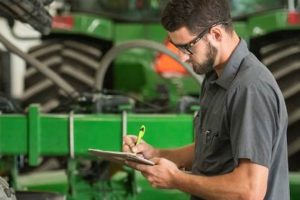
The individual who handles the operation and maintenance of machinery vital to agricultural production fulfills a critical role. This includes tractors, combines, planters, sprayers, and other specialized vehicles. Their tasks range from preparing land for planting to harvesting crops and managing livestock resources.
Proficiency in this area ensures efficiency and productivity within the agricultural sector. Safe and skillful usage of specialized vehicles contributes to increased yields, reduced waste, and optimal resource management. Historically, the evolution of these specialized roles has mirrored technological advancements, transforming farming practices from manual labor to mechanized operations, impacting economies and societies.
The following discussion will explore the responsibilities, required skills, technological advancements, safety protocols, and career prospects associated with this essential function in modern agriculture.
Guidance for Handling Farm Machinery
The following outlines key considerations for those engaged in the operation of agricultural machinery. Adhering to these points can significantly improve both productivity and safety in the field.
Tip 1: Prioritize Preventative Maintenance: Regular inspection and upkeep of all equipment is crucial. This includes checking fluid levels, tire pressure, belt tension, and lubrication points according to the manufacturer’s recommendations. Consistent maintenance minimizes downtime and prevents costly repairs.
Tip 2: Emphasize Thorough Pre-Operational Checks: Before commencing any task, conduct a complete walkthrough of the machine. Ensure all safety guards are in place, lights are functional, and controls are operating smoothly. Address any deficiencies before starting work.
Tip 3: Master Equipment Controls: Develop a comprehensive understanding of the machinery’s control systems and operational characteristics. Practice maneuvers in a controlled environment to build proficiency and confidence before operating in challenging field conditions.
Tip 4: Maintain Situational Awareness: Remain constantly vigilant of the surrounding environment. Identify potential hazards such as uneven terrain, overhead obstructions, and the presence of other individuals. Utilize mirrors and cameras to enhance visibility.
Tip 5: Adhere to Recommended Operating Speeds: Operating machinery within the prescribed speed limits is essential for both safety and efficiency. Excessive speed can lead to loss of control, equipment damage, and increased risk of accidents. Adjust speed according to field conditions and implement specifications.
Tip 6: Practice Safe Hitching Procedures: When connecting implements, ensure proper alignment and secure locking mechanisms. Always use appropriate safety chains and check for secure connections before operating machinery.
These guidelines aim to enhance operational safety and increase efficiency for those handling mechanized equipment. Attention to detail and proactive measures are paramount for success.
The following sections will delve into specific training and certifications relevant to this domain, furthering skills and competencies.
1. Precision equipment handling

The ability to execute precise equipment handling directly determines the effectiveness of a farm equipment operator. This involves operating machinery with accuracy and control, minimizing errors, and optimizing resource utilization. For instance, precise planting ensures uniform seed depth and spacing, contributing to consistent crop emergence and improved yields. Similarly, accurate application of fertilizers and pesticides reduces waste and minimizes environmental impact.
Proficiency in precision handling stems from a combination of factors, including comprehensive training, practical experience, and a thorough understanding of equipment capabilities. Operators must be adept at interpreting data from sensors and control systems, making real-time adjustments to optimize performance. For example, GPS-guided tractors demand precise steering and speed control to maintain accurate row alignment, minimizing overlap and maximizing field coverage.
Neglecting precision in equipment handling can lead to significant economic losses and environmental damage. Inaccurate spraying can result in uneven coverage, requiring repeat applications and increasing the risk of pesticide resistance. Suboptimal harvesting techniques can damage crops and reduce market value. Therefore, mastering precision equipment handling is not merely a desirable skill but a fundamental requirement for responsible and efficient agricultural practices. It is the farm equipment operator’s competence in this area that contributes substantially to the success and sustainability of modern farming.
2. Maintenance expertise required

A core competency for a farm equipment operator lies in maintaining and repairing the machinery utilized in agricultural production. This expertise is not merely a supplementary skill but an integral component of the role, directly influencing operational efficiency, safety, and the lifespan of the equipment. Without adequate maintenance knowledge, even the most skilled equipment handlers risk equipment failure, resulting in downtime and financial losses. For example, a harvester malfunctioning during peak harvest season due to lack of preventative maintenance can lead to significant crop spoilage and reduced profitability.
The required expertise encompasses a range of areas, from basic preventative maintenance tasks like oil changes and filter replacements to troubleshooting and repairing mechanical, hydraulic, and electrical systems. In an environment dependent on technological advancement, the necessity to diagnose and fix complications within GPS guidance systems or automated controls is becoming progressively important. Furthermore, the ability to fabricate or modify components in the field can prevent delays and allow for immediate problem resolution. A practical example would be an operator capable of welding a broken plowshare, preventing the interruption of planting operations during a critical weather window. The connection between equipment knowledge and operational effectiveness is thus irrefutable.
In conclusion, maintenance expertise is essential to the function of those using complex farm equipment. Developing and maintaining this competency requires continuous learning, practical experience, and a dedication to preventative care. By investing in training and promoting a culture of equipment stewardship, agricultural operations can mitigate risks, maximize productivity, and guarantee the sustainability of mechanized farming practices. The absence of maintenance expertise ultimately diminishes an equipment operator’s effectiveness and increases the potential for costly failures and delays, emphasizing its central role.
3. Safety protocol adherence

Adherence to established safety protocols is paramount for personnel operating mechanized equipment in agriculture. These protocols serve as a critical safeguard against accidents, injuries, and fatalities, mitigating risks inherent in the use of heavy machinery and hazardous materials. Compliance extends beyond simply understanding regulations; it requires a proactive and consistent commitment to safe operating practices.
- Pre-Operational Inspections
The meticulous inspection of equipment before each use forms the foundation of safety protocol adherence. This includes verifying the functionality of brakes, lights, and safety guards, as well as assessing the condition of tires and hydraulic systems. Failure to identify and address potential mechanical issues before operation significantly elevates the risk of equipment failure and subsequent accidents. For instance, neglecting to inspect brake functionality on a tractor operating on sloped terrain could result in a loss of control and a serious collision.
- Personal Protective Equipment (PPE) Utilization
Proper use of PPE is essential for mitigating the potential for injury. This includes wearing appropriate eye protection, hearing protection, gloves, and footwear. The specific PPE required varies depending on the task being performed, but the consistent use of appropriate protection significantly reduces the risk of exposure to hazards such as chemical splashes, dust inhalation, and physical impacts. For example, an operator handling pesticides must wear protective clothing, gloves, and a respirator to prevent chemical exposure and potential health consequences.
- Emergency Procedures Knowledge
A thorough understanding of emergency procedures is crucial for responding effectively to unexpected events. This includes knowing how to shut down equipment safely in the event of a malfunction, how to administer first aid, and how to contact emergency services. Operators must be trained to react calmly and decisively in crisis situations to minimize the potential for further injury or damage. Knowing the location of fire extinguishers and understanding their proper use is also critical.
- Safe Operating Practices
Adhering to established safe operating practices is essential for preventing accidents and injuries. This includes maintaining safe operating speeds, avoiding distractions, and ensuring clear communication with other personnel working in the area. Operators must be aware of the potential hazards associated with their equipment and the surrounding environment and take appropriate precautions. For example, when operating near power lines, operators must maintain a safe clearance distance to prevent electrocution.
The consistent and rigorous application of these safety protocols directly impacts the well-being of the personnel in agriculture and contributes to the overall productivity and sustainability of farming operations. A commitment to safety must be ingrained in every aspect of mechanized agricultural work, reinforcing a culture of responsibility and risk mitigation.
4. Technological adaptation skills
The integration of advanced technologies into modern agriculture necessitates proficiency in technological adaptation for individuals operating mechanized equipment. This ability extends beyond basic equipment operation, encompassing the understanding, application, and troubleshooting of sophisticated systems. The evolving agricultural landscape demands that these individuals possess a robust skillset in technological adaptation to maximize efficiency and productivity.
- GPS and Precision Guidance Systems
Effective utilization of GPS and precision guidance systems requires more than just following a screen. These individuals must comprehend the underlying principles of satellite navigation, data interpretation, and calibration procedures. For example, an operator needs to understand how to adjust settings to compensate for terrain variations or signal interference to ensure accurate planting or spraying. Improper calibration or misunderstanding of the data can lead to significant errors in application rates and field coverage, undermining the benefits of the technology.
- Automated Control Systems and Sensors
Modern equipment increasingly incorporates automated control systems and sensors that monitor and adjust various parameters in real-time. Understanding how these systems function and interpreting the data they provide is crucial for optimizing equipment performance. For instance, a combine operator must be able to interpret data from moisture sensors and adjust harvesting parameters accordingly to minimize grain loss and maximize quality. A lack of understanding can result in suboptimal settings, leading to reduced yields and increased waste.
- Data Management and Analysis
Many agricultural technologies generate vast amounts of data. Individuals must possess the skills to manage, analyze, and interpret this data to inform decision-making. For example, yield maps generated by combines can be used to identify areas of low productivity and adjust inputs accordingly. However, the data is only useful if the operator can effectively analyze it and translate it into actionable insights. Failure to leverage this data represents a missed opportunity to improve efficiency and profitability.
- Diagnostic and Troubleshooting Software
Modern equipment incorporates increasingly complex electronic systems, requiring operators to utilize diagnostic and troubleshooting software to identify and resolve issues. This requires proficiency in navigating software interfaces, interpreting error codes, and performing basic troubleshooting procedures. The ability to diagnose and resolve minor issues in the field can prevent significant downtime and costly repairs. A lack of proficiency in using these diagnostic tools can delay repairs and lead to prolonged equipment inactivity, impacting productivity and profitability.
These facets illustrate the indispensable role of technological adaptation skills for individuals operating mechanized equipment. The ability to effectively utilize and troubleshoot these advanced systems directly impacts the efficiency, productivity, and sustainability of modern agricultural operations. Continuous training and a proactive approach to learning new technologies are essential for those in this field to remain competitive and contribute to the ongoing advancement of agricultural practices.
5. Environmental responsibility awareness

The modern agricultural landscape necessitates that individuals engaged in the operation of mechanized equipment possess a strong sense of environmental responsibility. Awareness of the environmental impact of farming practices is no longer a supplementary consideration but rather an essential component of competent operation. The actions taken directly influence soil health, water quality, air pollution, and biodiversity. For instance, over-application of fertilizers, even with the most advanced machinery, can lead to nutrient runoff, polluting waterways and contributing to eutrophication. Equipment operators must understand the potential consequences of their actions and actively seek to minimize negative environmental effects.
The practical application of environmental awareness translates into a variety of operational adjustments. This involves implementing practices such as reduced tillage to minimize soil erosion and carbon emissions, calibrating sprayers to ensure precise pesticide application, and adhering to buffer zones around waterways to protect water quality. Awareness also extends to understanding the impact of equipment choices on soil compaction. Selecting appropriate tire sizes and pressures, along with avoiding unnecessary passes over fields, can mitigate soil damage and improve long-term soil health. Another significant element is the responsible disposal of waste materials, including used oil, filters, and tires, preventing contamination of soil and water resources.
In summary, environmental responsibility awareness is a crucial attribute. It goes beyond simple compliance with regulations. Embracing these practices leads to decreased environmental impact and promotes greater long-term sustainability of agricultural practices. As technology continues to advance, it is imperative that operators not only master the technical aspects of their equipment but also cultivate a deep understanding of the environmental consequences of their actions, contributing to a more sustainable future.
Frequently Asked Questions
The following addresses common inquiries concerning the role, responsibilities, and required qualifications of individuals engaged in the operation of mechanized equipment in the agricultural sector.
Question 1: What specific types of machinery are typically operated?
The operational equipment usually includes tractors, combines, planters, sprayers, harvesters, balers, and various tillage implements. The specific equipment varies depending on the type of farming operation and the crops or livestock being managed.
Question 2: What formal training or certifications are generally required?
While formal education requirements can vary, a high school diploma or equivalent is often preferred. Specialized training programs in agricultural equipment operation, mechanics, and safety are highly advantageous. Certifications related to pesticide application or specific equipment types may also be necessary depending on the operational requirements and regulatory mandates.
Question 3: What are the essential skills needed to succeed in this role?
Fundamental skills include a strong mechanical aptitude, the ability to operate and maintain complex machinery, a thorough understanding of safety protocols, and the ability to troubleshoot equipment malfunctions. Adaptability to changing technologies and weather conditions, as well as effective communication skills, are also highly valuable.
Question 4: What are the common workplace hazards encountered?
Common hazards include exposure to heavy machinery, moving parts, chemicals (pesticides, herbicides, fertilizers), extreme weather conditions, dust, noise, and potentially hazardous terrain. Adherence to safety protocols and the use of appropriate personal protective equipment are crucial for mitigating these risks.
Question 5: What are the typical working conditions and hours?
Working conditions often involve long hours, particularly during planting and harvesting seasons. Work is primarily performed outdoors in varying weather conditions. Flexibility and the ability to work independently are essential, as tasks often require working in remote locations for extended periods.
Question 6: What career advancement opportunities are available?
Career advancement opportunities may include roles such as farm supervisor, equipment manager, agricultural technician, or farm owner/operator. Further education or specialized training can enhance advancement prospects within the agricultural sector.
Understanding these fundamental aspects can assist those considering or engaged in this vocation. Continuous learning and a commitment to safety are paramount for success.
The subsequent discussion will delve into the evolving technological landscape impacting this area of agricultural work, further exploring the future of this vital role.
Conclusion
This exploration has addressed the multifaceted role fulfilled by the farm equipment operator within the modern agricultural sector. The discussion has spanned the operator’s core competenciesincluding precision handling, maintenance expertise, safety adherence, technological adaptation, and environmental responsibilityas well as commonly encountered challenges and opportunities for advancement. These aspects demonstrate the operator’s significant role in efficiency and sustainability.
As agricultural technology continues its rapid evolution, the demands placed upon the farm equipment operator will undoubtedly intensify. A continued commitment to education, training, and the adoption of best practices will be crucial to ensure the success and safety of these individuals and, by extension, the long-term viability of the agricultural industry. The operator’s role remains indispensable to meeting the growing demands for food production.

![Best DH Farm Equipment: [Year] Guide + More! | The Conscious Farmer | Sustainable Agriculture for a Healthier Planet](https://livingedgefarm.com/wp-content/uploads/2025/08/th-1937-300x200.jpg "Best DH Farm Equipment: [Year] Guide + More! The Conscious Farmer | Sustainable Agriculture for a Healthier Planet")