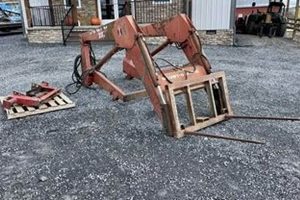
The designated period over which a tangible agricultural asset is expected to decline in value due to wear and tear, obsolescence, or other factors represents its useful lifespan for accounting purposes. For instance, a tractor purchased for $100,000 with an estimated salvage value of $20,000 might be depreciated over a period of seven years, reflecting the anticipated duration of its productive contribution to farm operations.
Understanding the duration of asset use is vital for accurately reflecting a farm’s profitability and financial standing. It enables the consistent allocation of the cost of these assets over the periods they contribute to revenue generation. Historically, standardized tables and guidelines have been developed to provide a consistent framework for determining these durations, ensuring uniformity across the agricultural sector and facilitating tax compliance.
This valuation timeline significantly impacts both operational financial projections and tax liabilities. The subsequent sections will delve into methods for calculating these periods, applicable regulations, and strategies for optimizing asset management within the agricultural context.
Optimizing Farm Equipment Management
Effective asset management directly impacts profitability and tax obligations. Adhering to established guidelines and proactively planning for asset replacement are crucial for sustainable farm operations.
Tip 1: Maintain Accurate Records: Detailed records of purchase dates, original costs, and any improvements made to equipment are essential for accurate depreciation calculations. These records are critical for tax reporting and should be meticulously maintained.
Tip 2: Understand Applicable Depreciation Methods: Familiarize yourself with available methods, such as straight-line, declining balance, and MACRS (Modified Accelerated Cost Recovery System). Selecting the optimal method can significantly impact annual deductions.
Tip 3: Consult Tax Professionals: Seek guidance from qualified tax advisors to ensure compliance with current regulations and to optimize tax benefits related to agricultural asset deductions. Tax laws are subject to change; professional advice is invaluable.
Tip 4: Consider Section 179 Deduction: The Section 179 deduction allows for the immediate expensing of a certain amount of new or used equipment placed in service during the tax year. Evaluate the applicability of this deduction to reduce immediate tax liabilities.
Tip 5: Plan for Replacement Strategically: Develop a long-term asset replacement plan, factoring in the aforementioned concept for each piece of equipment. This proactive approach minimizes unexpected capital expenditures and optimizes tax planning.
Tip 6: Monitor Equipment Usage and Condition: Regularly assess the operational efficiency and condition of farm equipment. Preventative maintenance and timely repairs extend asset lifespan, maximizing return on investment. Poorly maintained equipment may require premature replacement, negatively impacting financial performance.
Tip 7: Be Aware of Recapture Rules: Understand the potential for recapture of depreciation deductions when equipment is sold. The amount of recapture is taxed as ordinary income, so careful planning is essential.
By adopting these asset management practices, farms can improve their financial performance and maintain a competitive edge. A proactive and informed approach to asset management is an investment in the long-term success of the agricultural operation.
The following section will explore financing options and risk management strategies relevant to farm equipment acquisition and maintenance.
1. Useful Life Estimation

Useful life estimation forms the foundational element of calculating asset valuation timelines. This estimation represents the expected period during which a piece of farm equipment will remain productive and contribute to the farm’s revenue generation. Inaccurate estimates can lead to skewed financial statements and incorrect tax reporting. For example, underestimating the lifespan of a combine harvester leads to accelerated depreciation, reducing taxable income in the short term, but potentially resulting in a higher tax burden upon its eventual sale or disposal. Conversely, overestimating the same timeline spreads the costs thinly, potentially failing to reflect the actual economic reality of the asset’s contribution.
The accuracy of these estimates hinges on factors such as equipment quality, usage intensity, maintenance practices, and technological advancements. A tractor subjected to rigorous daily operations, compared to one used sparingly, will likely exhibit a shorter productive lifespan. Similarly, regular maintenance and timely repairs can extend the operational duration of an asset, requiring adjustments to the originally projected useful lifespan. For instance, incorporating new technologies or upgrades into existing equipment can justify extending the valuation timeline beyond its initial projection, reflecting the increased operational efficiency and prolonged usability.
Ultimately, the estimated time plays a crucial role in determining the annual depreciation expense, impacting a farm’s reported profitability and tax obligations. Accurate assessment demands a comprehensive understanding of the equipment’s operational environment, maintenance history, and potential for technological obsolescence. Failing to consider these factors results in an incomplete valuation process. Therefore, a detailed and informed approach to this foundational aspect supports sound financial planning and compliance.
2. Depreciation Methods Selection

The selection of a depreciation method directly governs the allocation of an asset’s cost over its determined lifespan. The chosen method dictates the rate at which the asset’s value is expensed, significantly impacting reported profitability and tax liability. For instance, a farm might acquire a combine with an established lifespan of ten years. Opting for the straight-line method distributes the cost evenly over this decade. Conversely, the declining balance method concentrates deductions in the early years, reflecting a faster rate of initial value decline, while the MACRS (Modified Accelerated Cost Recovery System) utilizes pre-defined schedules which can further influence the allocation timing based on the asset’s classification. This foundational choice is not merely an accounting formality; it is a strategic financial decision with direct ramifications on cash flow and tax obligations.
The alignment of the chosen method with the actual pattern of asset usage is critical. If the equipment’s productivity is front-loaded, a method that accelerates depreciation in earlier years may more accurately reflect the economic reality of its contribution. This approach can be advantageous for tax planning purposes, especially for operations with significant capital expenditures in a given year. Conversely, for equipment with a more consistent level of productivity throughout its operational lifespan, the straight-line method offers simplicity and stability in reporting. Ignoring the asset’s usage pattern and adopting a mismatched depreciation method can lead to distorted financial reporting and suboptimal tax outcomes.
In conclusion, the method of depreciation is not an independent variable, but rather a crucial component intrinsically linked to the projected asset timeframe. The chosen method directly shapes the financial narrative, influencing profitability metrics and tax efficiency. The key challenge is selecting the method that best aligns with the expected use and decline pattern of the farm asset, requiring careful consideration and potentially professional consultation to ensure optimal financial outcomes and regulatory compliance. Neglecting this integral connection can have substantial and lasting financial consequences for the agricultural enterprise.
3. Tax Implications Awareness

Effective management of tangible asset depreciation requires a comprehensive understanding of associated tax implications. These implications affect a farm’s financial position, profitability, and overall tax liability. A proactive approach to tax planning, considering asset depreciation schedules and methods, is crucial for optimizing financial performance.
- Impact on Taxable Income
Depreciation expense directly reduces taxable income. By strategically selecting a depreciation method that aligns with the assets usage pattern and considering bonus depreciation or Section 179 deductions, farms can significantly lower their tax burden in the short term. For example, employing an accelerated method in the initial years of an asset’s life can yield higher deductions when a farm faces increased profitability.
- Influence on Capital Gains
When farm equipment is sold, the sale price, less the adjusted basis (original cost minus accumulated depreciation), determines any potential capital gain or loss. Underdepreciating an asset can lead to a higher capital gain upon disposal, increasing tax liability. Conversely, overdepreciating could result in a lower adjusted basis, leading to capital gains and potential depreciation recapture if the asset is sold for more than its adjusted basis.
- Compliance and Record Keeping
Accurate records of purchase dates, original costs, depreciation methods, and accumulated depreciation are essential for compliance with tax regulations. These records must be readily available to substantiate depreciation claims and to withstand potential audits. Failing to maintain adequate documentation can lead to penalties and disallowance of deductions.
- Depreciation Recapture Rules
Depreciation recapture occurs when a depreciated asset is sold at a gain. The portion of the gain attributable to previously claimed depreciation deductions is taxed as ordinary income rather than at the lower capital gains rate. Understanding depreciation recapture rules is crucial for making informed decisions about asset disposal and minimizing unexpected tax liabilities. Proper planning involves considering the tax implications of selling or trading in equipment at the end of its useful life.
Integrating “Tax Implications Awareness” into asset management practices allows farms to optimize deductions, minimize tax liabilities, and ensure compliance. Consideration of depreciation methods, recapture rules, and accurate record-keeping form the foundation for sound financial decision-making. Proactive tax planning, in conjunction with understanding valuation timelines, provides a significant advantage for agricultural operations.
4. Accurate Record Keeping

The precise calculation of farm equipment depreciation hinges directly upon accurate record keeping. Detailed documentation of purchase dates, initial costs, and subsequent improvements form the bedrock for establishing the asset’s depreciable base and determining the applicable timeline. Without these records, the entire depreciation schedule becomes suspect, potentially leading to inaccurate financial statements and non-compliance with tax regulations. For example, if the original purchase date of a tractor is unknown, the determination of its remaining useful lifespan becomes speculative, impacting annual depreciation expense and subsequent taxable income. A meticulously maintained record containing invoices, warranties, and repair logs ensures a transparent and auditable trail, safeguarding the farm’s financial integrity.
Beyond initial acquisition data, consistent documentation of maintenance activities and equipment modifications is crucial. Significant repairs extending the useful life of an asset require adjustments to the depreciation schedule. Failing to document these enhancements and their associated costs can result in under-depreciation, ultimately leading to a higher tax burden upon asset disposal. Consider a scenario where a combine undergoes a major overhaul, significantly extending its operational capabilities. The documented cost of this overhaul becomes an addition to the asset’s basis, influencing future depreciation calculations. Conversely, neglecting to record this enhancement could result in an inaccurate reflection of the asset’s true depreciable value.
In conclusion, accurate record keeping is not merely an administrative task, but an integral component of effective tangible asset management. It establishes the foundation for defensible depreciation calculations, facilitates sound financial reporting, and ensures compliance with regulatory requirements. A robust record-keeping system, encompassing purchase details, maintenance logs, and improvement documentation, mitigates the risks of financial misstatements and potential penalties, safeguarding the long-term financial health of the agricultural operation. The absence of such a system undermines the reliability of the entire depreciation process.
5. Asset Management Planning

Asset management planning is inextricably linked to the useful economic lifespan of farm equipment. The former provides the strategic framework within which the latter is determined and managed. A comprehensive asset management plan necessitates a thorough understanding of how depreciation affects financial performance and tax obligations. This understanding directly influences decisions regarding equipment acquisition, maintenance, replacement, and disposal. For example, a well-defined asset management plan incorporates projected depreciation schedules, informing decisions about whether to lease or purchase equipment, when to perform major overhauls, and when to sell an asset to maximize its value and minimize tax liabilities. The absence of such a plan can lead to inefficient capital allocation, increased operational costs, and suboptimal tax outcomes.
A crucial component of asset management planning is the establishment of a proactive maintenance program. Consistent maintenance extends the lifespan of farm equipment, directly impacting the depreciation schedule. An asset meticulously maintained and repaired may warrant a longer depreciation timeline than an asset subjected to neglect. Furthermore, strategic asset management includes monitoring technological advancements. As newer, more efficient equipment becomes available, an asset management plan facilitates informed decisions about when to replace existing equipment, even if it is still operational. This decision is heavily influenced by the remaining depreciable life of the existing asset and the potential return on investment from the new technology. Consider, for example, a farmer evaluating the purchase of a new GPS-guided tractor. The asset management plan should assess the remaining depreciable life of the current tractor, the projected cost savings and increased efficiency from the new technology, and the associated tax implications before making a final decision.
In conclusion, asset management planning provides the roadmap for navigating the financial complexities associated with depreciable farm assets. It ensures that decisions regarding equipment acquisition, maintenance, and disposal are aligned with the farm’s overall financial goals. While depreciation is a fundamental accounting concept, it is through effective asset management planning that its full strategic potential is realized. Challenges remain in accurately predicting equipment lifespan and adapting to technological advancements, but a well-structured plan mitigates these risks and optimizes the farm’s long-term financial performance. This proactive approach ensures that assets are utilized efficiently, maintained effectively, and disposed of strategically, maximizing their contribution to the agricultural enterprise.
6. Resale Value Consideration

The anticipated resale value of farm equipment exerts a significant influence on its depreciation schedule. Depreciation reflects the decline in an asset’s value over its useful life. The estimated salvage value, often determined by projecting the potential resale price at the end of the asset’s operational use, directly reduces the depreciable base. For instance, a tractor purchased for $200,000 with a projected resale value of $50,000 will have a depreciable base of $150,000. Underestimating the potential resale price leads to accelerated depreciation and a reduced book value, potentially impacting the financial statement presentation and tax liability upon the eventual sale. Conversely, overestimating the resale value results in slower depreciation and a higher book value, which may not accurately reflect the asset’s true economic value. Therefore, accurate prediction of the future market value of the equipment is crucial for establishing an appropriate depreciation schedule.
The practice of estimating resale value often involves examining market trends, equipment condition, and technological obsolescence. Similar equipment sales can act as key performance indicators, indicating the estimated market value of comparable assets. The physical condition of the farm equipment plays a crucial role in estimating the residual asset worth. Well-maintained machinery retains a higher value, demonstrating a longer duration of operational effectiveness. Rapid technological advancements can render older equipment obsolete. This rapid obsolescence necessitates a decrease in residual values, accelerating the depreciation schedule. A farmer considering the depreciation schedule for a combine should consider the likely advent of more efficient harvesting technologies during its predicted lifetime.
In conclusion, resale value estimation constitutes an integral part of the depreciation process, influencing financial statements and tax management strategies. A thorough understanding of market dynamics, asset condition, and technological trends is required for proper depreciation schedules. Practical significance includes better-informed purchase, maintenance, and disposition decisions, which directly influence profitability and financial compliance. While challenges remain in accurately projecting future market conditions, a diligent approach to resale value assessment is essential for sound asset management.
Frequently Asked Questions
The following questions address common inquiries and misconceptions regarding the determination of asset timelines within the agricultural sector.
Question 1: What factors primarily influence the determination of useful life for farm equipment?
Several factors govern the assignment of a depreciable lifespan. These include, but are not limited to, the manufacturer’s specifications, historical data on similar equipment, the intensity of usage, the quality of maintenance, and the potential for obsolescence due to technological advancements.
Question 2: How does the selection of a depreciation method impact a farm’s tax liability?
The chosen depreciation method directly affects the timing of deductions. Accelerated methods, such as MACRS, front-load deductions, reducing taxable income in the early years of asset ownership. Conversely, the straight-line method evenly distributes deductions over the asset’s timeline.
Question 3: What constitutes “basis” for depreciation purposes?
The basis typically encompasses the original purchase price, including sales tax, freight charges, and installation costs. Improvements that extend the asset’s useful life or enhance its productivity can also be added to the basis.
Question 4: What are the implications of disposing of depreciated farm equipment?
When depreciated assets are sold, the difference between the sale price and the adjusted basis (original cost minus accumulated depreciation) results in a capital gain or loss. Depreciation recapture may also apply, where a portion of the gain is taxed as ordinary income.
Question 5: How can accurate record-keeping benefit a farm’s depreciation management?
Meticulous records of purchase dates, original costs, improvements, and maintenance activities provide defensible documentation for depreciation claims, facilitating compliance with tax regulations and minimizing the risk of audits.
Question 6: What role does asset management planning play in optimizing depreciation?
A comprehensive asset management plan integrates projected timelines with equipment acquisition, maintenance, and disposal strategies. This plan optimizes asset utilization, minimizes operational costs, and maximizes after-tax returns.
Understanding these key aspects is paramount for effective financial planning within the agricultural sector.
The next section will explore specific strategies for optimizing equipment usage and lifespan.
Farm Equipment Depreciation Life
The exploration of farm equipment depreciation life has revealed its significant impact on agricultural operations. Accurate determination of asset timelines, selection of appropriate depreciation methods, meticulous record-keeping, and strategic asset management planning are essential for sound financial performance and regulatory compliance. Furthermore, resale value considerations and a thorough understanding of tax implications complete the holistic picture required for effective asset management in agriculture.
Understanding and proactively managing farm equipment depreciation life is not merely an accounting exercise but a critical component of sustainable agricultural practices. The long-term success and financial stability of a farm hinges upon informed decisions regarding asset acquisition, utilization, and disposal. Continued diligence in these areas is paramount for navigating the complexities of modern agricultural finance and ensuring a prosperous future for the sector.
![Best DH Farm Equipment: [Year] Guide + More! | The Conscious Farmer | Sustainable Agriculture for a Healthier Planet](https://livingedgefarm.com/wp-content/uploads/2025/08/th-1937-300x200.jpg "Best DH Farm Equipment: [Year] Guide + More! The Conscious Farmer | Sustainable Agriculture for a Healthier Planet")