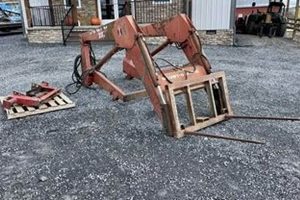
Data from the sale of agricultural machinery at auction provides a valuable snapshot of the current market. These figures, compiled after each sale, indicate the prices fetched by tractors, combines, planters, and other essential implements. For example, an analysis might reveal that a specific model of used combine, typically selling for $75,000, achieved a price of $82,000 due to high demand and limited supply in a regional sale.
The significance of this information extends across the agricultural sector. Farmers can leverage these figures to gauge the value of their existing equipment, informing decisions regarding trade-ins, sales, or upgrades. Dealers use the data to adjust pricing strategies and manage inventory effectively. Lenders and appraisers rely on these values to assess collateral and determine loan amounts. Historically, access to timely and accurate sales data was limited, leading to inefficiencies and potential miscalculations in the marketplace. Today, readily available reports improve market transparency and enable more informed decision-making.
Understanding the factors that influence these values, the various resources available for accessing sale reports, and strategies for interpreting the data are crucial for maximizing returns and minimizing risks in the agricultural equipment market. The following sections will explore these aspects in greater detail.
Strategies for Utilizing Farm Equipment Auction Results
Leveraging sale outcome information requires a strategic approach. The following tips offer guidance on effectively interpreting and applying this data for informed decision-making within the agricultural equipment market.
Tip 1: Conduct Comprehensive Research: Examine figures from multiple auctions across diverse geographic locations. Regional variations in demand, crop types, and weather patterns can significantly influence prices. For example, combine values in wheat-producing regions may be higher than in areas primarily focused on corn or soybeans.
Tip 2: Consider Equipment Condition and Age: Account for the age and condition of the machinery. Older models or those with high hours of use will typically command lower prices, even if well-maintained. Thorough inspection reports and maintenance records are essential for accurate valuation.
Tip 3: Analyze Trends Over Time: Track values over several months or years to identify seasonal patterns and long-term trends. This historical perspective can help predict future price fluctuations and inform purchasing or selling decisions. Note if prices for specific equipment types rise or fall predictably depending on the time of year.
Tip 4: Evaluate Market Demand: Assess the overall demand for specific equipment models. Scarcity and high demand can drive up prices, while an oversupply may lead to lower values. Pay attention to auction attendance and online bidding activity as indicators of market interest.
Tip 5: Account for Auction Fees and Logistics: Factor in auction fees, transportation costs, and potential repair expenses when calculating the total cost of acquisition or the net proceeds from a sale. These expenses can significantly impact the profitability of a transaction.
Tip 6: Utilize Online Resources: Explore online databases and reporting services that compile and analyze data from numerous auction events. These platforms can provide valuable insights into market trends and comparative pricing.
Tip 7: Consult with Industry Professionals: Seek advice from appraisers, equipment dealers, or agricultural consultants. These experts can offer specialized knowledge and insights into local market conditions and equipment valuations.
By carefully considering these factors, stakeholders can maximize the utility of sales results, improving their ability to make informed decisions regarding equipment acquisition, sales, and valuation. These insights translate to more efficient operations and potentially greater profitability.
The subsequent sections will address specific strategies for applying this knowledge to various aspects of farm equipment management.
1. Market Value Indicators

Market value indicators are derived directly from data obtained at farm equipment auctions. These indicators, representing the average or median selling prices of specific machinery models, serve as benchmarks for assessing the worth of similar assets. The causal relationship is straightforward: the transactions occurring at auction establish the prices used to generate these metrics. Without the real-world transactions captured at these events, the indicators would lack empirical grounding and predictive accuracy. For instance, if several late-model John Deere 8R tractors consistently sell within a specific price range at auctions across the Midwest, that range becomes a primary market value indicator for that tractor model.
The importance of market value indicators as a component of sales data is paramount. They allow for comparative analysis and provide a baseline against which individual pieces of equipment can be evaluated. Farmers considering a trade-in can use these indicators to estimate the value of their existing tractor and negotiate a fair price. Dealers rely on the same data to price their used inventory competitively. Financial institutions use these figures to determine loan collateral and manage risk. The reliability and breadth of auction-derived information directly affect the accuracy and utility of these indicators.
Accurate determination of market value is crucial. Challenges in utilizing sales outcomes effectively include accounting for regional variations, condition discrepancies, and rapidly changing market conditions. However, understanding that reported results are the foundation upon which valuations are built ensures a more informed and strategic approach to farm equipment management. Ultimately, these indicators contribute to greater transparency and efficiency within the agricultural equipment market.
2. Geographic Price Variance

Geographic price variance, as observed within farm equipment auction outcomes, represents a significant factor influencing the valuation and strategic planning within the agricultural sector. This variance demonstrates the impact of localized economic, environmental, and logistical conditions on equipment values.
- Regional Crop Specialization
Crop specialization profoundly affects equipment demand and, consequently, auction prices. Regions specializing in corn or soybean production will exhibit higher demand for planters and combines suited to those crops, leading to elevated values compared to areas where these crops are less prevalent. An auction in Iowa, a major corn-producing state, will likely command higher prices for corn harvesting equipment than an auction in a region focused on livestock farming.
- Local Economic Conditions
The overall economic health of a farming region directly influences the purchasing power of farmers and their willingness to invest in new or used equipment. Areas experiencing economic hardship due to drought, low commodity prices, or trade disruptions may see lower auction attendance and depressed prices. Conversely, regions with strong agricultural economies and favorable government support programs will generally support higher equipment values.
- Transportation Costs and Logistics
The cost of transporting equipment from the auction site to the buyer’s location introduces another layer of geographic price variation. Auctions held in geographically isolated areas or regions with poor transportation infrastructure may experience lower participation and reduced prices, as potential buyers factor in the added expense and complexity of transporting the machinery. Proximity to major agricultural hubs and efficient transportation networks tends to support higher auction prices.
- Equipment Availability and Demand
The local supply and demand dynamics for specific equipment models can vary significantly across different geographic locations. A scarcity of certain types of machinery in a particular region, due to limited dealer networks or specific local farming practices, can drive up prices at auction. Conversely, an oversupply of used equipment in a given area may lead to price deflation. Understanding these localized supply and demand imbalances is crucial for accurate valuation.
In summary, geographic price variance reflects the complex interplay of localized factors. Considering these regional differences is crucial for any stakeholderfarmers, dealers, or lendersseeking to make informed decisions based on available data. Ignoring geographic price variance can lead to inaccurate valuations and suboptimal investment strategies.
3. Equipment Condition Effects

The condition of farm equipment exerts a significant influence on its valuation at auction. These events serve as a public forum where prospective buyers assess the mechanical integrity, appearance, and operational readiness of agricultural machinery. Consequently, observed values directly reflect the perceived and actual state of the equipment. Deterioration, lack of maintenance, or significant repairs directly impact final selling prices.
- Mechanical Integrity and Functionality
The operational status of engines, transmissions, hydraulics, and other critical systems directly influences value. An engine exhibiting excessive wear, a transmission with slipping gears, or a hydraulic system with leaks will negatively impact the price. Comprehensive inspection reports, detailing any mechanical deficiencies, provide potential buyers with an objective assessment, reducing uncertainty and either justifying a higher price for well-maintained machines or explaining a lower one for equipment needing repair. For instance, a tractor with documented engine overhaul records will typically command a higher selling price than one with an unknown maintenance history.
- Cosmetic Appearance and Maintenance
While cosmetic appearance may not directly correlate to operational performance, it often serves as an indicator of overall maintenance practices. Well-maintained equipment with intact paint, clean interiors, and absence of rust suggests a commitment to preventative care, increasing buyer confidence. Conversely, neglected equipment with faded paint, damaged body panels, or excessive dirt implies potential underlying mechanical issues. A combine that has been regularly washed and stored indoors will typically attract more bidders and higher prices than one that has been left exposed to the elements.
- Hours of Operation and Usage
The cumulative hours of operation recorded on farm equipment serves as a proxy for its overall wear and tear. Higher hours generally correlate with increased risk of mechanical failure and reduced remaining useful life. Auction prices typically reflect this depreciation, with equipment possessing lower hours commanding a premium. However, the impact of hours can be mitigated by documented evidence of meticulous maintenance and timely repairs. A tractor with 5,000 hours but detailed service records may fetch a higher price than a similar tractor with 3,000 hours and no verifiable maintenance history.
- Completeness and Documentation
The presence of original manuals, maintenance records, and supporting documentation enhances the value of farm equipment. These materials provide buyers with essential information regarding operating procedures, maintenance schedules, and repair history. Missing or incomplete documentation can raise concerns about the equipment’s past treatment and future reliability. A planter sold with its original operator’s manual, calibration charts, and a record of parts replacements will typically command a higher price than the same planter sold without any documentation.
Ultimately, equipment condition, as revealed through inspection, appearance, operational history, and documentation, is a primary determinant of its realized value at auction. Transparent and accurate representation of condition is essential for both sellers seeking to maximize returns and buyers seeking to make informed investment decisions. Failure to adequately assess and account for these factors can lead to inaccurate valuations and potential financial losses.
4. Historical Sales Trends

Analysis of historical sales trends in farm equipment auctions provides critical insights into market dynamics and valuation fluctuations. By examining data across multiple auction events and over extended periods, stakeholders gain a broader perspective on equipment depreciation, demand cycles, and the impact of external economic factors.
- Depreciation Patterns and Residual Values
Historical sales data reveals the typical depreciation curves for various equipment models. Observing how specific tractors, combines, or planters lose value over time provides a basis for estimating residual values. For example, analyzing sales spanning five to ten years might show that a particular combine model depreciates by an average of 8% per year, informing present-day valuation and future resale expectations. This understanding is crucial for both buyers and sellers in determining fair prices.
- Cyclical Demand and Seasonal Fluctuations
Auction results often reflect cyclical demand patterns driven by planting and harvesting seasons. Prices for planters tend to peak in the spring, while combine values often increase in the fall. Analyzing historical data illuminates these seasonal fluctuations, enabling strategic timing of purchases and sales. For instance, historical evidence might suggest that selling a used planter in February or March will likely yield a higher return than selling it in the off-season.
- Impact of Economic Factors and Commodity Prices
Agricultural commodity prices and broader economic conditions exert a significant influence on farm equipment sales. Periods of high commodity prices typically coincide with increased farmer income and greater willingness to invest in new or used machinery, driving up auction prices. Conversely, economic downturns or low commodity prices can depress sales values. Historical analysis can quantify these correlations, demonstrating, for example, how a rise in corn prices directly corresponds to increased demand and higher auction prices for corn harvesting equipment.
- Technological Advancements and Obsolescence
The introduction of new technologies and advancements in farm equipment design can render older models obsolete, leading to a decline in their auction values. Analyzing historical sales trends reveals the impact of technological innovation on equipment depreciation. For example, the introduction of GPS-guided tractors may lead to a decrease in the value of older, non-GPS equipped models. Monitoring these trends allows buyers to anticipate future depreciation and sellers to adjust their pricing strategies accordingly.
The insights derived from historical sales trends, as reflected in farm equipment auction outcomes, are essential for informed decision-making within the agricultural sector. By understanding depreciation patterns, cyclical demand, economic influences, and technological obsolescence, stakeholders can navigate the equipment market more strategically, optimizing their investments and mitigating potential risks. Ignoring this historical perspective can lead to inaccurate valuations and suboptimal financial outcomes.
5. Auction Participation Rates

Auction participation rates, representing the proportion of potential buyers actively engaged in bidding at farm equipment auctions, exert a direct and measurable influence on the final sale outcome. Higher participation generally correlates with increased competition, driving up prices and resulting in stronger results for sellers. Conversely, low participation indicates reduced demand and can lead to lower prices or even unsold equipment. The auction environment inherently establishes this relationship; increased bidder presence fosters a competitive atmosphere, pushing prices toward or beyond perceived market value. For instance, a highly publicized auction featuring well-maintained, late-model tractors might attract a large crowd, both in person and online, resulting in prices that exceed average market values. Conversely, a smaller regional auction with limited advertising may experience lower turnout and consequently, weaker prices.
The importance of understanding participation rates lies in its predictive capability. Sellers can use past auction attendance and bidder registration data to gauge the potential success of future sales. Dealers often analyze auction participation trends in specific regions to determine inventory needs and adjust pricing strategies. Additionally, lenders and appraisers consider participation rates as an indicator of overall market health and liquidity. A consistently high level of participation suggests a robust market with readily available buyers, providing greater confidence in asset valuations. Practical applications range from optimizing auction scheduling to tailoring marketing efforts to maximize bidder turnout. For example, holding an auction during peak planting season in a region with strong agricultural activity might attract a larger audience and yield more favorable sales.
However, interpreting auction participation requires careful consideration. Attendance alone does not guarantee high prices; the financial capacity and bidding intent of the participants are equally crucial. Factors such as commodity prices, access to credit, and overall economic conditions can significantly influence bidders’ willingness to spend. Furthermore, online bidding platforms have broadened auction participation geographically, potentially distorting traditional regional attendance metrics. Despite these challenges, monitoring participation rates remains a valuable tool for assessing market sentiment and predicting sales outcomes. Ultimately, understanding this dynamic contributes to more informed decision-making within the farm equipment market and greater efficiency in the auction process.
Frequently Asked Questions Regarding Farm Equipment Auction Results
This section addresses common inquiries concerning the interpretation and application of sale outcomes data in the context of agricultural machinery valuation and market analysis.
Question 1: What constitutes “farm equipment auction results,” and how are they collected?
These findings are the recorded sale prices of agricultural machinery sold at auction events. Data collection typically involves tracking successful bids, equipment descriptions, and relevant contextual details such as location and date of sale. Sources include auctioneer reports, online bidding platforms, and dedicated agricultural equipment market analysis services.
Question 2: Why are these figures considered a reliable indicator of market value?
Auction events represent a real-time assessment of market demand and supply. The prices achieved reflect the willingness of buyers to pay for specific equipment models at a given time and location. While individual sales can be influenced by unique factors, analyzing a sufficiently large dataset provides a valuable snapshot of prevailing market values.
Question 3: How frequently are updates to information from these events available?
The availability of updated data varies depending on the source and reporting frequency. Some auction houses publish results immediately following each sale, while dedicated market analysis services may compile and release data on a weekly, monthly, or quarterly basis. Timeliness is crucial for effective decision-making.
Question 4: What are the primary factors that influence sales prices at auction?
Several factors contribute to price determination. These include the equipment’s make, model, age, condition, hours of use, maintenance history, geographic location, and overall market demand. External factors such as commodity prices and economic conditions also play a role.
Question 5: How can farmers utilize this data to inform their equipment purchasing or selling decisions?
Farmers can use this data to gauge the value of their existing equipment, informing trade-in negotiations or private sales. When considering a purchase, auction outcomes can provide a benchmark against which to evaluate asking prices and identify potential bargains. Understanding market trends helps to optimize the timing of transactions.
Question 6: What are the limitations of relying solely on sales outcomes for equipment valuation?
While valuable, this information should not be the sole basis for valuation. Unique characteristics of individual equipment pieces, such as customized modifications or undocumented repairs, may not be fully captured in aggregate auction data. It is advisable to supplement auction data with independent appraisals and expert opinions.
In summary, a comprehensive understanding of figures from these sales empowers stakeholders to make informed decisions regarding equipment investments and asset management. However, recognizing both the strengths and limitations of this data is essential for accurate and strategic analysis.
The subsequent sections will delve into specific case studies illustrating the practical application of this knowledge.
Conclusion
The preceding discussion has illuminated the multifaceted nature of data from farm equipment auctions. These figures, representing real-world transactions, provide critical insights into market valuations, regional price variations, equipment condition effects, historical trends, and the influence of participation rates. Understanding these nuances is essential for informed decision-making by farmers, dealers, lenders, and appraisers operating within the agricultural sector.
As the agricultural landscape continues to evolve, with increasing technological advancements and fluctuating economic conditions, the significance of accurate and timely information from farm equipment auction outcomes will only intensify. Diligent monitoring, comprehensive analysis, and strategic application of these insights are paramount for maximizing returns, mitigating risks, and fostering greater efficiency in the management of farm machinery assets. Further research and development of more sophisticated analytical tools are warranted to enhance the utility of this valuable data resource.

![Best DH Farm Equipment: [Year] Guide + More! | The Conscious Farmer | Sustainable Agriculture for a Healthier Planet](https://livingedgefarm.com/wp-content/uploads/2025/08/th-1937-300x200.jpg "Best DH Farm Equipment: [Year] Guide + More! The Conscious Farmer | Sustainable Agriculture for a Healthier Planet")