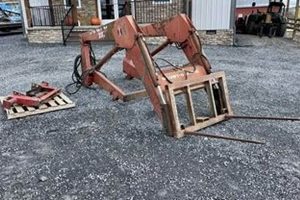
Agricultural implements employing rotating circular blades to till soil are fundamental to modern farming practices. These implements prepare land for planting by breaking up clods, incorporating crop residue, and leveling the soil surface, creating an optimal seedbed. The depth and intensity of tillage can be adjusted based on the specific needs of the crop and soil type.
The application of these tools offers several key advantages. Soil structure is improved, facilitating better aeration and water infiltration. Weed control is enhanced by disrupting weed growth and burying weed seeds. Furthermore, the incorporation of organic matter contributes to soil fertility. Historically, these tools represent a significant advancement over manual labor, allowing for increased efficiency and productivity in agricultural operations.
The following sections will delve into various types of these tools, examine their operational principles, and explore their impact on soil health and crop yields. Considerations for selection, maintenance, and optimal utilization in diverse farming scenarios will also be discussed.
Operational Tips for Disc-Based Agricultural Implements
Effective utilization of disc-based agricultural implements requires careful planning and execution to maximize soil preparation and minimize potential drawbacks. The following tips address critical aspects of operation.
Tip 1: Select the Appropriate Implement Type: Consider soil type, crop requirements, and field conditions. Disc harrows, disc plows, and disc rippers each offer distinct advantages for specific applications. Match the implement to the intended purpose.
Tip 2: Adjust Gang Angle for Desired Soil Tilth: The angle of the discs relative to the direction of travel directly influences the aggressiveness of the tillage action. Steeper angles result in more aggressive cutting and inversion, while shallower angles provide lighter surface tillage.
Tip 3: Maintain Proper Operating Depth: Consistent operating depth is crucial for uniform soil preparation. Monitor depth settings and adjust as needed based on soil variability and field topography. Avoid excessive depth, which can lead to increased fuel consumption and soil compaction.
Tip 4: Operate at the Recommended Ground Speed: Operating speed significantly impacts the quality of tillage. Excessive speed can result in uneven soil mixing and increased implement wear, while insufficient speed may lead to inadequate soil disturbance. Adhere to the manufacturer’s recommended speed range.
Tip 5: Implement Regular Maintenance Procedures: Routine maintenance, including lubrication, blade sharpening, and bearing inspection, is essential for optimal performance and longevity. Neglecting maintenance can lead to premature failure and costly repairs.
Tip 6: Calibrate Implement Settings for Field Conditions: Soil moisture content and field residue levels can significantly affect implement performance. Calibrate settings, such as disc spacing and gang angle, to accommodate varying conditions and achieve the desired tillage results.
Optimizing the operational parameters of these implements, coupled with consistent maintenance practices, allows for maximized efficiency and desired soil preparation. Proper application contributes significantly to enhanced crop establishment and yield potential.
The concluding section will summarize the key considerations for selecting and utilizing disc-based agricultural tools to achieve sustainable and productive farming outcomes.
1. Tillage Depth

Tillage depth, in the context of disc-based agricultural implements, refers to the vertical distance to which the soil is disturbed by the rotating discs. This parameter is a critical determinant of seedbed preparation, weed control, and soil health outcomes. Its careful management is essential for maximizing the benefits and minimizing the potential drawbacks associated with the use of disc equipment.
- Seedbed Preparation and Germination
Tillage depth significantly influences the physical characteristics of the seedbed. Shallower tillage depths can conserve moisture and maintain a firmer seedbed, which is beneficial for crops requiring shallow planting. Deeper tillage depths, on the other hand, can create a looser, more aerated seedbed suitable for crops with deeper root systems. The optimal tillage depth depends on the crop species, soil type, and prevailing environmental conditions. Improper depth can result in poor seed-to-soil contact, uneven germination, and reduced seedling vigor.
- Weed Control and Weed Seedbank Management
Disc-based implements are frequently employed for weed control through the burial of weed seeds and the disruption of weed growth. Tillage depth directly affects the efficacy of this control method. Deeper tillage can bury weed seeds below the germination zone, reducing weed emergence. However, it can also bring buried weed seeds to the surface, potentially exacerbating weed problems in subsequent growing seasons. Strategic tillage depth management, combined with other weed control measures, is crucial for long-term weed seedbank reduction.
- Soil Compaction and Soil Structure
The depth of tillage impacts soil compaction and overall soil structure. Deep tillage can alleviate soil compaction in subsurface layers, improving water infiltration and root penetration. However, excessive tillage depth can disrupt soil aggregates, leading to soil erosion and reduced soil organic matter content. Minimum tillage and conservation tillage practices, which emphasize shallower tillage depths, aim to minimize these negative impacts and promote soil health.
- Residue Management and Nutrient Cycling
Tillage depth influences the incorporation of crop residues into the soil. Deeper tillage can bury crop residues more effectively, accelerating decomposition and nutrient release. However, it can also reduce surface residue cover, increasing the risk of soil erosion. Shallower tillage depths leave more residue on the soil surface, providing protection against erosion and conserving soil moisture. The choice of tillage depth should consider the balance between residue decomposition, nutrient cycling, and soil conservation.
In conclusion, tillage depth is a multifaceted parameter that exerts a significant influence on the performance of disc farm equipment and the overall health of the agricultural ecosystem. Careful consideration of crop requirements, soil characteristics, and environmental factors is essential for selecting the optimal tillage depth and maximizing the benefits of disc-based tillage systems. The long-term sustainability of agricultural practices relies on the responsible and informed management of this crucial variable.
2. Disc Angle
Disc angle, in the context of agricultural disc implements, represents a critical adjustable parameter dictating the aggression and efficiency of soil manipulation. The angle directly influences the degree of soil inversion, clod breakdown, and residue incorporation, impacting seedbed preparation and overall soil conditions.
- Soil Inversion and Burial of Residue
A steeper disc angle leads to more pronounced soil inversion, effectively burying surface residue and weed seeds. This is advantageous for managing heavy residue loads and controlling weed populations prior to planting. Conversely, shallower angles result in less inversion, conserving surface residue for erosion control and moisture retention. The optimal angle selection hinges on specific residue management goals and weed pressure.
- Clod Sizing and Seedbed Fineness
The disc angle affects the size distribution of soil clods. Steeper angles generally result in smaller clods and a finer seedbed, which is beneficial for crops requiring close seed-to-soil contact. Shallower angles leave larger clods, potentially improving aeration and drainage in certain soil types. The appropriate angle depends on the crop’s specific seedbed requirements and the soil’s structural characteristics.
- Penetration and Draft Requirements
Increasing the disc angle enhances the implement’s penetration into the soil but also increases the draft requirement, or the amount of force needed to pull the implement. This translates to higher fuel consumption and potentially reduced operating speed. Selecting an appropriate angle balances the desired soil disturbance with the available tractor power and fuel efficiency considerations.
- Soil Throw and Leveling Action
Disc angle affects the distance and direction of soil throw. Steeper angles tend to throw soil further and to the side, potentially creating ridges or furrows. Shallower angles produce less throw and a more even soil surface. Achieving uniform soil leveling requires careful adjustment of disc angles and implement overlap.
In conclusion, the disc angle represents a fundamental adjustment on these agricultural tools. Optimizing this angle for specific field conditions, crop requirements, and tractor capabilities is essential for maximizing the efficiency and effectiveness of tillage operations, thereby contributing to enhanced crop establishment and yield potential. Variations exist, influencing the choice given particular agricultural conditions.
3. Operating Speed

Operating speed constitutes a critical operational parameter affecting the performance and longevity of disc-based agricultural implements. Its influence extends to soil fragmentation, residue incorporation, implement wear, and fuel efficiency. Inadequate or excessive speeds compromise the intended soil preparation and escalate operational costs. For instance, disc harrows require a specific speed range to effectively shatter clods and create a uniform seedbed. Speeds below this range result in incomplete soil fragmentation, whereas excessively high speeds lead to uneven soil distribution and increased implement vibration, accelerating component wear. Real-world examples demonstrate that operators achieving optimal soil conditions routinely adhere to speed recommendations provided by the implement manufacturer, accounting for soil type and moisture content.
Maintaining appropriate operating speed minimizes soil compaction and maintains optimal soil structure. Excessive speed induces vertical stress on the soil, leading to subsoil compaction, hindering root growth and water infiltration. Conversely, adhering to recommended speeds minimizes the risk of compaction, fostering a healthier soil profile. Furthermore, the uniformity of residue incorporation is directly related to operating speed. Proper speed ensures even distribution of crop residue, facilitating decomposition and nutrient cycling. Deviations from the recommended range result in uneven residue distribution, affecting soil fertility and potentially increasing disease incidence. For example, utilizing a disc ripper at the correct speed effectively shatters compacted layers, improving drainage and aeration; however, excessive speed creates significant surface disturbance and potential erosion. It is crucial to calibrate speed relative to implement type and soil conditions.
Understanding the cause-and-effect relationship between operating speed and implement performance is essential for efficient and sustainable agricultural practices. Operators must balance productivity and operational costs by optimizing speed to achieve the desired soil preparation without compromising implement lifespan or escalating fuel consumption. Challenges exist in accurately determining the optimal speed in variable field conditions; therefore, continuous monitoring of soil response and implement behavior is paramount. Integration of GPS-based speed monitoring systems and implement performance sensors can further refine operating practices and minimize the detrimental effects associated with improper speed selection.
4. Soil Type
Soil type is a fundamental determinant in the selection and operation of agricultural disc implements. The physical and chemical characteristics of the soil dictate the appropriate type of implement, its configuration, and its operational parameters. Ignoring soil type considerations results in inefficient tillage, accelerated implement wear, and potential soil degradation.
- Clay Soils and Disc Plows
Clay soils, characterized by their high clay content and cohesive nature, present significant challenges for tillage. Disc plows, with their large-diameter discs and aggressive cutting action, are often preferred for primary tillage in clay soils. The disc plow’s ability to invert and break up the dense clay structure promotes aeration and water infiltration. However, repeated use of disc plows on clay soils can lead to soil compaction and reduced organic matter content. Conservation tillage practices, which minimize soil disturbance, should be considered in conjunction with disc plowing to mitigate these negative effects.
- Sandy Soils and Disc Harrows
Sandy soils, in contrast to clay soils, are characterized by their coarse texture and low water-holding capacity. Disc harrows, with their smaller discs and shallower tillage depth, are suitable for secondary tillage operations in sandy soils. The disc harrow’s purpose is to level the soil surface, incorporate crop residue, and prepare a seedbed for planting. Excessive tillage in sandy soils can exacerbate soil erosion and reduce soil fertility. Careful management of tillage intensity and the incorporation of organic amendments are essential for maintaining soil health in sandy soils.
- Loam Soils and Versatility of Disc Equipment
Loam soils, representing a balanced mixture of sand, silt, and clay, offer greater flexibility in terms of implement selection. Both disc plows and disc harrows can be effectively utilized in loam soils, depending on the specific tillage objectives. The choice of implement depends on factors such as residue management, weed control, and seedbed preparation requirements. Loam soils generally exhibit good drainage, aeration, and water-holding capacity, making them well-suited for a wide range of crops.
- Stony Soils and Implement Protection
Stony soils pose a significant challenge to the operation of disc farm equipment. The presence of rocks and stones can damage the discs and other components, leading to increased maintenance costs and downtime. Implement manufacturers offer various protective features, such as spring-loaded shanks and shear bolts, to mitigate the risk of damage in stony soils. Careful field preparation, including rock removal, is essential for ensuring the safe and efficient operation of disc equipment in stony environments.
In summary, soil type constitutes a primary factor in the selection, configuration, and operation of implements employing rotating blades. Adaptations to implement choice and operational parameters based on soil characteristics are essential for achieving optimal tillage results, minimizing implement wear, and promoting long-term soil health and agricultural sustainability. Proper consideration of these relationships contributes to increased productivity and reduced environmental impact.
5. Maintenance Schedule

A rigorously followed maintenance schedule is paramount to the operational efficiency and longevity of disc-based farm equipment. The absence of a structured maintenance program invariably leads to premature component failure, increased downtime, and escalated repair costs. Specific maintenance tasks, such as blade sharpening, bearing lubrication, and structural inspection, must be performed at predetermined intervals based on equipment usage and environmental conditions. Neglecting these schedules directly impacts the implement’s ability to perform optimally, resulting in uneven tillage, reduced soil penetration, and increased fuel consumption. For instance, dulled disc blades require significantly more power to achieve the desired soil fragmentation, leading to higher fuel costs and increased stress on the tractor.
The composition of a maintenance schedule varies depending on the type of disc implement and the severity of operating conditions. Disc plows, due to their aggressive soil engagement, necessitate more frequent blade inspections and replacements compared to disc harrows used for lighter tillage applications. Similarly, implements operating in abrasive soils, such as those with high sand or gravel content, require more frequent lubrication of bearings and wear surface inspections to prevent premature failure. The schedule should incorporate both preventative maintenance tasks, aimed at preventing failures, and corrective maintenance procedures, designed to address existing problems before they escalate. Documenting all maintenance activities, including dates, tasks performed, and parts replaced, provides a valuable record for tracking equipment performance and identifying potential issues.
In conclusion, the maintenance schedule represents an indispensable component in the overall management of disc-based farm equipment. Its conscientious implementation ensures optimal performance, minimizes downtime, and extends the operational lifespan of these essential agricultural tools. Farmers must consider the specific demands of their equipment and operating environment when designing and adhering to a comprehensive maintenance plan to maximize the return on investment and achieve sustainable agricultural practices. Diligence in this area directly translates to cost savings and improved productivity.
6. Implement Selection
The selection of appropriate implements employing rotating discs represents a critical decision point in agricultural operations. This choice directly influences the efficiency of soil preparation, the effectiveness of weed control, and the overall success of crop establishment. Understanding the diverse range of available implements and their suitability for specific tasks and conditions is essential for optimizing farm productivity.
- Disc Harrow Selection for Seedbed Preparation
Disc harrows are primarily used for secondary tillage operations, such as breaking up clods, leveling the soil surface, and incorporating crop residue. Selecting the appropriate disc harrow depends on factors such as the desired seedbed fineness, the amount of surface residue, and the soil type. For instance, a tandem disc harrow is often preferred for creating a fine seedbed in relatively light soils, while an offset disc harrow is better suited for managing heavier residue loads and breaking up compacted soil layers. The choice directly impacts seed germination and early plant growth.
- Disc Plow Selection for Primary Tillage
Disc plows are designed for primary tillage, involving deeper soil inversion and breaking up compacted soil. The selection of a disc plow depends on factors such as the desired tillage depth, the soil type, and the presence of obstacles such as rocks or roots. Moldboard plows are an alternative, but where high residue is present or soil conditions are especially abrasive, the disc plow is often more durable and effective. Incorrect selection can lead to inefficient tillage, increased fuel consumption, and potential implement damage.
- Specialty Disc Implements and Their Applications
Beyond disc harrows and plows, several specialty disc implements exist for specific agricultural applications. Disc rippers, for example, are designed to break up compacted subsoil layers, improving drainage and root penetration. Vertical tillage tools utilize discs to lightly till the soil vertically, minimizing soil disturbance and preserving surface residue. Conservation tillage systems rely on these specialized implements to reduce soil erosion and conserve soil moisture. Choosing the correct specialty implement requires a thorough understanding of the specific soil and crop management needs.
- Matching Implement Size to Tractor Power
An important consideration in implement selection is matching the size and draft requirements of the implement to the available tractor power. An undersized tractor will struggle to pull a large disc implement, resulting in reduced operating speed, inefficient tillage, and potential damage to the tractor. Conversely, an oversized tractor may not be operating at its optimal efficiency when pulling a smaller implement. Proper matching of implement size to tractor power ensures efficient tillage operations and maximizes fuel economy.
Ultimately, the effective use of disc implements is contingent upon informed decision-making in their selection, grounded in a comprehensive understanding of soil characteristics, crop requirements, and available resources. The described aspects of implement selection facilitate efficient soil preparation, optimized crop yields, and sustainable agricultural practices. Failure to carefully consider these factors can result in economic losses, environmental degradation, and reduced overall farm productivity.
Frequently Asked Questions Regarding Agricultural Disc Implements
The following section addresses common inquiries concerning the selection, operation, and maintenance of agricultural disc implements, providing concise and informative answers to enhance understanding and promote effective utilization.
Question 1: What distinguishes a disc harrow from a disc plow, and when is each implement most appropriate?
Disc harrows are generally employed for secondary tillage operations, focusing on breaking up clods, leveling the soil surface, and incorporating surface residue. Disc plows, conversely, are designed for primary tillage, inverting the soil and breaking up compacted layers. Disc harrows are suitable for seedbed preparation, while disc plows are preferred for initial soil disturbance.
Question 2: How does disc angle affect the performance of a disc-based tillage implement?
The disc angle directly influences the aggressiveness of tillage. Steeper angles result in greater soil inversion and more effective weed control, but also increase draft requirements. Shallower angles provide less inversion, conserve surface residue, and reduce draft. Selection depends on soil type, residue management goals, and available tractor power.
Question 3: What role does operating speed play in the effectiveness of agricultural disc implements?
Operating speed significantly impacts soil fragmentation, residue incorporation, and implement wear. Excessive speed can lead to uneven soil distribution, increased vibration, and accelerated component wear. Insufficient speed may result in incomplete soil fragmentation and inadequate soil disturbance. Adherence to manufacturer-recommended speed ranges is crucial for optimal performance.
Question 4: How frequently should agricultural disc implement blades be sharpened or replaced?
The frequency of blade sharpening or replacement depends on soil abrasiveness and implement usage. Regular inspection of blade edges is recommended. Dull blades increase draft requirements, reduce tillage efficiency, and contribute to uneven soil preparation. Sharpening or replacement should occur when blades exhibit significant wear or damage.
Question 5: What are some common maintenance procedures for agricultural disc implements?
Common maintenance procedures include regular lubrication of bearings, inspection and replacement of worn blades, tightening of bolts and fasteners, and inspection of hydraulic systems (if applicable). Adherence to a scheduled maintenance program is essential for preventing premature component failure and extending implement lifespan.
Question 6: How can the selection of disc-based implements be optimized for different soil types?
Soil type is a primary consideration in implement selection. Disc plows are generally preferred for heavy clay soils, while disc harrows are often more suitable for sandy or loam soils. Implement configuration, such as disc spacing and gang angle, should also be adjusted based on soil characteristics to optimize tillage performance.
These answers provide a foundational understanding of essential aspects related to agricultural disc implements. Proper application of this knowledge contributes to efficient and sustainable agricultural practices.
The following section will discuss future trends in agricultural implements.
Conclusion
The preceding examination has detailed the multifaceted nature of implements employing rotating discs, highlighting their role in soil preparation, weed control, and overall agricultural productivity. Key factors such as implement selection, operating speed, disc angle, and soil type have been addressed, underscoring the importance of informed decision-making in their effective utilization. A structured maintenance schedule is essential to avoid downtimes.
The ongoing evolution of implements employing rotating discs promises further advancements in soil management and agricultural efficiency. Continued research and development are crucial to optimize implement design, improve energy efficiency, and minimize environmental impact. Thoughtful implementation, guided by scientific principles and practical experience, will ensure the continued relevance and effectiveness of these essential tools in modern agriculture.

![Best DH Farm Equipment: [Year] Guide + More! | The Conscious Farmer | Sustainable Agriculture for a Healthier Planet](https://livingedgefarm.com/wp-content/uploads/2025/08/th-1937-300x200.jpg "Best DH Farm Equipment: [Year] Guide + More! The Conscious Farmer | Sustainable Agriculture for a Healthier Planet")