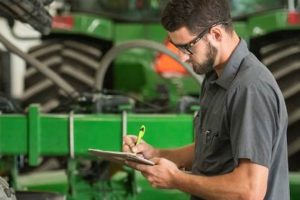
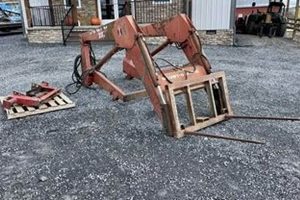
Specialized tools and machinery are essential for the efficient cultivation and harvesting of coniferous trees destined for holiday display. This encompasses a range of items from planting implements to shearing devices and transportation vehicles. Examples include tree planters, herbicide sprayers, specialized saws, balers, and shakers, each designed to streamline specific tasks in the cultivation process.
The use of appropriate implements optimizes operational efficiency, contributes to the consistent quality of the product, and ultimately enhances profitability. Historically, many tasks were performed manually, requiring significant labor. The introduction of powered equipment has greatly reduced the time and effort required for each stage of production. This evolution has allowed growers to manage larger acreages and meet increasing consumer demand while mitigating labor costs.
The subsequent sections will explore various categories of specialized tools, detailing their function, operation, and significance within the overall framework of a successful operation. Understanding the purpose and application of each implement is critical for effective resource management and achieving desired results in this agricultural sector.
Guidance on Optimal Utilization
Employing the correct tools and machinery is paramount for efficient operations. The following guidelines offer insights into maximizing the utility of diverse implements employed within the cultivation process.
Tip 1: Prioritize Regular Maintenance: Consistent upkeep of planting machines, shearing tools, and transport vehicles minimizes downtime and extends operational lifespan. Follow manufacturer guidelines for lubrication, blade sharpening, and filter replacement.
Tip 2: Calibrate Application Rates: Accurate herbicide and fertilizer application is crucial for tree health and environmental stewardship. Regularly calibrate sprayers to ensure consistent and appropriate dispersal, minimizing waste and potential harm to non-target species.
Tip 3: Invest in Ergonomic Designs: Prolonged use of manual tools can lead to operator fatigue and injury. Opt for equipment designed with ergonomic principles to reduce strain and enhance productivity. This may include adjustable handles, vibration dampening, and lightweight materials.
Tip 4: Optimize Blade Sharpness: Efficient shearing depends on the sharpness of blades. Regularly sharpen saw blades and shearing knives to ensure clean cuts, minimize tree damage, and reduce operator effort. Dull blades can lead to ragged cuts and increased susceptibility to disease.
Tip 5: Implement Safe Operating Procedures: Proper training and adherence to safety protocols are essential for preventing accidents. Ensure that all operators are thoroughly trained in the safe operation of each piece of machinery and are aware of potential hazards.
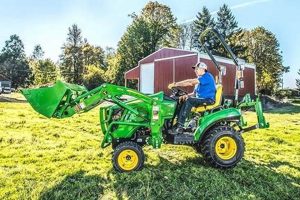
Tip 6: Consider Terrain and Tree Size: The selection should align with the topography of the land and the size of the trees being cultivated. Tractors, harvesters, or sprayers that match the operating environment enhance productivity and reduce unnecessary strain on the equipment.
Tip 7: Leverage Technological Advancements: Explore GPS guidance systems for planting and spraying operations. Automated systems can improve precision, reduce overlap, and optimize resource allocation.
Adherence to these guidelines will contribute to increased efficiency, improved tree quality, and a safer working environment. Careful consideration of these elements is essential for a sustainable and profitable operation.
The ensuing sections will delve into specific equipment categories, providing in-depth analysis of their application and maintenance requirements.
1. Planting efficiency

Planting efficiency, the rate at which seedlings are successfully established in a christmas tree farm, is fundamentally linked to the selection and utilization of appropriate implements. Efficient planting reduces labor costs, minimizes seedling mortality, and promotes uniform stand establishment, all critical factors for profitability.
- Mechanical Tree Planters
Mechanical planters are tractor-drawn implements designed to automate the planting process. These planters create a furrow, place the seedling, and compact the soil around the roots in a single pass. The utilization of such equipment can significantly increase the number of seedlings planted per day compared to manual methods, particularly on large acreages. Choosing a planter suited to the soil type and seedling size is crucial for optimizing performance and minimizing root damage.
- Augers and Post-Hole Diggers
Augers and post-hole diggers, often mounted on tractors or skid steers, are employed to create planting holes in harder soils or on sites with significant root competition. These tools ensure that seedlings are planted at the correct depth and with sufficient root space, promoting initial survival and growth. Correct auger size and careful operation are necessary to avoid soil compaction and root girdling, which can negatively impact long-term tree health.
- Seedling Handling Equipment
Efficient handling of seedlings prior to planting is essential to maintain their viability. Refrigerated storage units and seedling transport containers help to prevent desiccation and heat stress, ensuring that seedlings are in optimal condition at the time of planting. Proper handling procedures, such as avoiding root exposure to sunlight and wind, contribute to increased planting success rates.
- GPS Guidance Systems
GPS guidance systems, integrated with tractors and planting equipment, enhance planting accuracy and spacing uniformity. These systems enable growers to establish precise planting rows, optimize seedling density, and reduce overlap or gaps in the planting pattern. Accurate spacing improves resource utilization, promotes uniform growth, and simplifies subsequent management practices, such as mowing and shearing.
In summary, planting efficiency is directly influenced by the judicious selection and effective application of specialized farm equipment. The integration of mechanical planters, augers, appropriate seedling handling techniques, and GPS guidance systems can significantly enhance planting rates, reduce seedling mortality, and promote the establishment of a healthy and uniform tree stand, ultimately contributing to increased profitability and sustainability of the operation.
2. Shearing precision

Shearing precision, a crucial aspect of christmas tree cultivation, directly impacts the aesthetic quality and market value of the final product. Specialized implements are vital in achieving the desired conical shape and density demanded by consumers. Inconsistent shearing results in unsymmetrical trees, reducing their appeal and profitability. The connection between specialized farm equipment and shearing precision is causal: the quality and type of implement directly affect the consistency and accuracy of the trimming process.
Examples of farm equipment impacting shearing precision include shearing knives, both manual and powered, and mechanized hedging systems. Manual shearing knives offer a high degree of control, allowing for precise shaping of individual trees. However, this method is labor-intensive and prone to inconsistencies due to operator fatigue or varying skill levels. Powered shearing tools, such as gas-powered trimmers or electric hedge trimmers, increase efficiency and can improve uniformity when used by skilled operators. Mechanized hedging systems, often tractor-mounted, are designed for large-scale operations, providing a consistent trim across entire rows of trees. These systems require careful calibration and operation to avoid over-shearing or uneven shaping.
Achieving and maintaining shearing precision presents several challenges. Equipment maintenance, including blade sharpening and calibration of mechanized systems, is essential for optimal performance. Operator training is crucial for ensuring consistent technique and minimizing damage to trees. Furthermore, environmental factors, such as wind and tree density, can influence the effectiveness of shearing operations. Ultimately, the successful integration of appropriate farm equipment and skilled labor is necessary to achieve the shearing precision required for producing high-quality, marketable christmas trees. The investment in suitable equipment and operator training is a strategic decision that contributes significantly to the economic viability of a christmas tree farm.
3. Harvesting machinery

The harvesting phase of christmas tree cultivation necessitates specialized machinery for efficient and timely removal of mature trees. Harvesting machinery represents a critical subset of christmas tree farm equipment, directly impacting operational costs and the quality of the harvested product. The presence or absence of appropriate harvesting machinery can determine a farm’s ability to meet market demand during the limited selling season.
Examples of harvesting machinery include tree spades, which mechanically uproot trees while preserving the root ball for replanting or sale as live trees; tree balers, which compress trees for easier handling and transportation; and tree shakers, used to remove loose needles prior to baling. The implementation of tree spades, for instance, can significantly reduce the labor required for digging and wrapping trees, thereby increasing the volume of trees harvested per day. Tree balers streamline the process of loading trees onto trucks, minimizing transportation costs and reducing potential damage during transit. The absence of these implements necessitates reliance on manual labor, resulting in slower harvesting rates, increased labor expenses, and potential product damage.
In conclusion, harvesting machinery plays an indispensable role in the overall efficiency and profitability of christmas tree farms. The selection of appropriate implements depends on factors such as tree size, terrain, and intended market. Strategic investment in harvesting machinery is a key factor in ensuring the timely and cost-effective delivery of christmas trees to consumers. Without efficient harvesting practices, the entire cultivation process is rendered less effective and less profitable. A christmas tree farm without efficient harvesting machinery is at a marked disadvantage.
4. Transportation logistics

Transportation logistics represents a critical interface between the harvested product and the consumer market. Efficiency in this phase relies heavily on specialized implements for loading, securing, and delivering trees, collectively constituting an integral part of comprehensive operations. Inadequate transportation arrangements can negate efficiencies gained in cultivation and harvesting, leading to delayed deliveries, damaged product, and ultimately, diminished profitability. Proper coordination of machinery and logistical planning is, therefore, paramount for success.
Examples of implements directly related to transportation logistics include tree loaders (skid steers with specialized attachments), trailers designed for hauling trees (gooseneck trailers with tree-specific racking systems), and netting machines which prepare trees for space-efficient transport. A tree loader facilitates the rapid and safe loading of trees onto trailers, reducing labor requirements and minimizing physical damage. Specially designed trailers maximize the number of trees that can be transported per load while ensuring their stability during transit. Failure to utilize appropriate netting machinery may result in increased damage during transit, as loose branches are susceptible to breakage. Consequently, strategic investment in transportation equipment contributes directly to reduced labor costs, decreased product loss, and enhanced delivery timeliness.
The practical significance of understanding the connection lies in optimizing resource allocation and minimizing supply chain vulnerabilities. Challenges may include navigating narrow farm roads, securing appropriate permits for oversized loads, and mitigating the risk of damage during transit. Effective planning involves carefully matching equipment capacity to the scale of the operation, anticipating potential logistical bottlenecks, and implementing robust quality control measures to identify and address any damage incurred during transportation. Therefore, transportation logistics is not merely an ancillary consideration but an essential component of a holistic approach to tree cultivation.
5. Pest control sprayers

Pest control sprayers constitute a fundamental component within the broader category of christmas tree farm equipment, representing a critical investment for maintaining tree health and marketability. The effective application of pesticides and herbicides necessitates specialized sprayers designed to deliver precise dosages while minimizing environmental impact. Infestations and diseases, if left unchecked, can cause significant damage, rendering trees unsalable and impacting overall profitability. Pest control sprayers, therefore, act as a primary line of defense against biotic threats to tree stands. A direct causal relationship exists between the quality and appropriateness of the sprayer and the efficacy of pest control efforts.
Examples of such equipment include boom sprayers, air blast sprayers, and backpack sprayers, each suited to different scales of operation and specific pest control needs. Boom sprayers, often tractor-mounted, cover wide swaths of land efficiently, making them ideal for large-scale applications. Air blast sprayers utilize a high-velocity air stream to distribute chemicals, ensuring thorough coverage of dense foliage. Backpack sprayers offer maneuverability and precision for spot treatments or smaller areas. The absence of appropriate spray equipment necessitates reliance on less effective methods, such as manual application, which are labor-intensive, inconsistent, and potentially hazardous. For instance, using a boom sprayer on a large farm allows the christmas tree farm employee to apply insecticides at a fast rate, ensuring that the crop is saved from pest or diseases, if boom sprayer were not used, there is a huge likelyhood the pest will destroy the entire farm, this shows a direct causal relationship between boom sprayers on a large farm to eliminate pests on a christmas tree farm.
The practical significance of understanding the role of pest control sprayers lies in informed decision-making regarding equipment selection and operational protocols. Challenges include selecting the appropriate sprayer for the specific pest and terrain, calibrating sprayers to ensure accurate application rates, and adhering to safety regulations to minimize environmental and human health risks. Effective pest management requires not only the right equipment but also a comprehensive understanding of pest biology, application techniques, and regulatory requirements. Integrating pest control sprayers into a comprehensive pest management strategy is vital for the long-term health and economic sustainability of any tree farm.
6. Soil management tools
Soil management tools form a critical, albeit often underappreciated, category within the broader spectrum of christmas tree farm equipment. Healthy soil is the foundation for vigorous tree growth and overall farm productivity; therefore, the implements used to manage soil characteristics directly impact the success of the entire operation. The relationship between effective soil management practices and the selection of appropriate tools is causal: the right implements enable growers to improve soil structure, nutrient availability, and water infiltration, leading to healthier trees and increased yields. Conversely, the absence of suitable tools or improper soil management can result in stunted growth, increased susceptibility to disease, and reduced profitability.
Examples of soil management tools relevant to christmas tree farms include subsoilers, which break up compacted soil layers to improve drainage and root penetration; rotary tillers, used to prepare seedbeds and incorporate organic matter; and lime spreaders, which distribute lime to adjust soil pH to optimal levels for tree growth. Consider a farm struggling with poor drainage due to soil compaction. Implementing subsoiling as a practice would address the compaction issue, in turn improving water infiltration and root development. The subsoiler itself would then constitute a vital piece of equipment for ameliorating a soil-related limitation on tree growth. Without a subsoiler or similar implement, resolving the compaction issue becomes significantly more challenging, potentially leading to long-term productivity declines. Moreover, soil testing equipment provides essential data to inform the need for other soil amendments.
The practical significance of understanding the link between soil management and specialized tools lies in maximizing long-term productivity and minimizing environmental impacts. Challenges include selecting the appropriate implements for specific soil conditions, calibrating equipment to ensure accurate application of amendments, and implementing sustainable practices that maintain soil health over time. By strategically integrating soil management tools into their operational plan, christmas tree growers can create optimal growing conditions, reduce the need for chemical inputs, and enhance the overall resilience of their farms. The use of appropriate soil management practices also minimizes soil erosion and nutrient runoff, contributing to environmental stewardship and compliance with regulatory requirements.
Frequently Asked Questions
This section addresses common inquiries regarding the selection, application, and maintenance of specialized implements used in the cultivation of christmas trees. These answers provide insights for optimizing operational efficiency and ensuring the sustainable management of resources.
Question 1: What are the essential pieces of Christmas tree farm equipment required to start a small-scale operation?
The foundational implements include a tractor with implements for site preparation (e.g., a rotary tiller), a mechanical tree planter, shearing knives (manual or powered), a herbicide sprayer, and transportation equipment (a trailer). Investment in these core items enables basic operational functionality.
Question 2: How frequently should Christmas tree farm equipment, such as sprayers, be calibrated?
Sprayers require calibration prior to each application season and whenever changes are made to nozzle types, operating pressure, or tractor speed. Regular calibration ensures accurate application rates and minimizes the risk of over- or under-application of chemicals.
Question 3: What factors should influence the choice between manual and powered shearing implements?
Considerations include the size of the operation, the skill level of available labor, and the desired level of shearing precision. Powered implements increase efficiency on larger farms, while manual knives offer greater control for detailed shaping by experienced personnel.
Question 4: What are the best practices for maintaining harvesting machinery during the off-season?
Adherence to manufacturer’s recommendations for cleaning, lubrication, and storage is crucial. Additionally, inspect machinery for wear and tear, replace worn parts, and perform necessary repairs to ensure optimal performance during the next harvesting season.
Question 5: How can GPS technology improve the efficiency of Christmas tree farm equipment operations?
GPS guidance systems enhance planting accuracy, optimize spraying patterns, and facilitate precise mapping of tree stands. This technology reduces overlap, minimizes waste, and improves overall resource management.
Question 6: What safety precautions should be emphasized when operating specialized Christmas tree farm equipment?
Comprehensive training for all operators is paramount. Adherence to safety protocols, including wearing appropriate personal protective equipment and conducting pre-operation equipment inspections, is essential for preventing accidents and ensuring a safe working environment.
In conclusion, careful consideration of these questions and their answers contributes to informed decision-making and effective management of resources within the christmas tree cultivation industry.
The subsequent section will address emerging trends and technological advancements within the field.
Concluding Remarks on Christmas Tree Farm Equipment
This exploration has underscored the indispensable role of specialized machinery in the cultivation and harvesting of coniferous trees. From planting implements to harvesting machinery, the efficiency and effectiveness of these tools directly correlate with the success of the operation. Investing in appropriate equipment, adhering to rigorous maintenance schedules, and prioritizing operator training are essential for maximizing productivity and profitability.
The future of this agricultural sector hinges on continued innovation in “christmas tree farm equipment” and the adoption of sustainable practices. Embracing technological advancements, such as GPS guidance systems and precision application technologies, will be crucial for optimizing resource utilization and minimizing environmental impact. A commitment to continuous improvement and informed decision-making will ensure the long-term viability and resilience of the christmas tree industry.

![Best DH Farm Equipment: [Year] Guide + More! | The Conscious Farmer | Sustainable Agriculture for a Healthier Planet](https://livingedgefarm.com/wp-content/uploads/2025/08/th-1937-300x200.jpg "Best DH Farm Equipment: [Year] Guide + More! The Conscious Farmer | Sustainable Agriculture for a Healthier Planet")