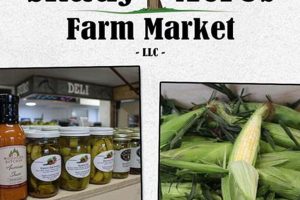
The movement of agricultural produce directly from growers to consumers, bypassing traditional wholesale and retail channels, is gaining prominence. This approach prioritizes direct sales through avenues such as farmers’ markets, roadside stands, community-supported agriculture (CSA) programs, and direct delivery services. For example, a local orchard selling apples at a weekend market exemplifies this process.
This system offers several advantages. It fosters stronger connections between producers and consumers, promoting transparency and traceability in the food supply chain. Economically, it can increase profitability for farmers by allowing them to capture a larger share of the retail price. Environmentally, it often encourages sustainable farming practices and reduces transportation distances, lowering carbon emissions. Historically, such direct agricultural sales were common before the rise of large-scale industrial food systems, and a resurgence reflects a desire for fresher, locally sourced food.
The following sections will delve deeper into the specific models of direct agricultural sales, examining their impact on local economies, consumer access to healthy food, and the overall sustainability of food production.
Strategies for Success in Direct Agricultural Sales
Employing effective strategies is crucial for producers and consumers engaging in direct agricultural sales. The following guidelines outline key considerations for optimizing benefits and ensuring successful participation.
Tip 1: Diversify Sales Channels. Relying solely on one outlet, such as a weekly market, can limit reach. Explore multiple avenues, including CSAs, online ordering systems, and partnerships with local restaurants, to broaden customer base and mitigate risk.
Tip 2: Emphasize Product Quality and Freshness. Direct sales provide an opportunity to showcase superior produce. Invest in practices that maintain optimal freshness and communicate these qualities to consumers through clear labeling and transparent farming methods.
Tip 3: Cultivate Customer Relationships. Direct interaction allows for building trust and loyalty. Engage with consumers, provide information about farming practices, and address concerns promptly to foster long-term relationships.
Tip 4: Prioritize Transparency and Traceability. Clearly communicate the origin of products and the methods used in their production. This builds confidence and caters to consumers increasingly interested in knowing where their food comes from.
Tip 5: Understand Local Regulations. Comply with all applicable regulations regarding food safety, labeling, and permitting. This ensures legal compliance and protects both producers and consumers.
Tip 6: Invest in Effective Marketing. Promote offerings through a variety of channels, including social media, local advertising, and community events. Highlight the benefits of sourcing directly from local farms.
Tip 7: Manage Inventory Effectively. Accurate forecasting and efficient inventory management are essential to minimize waste and maximize profitability. Implement systems to track product availability and adjust production accordingly.
Adhering to these guidelines can enhance the viability and impact of direct agricultural sales, creating a more sustainable and equitable food system.
The subsequent discussion will examine the challenges and opportunities associated with scaling direct agricultural sales models and promoting broader adoption.
1. Direct Sales

Direct sales constitute a cornerstone of agricultural models where producers interact directly with consumers, eliminating intermediaries. This fundamental aspect profoundly shapes the economics, logistics, and social dynamics associated with the farm-to-consumer approach, fostering a more localized and transparent food system.
- Elimination of Intermediaries
Direct sales inherently bypass wholesalers, distributors, and retailers. This elimination translates to a larger share of the consumer dollar reaching the farmer, improving profitability and financial sustainability. For instance, a vegetable grower selling produce at a farmers market receives a significantly higher percentage of the final sale price than if selling to a supermarket.
- Enhanced Price Control
Producers engaged in direct sales gain greater control over pricing. They can set prices based on production costs, market demand, and perceived value, rather than adhering to prices dictated by larger market forces. This flexibility allows them to respond more effectively to changing conditions and maximize revenue. For example, during a period of high demand for organic produce, a direct-selling farmer can adjust prices accordingly.
- Direct Customer Feedback
Direct interaction with consumers provides immediate and valuable feedback on product quality, pricing, and preferences. This feedback loop allows farmers to adapt their production practices and offerings to better meet consumer needs, fostering a closer relationship and increasing customer satisfaction. A farmer observing customer interest in a specific heirloom variety might expand its cultivation in subsequent seasons.
- Branding and Storytelling
Direct sales channels offer opportunities for producers to build their brand and share the story behind their farm and products. This can create a unique selling proposition and differentiate their offerings from those available through conventional channels. A dairy farmer providing tours of their farm and explaining their sustainable practices can attract customers seeking ethically sourced products.
These interconnected facets of direct sales underscore its pivotal role in shaping the agricultural dynamic. By enhancing producer profitability, fostering consumer engagement, and facilitating transparency, direct sales not only benefit individual farmers but also contribute to the development of more resilient and localized food systems, reinforcing the core principles of connecting farms to markets directly.
2. Local Economy

Direct agricultural sales exert a multifaceted influence on local economies. The redirection of consumer spending from national chains to local farms and associated businesses generates a multiplier effect, stimulating economic activity within the community. This dynamic fosters job creation not only in agricultural production but also in related sectors such as food processing, transportation, and retail. The increased circulation of money within the local economy strengthens its resilience and capacity for sustainable growth. As an example, a farmers’ market in a rural town attracts customers from surrounding areas, leading to increased patronage of nearby restaurants and shops, thereby boosting the overall economic health of the community.
The support of local agriculture through direct sales models also encourages the preservation of farmland and rural landscapes. This preservation contributes to the aesthetic value of the community and supports tourism, further diversifying the economic base. Moreover, locally sourced food reduces reliance on long-distance transportation networks, minimizing fuel consumption and supporting local infrastructure. Community Supported Agriculture (CSA) programs, for instance, provide farmers with upfront capital, enabling them to invest in their operations and sustain agricultural production, securing the economic viability of local farms.
However, challenges remain in maximizing the economic benefits of direct agricultural sales. Ensuring equitable access to these markets for all farmers, particularly small-scale and marginalized producers, requires targeted support and resources. Furthermore, infrastructure limitations, such as inadequate processing facilities and storage capabilities, can hinder the expansion of direct sales initiatives. Addressing these challenges through strategic investments and policy interventions is crucial to realizing the full potential of direct agricultural sales as a catalyst for sustainable local economic development.
3. Fresh Produce

Direct agricultural sales are inextricably linked to the provision of fresh produce. The shorter transit times inherent in farm-to-consumer systems are a primary factor in maximizing produce quality and nutritional value. Unlike produce destined for conventional distribution channels, which may spend days or weeks in transit and storage, items sold directly from the farm often reach consumers within hours of harvest. This minimal delay results in significantly reduced nutrient degradation and enhanced flavor profiles. For example, a tomato purchased at a farmers’ market, harvested that morning, will typically exhibit superior taste and higher vitamin content compared to a supermarket tomato that has undergone extensive handling and storage.
The emphasis on freshness also encourages farmers to cultivate varieties specifically selected for flavor and quality rather than solely for their ability to withstand long-distance transport. This translates to a greater diversity of produce available to consumers, often including heirloom varieties and unique cultivars rarely found in conventional retail settings. The immediacy of the sales channel allows farmers to pick produce at its peak ripeness, ensuring optimal flavor and nutritional density. Furthermore, this close proximity between producer and consumer fosters transparency, enabling consumers to inquire about growing practices and make informed choices based on the freshness and sustainability of the produce.
However, maintaining the freshness of produce in farm-to-consumer settings presents challenges. Proper handling, storage, and transportation techniques are crucial to prevent spoilage and maintain quality. Farmers must invest in appropriate cooling and preservation methods to ensure that produce remains fresh until it reaches the consumer. Despite these challenges, the commitment to delivering fresh produce remains a defining characteristic of direct agricultural sales, driving consumer demand and supporting the economic viability of local farms. The integration of efficient logistics and consumer education about optimal storage practices further enhances the benefits derived from accessing locally sourced, fresh produce.
4. Farmer Viability

The concept of farmer viability is intrinsically linked to direct agricultural sales. The ability of farmers to sustain their operations economically is a fundamental outcome and driving force behind the movement of agricultural products directly from the farm to the consumer. Direct sales channels, such as farmers’ markets, CSAs, and roadside stands, allow farmers to bypass traditional wholesale and retail markets, thereby retaining a greater portion of the consumer dollar. This increased revenue can be the difference between a farm remaining operational and being forced to cease production. For example, a small-scale vegetable farm that sells directly to consumers may earn significantly more per unit than if the same produce were sold to a distributor, thereby improving its financial stability.
Furthermore, direct agricultural sales foster greater market responsiveness and adaptability for farmers. Direct interaction with consumers provides immediate feedback on product preferences, pricing, and quality, enabling farmers to tailor their production practices to meet specific market demands. This agility can reduce waste, optimize yields, and enhance profitability. Consider a fruit orchard that adjusts its harvesting schedule based on direct feedback from customers at a farmers’ market, ensuring that the fruit sold is consistently at peak ripeness and flavor. This responsiveness is critical for long-term success, particularly in the face of fluctuating market conditions and evolving consumer preferences. The establishment and maintenance of these direct channels often require investment in infrastructure and marketing, however the long-term gains in financial security and customer loyalty contribute significantly to farmer viability.
In conclusion, farmer viability is not merely a desirable outcome but an essential component of direct agricultural sales. The increased revenue, market responsiveness, and strengthened consumer relationships that result from these direct channels are crucial for ensuring the economic sustainability of farms. While challenges remain in establishing and maintaining successful direct sales operations, the potential for enhanced farmer viability makes this approach a critical element of a resilient and equitable food system. Further research into best practices and policy support for direct agricultural sales is vital for fostering the continued success of farmers and the communities they serve.
5. Consumer Connection

Direct agricultural sales models hinge significantly on cultivating and maintaining a strong consumer connection. This connection transcends a mere transactional exchange; it embodies a relationship built on trust, transparency, and shared values. The strength of this connection directly impacts the sustainability and success of initiatives where agricultural produce is sold directly from the producer to the end consumer.
- Transparency in Production Practices
A pivotal element of the consumer connection is transparency regarding farming methods. Direct agricultural sales provide opportunities for farmers to openly communicate their cultivation techniques, pest management strategies, and soil health practices. For instance, a farmer showcasing their organic certification or explaining integrated pest management techniques at a farmers’ market fosters confidence among consumers, encouraging repeat purchases and brand loyalty. This transparency contrasts with conventional supply chains, where such details are often opaque.
- Shared Values and Community Building
Direct sales often attract consumers who share values related to supporting local economies, promoting environmental sustainability, and accessing fresh, healthy food. Community Supported Agriculture (CSA) programs exemplify this, with members actively investing in a local farm’s success in exchange for a share of the harvest. This arrangement cultivates a sense of shared purpose and mutual support, strengthening the bond between producers and consumers beyond a simple commercial transaction. Community events at farms, such as harvest festivals, further solidify these relationships.
- Direct Feedback and Product Adaptation
The direct interaction inherent in agricultural sales facilitates immediate feedback from consumers to producers. This feedback loop enables farmers to adapt their production practices and product offerings to better meet customer preferences. For example, a farmer selling heirloom tomatoes at a roadside stand can gauge customer interest in different varieties and adjust planting plans accordingly for the following season. This responsiveness increases customer satisfaction and minimizes waste by aligning production with consumer demand.
- Education and Culinary Exploration
Direct interaction can serve as an avenue for educating consumers about the seasonality of produce, preparation methods, and the nutritional benefits of locally grown food. Farmers can share recipes, offer cooking demonstrations, and provide information about the unique qualities of their products. This educational aspect enhances the consumer experience, fostering a deeper appreciation for agriculture and encouraging more informed food choices. For example, a farmer offering samples of a less common vegetable along with preparation tips at a farmers market can introduce consumers to new flavors and expand their culinary repertoire.
These facets highlight how “Consumer Connection” significantly influences and enriches the interaction. By fostering transparency, promoting shared values, enabling direct feedback, and providing educational opportunities, fosters strong relationships. These solid consumer connections support the viability of local farms, strengthen local economies, and facilitate access to fresh, sustainable food sources.
6. Reduced Transportation
Direct agricultural sales are fundamentally characterized by a reduction in transportation distances compared to conventional food supply chains. This decreased reliance on extensive distribution networks translates to several beneficial consequences, both environmentally and economically. The proximity between production and consumption inherently minimizes the distance food travels from farm to consumer, a defining characteristic of the farm-to-consumer model. For example, produce sold at a farmers’ market located in a rural community typically originates from farms within a relatively small radius, often less than 50 miles. This contrasts sharply with supermarket produce, which may have traveled hundreds or even thousands of miles via truck, rail, or air transport.
The practical implications of reduced transportation are significant. Decreased fuel consumption leads to lower greenhouse gas emissions, contributing to a smaller carbon footprint for locally sourced food. Reduced transportation also minimizes the need for extensive refrigeration and preservation processes, further decreasing energy consumption and environmental impact. Furthermore, shorter transit times result in fresher produce with enhanced nutritional value, as the degradation of vitamins and minerals is slowed. Economically, reduced transportation costs can lower the overall price of food for consumers and increase the profitability of local farms by minimizing distribution expenses. Initiatives promoting local food systems often emphasize reduced transportation as a key benefit, encouraging consumers to support farmers who prioritize proximity to market.
In summary, the connection between direct agricultural sales and reduced transportation is a core tenet of sustainable food systems. The inherent minimization of travel distances lowers environmental impact, enhances produce quality, and strengthens local economies. While challenges remain in scaling direct agricultural sales to meet widespread demand, the principles of reduced transportation serve as a guiding force in promoting more localized, resilient, and environmentally responsible food production and distribution models. Efforts to further shorten the distance between farms and markets are essential for achieving a truly sustainable and equitable food future.
Frequently Asked Questions
The following addresses common inquiries regarding the movement of agricultural produce directly from producers to consumers, commonly referred to as direct agricultural sales.
Question 1: What distinguishes direct agricultural sales from traditional retail channels?
Direct agricultural sales circumvent conventional wholesale and retail intermediaries. This allows producers to sell directly to consumers through avenues such as farmers’ markets, roadside stands, and Community Supported Agriculture (CSA) programs.
Question 2: What are the primary advantages for farmers participating in direct agricultural sales?
Farmers engaged in direct sales typically retain a larger share of the consumer dollar compared to selling through traditional channels. This improved profitability enhances the economic viability of their operations.
Question 3: How do direct agricultural sales benefit consumers?
Consumers benefit through access to fresher, often locally sourced produce, and opportunities to connect directly with producers. This fosters transparency and trust in the food supply chain.
Question 4: What role does transportation play in the direct agricultural sales model?
Reduced transportation distances are a hallmark of direct sales. This minimizes fuel consumption, greenhouse gas emissions, and post-harvest losses, contributing to a more sustainable food system.
Question 5: Are there specific regulations governing direct agricultural sales?
Regulations vary by location. Producers engaged in direct sales must comply with all applicable food safety standards, labeling requirements, and permitting regulations to ensure legal compliance and consumer safety.
Question 6: How can the long-term sustainability of direct agricultural sales be ensured?
Sustainability depends on several factors, including effective marketing, efficient inventory management, strong customer relationships, and ongoing adaptation to evolving consumer preferences and market conditions.
These FAQs provide a foundational understanding of the principles and practices governing the direct agricultural sales model.
The subsequent section will explore the challenges and opportunities associated with expanding the reach and impact of direct agricultural sales initiatives.
Farm to Market
The preceding analysis has presented a comprehensive examination of direct agricultural sales. Key aspects explored include the elimination of intermediaries, the strengthening of local economies, the delivery of fresh produce, the enhancement of farmer viability, the fostering of consumer connection, and the reduction of transportation distances. These interconnected elements collectively define a food system that prioritizes localized production, economic sustainability, and environmental responsibility.
The continued evolution and support of direct agricultural sales are crucial for building resilient and equitable food systems. Stakeholders, including producers, consumers, policymakers, and researchers, must collaborate to address existing challenges and capitalize on emerging opportunities. Ultimately, the widespread adoption of farm-to-market principles is essential for fostering a food system that nourishes both communities and the environment, promoting long-term sustainability and food security.

![Visit Paul's Farm Market Today! [Fresh & Local] | The Conscious Farmer | Sustainable Agriculture for a Healthier Planet](https://livingedgefarm.com/wp-content/uploads/2025/08/th-7467-300x200.jpg "Visit Paul's Farm Market Today! [Fresh & Local] The Conscious Farmer | Sustainable Agriculture for a Healthier Planet")