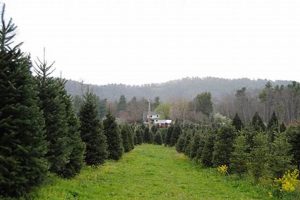
This cultivation method involves establishing a central, mature tree surrounded by younger saplings. The established, older plant serves as a resource hub, potentially facilitating nutrient transfer and communication through mycorrhizal networks in the soil. This interconnectedness may enhance the survival and growth rates of the adjacent younger trees. This approach differs significantly from traditional monoculture forestry, where trees of uniform age and species are planted in a grid pattern.
The intentional fostering of these interconnected ecosystems can lead to increased biodiversity and resilience within the managed area. The mature trees presence offers shade, wind protection, and a seed source, contributing to a more stable environment for developing seedlings. Historically, indigenous forestry practices have long recognized and utilized the benefits of inter-tree communication and resource sharing, laying the groundwork for this modern silvicultural approach.
Understanding the complexities of these interactions is crucial for optimizing forest management practices. Subsequent sections will delve into the scientific evidence supporting the benefits of interconnected root systems, explore the practical implementation of this method, and discuss its implications for sustainable forestry and carbon sequestration.
Cultivation Strategies Based on Established Tree Networks
This section provides practical guidelines derived from the principles of fostering interconnected ecosystems within managed woodlands. The following points emphasize strategies for optimizing plant health and promoting overall forest resilience.
Tip 1: Site Assessment: Conduct a thorough analysis of soil composition, drainage, and microclimate variations before introducing new saplings. Identifying favorable locations enhances survival rates and reduces the need for intensive intervention.
Tip 2: Selection of Compatible Species: Choose tree species that exhibit synergistic relationships, promoting resource sharing and mutual protection. Consider factors like shade tolerance, nutrient requirements, and growth rates to avoid competition.
Tip 3: Mycorrhizal Inoculation: Introduce beneficial mycorrhizal fungi to the soil to enhance nutrient uptake and water absorption, particularly for young trees establishing their root systems. This can be achieved through direct inoculation or by incorporating soil from established, healthy forests.
Tip 4: Strategic Planting Density: Avoid overcrowding, allowing sufficient space for each tree to develop a healthy canopy and root system. Proper spacing minimizes competition for resources and promotes air circulation, reducing the risk of disease.
Tip 5: Protective Measures: Implement measures to protect young saplings from herbivory and physical damage. This may include fencing, tree guards, or selective weed control to reduce competition for sunlight and nutrients.
Tip 6: Monitor Tree Health: Regularly monitor tree vigor and address any signs of stress or disease promptly. Early intervention can prevent widespread problems and maintain the overall health of the forest.
Tip 7: Pruning and Thinning: Conduct selective pruning and thinning to optimize light penetration and air circulation within the canopy. This promotes healthy growth and reduces the risk of disease outbreaks.
These cultivation methods prioritize the establishment of robust, interconnected forest ecosystems. By implementing these strategies, forest managers can enhance the long-term health, resilience, and productivity of managed woodlands.
The subsequent section will address the economic and environmental implications of adopting this approach in forest management practices.
1. Interconnectedness

Interconnectedness forms the foundational principle upon which established tree-centric silviculture is built. This refers to the complex network of relationships between trees, soil organisms, and the broader environment. The presence of mature, central trees facilitates this interconnectedness through several key mechanisms. Mycorrhizal fungi, which establish symbiotic relationships with tree roots, form extensive networks that connect individual trees, allowing for the transfer of nutrients, water, and even defensive signals. This network effectively creates a shared resource pool, enhancing the survival and growth of younger trees within the vicinity of the larger, more established plant.
The impact of interconnectedness is evident in the increased resilience of forests managed using this method. For example, in studies conducted on Douglas-fir forests, researchers have observed that seedlings connected to established trees via mycorrhizal networks exhibit higher survival rates during periods of drought and insect infestations. The established trees can supply resources and transmit warning signals, enabling the younger trees to better withstand environmental stressors. Furthermore, increased biodiversity within these managed areas contributes to greater ecosystem stability. This form of network interaction strengthens the entire stand against external shocks, mirroring the stability seen in old-growth forests where decades of interaction have woven a strong and diverse network.
Understanding the practical significance of interconnectedness is essential for effective forest management. By intentionally fostering these relationships through careful planting strategies, soil management practices, and the preservation of existing mature trees, forest managers can create more resilient, productive, and sustainable forest ecosystems. However, challenges remain in fully quantifying and managing these complex interactions. Further research is needed to fully understand the nuances of inter-tree communication and resource allocation, ensuring that forest management practices are truly optimized for long-term ecological and economic benefits. The potential degradation or removal of keystone older plants can then severely disrupt this natural interconnectedness.
2. Ecosystem Resilience

Ecosystem resilience, the capacity of an ecosystem to withstand disturbance and return to a stable state, is intrinsically linked to the presence and function of established central trees within silvicultural practices. The older, more mature plants serve as anchor points within the ecosystem, providing stability during periods of environmental stress. Their extensive root systems stabilize the soil, preventing erosion and maintaining water infiltration. The increased shade canopy buffers temperature fluctuations and reduces evapotranspiration, creating a more favorable microclimate for younger, developing trees. For example, after a wildfire, areas with surviving mature trees exhibit faster rates of regeneration compared to areas where all trees were destroyed, demonstrating the importance of these plants in promoting ecosystem recovery. The loss of these older plants can be considered a cascade in the entire forest network.
The biodiversity fostered by this system further contributes to ecosystem resilience. Mature plants support a wider array of flora and fauna, increasing the functional diversity within the ecosystem. This diversity enhances the ecosystem’s ability to adapt to changing conditions. A forest with a multitude of tree species, understory plants, and associated animal life is better equipped to resist pests, diseases, and climate change impacts than a monoculture plantation. The network created by an established central tree promotes species interdependency, nutrient transfer, and overall improved health. A case study in the Pacific Northwest showed that areas managed with retention of older trees had significantly higher bird diversity and lower incidences of insect outbreaks compared to conventionally harvested areas. These natural network systems are able to self regulate as well, decreasing the burden of constant monitoring, treatment, or other direct interactions.
In conclusion, the inclusion of established trees is a key component of building ecosystem resilience within managed forests. Their presence provides stability, buffers against environmental stressors, and promotes biodiversity, enhancing the ability of the ecosystem to withstand disturbance and recover. The recognition of this principle is crucial for sustainable forest management practices that prioritize long-term ecological health and productivity. Understanding the significance of such a silvicultural system is crucial for any long-term forestry endeavor, both economically and ecologically.
3. Nutrient Transfer

Nutrient transfer constitutes a critical process within silvicultural systems centered around established plants. Mature trees, with their extensive and well-established root systems, possess a greater capacity to access and absorb nutrients from the soil compared to younger saplings. Through mycorrhizal networks, these established plants facilitate the transfer of essential nutrients, such as nitrogen, phosphorus, and water, to the surrounding younger trees. This process is particularly important in nutrient-poor soils or during periods of drought, when younger trees may struggle to acquire sufficient resources on their own. Research indicates that seedlings connected to mature plants via mycorrhizal networks exhibit significantly higher growth rates and survival rates compared to unconnected seedlings, directly illustrating the impact of this transfer mechanism. In essence, this is a naturally driven form of plant-to-plant fertilization within a complex ecosystem.
The practical significance of understanding nutrient transfer lies in its implications for forest management. By promoting the establishment and maintenance of mature plants within managed forests, foresters can enhance the overall health and productivity of the stand. This includes employing selective logging practices that retain mature trees, as well as managing the soil to promote mycorrhizal activity. For example, avoiding clear-cutting and instead using selective harvesting methods preserves the network while allowing resource access from the mature plants. Additionally, soil amendments, such as adding organic matter, can improve soil fertility and stimulate mycorrhizal growth. A specific instance highlighting this is found in studies of boreal forests. These analyses confirmed that older birch trees transferred carbon to younger spruce trees, facilitating growth and establishing a synergistic effect within the mixed-species forest.
In conclusion, nutrient transfer via mycorrhizal networks represents a vital mechanism for promoting the health and resilience of plant communities. By understanding and managing these processes, forest managers can create more sustainable and productive forest ecosystems. However, challenges remain in fully understanding the complexities of nutrient transfer and its interaction with other ecosystem processes. Continued research and monitoring are essential to refine management practices and ensure the long-term health and stability of such systems. The preservation of these trees and the soil they occupy is the preservation of the network and its functions.
4. Biodiversity Support
The term “Biodiversity Support,” when considered in the context of silviculture centered around established plants, highlights the enhanced capacity of such managed ecosystems to foster a greater variety of plant and animal life. This increase in biodiversity is not merely a superficial accumulation of species but represents a fundamental shift towards a more complex and resilient ecosystem structure, underpinned by the presence and influence of key mature individuals.
- Habitat Provision
Established plants provide a diverse range of habitats that support a wide array of species. Older trees often exhibit structural complexity, including cavities, crevices, and dead branches, which offer nesting sites, shelter, and foraging opportunities for birds, mammals, insects, and other invertebrates. The understory vegetation surrounding the main plants creates microclimates and provides additional food sources and refuge for ground-dwelling animals. In contrast, monoculture plantations offer limited habitat diversity, supporting a significantly smaller range of species. For example, studies have shown that forests managed with retention of older trees support a higher density and diversity of cavity-nesting birds compared to clear-cut areas.
- Food Web Complexity
The presence of mature trees enhances the complexity and stability of food webs within the ecosystem. Older trees support a greater diversity of herbivores, which in turn provide food for predators. Mycorrhizal networks, which connect trees and facilitate nutrient transfer, also support a complex community of soil organisms, including fungi, bacteria, and invertebrates, further enriching the food web. Furthermore, the decomposition of leaf litter and deadwood from established trees provides a source of nutrients and energy for decomposers, driving nutrient cycling within the ecosystem. A more diverse food web is more resilient to disturbances, as the loss of any single species is less likely to cause a cascading effect throughout the system.
- Successional Dynamics
These silvicultural systems promote natural successional processes, leading to a more diverse and dynamic forest structure. The older plants act as seed sources, facilitating the regeneration of different tree species and promoting the development of a multi-aged forest. This structural complexity creates a mosaic of habitats, supporting a wider range of species with different ecological requirements. For instance, shade-tolerant species can thrive in the understory beneath the canopy of mature trees, while sun-loving species can colonize gaps created by treefall. This dynamic interplay of species and habitats contributes to the long-term stability and resilience of the ecosystem.
The enhanced biodiversity associated with the system centered around mature plants is not only beneficial for wildlife but also contributes to the overall health and functioning of the ecosystem. A more diverse ecosystem is better equipped to provide ecosystem services such as pollination, pest control, water purification, and carbon sequestration. This highlights the importance of incorporating biodiversity considerations into forest management practices to ensure the long-term sustainability of forest ecosystems. These benefits provide a strong argument for the incorporation of such practices in forestry management.
5. Sustainable Yield
Sustainable yield, in the context of silvicultural systems, refers to the management of forest resources to ensure a continuous supply of timber and other forest products without compromising the long-term health and productivity of the ecosystem. Integration of the established plant concept into forest management can significantly influence the achievement of sustainable yield goals.
- Selective Harvesting and Regeneration
Selective harvesting, a key component of sustainable yield management, involves removing individual trees or small groups of trees while leaving the majority of the forest stand intact. When these older individuals are left undisturbed, they provide a seed source for natural regeneration, ensuring the continuous recruitment of new trees. The structural diversity created by selective harvesting also enhances habitat heterogeneity, supporting a wider range of species and promoting ecosystem resilience. For instance, forest stands harvested using selection cutting methods exhibit higher rates of regeneration and greater species diversity compared to clear-cut areas.
- Growth Enhancement through Network Support
Older, more established trees facilitate nutrient transfer to younger saplings through mycorrhizal networks, accelerating their growth and reducing mortality rates. This interconnectedness enhances the overall productivity of the forest stand, contributing to a higher sustainable yield. The presence of mature plants also provides shade and protection for young trees, creating a more favorable microclimate and further promoting their growth and survival. Analyses of forest productivity indicate that stands with interconnected root systems and network exhibit enhanced growth rates, potentially leading to increased future harvest volume.
- Reduced Reliance on Artificial Regeneration
Reliance on established trees for natural regeneration reduces the need for costly and energy-intensive artificial regeneration methods, such as planting seedlings. Natural regeneration also preserves the genetic diversity of the forest stand, enhancing its adaptability to changing environmental conditions. Reduced investment in artificial regeneration frees up resources that can be allocated to other aspects of forest management, such as pest control and wildfire prevention. These cost savings, paired with enhanced natural growth, combine to contribute to the economic benefits of sustainable practices.
- Long-Term Ecosystem Health and Carbon Sequestration
Sustainable yield management, when combined with practices that protect the health of the entire network system, enhances the long-term health and resilience of forest ecosystems. Healthy forests are better able to withstand disturbances, such as pests, diseases, and climate change impacts, ensuring a continuous supply of timber and other forest products. Additionally, mature forests sequester large amounts of carbon, helping to mitigate climate change. The combined effects of ecosystem stability and carbon sequestration contribute to the environmental sustainability of these silvicultural practices.
The established network, therefore, plays a critical role in achieving sustainable yield by promoting natural regeneration, enhancing growth rates, reducing reliance on artificial regeneration, and improving long-term ecosystem health. Implementation of forest management practices that prioritize the protection and maintenance of central hub trees is essential for ensuring the sustainable use of forest resources. This model provides a practical means of approaching both ecological responsibility and economic output.
6. Climate Regulation

Climate regulation, referring to the processes that influence Earth’s climate system, is intricately linked to forest ecosystems. Silvicultural practices centered around established trees play a crucial role in enhancing forests’ capacity to regulate climate, influencing carbon sequestration, albedo, and evapotranspiration.
- Enhanced Carbon Sequestration
Mature trees, due to their size and longevity, store significant quantities of carbon in their biomass. By retaining and nurturing these established trees, the carbon storage capacity of the forest is maximized. Furthermore, the interconnected network promotes growth in surrounding younger trees, increasing overall carbon uptake. Unlike harvested timber that releases carbon upon decomposition or burning, living trees function as long-term carbon sinks. For instance, old-growth forests are recognized for their disproportionately high carbon storage compared to younger plantations, demonstrating the importance of mature trees in climate mitigation.
- Improved Albedo Management
Albedo, the reflectivity of a surface, influences the amount of solar radiation absorbed by the Earth. Forests generally have a lower albedo than open land or snow-covered areas, meaning they absorb more solar radiation. However, the presence of diverse canopy structures, promoted by the practices surrounding older plants, can modify albedo effects. A multi-layered canopy with varying leaf angles can increase light scattering and potentially reduce the overall absorption of solar radiation. This contrasts with uniform plantations, which have a more homogenous albedo profile. Regions with extensive afforestation projects need to carefully consider tree species and management practices to optimize albedo effects.
- Regulation of Evapotranspiration
Evapotranspiration, the process by which water is transferred from the land to the atmosphere by evaporation and plant transpiration, plays a crucial role in regulating regional climate patterns. Forests facilitate evapotranspiration, which cools the land surface and increases atmospheric humidity, influencing precipitation patterns. Established plants, with their deep root systems, access groundwater resources, contributing to sustained evapotranspiration even during dry periods. This contrasts with deforested areas, where reduced evapotranspiration can lead to increased surface temperatures and altered rainfall patterns. Studies have demonstrated that forests significantly contribute to rainfall generation in many regions, emphasizing the importance of forest conservation for water resource management.
- Microclimate Modification
The presence of mature trees creates a buffered microclimate beneath the forest canopy. The dense canopy reduces solar radiation reaching the forest floor, moderating temperature extremes and reducing evaporation. This creates a more humid and stable environment, benefiting sensitive species and promoting biodiversity. Moreover, forests act as windbreaks, reducing wind speeds and preventing soil erosion. The microclimate benefits provided by established plants can enhance the resilience of the forest ecosystem to climate change impacts. Urban forestry initiatives recognize the importance of trees in mitigating the urban heat island effect, highlighting the climate regulation services provided by trees.
These climate regulation services, enhanced by silvicultural practices, underscore the vital role of sustainably managed forests in mitigating climate change and promoting environmental sustainability. Recognizing and valuing these climate benefits is essential for informing forest management policies and promoting the long-term health and resilience of forest ecosystems. Furthermore, these natural mechanisms are able to self-regulate.
Frequently Asked Questions about Established-Plant Silviculture
This section addresses common inquiries regarding silvicultural systems and management practices centered around the presence and function of key mature individuals within a forest ecosystem.
Question 1: What defines a key established plant within this type of silvicultural system?
A key established plant refers to a mature, healthy tree that is intentionally retained within a managed forest stand. These trees serve as a resource hub, potentially facilitating nutrient transfer, providing structural support, and contributing to biodiversity.
Question 2: How does this approach differ from traditional forestry practices?
Traditional forestry often emphasizes monoculture plantations with trees of uniform age. This silvicultural method prioritizes the retention of select mature plants, aiming to mimic natural forest dynamics and enhance ecosystem resilience.
Question 3: What are the primary benefits of retaining established central plants?
The benefits include enhanced nutrient cycling, improved soil stability, increased biodiversity, enhanced carbon sequestration, and greater resilience to environmental stressors.
Question 4: How does the plant influence the health and growth of surrounding trees?
Established mature individuals may facilitate nutrient transfer through mycorrhizal networks, provide shade and protection, and contribute to a more favorable microclimate, all of which can promote the growth and survival of younger trees.
Question 5: Are there any specific challenges associated with managing these silvicultural systems?
Challenges may include increased complexity in harvesting operations, potential competition between mature and young trees, and the need for specialized knowledge and skills in managing interconnected ecosystems.
Question 6: How does the long-term impact the sustainability of forest ecosystems?
This system enhances the long-term sustainability of forest ecosystems by promoting biodiversity, increasing resilience to climate change, and improving carbon sequestration.
In summary, this silvicultural approach emphasizes the importance of retaining established plants as cornerstones for creating more resilient, productive, and sustainable forest ecosystems. This approach balances economic and ecological considerations.
The subsequent section will delve into the future directions and research opportunities related to understanding and optimizing established-plant-centric silvicultural systems.
Conclusion
The preceding discussion has elucidated the concept of “mother tree farm,” detailing its underlying ecological principles and practical applications in forest management. This approach recognizes the critical role of mature, established trees in fostering interconnected ecosystems, enhancing biodiversity, and promoting long-term forest health. The intentional integration of these principles into silvicultural practices represents a departure from traditional monoculture forestry, emphasizing a more holistic and sustainable approach to resource management.
The scientific evidence supporting the benefits of these systems is compelling, warranting further investigation and broader adoption. As global pressures on forest ecosystems intensify, understanding and implementing strategies that enhance resilience and promote sustainable resource utilization becomes increasingly crucial. Continued research, coupled with practical application and adaptive management, is essential to fully realize the potential of “mother tree farm” and ensure the long-term health and productivity of our forests.


![Smiths Christmas Tree Farm: [Your City/Region]'s Best Holiday Tree | The Conscious Farmer | Sustainable Agriculture for a Healthier Planet](https://livingedgefarm.com/wp-content/uploads/2025/08/th-8055-300x200.jpg "Smiths Christmas Tree Farm: [Your City/Region]'s Best Holiday Tree The Conscious Farmer | Sustainable Agriculture for a Healthier Planet")