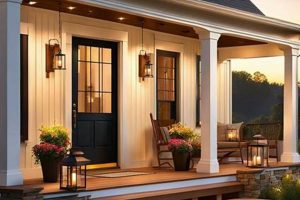
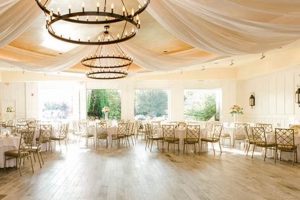
The design aesthetic characterized by a blending of contemporary elements with traditional rural architecture, often utilizing a contrasting monochrome color palette, creates a visually striking and increasingly popular style. This approach frequently incorporates clean lines, open spaces, and natural materials alongside the stark juxtaposition of ebony and ivory hues. For example, a dwelling might feature a bright, white shiplap interior contrasted by dark, iron hardware and black-framed windows, while the exterior showcases white siding accented by a black metal roof.
This design choice offers several advantages. The simplified color scheme promotes a sense of calmness and sophistication, allowing textures and architectural details to become prominent. The black and white combination can also be surprisingly versatile, adaptable to both minimalist and more elaborate design approaches. Historically, the farmhouse style emphasized functionality and simplicity; the modern interpretation, particularly with this specific coloration, maintains that practicality while incorporating modern sensibilities. Its inherent contrast creates a bold statement, enhancing curb appeal and interior ambiance.
This article will delve into the key aspects of implementing this style, examining considerations for exterior and interior design, material selection, and strategies for achieving a cohesive and visually appealing result. Subsequent sections will focus on specific elements like lighting, furniture, and accent pieces, demonstrating how to create a balanced and inviting living space.
Design Strategies
The following points offer strategic advice for successfully implementing a unified design. These principles are intended to guide decision-making throughout the design process, ensuring a cohesive and impactful result.
Tip 1: Establish a Dominant Hue: Prioritize either black or white as the primary color. A predominantly white interior, for instance, can create a bright and airy atmosphere, while using black as the main color can add drama and sophistication. The secondary color is then employed to create contrast and accent specific features.
Tip 2: Incorporate Natural Materials: Introduce elements such as wood, stone, and metal to add texture and visual interest. Unfinished wood beams or a stone fireplace can provide a rustic counterpoint to the sleek monochrome palette.
Tip 3: Optimize Lighting: Strategic lighting is crucial. Utilize a combination of natural light, ambient lighting, and task lighting to create a welcoming and functional space. Consider using black metal fixtures to reinforce the color scheme.
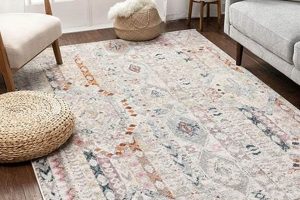
Tip 4: Curate a Collection of Textural Accents: Introduce tactile elements through textiles, artwork, and decorative objects. Woven baskets, linen throws, and textured rugs can soften the starkness of the color scheme and add warmth.
Tip 5: Emphasize Architectural Details: Highlight existing architectural features such as shiplap walls, exposed brick, or high ceilings. These details contribute to the inherent charm and character of the farmhouse aesthetic.
Tip 6: Balance Modern and Traditional Elements: Maintain a balance between contemporary and classic design. Pair modern furniture with vintage accessories to create a timeless and eclectic look.
Tip 7: Consider Exterior Consistency: Extend the aesthetic to the exterior of the property. A white painted farmhouse with a black metal roof and black trim establishes a cohesive design that complements the interior.
Tip 8: Employ Strategic Use of Greenery: Integrate plants and greenery to introduce natural color and life into the space. Potted plants, floral arrangements, and herb gardens can soften the stark contrast and create a more inviting atmosphere.
By adhering to these strategies, one can effectively capture the essence of this style while achieving a personalized and aesthetically pleasing living environment. The deliberate application of these tips will result in a space that is both stylish and functional.
The subsequent discussion will provide examples of successful implementations, showcasing the versatility and enduring appeal of this style.
1. Contrasting Palette

The deliberate employment of a contrasting palette forms a cornerstone of the modern farmhouse design ethos. The interplay between light and dark creates visual interest and defines spatial relationships within a structure. Its significance lies not merely in aesthetics but also in the establishment of a distinct mood and atmosphere.
- Defining Spatial Volume
The strategic placement of dark and light elements serves to articulate the dimensions of a room. White walls, for example, can visually expand a space, while black accents, such as window frames or furniture, define its boundaries and focal points. This approach allows for a considered manipulation of perceived room size and shape.
- Highlighting Architectural Details
A monochrome contrast effectively draws attention to architectural features. White shiplap paneling, a common element, gains greater visual impact when paired with dark grout lines or contrasted against black hardware. Conversely, a dark-painted exposed beam ceiling is accentuated by lighter walls and furnishings, emphasizing its structural presence.
- Establishing Visual Hierarchy
The strategic use of black and white can create a clear visual hierarchy within a space. Dominant features, such as a kitchen island or a fireplace, can be emphasized by utilizing a contrasting color, drawing the eye and establishing the focal point. This allows for a deliberate direction of visual flow throughout the interior.
- Creating a Sense of Depth
Darker colors tend to recede visually, while lighter colors advance. By incorporating this principle, a contrasting palette can introduce a sense of depth into a room. For example, a dark accent wall can visually lengthen a space, while strategically placed white furniture can create layers and dimension within the overall design.
The effectiveness of a contrasting palette in achieving a cohesive and visually striking modern farmhouse aesthetic relies on careful planning and execution. By understanding the principles of spatial definition, architectural emphasis, visual hierarchy, and depth creation, the designer can leverage the inherent power of black and white to elevate the style. The consistent application of these elements reinforces the underlying characteristics of this design approach.
2. Clean Lines
The incorporation of clean lines constitutes a fundamental characteristic of modern farmhouse design, particularly when integrated with a black and white color scheme. This design element departs from the more ornate and decorative features typically associated with traditional farmhouse aesthetics, instead embracing a streamlined and uncluttered approach.
- Minimalist Architectural Detailing
Clean lines translate to a reduction in extraneous architectural ornamentation. For instance, simplified window and door casings replace elaborate moldings. Shiplap, a common farmhouse element, is often installed with minimal gaps and without intricate detailing. This understated approach contributes to a sense of spaciousness and order.
- Unadorned Furniture Silhouettes
Furniture selections emphasize simplicity of form. Sofas, chairs, and tables feature straight edges and unembellished surfaces. The absence of excessive curves or decorative carvings allows the focus to remain on the material quality and the overall spatial arrangement. Examples include rectangular dining tables with simple wooden legs and upholstered seating with clean, unadorned frames.
- Sleek Kitchen and Bathroom Fixtures
Kitchen and bathroom design incorporates fixtures that prioritize functionality and aesthetic minimalism. Cabinetry features flat-panel doors with minimal hardware. Faucets, lighting fixtures, and appliances are chosen for their sleek profiles and unadorned surfaces. This approach creates a cohesive and uncluttered look, enhancing the overall sense of modernity.
- Geometric Spatial Arrangements
The arrangement of elements within a room adheres to a geometric sensibility. Furniture is often placed in orthogonal configurations, emphasizing right angles and straight lines. This intentional organization contributes to a sense of visual order and balance. For example, a rectangular rug might define a seating area, reinforcing the clean lines of the surrounding furniture.
The emphasis on clean lines in modern farmhouse design, especially when paired with a black and white palette, fosters a sense of calm and sophistication. This understated approach allows the inherent textures and materials to take precedence, while creating a visually harmonious and uncluttered living environment. The strategic implementation of this design principle results in a space that balances rustic charm with contemporary sensibility.
3. Natural Materials

The incorporation of natural materials is paramount in achieving an authentic modern farmhouse aesthetic, particularly when combined with a black and white color scheme. These elements introduce warmth, texture, and a connection to the outdoors, mitigating the potential sterility of a purely monochrome design.
- Wood as a Balancing Element
Wood serves as a crucial counterbalance to the stark contrast of black and white. Reclaimed wood flooring, exposed timber beams, or butcher-block countertops introduce a rustic element that softens the overall aesthetic. The natural grain and variations in tone inherent in wood provide visual interest and a tactile quality often absent in modern materials. Its presence prevents the design from feeling overly clinical or impersonal. For example, a white kitchen with black hardware can be grounded by a large wooden island, creating a focal point and adding warmth to the space.
- Stone for Textural Contrast
Stone elements, such as a fireplace surround or a backsplash, introduce a sense of permanence and ruggedness. The texture and color variations in natural stone create a visual contrast against smooth, painted surfaces. Limestone, slate, or fieldstone can be employed to add depth and character to the design. The use of stone connects the interior to the exterior environment, reinforcing the farmhouse aesthetic. A white shiplap wall paired with a black stone fireplace, for instance, epitomizes this balance.
- Natural Fibers for Softness and Warmth
Textiles made from natural fibers, such as cotton, linen, wool, and jute, contribute softness and warmth to the interior. Woven rugs, linen curtains, and cotton throws add layers of texture and prevent the space from feeling too stark. These materials introduce a tactile element that invites comfort and relaxation. Baskets made of natural fibers offer storage solutions while adding visual interest. A living room featuring a white sofa with black throw pillows can be enhanced by a jute rug, adding both texture and warmth.
- Metals with Patina and Character
While metal is often associated with modern design, its integration in a farmhouse style focuses on materials with patina and character. Unlacquered brass, wrought iron, and aged copper introduce a sense of history and craftsmanship. These metals provide a visual contrast to the starkness of black and white, adding warmth and visual interest. Black iron hardware on cabinets or a brass faucet in a bathroom can complement the overall design. The natural aging process of these metals contributes to the evolving character of the space.
The strategic incorporation of wood, stone, natural fibers, and metals with character elevates the modern farmhouse black and white style, adding depth, texture, and a connection to the natural world. These elements prevent the design from becoming overly sterile or impersonal, fostering a warm and inviting living environment that balances modern sensibilities with rustic charm.
4. Simplified Forms

The design principle of simplified forms is integral to the modern farmhouse aesthetic, particularly when executed within a black and white color palette. This concept prioritizes functionality and visual clarity, moving away from ornate details and embracing a streamlined approach to both architectural elements and furnishings. The intentional reduction of complexity allows for a greater appreciation of materials, textures, and the overall spatial arrangement.
- Minimalist Cabinetry and Millwork
Within a modern farmhouse, cabinetry and millwork often feature flat-panel doors and drawers, eschewing raised panels or decorative moldings. This design choice streamlines the visual landscape of kitchens and bathrooms, creating a sense of order and spaciousness. For example, shaker-style cabinets, characterized by their clean lines and recessed center panel, are a frequent choice. The absence of elaborate detailing allows the focus to remain on the quality of the materials and the overall proportions of the space. This approach aligns with the modern emphasis on functionality and understated elegance.
- Uncomplicated Furniture Design
Furniture selections prioritize clean lines and simple silhouettes. Sofas, chairs, and tables are chosen for their functional design and lack of extraneous ornamentation. Overstuffed upholstery and intricate carvings are replaced by streamlined forms and durable materials. For example, a farmhouse dining table might feature a solid wood top and simple, straight legs, emphasizing the natural beauty of the wood grain. This understated approach ensures that the furniture complements the overall aesthetic without overwhelming the space.
- Reduced Architectural Embellishments
Modern farmhouse architecture emphasizes simplicity in its structural elements. Decorative columns, elaborate window casings, and ornate trim are minimized or eliminated altogether. Instead, the focus is placed on clean lines, natural light, and functional space planning. For example, windows are often framed with simple trim or left unadorned to maximize natural light and create a connection to the outdoors. This approach aligns with the modern emphasis on functionality and understated elegance, creating a sense of openness and airiness within the home.
- Streamlined Accessories and Dcor
The principle of simplified forms extends to the selection of accessories and dcor. Clutter is minimized, and decorative objects are chosen for their functionality and aesthetic simplicity. Intricate patterns and excessive ornamentation are avoided in favor of solid colors, natural textures, and minimalist designs. For example, a farmhouse kitchen might feature a simple ceramic pitcher, a wooden cutting board, and a few strategically placed plants, emphasizing functionality and natural beauty over elaborate displays. This curated approach creates a sense of calm and order within the space, allowing the focus to remain on the overall design and the quality of the materials.
By embracing simplified forms, the modern farmhouse achieves a harmonious balance between rustic charm and contemporary sensibility. The deliberate reduction of complexity allows for a greater appreciation of materials, textures, and spatial arrangements, creating a living environment that is both functional and aesthetically pleasing. The integration of this design principle reinforces the clean lines and understated elegance that define the modern farmhouse style, particularly when executed within a black and white color palette.
5. Balanced Textures
Achieving a cohesive modern farmhouse aesthetic, particularly when employing a black and white color scheme, necessitates a deliberate focus on balanced textures. The strategic interplay of diverse tactile elements prevents the design from appearing sterile or one-dimensional, introducing depth and visual interest.
- Juxtaposition of Smooth and Rough Surfaces
The deliberate pairing of smooth and rough surfaces is essential for creating visual and tactile interest. Smooth elements, such as painted walls or polished countertops, contrast with rougher textures like exposed brick, reclaimed wood, or woven textiles. For instance, a kitchen might feature smooth, white cabinetry juxtaposed against a rough-hewn wooden island. This contrast adds depth and prevents the space from appearing monotonous.
- Layering of Natural and Manufactured Materials
The incorporation of both natural and manufactured materials provides a balanced textural experience. Natural materials like wood, stone, and leather offer inherent textures, while manufactured materials like metal, glass, and concrete contribute smoother, more uniform surfaces. A living room could feature a natural stone fireplace paired with a smooth concrete coffee table, creating a harmonious blend of textures. The careful layering of these materials enhances the visual complexity and tactile appeal of the space.
- Varied Textile Applications
The strategic use of textiles with varying textures is crucial for adding warmth and comfort to the modern farmhouse. Linen, wool, cotton, and jute can be layered through rugs, throws, pillows, and upholstery to create a rich and inviting atmosphere. For example, a bedroom might feature a linen duvet cover paired with a wool throw and a jute rug, layering textures to create a cozy and visually appealing space. The varied textures of these textiles contribute to the overall tactile experience of the room.
- Strategic Use of Metallic Finishes
Metallic finishes, whether polished or brushed, add a contrasting element to the predominantly matte textures of the modern farmhouse. Polished chrome or stainless steel can provide a sleek and modern counterpoint to rustic materials like reclaimed wood. Brushed brass or copper can add warmth and character. A bathroom might feature a polished chrome faucet paired with a rustic wooden vanity, creating a balanced and visually appealing design. The strategic use of metallic finishes enhances the overall textural complexity of the space.
The successful integration of balanced textures is paramount in realizing a visually compelling and inviting modern farmhouse design, particularly when utilizing a black and white color scheme. The strategic juxtaposition of smooth and rough surfaces, the layering of natural and manufactured materials, the varied application of textiles, and the careful incorporation of metallic finishes contribute to a rich and nuanced aesthetic that avoids monotony and enhances the overall tactile experience.
Frequently Asked Questions
The following addresses common inquiries regarding the implementation and maintenance of the modern farmhouse aesthetic characterized by a black and white color palette. The information provided aims to clarify design considerations and dispel potential misconceptions.
Question 1: How does one prevent a monochrome black and white design from appearing stark or sterile?
Achieving a balanced and inviting space necessitates the incorporation of varied textures and natural materials. Wood, stone, and textiles introduce warmth and tactile interest, mitigating the potential for a clinical aesthetic. Strategic use of greenery also contributes to a more organic and welcoming ambiance.
Question 2: What are the key considerations when selecting furniture for this design style?
Furniture should prioritize clean lines and simplified forms, avoiding overly ornate details. Upholstery in natural fabrics, such as linen or cotton, complements the aesthetic. Incorporating vintage or antique pieces can add character and prevent the space from feeling overly modern.
Question 3: Is this style suitable for smaller living spaces?
Yes, the strategic use of a black and white palette can enhance the perception of space in smaller rooms. White walls and ceilings create an airy feel, while black accents define architectural features and add depth. Careful consideration of furniture scale is essential to avoid overcrowding.
Question 4: How does one balance the contrast between black and white elements?
Establishing a dominant color, either black or white, is crucial. The secondary color serves as an accent, creating visual interest without overwhelming the space. Strategic placement of black elements against a white background draws the eye and defines focal points.
Question 5: What types of lighting fixtures best complement this design style?
Lighting fixtures with clean lines and simple forms are ideal. Black metal finishes are a common choice, complementing the overall color scheme. Incorporating a mix of ambient, task, and accent lighting is essential for creating a well-lit and functional space.
Question 6: What are some low-maintenance options for maintaining this design aesthetic?
Selecting durable and easily cleanable materials is essential. Quartz countertops, for example, offer a low-maintenance alternative to natural stone. Opting for matte finishes on walls and cabinetry minimizes the appearance of fingerprints and smudges.
In summary, successful implementation requires a thoughtful balance of color, texture, and form. Careful planning and attention to detail are essential for creating a cohesive and visually appealing environment.
The following section will explore specific examples of successful implementations of this style.
Conclusion
The preceding exploration has delineated the key characteristics of the modern farm house black and white aesthetic. This style, defined by its strategic use of contrasting hues, simplified forms, and incorporation of natural materials, presents a compelling design option for contemporary living spaces. The effectiveness of its implementation hinges on a balanced approach, prioritizing both visual appeal and functional considerations. Successful execution results in a space that harmonizes rustic charm with modern sensibilities.
The enduring appeal of the modern farm house black and white style suggests its continued relevance in the design landscape. Its versatility allows for adaptation across diverse architectural contexts and personal preferences. As homeowners seek to create spaces that are both aesthetically pleasing and functionally efficient, this design approach offers a compelling solution. Further exploration and experimentation with its core principles will undoubtedly yield innovative interpretations, solidifying its position as a significant trend in interior design.