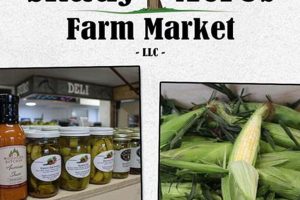
The intensive commercial production of vegetables, fruits, and flowers for sale is a specialized agricultural practice. This form of agriculture typically focuses on relatively small land areas close to urban centers, enabling efficient distribution of perishable goods. For example, a farm that dedicates several acres to cultivating a variety of lettuces, tomatoes, and strawberries, then transports these goods to a nearby city market, exemplifies this agricultural method.
This type of farming plays a critical role in providing fresh produce to local communities, supporting regional economies, and reducing the environmental impact associated with long-distance transportation of food. Historically, its development was intrinsically linked to the growth of cities and the demand for readily available, locally sourced food. The economic viability of this practice is dependent on factors such as efficient irrigation, soil management, and timely harvesting.
The following discussion will delve into specific techniques, economic considerations, and sustainability practices associated with this agricultural approach, highlighting innovative strategies employed by practitioners to maximize yield and minimize environmental footprint.
Tips for Successful Market Gardening/Truck Farming
Optimizing operations is critical for profitability in market gardening/truck farming. The following tips offer strategies for enhancing efficiency, yield, and sustainability in these intensive agricultural systems.
Tip 1: Implement Season Extension Techniques:Utilizing greenhouses, hoop houses, or row covers enables earlier planting and later harvesting. This strategy expands the growing season, increasing the potential yield and revenue.
Tip 2: Practice Intensive Planting:Maximized space utilization through intensive planting techniques, such as raised beds and succession planting, is essential. This approach involves strategically spacing plants to optimize sunlight exposure and nutrient uptake.
Tip 3: Prioritize Soil Health: Regular soil testing, composting, and cover cropping are crucial for maintaining soil fertility. Healthy soil provides the foundation for vigorous plant growth and reduces the need for synthetic fertilizers.
Tip 4: Invest in Efficient Irrigation Systems: Drip irrigation and soaker hoses minimize water waste and deliver moisture directly to plant roots. Efficient irrigation reduces water costs and prevents the spread of foliar diseases.
Tip 5: Adopt Integrated Pest Management (IPM): IPM strategies minimize pesticide use by combining biological controls, cultural practices, and targeted chemical applications. This approach protects crops while minimizing environmental impact.
Tip 6: Diversify Crop Selection: Offering a variety of crops caters to diverse market demands and mitigates the risk associated with crop failure. A diversified portfolio ensures a more stable income stream throughout the growing season.
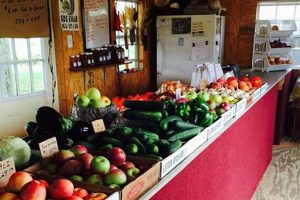
Tip 7: Establish Direct Marketing Channels:Selling directly to consumers through farmers’ markets, community-supported agriculture (CSA) programs, and farm stands increases profitability. Direct marketing eliminates the middleman and allows for higher prices.
Employing these strategies can significantly enhance the productivity and profitability of market gardening/truck farming operations, leading to a more sustainable and economically viable agricultural enterprise.
The next section will provide an in-depth analysis of specific market opportunities and potential challenges associated with this agricultural sector.
1. Intensive Cultivation in Market Gardening/Truck Farming

Intensive cultivation forms the bedrock of market gardening/truck farming, representing a crucial component for its economic viability and operational efficiency. This method entails maximizing crop yield within a limited land area through strategic practices such as close planting, intercropping, and succession planting. The small-scale nature of market gardens necessitates a heightened productivity to compensate for reduced acreage, making intensive cultivation not merely an option but a fundamental requirement for survival and profitability within the sector. Without this approach, the volume of produce generated would be insufficient to meet market demands or justify the costs associated with labor, inputs, and distribution.
The direct consequence of intensive cultivation is the ability to supply a diverse range of fresh produce to local markets on a consistent basis. For example, a market garden employing raised beds and vertical growing techniques can cultivate multiple crops simultaneously, providing a continuous supply of various vegetables and fruits throughout the growing season. Furthermore, intensive methods demand meticulous soil management, pest control, and irrigation practices. Implementing cover cropping, integrated pest management (IPM), and drip irrigation are common strategies used to maintain soil health, minimize pest damage, and conserve water resources, all of which contribute to both higher yields and reduced environmental impact. These methods also provide better control over the plant environment leading to consistent harvests of high-quality produce.
In conclusion, intensive cultivation is not simply a technique employed in market gardening/truck farming; it is its defining characteristic. It is the engine that drives profitability, ensures a steady supply of produce, and allows for efficient resource utilization on limited land. Understanding and implementing intensive cultivation practices effectively is therefore paramount for anyone seeking success in this specialized form of agriculture. The ability to maximize output, manage resources effectively, and adapt to market demands rests squarely on the proficiency with which intensive cultivation methods are employed.
2. Local Markets and Market Gardening/Truck Farming
Local markets are inextricably linked to the success and viability of market gardening/truck farming. The proximity of these markets directly influences the freshness and quality of produce available to consumers, which is a significant selling point for practitioners of this agricultural method. Reduced transportation times translate to minimal post-harvest losses and a decreased reliance on preservation techniques, maintaining the nutritional value and appeal of harvested goods. Farmers’ markets, roadside stands, and direct sales to restaurants represent primary channels for this distribution model, enabling growers to connect directly with consumers and receive immediate feedback on product quality and pricing.
The dependence on local markets fosters a symbiotic relationship between producers and consumers within a defined geographic area. This connection supports regional economies by circulating money within the community and creating employment opportunities in agriculture and related sectors. Market gardeners and truck farmers, in turn, benefit from the reduced competition from large-scale agricultural operations that typically dominate national and international supply chains. For example, a small farm specializing in organic vegetables can leverage the demand for locally sourced, sustainable produce at a nearby farmers’ market to command a premium price and build a loyal customer base. This model allows for a higher degree of price control and reduces vulnerability to fluctuations in commodity markets.
However, reliance on local markets also presents challenges. Seasonal variations in supply and demand, as well as competition from other local producers, can impact profitability. Moreover, effective marketing and distribution strategies are essential for success, requiring farmers to invest time and resources in building relationships with customers and promoting their products. Despite these challenges, the connection between market gardening/truck farming and local markets remains a cornerstone of sustainable food systems and a critical factor in supporting the economic viability of small-scale agricultural operations.
3. Perishable Crops and Market Gardening/Truck Farming

Perishable crops form the core of market gardening/truck farming, fundamentally shaping its operational strategies and economic realities. The inherent fragility and limited shelf-life of these products, primarily fruits, vegetables, and flowers, dictate the need for rapid and efficient distribution channels. Market gardens are strategically located near urban centers precisely to minimize the time between harvest and consumption, thereby preserving quality and reducing spoilage. The decision to cultivate perishable crops is a direct driver of the specialized techniques, such as intensive planting and succession cropping, utilized in this form of agriculture. These techniques aim to provide a continuous supply of fresh produce to meet consistent market demand.
The economic viability of market gardening hinges on successfully managing the challenges associated with perishable commodities. Efficient post-harvest handling, including proper cooling, packaging, and storage, is crucial for extending the marketable lifespan of crops. Direct sales models, like farmers’ markets and Community Supported Agriculture (CSA) programs, become advantageous as they eliminate the need for extended storage and transportation. For instance, a market garden specializing in leafy greens must prioritize rapid harvesting and delivery to ensure freshness; any delays can lead to wilting, discoloration, and ultimately, unsaleable produce. This immediate need to sell fresh produce is a constant factor affecting daily farm operations.
In conclusion, the cultivation of perishable crops is not merely a component of market gardening/truck farming; it is its defining characteristic. The specialized skills, intensive practices, and strategic location of these operations are all dictated by the inherent nature of the commodities they produce. Successful navigation of the challenges associated with perishability is essential for economic sustainability and the ability to provide fresh, locally sourced produce to consumers. Understanding and adapting to the unique requirements of perishable crops is therefore paramount for those engaged in this vital segment of the agricultural sector.
4. Direct Sales in Market Gardening/Truck Farming
Direct sales represent a critical distribution channel for market gardening/truck farming, enabling producers to bypass traditional wholesale markets and establish direct relationships with consumers. This strategy often enhances profitability, provides valuable market feedback, and supports the development of localized food systems.
- Enhanced Profit Margins
Direct sales eliminate the intermediary markups associated with wholesale distributors, allowing producers to retain a larger portion of the revenue generated from their crops. For example, selling produce at a farmers’ market enables a farmer to set prices based on perceived value and customer demand, rather than accepting the fluctuating rates offered by a larger distribution network. This direct-to-consumer approach often results in significantly higher profit margins per unit sold.
- Consumer Feedback and Market Responsiveness
Direct interaction with consumers provides invaluable feedback on product quality, variety preferences, and pricing expectations. Market gardeners who sell directly at farm stands or through Community Supported Agriculture (CSA) programs can observe customer reactions firsthand and adjust their planting strategies accordingly. This direct feedback loop allows for greater responsiveness to market trends and ensures that production aligns with consumer demand. The ability to immediately adjust production is paramount in truck farming.
- Building Customer Loyalty and Brand Identity
Direct sales facilitate the development of personal relationships with customers, fostering loyalty and promoting a distinct brand identity. Farmers who consistently provide high-quality produce and engage with consumers at farmers’ markets or through farm-to-table programs can cultivate a strong reputation within their community. This loyalty translates into repeat business and serves as a buffer against competition from larger, less personal agricultural operations. This creates a more reliable customer base for the small farmer.
- Reduced Transportation and Handling Costs
Direct sales inherently minimize the transportation and handling costs associated with long-distance distribution networks. Selling directly to consumers within a local market eliminates the need for extensive packaging, refrigeration, and transportation, reducing both financial expenses and environmental impact. This efficiency is particularly advantageous for market gardening/truck farming operations, where minimizing costs is crucial for profitability.
The strategic implementation of direct sales channels is essential for the economic sustainability of market gardening/truck farming. By fostering direct relationships with consumers, capturing valuable market feedback, and reducing distribution costs, producers can enhance profitability, build brand loyalty, and contribute to the development of more resilient and localized food systems. The choice of utilizing or foregoing direct sales will impact nearly every aspect of the farm.
5. Small Acreage
The limited land footprint is a defining characteristic of market gardening/truck farming, significantly shaping its operational strategies, economic viability, and overall sustainability. The inherent constraints imposed by small acreage necessitate intensive cultivation practices and strategic resource management.
- Intensified Land Use
Small acreage compels market gardeners to maximize productivity per unit area. This involves implementing techniques such as intercropping, succession planting, vertical farming, and the use of raised beds. For example, a truck farmer with only a few acres might plant fast-growing crops like radishes between rows of slower-maturing vegetables such as tomatoes, effectively utilizing all available space. The need for intensified land use is the foundation of many truck farming operations.
- Crop Specialization and Diversification Balance
Limited acreage often necessitates a strategic balance between crop specialization and diversification. While specializing in high-value crops can maximize revenue, diversifying the crop portfolio mitigates risks associated with pests, diseases, and market fluctuations. A successful market garden might focus on a core selection of specialty greens while also cultivating a variety of seasonal vegetables to meet local demand. This balance between specialization and diversification is often key to success.
- Efficient Resource Management
On small land holdings, efficient management of resources such as water, nutrients, and labor is paramount. Precision irrigation systems, composting, and careful labor scheduling are essential for maximizing yields and minimizing waste. For example, using drip irrigation instead of overhead sprinklers reduces water loss and delivers moisture directly to plant roots, increasing water use efficiency. Minimizing any waste on valuable acres will impact positively on product output and thus revenues.
- Direct Marketing Viability
Small acreage often necessitates direct marketing strategies to capture higher profit margins and build direct relationships with consumers. Selling directly at farmers’ markets, through Community Supported Agriculture (CSA) programs, or at roadside stands allows farmers to bypass wholesale markets and receive a greater share of the revenue. For example, a truck farmer might offer a weekly CSA box containing a variety of seasonal produce, directly connecting with local consumers and ensuring a consistent revenue stream. Direct sales are an effective way to turn limited acreage into high value harvests.
The interplay between small acreage and these operational considerations defines the unique character of market gardening/truck farming. The need to optimize land use, diversify crops strategically, manage resources efficiently, and connect directly with consumers are all essential elements for success in this specialized agricultural sector.
Frequently Asked Questions About Market Gardening/Truck Farming
The following questions address common inquiries and misconceptions regarding market gardening/truck farming, providing concise and informative answers based on established agricultural principles.
Question 1: What distinguishes market gardening/truck farming from general agriculture?
Market gardening/truck farming is characterized by the intensive commercial production of vegetables, fruits, and flowers on a relatively small scale, primarily for direct sale to consumers or local markets. General agriculture encompasses a broader range of activities, including the large-scale production of commodity crops such as grains and livestock.
Question 2: What are the primary factors affecting the profitability of market gardening/truck farming operations?
Key factors influencing profitability include efficient land utilization, crop selection aligned with market demand, effective pest and disease management, access to reliable irrigation, and successful direct marketing strategies. Control of labor costs is also crucial.
Question 3: Is market gardening/truck farming environmentally sustainable?
The environmental sustainability of market gardening/truck farming depends on the specific practices employed. Sustainable operations often incorporate organic farming techniques, minimize pesticide and fertilizer use, conserve water through efficient irrigation, and promote soil health through cover cropping and composting.
Question 4: What are the common challenges faced by market gardeners/truck farmers?
Challenges include managing labor costs, dealing with weather-related crop losses, controlling pests and diseases, adapting to fluctuating market prices, and maintaining soil fertility. Access to capital for infrastructure improvements can also be a significant obstacle.
Question 5: What types of crops are best suited for market gardening/truck farming?
Crops well-suited for market gardening/truck farming are typically those with high market value, relatively short growing seasons, and suitability for intensive cultivation. Examples include tomatoes, lettuce, strawberries, herbs, and specialty vegetables.
Question 6: How does direct marketing benefit market gardening/truck farming businesses?
Direct marketing allows market gardeners/truck farmers to bypass intermediaries, retain a larger share of the revenue, receive direct feedback from consumers, and build brand loyalty within their local community. This strategy is particularly advantageous for small-scale operations seeking to differentiate themselves from larger agricultural producers.
In summary, market gardening/truck farming represents a specialized form of agriculture with unique opportunities and challenges. Success requires a comprehensive understanding of both horticultural principles and market dynamics.
The next section will explore emerging trends and innovations in market gardening/truck farming.
Market Gardening/Truck Farming
This exploration has illuminated the multifaceted nature of market gardening/truck farming, underscoring its defining characteristics: intensive cultivation, reliance on local markets, the production of perishable crops, direct sales strategies, and operation on limited acreage. Each element is critically interwoven, demanding a synergistic approach for sustainable success. The sector’s viability rests on a delicate balance between maximizing yield, minimizing resource consumption, and responding effectively to consumer demands within a localized framework.
Continued innovation in agricultural techniques, coupled with a deeper understanding of consumer preferences and sustainable practices, will be paramount for the future of market gardening/truck farming. The ongoing development of efficient irrigation systems, integrated pest management strategies, and direct marketing platforms holds significant promise. Further investigation into these areas is essential to ensure the continued contribution of this specialized agricultural sector to local economies and food security.

![Visit Paul's Farm Market Today! [Fresh & Local] | The Conscious Farmer | Sustainable Agriculture for a Healthier Planet](https://livingedgefarm.com/wp-content/uploads/2025/08/th-7467-300x200.jpg "Visit Paul's Farm Market Today! [Fresh & Local] The Conscious Farmer | Sustainable Agriculture for a Healthier Planet")