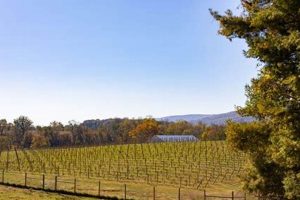
Cultivating citrus trees specifically for lemon production involves agricultural practices focused on optimizing fruit yield and quality. This endeavor encompasses selecting appropriate varieties, managing soil conditions, implementing irrigation strategies, and protecting the trees from pests and diseases. An example includes orchards dedicated solely to ‘Eureka’ or ‘Lisbon’ lemon cultivars, managed with precise fertilization schedules to ensure consistent fruit bearing.
The significance of this type of agriculture stems from the widespread culinary and industrial demand for lemons. Beyond fresh consumption, lemons are processed into juice, oils, and various ingredients utilized in food processing, cosmetics, and pharmaceuticals. Historically, the practice has evolved from small-scale family operations to large commercial enterprises, contributing significantly to regional economies and providing numerous employment opportunities in harvesting, processing, and distribution.
Subsequent sections will delve into the key aspects of successful citrus cultivation, including cultivar selection based on regional climate, optimal soil management techniques, effective irrigation strategies, integrated pest and disease management protocols, and best practices for harvesting and post-harvest handling to ensure optimal fruit quality and marketability.
Guidance for Successful Lemon Cultivation
Optimizing lemon production requires a comprehensive understanding of various factors influencing tree health and fruit yield. The following guidelines provide essential insights for maximizing the success of citrus cultivation endeavors.
Tip 1: Select Appropriate Cultivars: Choose lemon varieties suited to the specific climate and soil conditions of the planting location. Considerations include cold hardiness, disease resistance, and fruit characteristics desired for the target market. For example, ‘Meyer’ lemons are known for their cold tolerance, while ‘Lisbon’ lemons are preferred for their high acidity.
Tip 2: Ensure Proper Soil Drainage: Lemons require well-drained soil to prevent root rot and other fungal diseases. Amend heavy clay soils with organic matter, such as compost or peat moss, to improve drainage and aeration. Consider raised beds or container planting in areas with poor drainage.
Tip 3: Implement Consistent Irrigation: Consistent and adequate watering is crucial, especially during fruit development. Employ drip irrigation or soaker hoses to deliver water directly to the root zone, minimizing water waste and preventing foliar diseases. Monitor soil moisture levels to avoid overwatering or underwatering.
Tip 4: Provide Balanced Fertilization: Lemons are heavy feeders and require regular fertilization to support healthy growth and fruit production. Apply a balanced citrus fertilizer containing nitrogen, phosphorus, and potassium, along with micronutrients such as iron, zinc, and manganese. Conduct soil tests to determine nutrient deficiencies and adjust fertilizer applications accordingly.
Tip 5: Manage Pests and Diseases: Monitor trees regularly for signs of pests and diseases, such as aphids, scale, citrus leaf miners, and citrus canker. Implement integrated pest management (IPM) strategies, including biological control, cultural practices, and selective use of pesticides, to minimize environmental impact and prevent resistance development.
Tip 6: Prune for Optimal Sunlight and Air Circulation: Prune lemon trees annually to remove dead, damaged, or diseased branches, and to improve sunlight penetration and air circulation within the canopy. Proper pruning promotes fruit production, reduces disease incidence, and facilitates harvesting.
Tip 7: Protect from Frost Damage: Lemons are susceptible to frost damage, especially young trees. Protect trees from frost by wrapping trunks with burlap, covering canopies with blankets or tarps, or using overhead irrigation to create a protective layer of ice. Consider planting in sheltered locations to minimize frost exposure.
Adhering to these recommendations will greatly increase the likelihood of a productive and profitable citrus enterprise, resulting in high-quality fruit and a sustainable agricultural operation.
The subsequent sections will provide further insights into specific aspects of citrus cultivation, including harvesting techniques and post-harvest handling procedures.
1. Variety selection

Variety selection constitutes a fundamental decision within citrus cultivation, significantly impacting orchard productivity, fruit quality, and economic returns. The selection process must align with environmental conditions, market demands, and operational objectives to ensure sustainable and profitable citrus endeavors.
- Climate Adaptability
Varieties exhibit varying degrees of tolerance to temperature extremes, rainfall patterns, and humidity levels. Choosing a cultivar ill-suited to the local climate can result in reduced fruit set, increased susceptibility to disease, and diminished overall yield. For instance, ‘Meyer’ lemons, known for their cold tolerance, may be favored in regions with occasional frost, while other varieties may thrive in consistently warmer climates.
- Disease Resistance
Certain citrus varieties possess inherent resistance to common diseases such as citrus canker, tristeza virus, and root rot. Selecting resistant cultivars minimizes the need for chemical interventions, reducing production costs and promoting environmentally sustainable practices. This proactive approach mitigates the risk of widespread disease outbreaks, safeguarding orchard health and long-term productivity.
- Fruit Characteristics
Lemon varieties differ significantly in fruit size, shape, rind texture, acidity, and juice content. These characteristics influence market suitability for fresh consumption, processing, or industrial applications. For example, some markets may prefer lemons with a smooth, thin rind and high juice content, while others may prioritize larger fruit size for visual appeal.
- Rootstock Compatibility
Many commercial citrus trees are grafted onto rootstocks selected for their vigor, disease resistance, and adaptability to specific soil types. Ensuring compatibility between the scion (the lemon variety) and the rootstock is critical for tree health, longevity, and fruit production. Incompatible combinations can lead to graft failure, stunted growth, or reduced fruit quality.
The interconnectedness of these facets underscores the importance of a comprehensive assessment before making variety selection decisions. By carefully considering climate adaptability, disease resistance, fruit characteristics, and rootstock compatibility, producers can optimize the performance of their citrus groves and ensure a consistent supply of high-quality lemons for diverse market demands.
2. Soil Preparation

Adequate soil preparation is a critical antecedent to successful citrus cultivation. The physical and chemical characteristics of the soil directly influence root development, nutrient uptake, water availability, and overall tree health. Inadequate soil preparation can lead to stunted growth, reduced fruit yield, increased susceptibility to diseases, and ultimately, economic losses. For example, compacted soils restrict root penetration, limiting access to essential nutrients and water. Similarly, soils with poor drainage can lead to root rot, a common and often fatal disease in citrus trees. Consequently, the link between soil preparation and the viability of lemon tree farming is undeniable and pivotal.
The practical significance of this understanding translates into several actionable steps. Before planting, soil analysis is essential to determine nutrient deficiencies, pH levels, and soil texture. Amendments such as compost, manure, or other organic matter can improve soil structure, drainage, and fertility. Deep tillage may be necessary to break up compacted layers and improve root penetration. Furthermore, creating raised beds can enhance drainage in areas with heavy clay soils or high water tables. Failure to address these issues proactively increases the risk of stunted tree development, decreased yields, and heightened vulnerability to diseases.
In summary, optimal soil preparation is not merely a preliminary step but an ongoing process that contributes significantly to the long-term health and productivity of lemon tree farms. Addressing soil limitations through informed amendments and appropriate tillage techniques establishes a favorable environment for root development and nutrient uptake. Recognizing the profound impact of soil preparation on tree health and fruit yield enables producers to maximize their investment and ensure sustainable agricultural practices. Ignoring these crucial steps invites a range of challenges that can jeopardize the economic viability of citrus cultivation.
3. Irrigation Management

Effective irrigation management is integral to successful lemon tree farming. Citrus trees, including lemons, have specific water requirements that vary based on climate, soil type, tree age, and stage of fruit development. Precise control over water application is necessary to optimize fruit yield, quality, and tree health. Insufficient or excessive irrigation can lead to detrimental consequences, impacting the economic viability of the operation.
- Optimizing Fruit Size and Quality
Consistent and adequate water supply during fruit development is essential for achieving optimal fruit size and juice content. Water stress during this period can result in smaller fruits with reduced juice yield, diminishing market value. Conversely, over-irrigation can lead to fruit splitting and increased susceptibility to fungal diseases, negatively impacting fruit quality. For example, studies have demonstrated that controlled deficit irrigation, where water is slightly limited during specific growth stages, can improve fruit quality parameters such as sugar content and acidity.
- Preventing Water Stress and Enhancing Tree Health
Chronic water stress weakens lemon trees, making them more vulnerable to pests and diseases. Symptoms of water stress include leaf wilting, premature leaf drop, and reduced shoot growth. Adequate irrigation maintains tree vigor, promoting robust growth and enhancing the tree’s natural defenses against pathogens and insect infestations. Conversely, waterlogged soils deprive roots of oxygen, leading to root rot and decline. Proper irrigation management ensures that the root zone remains adequately moist but not saturated, promoting healthy root development and overall tree health.
- Efficient Water Use and Sustainability
Efficient irrigation practices are crucial for conserving water resources and promoting sustainable lemon tree farming. Drip irrigation and micro-sprinklers deliver water directly to the root zone, minimizing water loss through evaporation and runoff. Soil moisture monitoring allows for precise irrigation scheduling, ensuring that water is applied only when needed. These practices reduce water consumption, lower irrigation costs, and minimize environmental impacts. For instance, adopting deficit irrigation strategies can significantly reduce water use without compromising fruit yield or quality.
- Salinity Management
In arid and semi-arid regions, irrigation water often contains dissolved salts that can accumulate in the soil over time. Excessive salt buildup can damage lemon trees, reducing growth and fruit production. Effective irrigation management strategies, such as leaching (applying excess water to flush salts below the root zone), can mitigate salinity problems. Selecting salt-tolerant rootstocks can also improve the tree’s ability to withstand saline conditions. Regular soil testing is essential for monitoring salt levels and implementing appropriate management practices to prevent salinity-related damage.
In conclusion, skillful irrigation management constitutes a cornerstone of lemon tree farming. Balancing water supply with tree requirements not only optimizes fruit yield and quality but also ensures long-term tree health and resource sustainability. Implementing precise irrigation strategies, coupled with careful monitoring and adaptive management, enables producers to maximize the economic returns of their lemon orchards while minimizing environmental impacts. Recognizing irrigation management’s multifaceted role is essential for successful and sustainable lemon cultivation.
4. Pest control

Effective pest management is a critical component of successful lemon tree farming. Lemon trees are susceptible to a wide array of insect pests and mites that can inflict significant damage, leading to reduced fruit yield, diminished fruit quality, and, in severe cases, tree mortality. Infestations can directly impact the photosynthetic capacity of the trees by damaging foliage, weaken the trees, or transmit diseases. For example, heavy infestations of citrus aphids can stunt new growth, while citrus leaf miners create tunnels within leaves, reducing photosynthetic efficiency. Scale insects feed on plant sap, weakening trees and causing defoliation, while mites cause discoloration and scarring on the fruit surface, rendering it unmarketable. The economic consequences of unchecked pest infestations can be substantial, impacting the profitability and sustainability of citrus enterprises.
Integrated Pest Management (IPM) strategies represent a holistic approach to pest control in lemon tree farming, emphasizing prevention, monitoring, and targeted interventions. IPM programs typically involve regular monitoring of pest populations, implementing cultural practices to reduce pest habitats (e.g., pruning to improve air circulation), utilizing biological control agents (e.g., introducing predatory insects or parasitic wasps), and applying selective pesticides only when necessary and at the appropriate time. For example, releasing ladybugs can effectively control aphid populations, while horticultural oils can suffocate scale insects and mites. The strategic use of pheromone traps can disrupt insect mating, reducing their reproductive capacity. By integrating these diverse strategies, citrus growers can minimize reliance on broad-spectrum pesticides, reducing environmental impacts and preventing the development of pesticide resistance.
In conclusion, strategic pest control is not merely a reactive measure, but an essential component of proactive lemon tree farming. IPM practices, incorporating monitoring, cultural controls, biological agents, and judicious use of pesticides, effectively mitigate pest damage, safeguard fruit yield and quality, and promote environmental sustainability. The failure to implement effective pest management programs inevitably leads to economic losses and compromises the long-term viability of citrus orchards. Prioritizing IPM principles empowers citrus growers to maintain healthy and productive lemon trees while minimizing adverse impacts on the environment and human health.
5. Fertilization schedule

An effective fertilization schedule is a cornerstone of successful lemon tree farming. The timing, method, and nutrient composition of fertilizer applications directly influence tree growth, fruit production, and overall orchard health. Lemon trees, as heavy feeders, require a consistent supply of essential nutrients, including nitrogen (N), phosphorus (P), potassium (K), and various micronutrients, to support vigorous vegetative growth, abundant flowering, and optimal fruit development. Deficiencies in any of these nutrients can manifest as stunted growth, chlorosis (yellowing of leaves), reduced fruit set, and diminished fruit quality. For example, nitrogen deficiency can lead to pale green leaves and reduced fruit size, while potassium deficiency can result in small, misshapen fruit with poor flavor. Therefore, the adherence to a meticulously planned fertilization schedule is not merely a beneficial practice but an imperative for maximizing yields and ensuring economic viability in citrus cultivation.
The creation of a fertilization schedule necessitates a thorough understanding of soil conditions, tree age, and phenological stage. Regular soil testing is essential to determine existing nutrient levels and identify deficiencies. Fertilization schedules should be tailored to address the specific needs of the trees at different stages of their development, such as during active vegetative growth, flowering, and fruit set. For example, during the bloom period, trees require increased phosphorus to support flower development, while potassium is crucial during fruit development for sugar translocation and fruit sizing. Application methods, such as foliar sprays, fertigation (applying fertilizer through the irrigation system), or granular applications, must also be selected based on efficiency and the specific nutrient being applied. Foliar applications are often preferred for micronutrient delivery, while fertigation allows for precise and uniform distribution of nutrients throughout the root zone. Over-fertilization, particularly with nitrogen, can also be detrimental, leading to excessive vegetative growth at the expense of fruit production and increasing susceptibility to pests and diseases.
In summary, a well-designed fertilization schedule is a critical determinant of success in lemon tree farming. By carefully assessing nutrient needs, tailoring applications to tree developmental stages, and employing appropriate application methods, producers can optimize tree health, maximize fruit yields, and ensure the long-term sustainability of their orchards. Neglecting the importance of a balanced and timely fertilization regime can lead to nutrient deficiencies, reduced productivity, and economic losses. The implementation of a comprehensive fertilization plan, informed by soil testing and adapted to the specific requirements of the citrus grove, represents a proactive and essential management practice for profitable lemon cultivation.
6. Pruning techniques

Pruning techniques constitute an indispensable aspect of lemon tree farming, directly influencing tree architecture, fruit production, and overall orchard management. Strategic pruning not only shapes the tree to optimize sunlight interception and air circulation but also plays a crucial role in regulating fruit yield and quality. The link between judicious pruning practices and the economic viability of lemon cultivation is undeniably strong.
- Shaping and Training Young Trees
The initial pruning of young lemon trees establishes the framework for future growth and fruit bearing. Training involves selecting and encouraging the development of strong, well-spaced scaffold branches, creating an open canopy that allows for adequate sunlight penetration. Removing watersprouts and suckers redirects energy to desired branches, promoting healthy growth. Neglecting early training can lead to overcrowded canopies, reduced fruit production, and increased susceptibility to diseases.
- Enhancing Sunlight Penetration and Air Circulation
Mature lemon trees benefit from regular pruning to maintain an open canopy structure. Removing interior branches that obstruct sunlight penetration maximizes photosynthetic efficiency, promoting fruit development throughout the tree. Improved air circulation reduces humidity within the canopy, minimizing the risk of fungal diseases such as anthracnose and brown rot. Strategic pruning creates a favorable microclimate that supports healthy tree growth and fruit production.
- Regulating Fruit Yield and Quality
Pruning can be employed to regulate fruit yield and improve fruit quality. Removing excess fruit-bearing wood in alternate bearing varieties can help to even out fruit production from year to year, preventing overproduction in one year followed by a reduced yield in the next. Thinning out crowded fruit clusters allows remaining fruits to develop to their full size and improve fruit color and sugar content. Judicious pruning promotes a balanced crop load, resulting in larger, higher-quality lemons.
- Removing Dead, Diseased, or Damaged Wood
Sanitation pruning, involving the removal of dead, diseased, or damaged branches, is essential for maintaining orchard health. Removing diseased wood prevents the spread of pathogens to healthy tissues, minimizing the risk of disease outbreaks. Prompt removal of damaged branches following storms or frost events promotes rapid healing and prevents secondary infections. Regular sanitation pruning contributes significantly to the overall health and longevity of lemon trees.
The cumulative effect of implementing appropriate pruning techniques significantly impacts the efficiency and profitability of lemon tree farming. By shaping and training young trees, enhancing sunlight penetration and air circulation, regulating fruit yield and quality, and removing diseased wood, growers can optimize tree health, maximize fruit production, and ensure the long-term sustainability of their citrus enterprises. A skilled application of pruning principles represents a cornerstone of successful lemon cultivation, directly influencing both yield and profitability.
7. Harvest timing
Harvest timing represents a critical juncture in lemon tree farming, significantly impacting fruit quality, marketability, and post-harvest storage potential. Precise timing necessitates a comprehensive understanding of fruit maturity indices and market demands to optimize profitability and minimize losses. Premature or delayed harvesting can compromise fruit quality, reduce shelf life, and decrease economic returns. The correlation between appropriate harvest timing and successful lemon tree farming is, therefore, demonstrably strong.
- Maturity Indices and Quality Parameters
The determination of optimal harvest timing relies on various maturity indices, including fruit size, rind color, juice content, and acidity levels. Rind color transition from green to yellow signals approaching maturity, while increasing juice content and decreasing acidity indicate ripening. Harvesting before reaching optimal maturity can result in sour, undersized fruit with poor storage potential. Conversely, delayed harvesting can lead to overripe fruit with reduced shelf life and increased susceptibility to decay. Growers often use a combination of visual assessment, juice analysis, and taste tests to determine the ideal harvest window.
- Market Demand and Pricing
Market demand and prevailing prices play a crucial role in determining harvest timing. Specific markets may prefer lemons with a particular size, color, or acidity level. Harvesting to meet peak market demand or take advantage of higher prices can significantly increase profitability. For example, harvesting early in the season when supplies are limited can command premium prices, while harvesting later in the season when supplies are abundant may result in lower returns. Monitoring market trends and adapting harvest schedules accordingly is essential for maximizing economic gains.
- Post-Harvest Handling and Storage
Harvest timing directly influences the post-harvest handling and storage potential of lemons. Harvesting fruit at the correct stage of maturity minimizes bruising and damage during handling, reducing the risk of decay and extending shelf life. Lemons harvested prematurely are more susceptible to chilling injury during cold storage, while overripe fruit deteriorates rapidly. Proper harvest timing, coupled with appropriate post-harvest treatments such as waxing and fungicide applications, enhances storage potential and allows for extended marketing periods.
- Environmental Factors and Regional Variations
Environmental factors, such as temperature, rainfall, and sunlight exposure, can influence the rate of fruit maturation and the optimal harvest timing. Lemons grown in warmer climates may mature more quickly than those grown in cooler regions. Variations in rainfall patterns can also affect fruit size and juice content. Adapting harvest schedules to account for regional variations and environmental conditions is essential for ensuring consistent fruit quality and maximizing yields. Monitoring weather patterns and making adjustments to harvest plans as needed is a critical aspect of successful lemon tree farming.
In conclusion, harvest timing represents a multifaceted decision point in lemon tree farming, influenced by maturity indices, market demands, post-harvest considerations, and environmental factors. Strategic integration of these elements enables producers to optimize fruit quality, maximize economic returns, and minimize post-harvest losses. A comprehensive understanding of these principles is indispensable for achieving sustainable success in lemon cultivation.
Frequently Asked Questions About Lemon Tree Farming
This section addresses common inquiries and misconceptions related to the cultivation of lemon trees, providing concise and factual answers based on established agricultural practices.
Question 1: What are the primary considerations when selecting a lemon variety for commercial production?
Variety selection hinges on climatic suitability, disease resistance, fruit quality characteristics (size, acidity, rind texture), and rootstock compatibility. Each variety exhibits varying levels of tolerance to temperature extremes, disease pressures, and soil conditions. Therefore, a comprehensive assessment of the environmental factors and market demands within a specific region is crucial before committing to a particular cultivar.
Question 2: How frequently should lemon trees be irrigated, and what irrigation method is most effective?
Irrigation frequency depends on factors such as climate, soil type, and tree age. Soil moisture monitoring provides a basis for informed irrigation scheduling. Drip irrigation or micro-sprinklers are generally preferred due to their efficiency in delivering water directly to the root zone, minimizing water loss and reducing the risk of foliar diseases.
Question 3: What are the most prevalent pests and diseases affecting lemon trees, and how can they be effectively managed?
Common pests include aphids, scale insects, citrus leaf miners, and mites. Prevalent diseases encompass citrus canker, root rot, and tristeza virus. Integrated Pest Management (IPM) strategies, incorporating regular monitoring, biological control agents, and selective pesticide applications, offer the most sustainable and effective approach to pest and disease management.
Question 4: What is the recommended fertilization schedule for lemon trees, and what nutrients are most critical?
A balanced fertilization schedule should be tailored to soil test results and tree developmental stages. Nitrogen, phosphorus, and potassium are essential macronutrients, while micronutrients such as iron, zinc, and manganese are also crucial. Regular soil testing is essential to determine nutrient deficiencies and adjust fertilizer applications accordingly.
Question 5: How should lemon trees be pruned to optimize fruit production and maintain tree health?
Pruning should focus on shaping young trees, enhancing sunlight penetration and air circulation, regulating fruit yield, and removing dead, diseased, or damaged wood. Strategic pruning promotes healthy growth, maximizes fruit production, and reduces disease incidence.
Question 6: What indicators determine the optimal harvest timing for lemons intended for different markets or uses?
Harvest timing depends on maturity indices, such as fruit size, rind color, juice content, and acidity levels, as well as market demand and intended use. Monitoring these parameters ensures optimal fruit quality, marketability, and post-harvest storage potential.
Effective lemon tree farming relies on the integration of informed decisions regarding variety selection, irrigation management, pest and disease control, fertilization schedules, pruning techniques, and harvest timing. These factors are inherently linked and significantly impact the long-term success and sustainability of citrus enterprises.
The next section explores the economic considerations associated with citrus cultivation, providing insights into cost management and market strategies.
Conclusion
The preceding analysis has comprehensively addressed the multifaceted aspects of lemon tree farming, encompassing variety selection, soil management, irrigation strategies, pest and disease control, fertilization schedules, pruning techniques, and harvest timing. Each element is intrinsically linked, contributing significantly to the overall productivity and economic viability of citrus enterprises. A thorough understanding and diligent application of these principles are paramount for sustained success in lemon cultivation.
Effective lemon tree farming requires a commitment to informed decision-making, adaptive management, and adherence to best agricultural practices. The long-term sustainability and profitability of citrus operations depend on the careful integration of these factors, ensuring a consistent supply of high-quality lemons to meet evolving market demands. Continued research and innovation in citrus cultivation will further enhance efficiency and resilience in this critical agricultural sector.