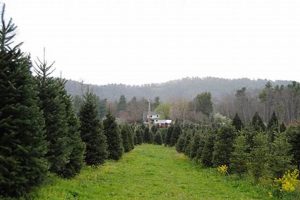
Establishing a managed forest area for the purpose of cultivating trees for sale constitutes a tree farm. This endeavor involves selecting suitable land, choosing appropriate tree species, and implementing long-term management practices to ensure successful growth and eventual harvesting. The process typically encompasses activities such as site preparation, planting, fertilization, pest control, and thinning operations, all tailored to the specific species and desired end product.
Tree farms offer numerous ecological and economic advantages. They contribute to carbon sequestration, improve air and water quality, and provide wildlife habitat. Economically, they generate revenue through the sale of timber, Christmas trees, or nursery stock. Historically, tree farming has been instrumental in sustainable forestry practices, providing a renewable resource while mitigating deforestation pressures on natural forests. This approach offers a controlled and predictable source of wood and other tree-derived products.
The following sections will delve into the essential steps required for initiating a successful operation of this type, including land assessment, species selection, business planning, regulatory compliance, and ongoing management techniques. Careful consideration of these aspects is crucial for long-term sustainability and profitability in this sector.
Essential Guidance for Establishing a Tree Farm
Careful planning and execution are paramount for success in the tree farming industry. The following tips offer guidance on critical aspects of establishment and management.
Tip 1: Conduct a Thorough Site Assessment: Before initiating any planting activities, a comprehensive assessment of the land is essential. Soil composition, drainage patterns, sunlight exposure, and existing vegetation should be evaluated to determine suitability for various tree species. Soil testing provides valuable data on nutrient levels and pH, informing decisions regarding fertilization and species selection. Consider topography and accessibility for future harvesting operations.
Tip 2: Develop a Comprehensive Business Plan: A detailed business plan is crucial for securing funding and guiding operational decisions. The plan should include a market analysis, projected revenues and expenses, a financial forecast, and a marketing strategy. Consider the target market for the tree farm’s products, whether it be timber, Christmas trees, or seedlings, and tailor the plan accordingly.
Tip 3: Select Appropriate Tree Species: Choose tree species that are well-suited to the local climate and soil conditions, and that align with market demand. Consider growth rates, disease resistance, and potential end-use applications. Native species often require less maintenance and are better adapted to the local ecosystem. Consult with a local forestry extension agent or arborist for expert advice.
Tip 4: Implement Effective Pest and Disease Management: Regular monitoring for pests and diseases is crucial to prevent significant losses. Integrated pest management strategies, which prioritize preventative measures and minimize the use of chemical controls, are recommended. Proper sanitation practices, such as removing diseased trees and controlling weed growth, can also help to reduce the risk of outbreaks.
Tip 5: Ensure Regulatory Compliance: Understand and comply with all relevant federal, state, and local regulations pertaining to tree farming. This may include permits for water usage, harvesting, and pesticide application. Contact local regulatory agencies to determine specific requirements and ensure adherence to best management practices.
Tip 6: Invest in Proper Equipment: Efficient tree farm operations require the appropriate equipment. This may include tractors, planting equipment, irrigation systems, and harvesting tools. Careful selection of equipment based on the scale of the operation and the type of trees being grown can significantly improve productivity and reduce labor costs.
Tip 7: Implement a Consistent Monitoring and Maintenance Schedule: Regular monitoring of tree growth, health, and overall site conditions is essential. Develop a schedule for activities such as pruning, thinning, fertilization, and weed control. Consistent maintenance ensures optimal tree growth and reduces the risk of problems developing.
These tips provide a foundation for building a successful tree farm. Adherence to sound management principles and a commitment to continuous improvement are essential for long-term sustainability and profitability.
The next section will explore resources that can assist with the practical implementation of these guidelines, offering additional support for aspiring tree farm operators.
1. Land Suitability

Land suitability represents a cornerstone in the establishment of a successful tree farm. The inherent characteristics of the land dictate the feasibility and profitability of the operation. Comprehensive evaluation prior to planting is essential.
- Soil Composition and Drainage
Soil composition influences nutrient availability and water retention, directly impacting tree growth rates and overall health. Well-drained soils prevent root rot and promote oxygen uptake. For instance, sandy soils may require irrigation, while clay soils may necessitate drainage improvements. Selecting species compatible with the existing soil type minimizes the need for costly amendments and ensures optimal growth potential.
- Climate and Microclimate
Temperature ranges, rainfall patterns, and sunlight exposure are critical climatic factors. Microclimates, variations within a larger climate zone, can create pockets of differing conditions that influence species selection and planting strategies. Areas prone to late frosts or extreme heat may require specific species adaptations or protective measures. Matching the climate to the species’ requirements is paramount for survival and productivity.
- Topography and Accessibility
The slope and elevation of the land impact soil erosion, water runoff, and accessibility for planting and harvesting operations. Steep slopes may necessitate terracing or specialized harvesting equipment, increasing operational costs. Accessibility to roads and transportation infrastructure is crucial for efficient movement of seedlings, equipment, and harvested timber. Considering topography and accessibility streamlines operations and reduces logistical challenges.
- Existing Vegetation and Land Use History
The presence of competing vegetation can hinder tree growth and increase maintenance requirements. Land use history, including previous agricultural practices or industrial activity, may impact soil health and require remediation efforts. Removing invasive species and addressing soil contamination are essential steps in preparing the land for tree farming. Understanding the site’s history informs effective land management strategies.
The successful implementation of any tree farm hinges on a thorough understanding of land suitability. A detailed assessment of soil, climate, topography, and land use history allows for informed decisions regarding species selection, site preparation, and long-term management practices, ultimately contributing to the economic and ecological sustainability of the operation.
2. Species Selection

Species selection is a critical decision point in the establishment of a tree farm, fundamentally influencing its long-term profitability, ecological impact, and overall sustainability. The choice of tree species dictates management practices, harvest cycles, and market potential, making it a central consideration in the planning phase.
- Market Demand and End-Use Applications
The selection of tree species should align with prevailing market demands. Timber species destined for construction lumber, furniture manufacturing, or pulpwood production necessitate different characteristics and management strategies. Similarly, Christmas tree varieties require specific aesthetic qualities and growth habits. A thorough market analysis identifying current and projected demand is crucial for optimizing profitability and minimizing the risk of unsold inventory. Failure to consider end-use applications can result in significant financial losses and inefficient resource allocation.
- Climate and Soil Compatibility
The selected species must be well-suited to the prevailing climate and soil conditions of the tree farm site. Factors such as temperature extremes, rainfall patterns, soil pH, and drainage capacity significantly impact tree survival and growth rates. Planting species outside their optimal range can lead to stunted growth, increased susceptibility to disease, and ultimately, crop failure. Careful matching of species to site conditions is essential for ensuring healthy, productive tree growth and minimizing the need for costly interventions.
- Growth Rate and Rotation Length
Different tree species exhibit varying growth rates, influencing the length of the harvest cycle or rotation. Fast-growing species offer shorter rotations and quicker returns on investment, while slower-growing species may yield higher-value timber but require longer-term financial commitment. The selection of species should consider the investor’s risk tolerance and financial objectives. Balancing growth rate with market demand and timber quality is essential for maximizing long-term profitability.
- Resistance to Pests and Diseases
Susceptibility to pests and diseases can significantly impact tree health and productivity. Selecting species with inherent resistance or tolerance to common local pests and diseases reduces the need for chemical interventions and minimizes the risk of widespread crop damage. Implementing integrated pest management strategies and promoting biodiversity within the tree farm can further enhance resistance and create a more resilient ecosystem. Proactive disease prevention is a key component of sustainable tree farm management.
The interplay between market demand, site suitability, growth characteristics, and pest resistance is fundamental to effective species selection. Careful consideration of these factors, informed by thorough research and expert consultation, is essential for establishing a tree farm that is both economically viable and ecologically sound. The choice of species sets the trajectory for the entire operation, underscoring its importance in the planning process.
3. Business Planning
Business planning serves as the foundational framework for any successful tree farm operation. A well-structured business plan mitigates risks, attracts investment, and guides operational decisions, directly influencing the long-term viability of a tree farm endeavor. Its comprehensive approach is vital to successful start-up.
- Market Analysis and Target Audience
A comprehensive market analysis identifies potential customers and assesses demand for tree farm products, such as timber, Christmas trees, or seedlings. Defining the target audience whether construction companies, retail consumers, or landscaping businesses informs pricing strategies, marketing efforts, and species selection. Failure to accurately assess market dynamics can lead to overproduction of unwanted products, resulting in financial losses and unsustainable practices. For example, if local demand is primarily for hardwood lumber, prioritizing softwood species would be a strategic misstep.
- Financial Projections and Funding Acquisition
Detailed financial projections, including startup costs, operating expenses, and revenue forecasts, are essential for securing funding from investors or lenders. A realistic assessment of cash flow, profitability, and return on investment demonstrates the viability of the business plan. Banks and venture capitalists require robust financial documentation before committing capital. An underestimation of initial investment or an overestimation of projected income can jeopardize the financial stability of the tree farm and hinder its long-term growth.
- Operational Strategy and Management Structure
The business plan should outline the operational strategy, detailing the day-to-day management of the tree farm, including planting, maintenance, harvesting, and marketing. Establishing a clear management structure, with defined roles and responsibilities, ensures efficient decision-making and resource allocation. A poorly defined operational strategy can lead to inefficiencies, increased costs, and a lack of coordination among personnel. For example, neglecting to plan for timely thinning operations can result in reduced timber quality and increased susceptibility to disease.
- Risk Assessment and Mitigation Strategies
Identifying potential risks, such as weather events, pest outbreaks, market fluctuations, and regulatory changes, is crucial for developing effective mitigation strategies. The business plan should outline contingency plans to address these risks, minimizing potential losses and ensuring business continuity. For instance, investing in irrigation systems can mitigate the impact of drought, while diversifying species can reduce the risk of widespread pest damage. A comprehensive risk assessment demonstrates foresight and preparedness, enhancing the credibility of the business plan.
These facets are interconnected and crucial for a comprehensive understanding of how business planning influences the success of launching a tree farm. A robust business plan not only increases the likelihood of securing funding but also provides a roadmap for sustainable growth and profitability, thereby minimizing risks and maximizing the return on investment in this complex agricultural venture.
4. Regulatory Compliance

Regulatory compliance is not merely a procedural hurdle but an essential framework within which responsible tree farm operations are conducted. Navigating this intricate web of federal, state, and local regulations is paramount to ensuring long-term sustainability, environmental stewardship, and legal operation of any tree farm endeavor. Adherence to these rules safeguards natural resources, promotes responsible forestry practices, and protects the interests of both the operator and the surrounding community.
- Environmental Protection Laws
Environmental protection laws encompass a wide range of regulations designed to minimize the environmental impact of forestry operations. These include the Clean Water Act, which regulates discharge of pollutants into waterways, and the Endangered Species Act, which protects threatened and endangered species and their habitats. Compliance may involve implementing erosion control measures, minimizing pesticide use, and avoiding disturbance of sensitive areas. Non-compliance can result in substantial fines, legal action, and damage to the tree farm’s reputation. For instance, failing to implement proper erosion control measures during harvesting operations could lead to sedimentation of nearby streams, violating the Clean Water Act and harming aquatic life.
- Forestry Best Management Practices (BMPs)
Forestry BMPs are a set of guidelines developed to promote sustainable forestry practices and minimize environmental impacts. These practices cover a range of activities, including site preparation, planting, harvesting, and road construction. BMPs address issues such as soil erosion, water quality, wildlife habitat, and forest regeneration. Adhering to BMPs is often a requirement for obtaining forestry certifications and accessing certain government programs. An example of a BMP is maintaining streamside management zones (SMZs) to protect water quality and provide wildlife habitat. These zones act as buffers between harvesting operations and waterways, filtering runoff and preventing erosion.
- Pesticide and Herbicide Regulations
The use of pesticides and herbicides in tree farming is subject to strict regulations designed to protect human health and the environment. These regulations govern the types of chemicals that can be used, application methods, and safety precautions. Applicators must be properly trained and licensed, and records of pesticide use must be maintained. Failure to comply with these regulations can result in fines, license revocation, and harm to non-target organisms. An example is the requirement to use only EPA-approved pesticides and to follow label instructions carefully to minimize risks to human health and the environment.
- Harvesting and Transportation Permits
Harvesting and transporting timber often requires obtaining permits from local or state agencies. These permits ensure that harvesting operations are conducted in a sustainable manner and that timber is transported safely and legally. Permit requirements may include submitting a harvesting plan, complying with timber harvesting regulations, and obtaining transportation permits for hauling logs on public roads. Failure to obtain the necessary permits can result in fines, delays, and legal action. For example, failing to obtain a timber harvesting permit could result in the shutdown of harvesting operations and the imposition of penalties.
The connection between regulatory compliance and how to establish a tree farm is therefore critical. Overlooking any element of compliance introduces potential for not only legal problems, but environmental and financial detriments as well. Diligence in navigating this regulatory landscape enables tree farm operators to minimize risks, enhance sustainability, and secure the long-term viability of their forest management practices.
5. Ongoing Management

Ongoing management is not merely a continuation of initial efforts but an integral component of a successful tree farm operation. It directly influences the long-term health, productivity, and financial returns of the investment. Effective management strategies adapt to changing conditions, mitigating risks and maximizing the potential of the tree farm.
- Silvicultural Practices
Silvicultural practices encompass a range of techniques aimed at controlling the establishment, growth, composition, health, and quality of forests and woodlands to meet the specific objectives of the landowner. Examples include thinning, pruning, fertilization, and weed control. Thinning reduces competition among trees, promoting faster growth and improved timber quality. Pruning removes lower branches, enhancing the value of sawtimber. Fertilization replenishes essential nutrients in the soil, stimulating growth. Weed control minimizes competition for resources, allowing trees to thrive. The implementation of appropriate silvicultural practices optimizes tree growth and ensures a healthy, productive forest.
- Pest and Disease Control
Pest and disease outbreaks can severely impact tree health and productivity, leading to significant economic losses. Ongoing monitoring and proactive management strategies are essential for preventing and controlling outbreaks. Integrated pest management (IPM) combines various techniques, including biological control, cultural practices, and judicious use of pesticides, to minimize environmental impacts. Regular inspections, early detection of problems, and prompt implementation of control measures are crucial for protecting the tree farm from significant damage.
- Fire Management
Fire poses a significant threat to tree farms, potentially causing widespread destruction and economic losses. Implementing a comprehensive fire management plan is essential for preventing and controlling wildfires. This plan should include measures such as creating firebreaks, conducting prescribed burns, and maintaining firefighting equipment. Regular monitoring of fire danger conditions and prompt reporting of wildfires are crucial for minimizing the risk of fire damage. Proper fire management not only protects the tree farm but also contributes to the overall health and resilience of the forest ecosystem.
- Harvesting and Regeneration
Sustainable harvesting practices are essential for ensuring the long-term productivity of the tree farm. Harvesting should be conducted in a manner that minimizes environmental impacts and promotes natural regeneration. Regeneration techniques, such as planting seedlings or allowing natural seeding, ensure the establishment of a new generation of trees. Implementing a well-planned harvesting and regeneration cycle maintains the long-term productivity and ecological integrity of the tree farm. This is a critical part of the “how to start a tree farm” process.
These elements of ongoing management represent a continual cycle of assessment, action, and adaptation. By integrating these practices into the overall operational strategy, tree farm owners can create a resilient and productive ecosystem that delivers both economic returns and ecological benefits. The success of any tree farm ultimately depends on the consistent and thoughtful application of sound management principles throughout the entire lifecycle of the operation.
Frequently Asked Questions
The following frequently asked questions address common concerns and misconceptions surrounding the establishment and management of a tree farm. The answers provide concise and informative guidance based on established forestry principles.
Question 1: What is the minimum land area required for a viable tree farm operation?
There is no definitive minimum acreage. Viability depends on species, market, and management intensity. Smaller parcels may be suitable for Christmas tree farms or specialty crops, while larger areas are typically required for timber production to achieve economies of scale. A thorough business plan and market analysis will determine the optimal size for specific objectives.
Question 2: How long does it take to generate revenue from a tree farm?
The time to revenue generation varies considerably depending on the species selected and the intended end product. Christmas trees may be marketable within 5-10 years, while timber harvests can require 20-80 years or more. Intermittent income can be generated through thinning operations or the sale of non-timber forest products, such as firewood or maple syrup. Long-term financial planning is essential.
Question 3: What are the primary sources of funding for starting a tree farm?
Funding options include personal savings, bank loans, government grants, and private investment. The availability and terms of funding vary depending on the size and scope of the operation, the applicant’s creditworthiness, and the location of the tree farm. Detailed financial projections and a well-articulated business plan are crucial for securing funding from any source.
Question 4: What are the most common challenges faced by new tree farm operators?
Common challenges include securing adequate funding, managing pests and diseases, navigating complex regulatory requirements, and dealing with fluctuating market prices. Developing a robust management plan, seeking expert advice, and staying informed about market trends can help mitigate these challenges. Effective risk management is paramount.
Question 5: Is it necessary to have a formal forestry education to operate a tree farm?
A formal forestry education is not strictly required, but a solid understanding of forestry principles and practices is essential. Operators can acquire this knowledge through formal education, workshops, seminars, and consultations with forestry professionals. Engaging with local forestry extension agents is highly recommended. Continuous learning is vital for adapting to changing conditions and adopting best management practices.
Question 6: What are the long-term ecological benefits of tree farming?
Tree farms offer numerous ecological benefits, including carbon sequestration, improved air and water quality, enhanced wildlife habitat, and soil conservation. Sustainable forest management practices can promote biodiversity and ecosystem resilience. However, it is important to note that poorly managed tree farms can have negative environmental impacts. Therefore, adhering to best management practices is essential.
The establishment of a tree farm requires careful planning, diligent management, and a commitment to sustainable practices. Understanding the challenges and opportunities inherent in this endeavor is crucial for success.
The next section will provide a conclusion that encapsulates the most important elements that comprise the whole operation.
Conclusion
The preceding sections have detailed essential aspects of establishing a tree farm, encompassing site assessment, species selection, business planning, regulatory compliance, and ongoing management. The interplay of these elements dictates the sustainability and profitability of this endeavor. A thorough understanding of each component is necessary for informed decision-making and effective resource allocation.
Successfully initiating and maintaining a tree farm requires a long-term commitment to sustainable practices and adaptive management. The information presented offers a foundation for prospective operators; however, engaging with forestry professionals and remaining abreast of evolving industry standards is crucial. The responsible cultivation of forest resources contributes significantly to both economic prosperity and environmental stewardship, reinforcing the value of informed and diligent management.

![Smiths Christmas Tree Farm: [Your City/Region]'s Best Holiday Tree | The Conscious Farmer | Sustainable Agriculture for a Healthier Planet](https://livingedgefarm.com/wp-content/uploads/2025/08/th-8055-300x200.jpg "Smiths Christmas Tree Farm: [Your City/Region]'s Best Holiday Tree The Conscious Farmer | Sustainable Agriculture for a Healthier Planet")