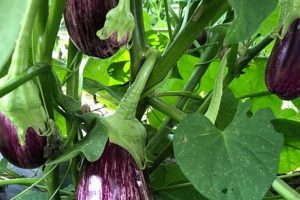
Cultivation of medicinal and culinary plants represents a significant segment of agricultural practice. This specialized activity focuses on the propagation, growth, and harvesting of herbs for various applications. An example includes the commercial production of lavender for essential oils, or the cultivation of basil for culinary use.
The importance of this agricultural niche lies in its contribution to both healthcare and the culinary arts. These cultivated plants provide raw materials for pharmaceutical development, natural remedies, and flavor enhancement in food products. Historically, these practices have been central to traditional medicine and culinary traditions around the world, holding cultural and economic value.
The following sections will detail specific methods employed in this type of cultivation, challenges faced by practitioners, and emerging trends within the sector. Aspects such as soil management, pest control, and post-harvest processing will be examined in detail, providing a comprehensive overview of the field.
Cultivation Strategies for Medicinal and Culinary Plants
Optimizing yields and ensuring the quality of harvested material requires careful consideration of several key factors. The following tips provide guidance on effective practices for successful cultivation of these specialized crops.
Tip 1: Soil Composition Analysis: Before planting, conduct thorough soil testing to determine nutrient levels and pH. Amend soil with organic matter or necessary minerals to create an optimal growing environment for the selected species. Example: Lavender thrives in well-drained, slightly alkaline soil; basil prefers fertile, moisture-retentive soil.
Tip 2: Selection of High-Quality Seed or Stock: Utilize certified disease-free seed or vegetative propagation material from reputable sources. This minimizes the risk of introducing pathogens and ensures genetic consistency within the crop. Example: Purchasing certified organic chamomile seeds guarantees adherence to organic standards and minimizes the risk of contamination.
Tip 3: Irrigation Management: Implement efficient irrigation techniques, such as drip irrigation, to deliver water directly to the root zone. Avoid overwatering, which can lead to root rot and fungal diseases. Example: Drip irrigation in oregano cultivation ensures consistent moisture levels without excessive water use.
Tip 4: Integrated Pest Management (IPM): Employ IPM strategies to control pests and diseases. This includes regular scouting, biological control methods (beneficial insects), and the judicious use of approved pesticides as a last resort. Example: Introducing ladybugs to control aphids in a mint crop.
Tip 5: Careful Harvesting Techniques: Harvest at the optimal time of day and growth stage to maximize the concentration of desired compounds. Use appropriate tools and techniques to minimize damage to the plants. Example: Harvesting rosemary in the morning after the dew has dried to maximize essential oil content.
Tip 6: Post-Harvest Handling and Processing: Implement proper drying, curing, and storage techniques to preserve the quality and potency of harvested material. Example: Air-drying harvested sage in a well-ventilated area to prevent mold growth.
These strategies emphasize the importance of proactive planning, meticulous execution, and ongoing monitoring throughout the cultivation process. By adopting these practices, growers can enhance the productivity and profitability of their operations.
The subsequent sections will explore the economic and market considerations relevant to the distribution and sale of these valuable agricultural products.
1. Species Selection

Species selection constitutes a foundational element in the practice of cultivating medicinal and culinary plants. The choice of species directly impacts the viability, yield, and economic success of such agricultural endeavors. Mismatched species can result in crop failure, reduced potency of active compounds, and ultimately, financial losses.
- Climatic Compatibility
The selected species must be compatible with the local climate. Factors such as temperature range, rainfall patterns, and sunlight exposure significantly affect plant growth and development. For instance, Mediterranean herbs like rosemary and thyme thrive in warm, dry climates, while shade-loving species such as ginseng require cooler, sheltered environments. Selecting species unsuited to the prevailing climate can necessitate costly modifications like greenhouses or irrigation systems.
- Soil Requirements
Different species exhibit varying soil requirements concerning pH, nutrient levels, and drainage. Conducting soil analysis prior to planting is critical to ensure the selected species can flourish. Some species, like lavender, prefer well-drained, alkaline soils, while others, such as blueberries, require acidic conditions. Failure to address soil deficiencies or imbalances can lead to nutrient deficiencies, disease susceptibility, and stunted growth.
- Market Demand and Value
The selection process must consider the existing market demand and potential profitability of the chosen species. Market research should identify high-demand herbs with established markets and favorable pricing. Consideration should also be given to the potential for value-added products, such as essential oils, dried herbs, or herbal extracts. Choosing species with limited market appeal can lead to difficulties in selling the harvest, resulting in economic losses.
- Resistance to Pests and Diseases
Selecting species or varieties that exhibit natural resistance to common pests and diseases can significantly reduce the need for chemical interventions. This can lead to lower production costs, reduced environmental impact, and improved product quality. For example, certain cultivars of basil are resistant to fusarium wilt, a common fungal disease. Prioritizing disease-resistant varieties can minimize crop losses and ensure a more stable yield.
These facets highlight the complex interplay between species selection and successful cultivation of herbs. A thorough understanding of climatic considerations, soil needs, market demands, and disease resistance is essential for making informed decisions that maximize the potential of any herbal agricultural operation.
2. Soil Management
Effective soil management is a fundamental determinant of success in the cultivation of medicinal and culinary plants. The soil serves as the primary medium for plant growth, providing physical support, essential nutrients, and a conduit for water and air. Therefore, appropriate soil management practices are crucial for optimizing plant health, maximizing yields, and ensuring the quality of harvested materials.
- Nutrient Availability and Balance
Medicinal and culinary plants require a balanced supply of essential nutrients for optimal growth and the synthesis of desired secondary metabolites. Soil testing is essential to determine nutrient deficiencies or imbalances. Amendments, such as compost, manure, or mineral fertilizers, can be applied to correct nutrient levels. For instance, potassium is crucial for the production of essential oils in many herbs, while nitrogen promotes vegetative growth. Maintaining appropriate nutrient ratios is critical to prevent deficiencies or toxicities that can negatively impact plant health and yield.
- Soil Structure and Drainage
Soil structure influences water infiltration, aeration, and root development. Well-structured soils with good drainage prevent waterlogging, which can lead to root rot and nutrient deficiencies. Incorporating organic matter improves soil structure, increases water-holding capacity, and enhances drainage. For example, adding compost to clay soils can improve aeration and drainage, while incorporating sand into sandy soils can improve water retention. A friable, well-drained soil promotes healthy root growth and optimal nutrient uptake.
- Soil pH Management
Soil pH affects the availability of nutrients and the activity of beneficial soil microorganisms. Most medicinal and culinary plants thrive in slightly acidic to neutral soil pH (6.0-7.0). Soil pH can be adjusted by adding lime to raise the pH or sulfur to lower it. For example, blueberries require acidic soil (pH 4.5-5.5) and benefit from sulfur amendments. Maintaining the appropriate pH ensures that nutrients are readily available to the plants and promotes healthy root development.
- Soil Biology and Microbial Activity
Soil is a dynamic ecosystem teeming with beneficial microorganisms, including bacteria, fungi, and nematodes, that play a crucial role in nutrient cycling, disease suppression, and plant growth promotion. Enhancing soil biological activity through practices such as cover cropping, composting, and minimizing tillage can improve soil health and plant productivity. For example, mycorrhizal fungi form symbiotic relationships with plant roots, enhancing nutrient uptake. A healthy soil microbiome contributes to a resilient and productive agricultural system.
These multifaceted aspects of soil management collectively influence the success of herbal cultivation. Employing comprehensive soil management practices tailored to the specific requirements of the chosen species is essential for achieving optimal yields, superior product quality, and long-term sustainability in the cultivation of medicinal and culinary plants.
3. Pest Control

Pest control constitutes a critical component in the cultivation of medicinal and culinary plants. The presence of insects, mites, nematodes, and fungal or bacterial pathogens can significantly diminish crop yields, reduce the quality of harvested material, and potentially render crops unmarketable. The economic consequences of inadequate pest management in this agricultural sector are substantial, necessitating a proactive and informed approach to pest control strategies.
The integrated pest management (IPM) approach is particularly pertinent in herb cultivation due to the emphasis on natural and organic production methods. IPM focuses on preventing pest outbreaks through cultural practices, biological control, and the judicious use of selective pesticides as a last resort. For example, crop rotation and intercropping can disrupt pest life cycles. Introduction of beneficial insects like ladybugs for aphid control or nematodes for soilborne insect larvae exemplify biological control. Bacillus thuringiensis (Bt) formulations offer a targeted solution for certain caterpillar pests while minimizing harm to beneficial organisms. Monitoring pest populations and implementing timely interventions are essential components of a successful IPM program.
Effective pest control in medicinal and culinary plant cultivation requires a deep understanding of pest biology, plant-pest interactions, and the potential impacts of control measures on plant health and product quality. A commitment to sustainable practices, minimizing chemical inputs, and promoting a healthy ecosystem are crucial for long-term success in this specialized agricultural domain. The ongoing refinement of pest control techniques, coupled with continued research into novel and environmentally benign solutions, will ensure the viability of herb farming in a changing agricultural landscape.
4. Harvest Timing

Harvest timing exerts a critical influence on the quality, potency, and overall economic value of medicinal and culinary plants. This stage represents the culmination of cultivation efforts and directly dictates the concentration of desired bioactive compounds within the harvested material. Premature harvesting can lead to lower concentrations of these compounds, while delayed harvesting may result in degradation or alteration of the plant’s chemical profile, negatively affecting its intended use. For example, harvesting St. John’s Wort before the peak bloom period will significantly reduce hypericin content, the active component valued for its antidepressant properties. Conversely, delaying the harvest of chamomile beyond the point when petals begin to droop can lead to a reduction in chamazulene, an anti-inflammatory compound.
The determination of optimal harvest timing requires careful consideration of several factors, including the plant species, the specific plant part being harvested (e.g., leaves, flowers, roots), environmental conditions, and the intended end use of the material. Visual cues such as flower color, leaf size, and seed maturity often provide valuable indicators of readiness. Furthermore, analytical techniques such as chromatographic analysis can be employed to quantitatively assess the concentration of key compounds and determine the precise moment of peak potency. The integration of traditional knowledge with scientific methods provides a comprehensive approach to determining the appropriate harvest window. In practice, skillful growers continuously monitor their crops, adjusting harvest schedules based on real-time observations and data. For instance, peppermint oil yields are maximized when the plant is harvested just as flowering begins, balancing vegetative growth with essential oil production.
In conclusion, harvest timing is an indispensable component of successful medicinal and culinary plant cultivation. It is a dynamic process requiring a nuanced understanding of plant physiology, environmental influences, and analytical techniques. Implementing precise harvest protocols ensures the production of high-quality plant material with optimal therapeutic or culinary properties. Failure to address the intricacies of harvest timing represents a significant risk, potentially compromising the value of the crop and undermining the profitability of the entire agricultural operation. Proper planning and meticulous execution of harvest operations are thus paramount for successful and sustainable herb production.
5. Processing Methods
Processing methods are integral to the value chain of herba farming. The techniques employed post-harvest directly influence the quality, stability, and marketability of medicinal and culinary plants. Inadequate processing can lead to degradation of active compounds, contamination, and significant economic losses. Therefore, selecting and implementing appropriate processing methods is paramount for realizing the full potential of cultivated herbs.
- Drying Techniques
Drying is a crucial step in preserving herbs by reducing moisture content, thereby preventing microbial growth and enzymatic degradation. Sun-drying, air-drying, and mechanical drying are common methods. The selection depends on the species and desired product characteristics. For instance, shade-drying basil preserves its volatile oils better than sun-drying. Improper drying can result in mold growth, loss of aroma, and reduced medicinal potency.
- Extraction Methods
Extraction involves separating desired compounds from the plant matrix using solvents. Common methods include maceration, percolation, and steam distillation. The choice of solvent affects the yield and purity of the extract. For example, supercritical CO2 extraction is often used for high-value essential oils due to its selectivity and low toxicity. Inefficient extraction can leave valuable compounds behind, reducing the extract’s potency and commercial value.
- Milling and Grinding
Milling and grinding reduce particle size, increasing surface area and facilitating extraction or incorporation into formulations. The fineness of the grind affects the release rate of active compounds. Cryogenic grinding, which involves cooling the herb during milling, can minimize heat degradation. Over-grinding can lead to dust formation and loss of volatile compounds, while under-grinding can hinder extraction.
- Packaging and Storage
Proper packaging and storage protect herbs from light, moisture, oxygen, and temperature fluctuations, which can degrade active compounds. Airtight containers, dark glass bottles, and controlled temperature storage are essential. Vacuum sealing can extend shelf life by removing oxygen. Inadequate packaging and storage can lead to oxidation, loss of aroma, and reduced medicinal efficacy, rendering the product unsaleable.
These processing methods, when carefully applied, contribute significantly to the success of herba farming enterprises. Optimizing each step ensures that the final product retains its desired properties and meets market standards, thereby maximizing profitability and contributing to the sustainable utilization of cultivated medicinal and culinary plants.
6. Market Demand
Market demand is a primary driver in the cultivation of medicinal and culinary plants. Understanding and responding to this demand is crucial for the economic viability and sustainability of herba farming operations. Failure to accurately assess market trends can lead to overproduction of certain species, resulting in price declines and financial losses, or underproduction, missing opportunities for revenue generation.
- Consumer Preferences and Trends
Shifting consumer preferences, driven by factors such as health consciousness, culinary trends, and cultural influences, significantly impact the demand for specific herbs. For example, increased interest in plant-based diets has fueled demand for culinary herbs like basil, oregano, and thyme. Similarly, a growing awareness of the potential health benefits of herbal remedies has boosted demand for species such as turmeric, ginger, and echinacea. Monitoring these trends is essential for producers to adapt their cultivation practices and align their offerings with consumer needs. Neglecting to track these dynamics can lead to outdated product offerings and reduced market competitiveness.
- Regulatory Requirements and Standards
Regulatory requirements pertaining to the safety, quality, and labeling of herbal products play a crucial role in shaping market demand. Compliance with standards such as Good Agricultural and Collection Practices (GACP) and Good Manufacturing Practices (GMP) is often a prerequisite for accessing certain markets. For instance, herbal ingredients used in dietary supplements are subject to stringent regulations in many countries. Adhering to these regulations can enhance product credibility and expand market access. Failure to comply with regulatory requirements can result in product recalls, legal penalties, and damage to brand reputation, negatively affecting market demand.
- Supply Chain Dynamics and Distribution Channels
The efficiency and effectiveness of supply chain dynamics and distribution channels influence the accessibility and availability of herbs to consumers. The involvement of distributors, wholesalers, retailers, and online platforms shapes the overall market demand. Establishing strong relationships with key players in the supply chain can improve market access and ensure timely delivery of products. For example, direct-to-consumer sales channels, such as farmers’ markets and online stores, can provide a higher profit margin for producers. Inefficiencies in the supply chain, such as delays in transportation or inadequate storage facilities, can result in product spoilage and reduced market demand.
- Pricing and Competition
Pricing strategies and competitive forces within the market significantly influence the demand for herbal products. Competitive pricing is essential for attracting customers and maintaining market share. Producers must carefully consider their production costs, market conditions, and competitor pricing when establishing their own pricing strategies. Differentiated products with unique attributes, such as organic certification or sustainably sourced ingredients, may command premium prices. Intense competition can drive down prices and reduce profit margins. Producers must continually innovate and differentiate their products to maintain a competitive advantage in the marketplace.
In conclusion, market demand encompasses a complex interplay of consumer preferences, regulatory requirements, supply chain dynamics, and competitive forces. A thorough understanding of these factors is essential for herba farming operations to make informed decisions about species selection, cultivation practices, processing methods, and marketing strategies. Adapting to changing market conditions and maintaining a customer-centric approach are critical for long-term success in this dynamic agricultural sector.
Frequently Asked Questions Regarding Herba Farming
The following questions address common inquiries and concerns surrounding the cultivation of medicinal and culinary plants. These answers are intended to provide clarity and facilitate informed decision-making within this specialized agricultural domain.
Question 1: What are the primary considerations when selecting a location for herba farming operations?
Location selection is paramount. Key factors include soil composition, water availability, climate suitability for target species, access to transportation infrastructure, and adherence to local zoning regulations. Comprehensive site analysis mitigates risks and promotes long-term sustainability.
Question 2: How does organic herba farming differ from conventional practices?
Organic herba farming prohibits synthetic fertilizers, pesticides, and genetically modified organisms (GMOs). It emphasizes soil health, biodiversity, and natural pest control methods. Organic certification requires adherence to stringent standards and regular inspections, ensuring environmentally sound practices.
Question 3: What are the common challenges encountered in herba farming?
Common challenges include pest and disease management, weed control, maintaining soil fertility, fluctuating market prices, labor shortages, and compliance with regulatory requirements. Proactive planning, integrated pest management strategies, and diversification of crops can mitigate these challenges.
Question 4: What role does technology play in modern herba farming?
Technology plays an increasingly significant role, encompassing precision irrigation systems, automated harvesting equipment, remote sensing technologies for crop monitoring, and data analytics for optimizing yields and resource utilization. These advancements enhance efficiency, reduce labor costs, and improve decision-making.
Question 5: How can small-scale herba farmers compete with larger agricultural operations?
Small-scale farmers can differentiate themselves through specialized production, niche markets, direct-to-consumer sales, value-added products, and a focus on sustainability and ethical sourcing. Building strong relationships with local communities and emphasizing unique product attributes can enhance competitiveness.
Question 6: What are the long-term sustainability considerations for herba farming?
Long-term sustainability requires responsible resource management, soil conservation practices, water conservation, biodiversity preservation, reduced reliance on chemical inputs, and fair labor practices. Implementing sustainable practices ensures environmental stewardship and contributes to the resilience of the agricultural ecosystem.
The answers provided offer a foundational understanding of key aspects in herba farming. Further research and consultation with experts are recommended for specific circumstances.
The subsequent section explores the future trends and potential innovations in the cultivation of medicinal and culinary plants.
Conclusion
This exploration of herba farming has illuminated the multifaceted nature of cultivating medicinal and culinary plants. From species selection to market demand, each stage presents critical considerations that impact the viability and success of these agricultural endeavors. Sound soil management, effective pest control, precise harvest timing, and appropriate processing methods are vital elements in ensuring optimal yields and the quality of final products.
The continued advancement and implementation of sustainable practices within herba farming are crucial for meeting the growing demand for plant-based remedies and culinary ingredients while minimizing environmental impact. Further research, innovation, and responsible stewardship will be instrumental in shaping a future where herba farming thrives as a valuable and ecologically sound component of the agricultural landscape.