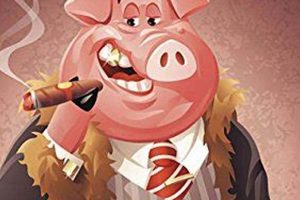
Characters within George Orwell’s allegorical novella represent prominent individuals and social classes involved in the Russian Revolution and its aftermath. Each animal embodies specific traits and actions mirroring historical figures and societal elements, contributing to the narrative’s critique of totalitarianism.
Understanding these symbolic representations is crucial for interpreting the deeper layers of meaning within the text. The story leverages animal behavior to dissect political ideologies and expose the dangers of unchecked power. Its enduring relevance stems from its insightful commentary on social inequality and the corruption that can arise from revolutionary ideals.
The subsequent analysis will delve into specific characters, outlining their historical counterparts and the broader significance they hold within the framework of the narrative. This exploration will illuminate the author’s message regarding power, manipulation, and the fragility of utopian visions.
Analyzing Fictional Characters Based on Real-World Counterparts
Understanding the allusions within the text requires careful consideration of each character’s actions and motivations in relation to historical figures and events. This deeper analysis provides valuable insight into the themes of power, corruption, and social control.
Tip 1: Identify Parallel Personalities. Recognize that each character embodies traits of specific individuals from the Russian Revolution. For instance, Napoleon represents Joseph Stalin, while Snowball mirrors Leon Trotsky.
Tip 2: Analyze Character Actions. Scrutinize the behaviors of each character and link them to comparable events in history. Napoleon’s consolidation of power mirrors Stalin’s purges and suppression of dissent.
Tip 3: Examine Symbolic Roles. Understand that certain characters represent broader societal groups. The working class, for example, is embodied by Boxer, whose dedication is exploited by the ruling pigs.
Tip 4: Recognize Ideological Parallels. Compare the political ideologies presented in the book to those of the Russian Revolution. Animalism, for instance, is a parallel to communism, exhibiting both its initial promise and subsequent corruption.
Tip 5: Note the Use of Propaganda. Observe how Squealer manipulates language and information to control the other animals. This reflects the propaganda techniques used by totalitarian regimes to maintain power.
Tip 6: Consider Character Development. Follow the progression of each character as the story unfolds. Their evolving roles and fates demonstrate the consequences of the revolution’s corruption.
Tip 7: Connect Animal Traits to Symbolic Meaning. Recognize that the author chose specific animals to represent different qualities. For example, sheep represent blind obedience to authority.
Analyzing allegorical representations provides a richer comprehension of the author’s social and political commentary. The deeper engagement with the characters’ historical counterparts allows for a more nuanced understanding of the novel’s themes.
The following sections will explore specific interpretations of key relationships and underlying allegories to further enhance the understanding of its profound message.
1. Allegorical representations

The characters in George Orwell’s Animal Farm function as deliberate allegories, where each animal represents specific figures, ideologies, or social classes from the Russian Revolution and subsequent Soviet era. Understanding these allegorical connections is essential to grasp the story’s political and social critiques.
- Napoleon’s Representation of Stalin
Napoleon, the pig who seizes control of the farm, directly embodies Joseph Stalin. His manipulative tactics, consolidation of power, and brutal suppression of dissent mirror Stalin’s actions during the Soviet regime. This allegorical representation serves to critique the authoritarian tendencies of communist dictatorships.
- Snowball’s Alignment with Trotsky
Snowball, the idealistic pig who advocates for modernization and education, is an allegory for Leon Trotsky. His exile from the farm by Napoleon reflects Trotsky’s expulsion from the Soviet Union by Stalin. This character represents the suppression of dissenting voices and alternative visions within revolutionary movements.
- Boxer’s Symbolism of the Proletariat
Boxer, the hardworking and loyal carthorse, embodies the proletariat, or working class. His unwavering dedication and unquestioning obedience to the pigs highlight the exploitation of the working class by those in power. His eventual fate, being sold to the knacker, underscores the tragic consequences of blind faith in a corrupt leadership.
- Squealer’s Role as Propagandist
Squealer, the pig responsible for disseminating propaganda, represents the Soviet propaganda machine. His manipulation of language and distortion of facts serve to control the other animals and maintain the pigs’ authority. This allegorical representation emphasizes the importance of critical thinking and the dangers of blindly accepting official narratives.
These allegorical figures within Animal Farm collectively expose the corruption and betrayal of revolutionary ideals. By portraying these figures through animal characters, Orwell effectively critiques the totalitarian regimes that emerged from revolutionary movements, emphasizing the importance of vigilance against the abuse of power and the manipulation of society.
2. Historical Parallels

The profound impact of Animal Farm resides in its meticulous mirroring of historical events surrounding the Russian Revolution. The narrative’s animal characters serve as allegorical stand-ins for key figures and social strata of the period. This deliberate strategy transforms a seemingly simple animal fable into a potent political critique.
The correlation extends beyond mere character resemblance. The animals’ actions and the evolution of Animal Farm itself closely emulate the sequence of events in Russia. From the initial overthrow of Mr. Jones, representing the Tsarist regime, to the pigs’ gradual assumption of power and the suppression of dissent, each plot point echoes a specific stage in the rise of Soviet totalitarianism. For instance, Napoleon’s expulsion of Snowball directly parallels Stalin’s exile of Trotsky. The construction and subsequent destruction of the windmill mirror the ambitious yet ultimately flawed industrial projects of the Soviet era. Understanding these historical parallels is crucial for deciphering the author’s commentary on the nature of revolutions and the dangers of unchecked authority.
Recognizing the historical parallels in Animal Farm provides readers with a framework for analyzing other political and social upheavals. By understanding how revolutionary ideals can be corrupted and how power can be abused, readers can critically evaluate contemporary events and safeguard against similar pitfalls. The enduring relevance of Animal Farm stems from its ability to illuminate universal themes of power, corruption, and the fragility of social justice through the lens of a specific historical moment.
3. Power Dynamics

Power dynamics are central to understanding the allegorical narrative of Animal Farm. The characters and their interactions illuminate the various ways power is obtained, maintained, and abused, offering a critical commentary on social hierarchies and political control.
- The Consolidation of Pig Power
The pigs, initially leading the revolution, gradually consolidate their power through manipulation, propaganda, and the exploitation of other animals. This mirrors the concentration of authority in the hands of a select few, a recurring theme in political revolutions. The pigs’ assumption of human behaviors and privileges exemplifies the corrupting influence of unchecked power.
- Exploitation of the Working Class
Boxer, the loyal and hardworking horse, represents the exploited working class. His unwavering dedication and unquestioning obedience enable the pigs to solidify their control. The pigs benefit from Boxer’s labor while providing him with minimal sustenance, reflecting the inequitable distribution of resources in societies marked by significant power imbalances.
- The Role of Propaganda and Control of Information
Squealer, the pigs’ propagandist, skillfully manipulates language and information to control the other animals’ perceptions of reality. This highlights the crucial role of propaganda in maintaining power, as it allows the ruling class to shape public opinion and suppress dissent. The pigs’ rewriting of history further exemplifies this control.
- Suppression of Dissent and Opposition
Snowball’s expulsion from the farm and the subsequent suppression of any dissenting voices illustrate the lengths to which those in power will go to eliminate opposition. This reflects the authoritarian tactics employed by totalitarian regimes to maintain their grip on control. The use of fear and intimidation discourages other animals from challenging the pigs’ authority.
These facets of power dynamics within Animal Farm underscore the novel’s critique of political systems susceptible to corruption and abuse. The characters’ actions and the resulting social hierarchy demonstrate the inherent dangers of unchecked power and the importance of vigilance in safeguarding against oppression.
4. Societal Critique

The narrative framework of Animal Farm provides a platform for a multifaceted societal critique, leveraging its animal characters as symbolic representations of various social strata and their inherent flaws. The author strategically employs these figures to dissect issues such as class inequality, the abuse of power, and the susceptibility of revolutionary movements to corruption. The pigs, embodying the ruling elite, exemplify the tendency of those in positions of authority to prioritize self-interest over collective well-being, leading to exploitation and oppression of the other animals. The unquestioning obedience of characters like Boxer serves as a critique of the working class’s vulnerability to manipulation and the dangers of blind faith in leadership.
Further analysis reveals the importance of societal critique as a fundamental component of understanding the narrative’s significance. Without recognizing the satirical commentary on political systems and social structures, the depth of the author’s message is diminished. Consider the historical context of the novel’s publication, during the rise of totalitarian regimes. The novel’s critique of the Soviet Union and other authoritarian states served as a warning against the dangers of unchecked power and the erosion of individual liberties. The sheep, representing the masses who blindly follow propaganda, illustrate the ease with which populations can be manipulated by those in power, highlighting the need for critical thinking and independent judgment.
The practical significance of understanding this societal critique lies in its ability to foster awareness of contemporary social and political issues. By recognizing the parallels between the animal characters and real-world individuals or social groups, readers can develop a more nuanced understanding of power dynamics and the potential for exploitation. The challenges associated with implementing societal change are also illuminated, emphasizing the importance of vigilance and the need for constant scrutiny of those in positions of authority. In conclusion, Animal Farm remains a potent allegory due to its incisive societal critique, urging readers to reflect on the ongoing struggle for social justice and the perennial threat of corruption.
5. Character Symbolism

Within George Orwell’s Animal Farm, character symbolism operates as a fundamental literary device, enriching the narrative by assigning representative qualities to each animal figure. This symbolism facilitates a deeper understanding of the allegorical connections between the animal characters and the historical figures and social classes they represent.
- Napoleon as a Symbol of Totalitarian Leadership
The character of Napoleon, a pig, symbolizes the totalitarian dictator, specifically Joseph Stalin. Napoleon’s gradual consolidation of power through manipulation and suppression reflects Stalin’s own rise to absolute authority in the Soviet Union. This symbolism extends to Napoleon’s use of propaganda and violence to maintain control, mirroring the tactics employed by Stalin’s regime.
- Snowball as an Emblem of Ideological Opposition
Snowball, another pig, embodies the figure of Leon Trotsky and, more broadly, represents ideological opposition within a revolutionary movement. Snowball’s commitment to modernization and his eventual exile from the farm symbolize the suppression of dissenting voices and alternative visions in totalitarian states. This symbolism highlights the dangers of ideological purity and the intolerance of differing opinions.
- Boxer as an Embodiment of the Exploited Proletariat
The character of Boxer, the hardworking carthorse, serves as an emblem of the exploited proletariat, or working class. Boxer’s unwavering loyalty and dedication to the farm are exploited by the pigs, who benefit from his labor while providing him with minimal reward. This symbolism underscores the inequitable distribution of resources and the vulnerability of the working class to manipulation by those in power.
- Squealer as a Representation of Propaganda and Manipulation
Squealer, the pig responsible for disseminating propaganda, represents the manipulation of information and the control of public opinion by totalitarian regimes. Squealer’s skillful use of language and distortion of facts serve to maintain the pigs’ authority and suppress dissent. This symbolism highlights the importance of critical thinking and the dangers of blindly accepting official narratives.
The strategic use of character symbolism in Animal Farm elevates the narrative beyond a simple animal fable, transforming it into a potent political critique. By assigning representative qualities to each animal figure, the author effectively exposes the dangers of unchecked power, the corruption of revolutionary ideals, and the exploitation of the working class. Understanding these symbolic connections enhances the reader’s appreciation of the novel’s enduring relevance and its cautionary message about the nature of political power.
6. Revolutionary corruption
The deterioration of revolutionary ideals into corrupt practices forms a central theme explored through the characters within George Orwell’s Animal Farm. The narrative illustrates how the initial egalitarian goals of the animal rebellion are gradually undermined by the pigs’ increasing lust for power. This corruption manifests through the manipulation of language, the rewriting of history, and the exploitation of the other animals, ultimately leading to a society that mirrors the oppressive regime they initially sought to overthrow. The figures within the story are instrumental in depicting this decline. Napoleon, embodying the archetype of the totalitarian leader, orchestrates a systematic erosion of the revolution’s principles, mirroring the historical trajectory of revolutions where initial fervor gives way to authoritarianism.
The practical significance of understanding this connection lies in its capacity to illuminate the inherent challenges in maintaining revolutionary integrity. History offers numerous examples where revolutions, initially fueled by noble aspirations, devolved into oppressive regimes. The French Revolution, with its descent into the Reign of Terror, provides a stark parallel. Similarly, the Russian Revolution, which Animal Farm allegorically represents, saw the initial ideals of communism subverted by Stalin’s totalitarian rule. The characters serve as cautionary figures, demonstrating how unchecked power and the manipulation of ideology can undermine even the most well-intentioned movements. Squealer’s role as a propagandist emphasizes the importance of critical thinking and the need to resist the allure of simplistic narratives that often accompany revolutionary movements.
In conclusion, the link between revolutionary corruption and the characters within Animal Farm underscores the fragility of utopian visions. The novel serves as a reminder that revolutions are not immune to the corrupting influence of power and that constant vigilance is necessary to safeguard against the betrayal of their founding principles. The enduring relevance of Animal Farm stems from its ability to illuminate the universal challenges of maintaining integrity in the face of political ambition and the enduring human tendency towards self-interest, ensuring that the lessons learned from its pages remain pertinent across generations.
Frequently Asked Questions Regarding Animal Farm Figures
This section addresses common inquiries and misconceptions surrounding the characters within George Orwell’s Animal Farm, clarifying their symbolic significance and historical parallels.
Question 1: Who does Napoleon in Animal Farm represent?
Napoleon is widely understood to represent Joseph Stalin, the dictator of the Soviet Union. The character’s manipulative tactics, consolidation of power, and suppression of dissent mirror Stalin’s actions during his regime.
Question 2: How does Snowball relate to Russian history?
Snowball is allegorically linked to Leon Trotsky, a key figure in the Russian Revolution who was later exiled by Stalin. Snowball’s expulsion from the farm symbolizes Trotsky’s removal from power and the suppression of dissenting voices.
Question 3: What does Boxer the horse symbolize?
Boxer embodies the proletariat, or working class, whose labor and loyalty are exploited by those in power. His unwavering dedication and ultimate demise serve as a critique of the working class’s vulnerability to manipulation.
Question 4: What is Squealer’s significance in the story?
Squealer represents propaganda and the manipulation of information. He is responsible for distorting facts and controlling the other animals’ perceptions, mirroring the role of propaganda in totalitarian regimes.
Question 5: Beyond specific individuals, do any characters represent broader social groups?
Yes. The sheep, for example, symbolize the masses who blindly follow authority, while the pigs, as a whole, represent the ruling elite and their tendency toward corruption.
Question 6: Is understanding these connections crucial for interpreting the novel?
Comprehending these allegorical representations is essential for grasping the deeper layers of meaning within Animal Farm. It allows for a more nuanced understanding of the author’s critique of power, corruption, and social inequality.
In summary, the characters are not merely animals in a children’s story; they are carefully crafted symbols that provide insight into historical events and enduring themes of power and control.
The following section will delve into the literary techniques employed to convey the allegorical message.
Animal Farm Figures
This exploration has detailed the allegorical representations inherent in characters. Key aspects of this portrayal are mirroring of historical figures and the commentary on power dynamics and societal structures. A deeper understanding of these representations is crucial to fully grasping the novellas profound and enduring relevance.
The critical interpretation of allegorical connections underscores the ongoing importance of analyzing and questioning systems of power. Continued scrutiny of societal structures and an awareness of the potential for corruption are essential for safeguarding against the erosion of fundamental principles. The cautionary message remains as relevant today as it was at the time of publication.