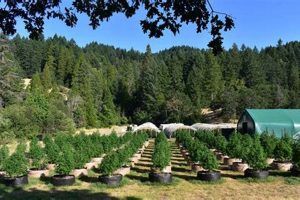
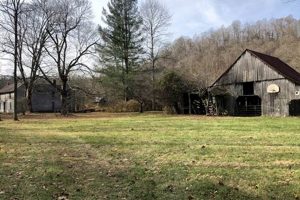
Properties classified as former agricultural sites available for purchase in Arizona constitute a niche segment of the real estate market. These locations, which have ceased active farming operations, present a diverse range of conditions, from completely dilapidated structures to relatively intact land requiring reactivation. For example, a 160-acre parcel with a dilapidated farmhouse and irrigation system, once used for cotton cultivation, could be categorized within this market segment.
The availability of these properties offers unique prospects for diverse stakeholders. For investors, the potential for land appreciation, resource extraction (e.g., water rights), or redevelopment into alternative ventures like solar farms or residential communities can be substantial. Furthermore, preserving historical farming landscapes and contributing to sustainable agriculture initiatives can also be a motivating factor for some buyers. Historically, fluctuations in agricultural markets, water scarcity, and economic downturns have contributed to the abandonment of farming enterprises in the region.
The subsequent sections will address essential considerations for evaluating and acquiring these properties, including due diligence procedures, potential challenges related to environmental remediation or water rights, and financing strategies applicable to this specific type of real estate investment. This also covers the legal framework associated with real estate transactions involving such land.
Acquiring land previously used for agricultural purposes requires careful consideration and due diligence. The following tips provide essential guidance for prospective buyers:
Tip 1: Conduct Thorough Environmental Assessments: Undertake comprehensive soil and water testing to identify potential contaminants resulting from past agricultural practices, such as pesticide residue or fertilizer runoff. Remediation costs can significantly impact the overall investment.
Tip 2: Verify Water Rights: Arizona operates under strict water rights regulations. Confirm the legal status and availability of water rights associated with the property, including adjudication records and limitations on usage. Water scarcity is a critical factor in the state.
Tip 3: Examine Title History: A detailed title search should be performed to identify any existing liens, easements, or encumbrances that could affect the property’s value or usability. This is crucial for ensuring a clean transfer of ownership.
Tip 4: Assess Infrastructure Condition: Evaluate the condition of existing structures, irrigation systems, and other infrastructure. Factor in the cost of repairs or replacements into the purchase price. Neglected infrastructure may require significant investment.
Tip 5: Review Zoning and Land Use Regulations: Understand local zoning ordinances and land use restrictions to determine the permissible uses for the property. Changes to zoning may require approvals and can impact development plans.
Tip 6: Engage Legal Counsel: Consult with an attorney specializing in Arizona real estate law to navigate complex legal issues related to land ownership, water rights, and environmental regulations. Legal expertise is invaluable in protecting the buyer’s interests.
Tip 7: Secure Expert Appraisal: Obtain an independent appraisal from a qualified appraiser experienced in valuing agricultural properties. This will provide an objective assessment of the property’s market value and inform the negotiation process.
These considerations emphasize the importance of informed decision-making when acquiring land previously designated for farming. By prioritizing due diligence and seeking expert guidance, prospective buyers can mitigate risks and maximize the potential returns on their investment.
The next stage involves understanding the financing options available for purchasing land with specific past agricultural usage.
1. Environmental Remediation

The presence of environmental contamination on former agricultural land significantly influences the feasibility and cost of acquiring abandoned farms for sale in Arizona. Remediation efforts often represent a substantial initial investment, impacting the overall profitability and development potential of such properties.
- Soil Contamination from Pesticides and Herbicides
Historical agricultural practices frequently involved the extensive use of pesticides and herbicides, leading to soil contamination. These chemicals can persist in the soil for extended periods, posing risks to human health and the environment. Remediation strategies may include soil removal, bioremediation, or chemical treatment. For instance, organochlorine pesticides, once widely used, are now recognized as persistent organic pollutants requiring specialized remediation techniques.
- Groundwater Contamination from Fertilizers
Nitrate contamination of groundwater is a common issue associated with past fertilizer application on agricultural land. Excessive nitrogen levels can render groundwater unsuitable for drinking and contribute to ecological damage. Remediation approaches may involve pump-and-treat systems, bioremediation, or alternative water sources. In Arizona, groundwater contamination can exacerbate existing water scarcity issues.
- Asbestos and Lead Contamination in Structures
Older farm structures, such as barns and houses, may contain hazardous materials like asbestos and lead-based paint. Demolition or renovation of these structures necessitates proper abatement procedures to prevent the release of these contaminants into the environment. Neglecting these procedures can result in significant legal liabilities.
- Impact on Property Value and Redevelopment Potential
The presence of environmental contamination directly impacts the market value of abandoned farms. Properties requiring extensive remediation typically sell at a discount to reflect the associated costs and risks. Furthermore, contamination can restrict redevelopment options, potentially limiting the property’s future use. For example, residential development may be prohibited on land with high levels of soil contamination without thorough remediation.
The successful acquisition and redevelopment of derelict agricultural land often hinge on a thorough assessment of potential environmental liabilities and the implementation of effective remediation strategies. Addressing these concerns is crucial for mitigating risks, ensuring regulatory compliance, and unlocking the long-term value of these properties in Arizona.
2. Water Rights Assessment

Water rights are intrinsically linked to the viability and value of Arizona properties formerly utilized for agricultural production. The abandonment of farming operations is often directly attributable to challenges related to water access, allocation, or legal disputes concerning water rights. Consequently, a thorough water rights assessment is not merely a desirable component of due diligence but an indispensable step in evaluating such land parcels. This assessment seeks to determine the legal basis, quantity, priority, and potential limitations associated with the water rights connected to a specific abandoned farm. Failure to conduct a comprehensive evaluation can result in unforeseen legal complications, restricted usage of the land, and a significant devaluation of the investment.
The complexities of Arizona’s water law system necessitate expert evaluation. Surface water rights, groundwater rights, and effluent rights are all governed by different regulations and legal precedents. Furthermore, water rights can be severed from the land and transferred to other users, leaving a potential buyer with limited or no access to water resources. For instance, a farm abandoned due to groundwater depletion may still possess formally recognized water rights; however, the practical ability to exercise those rights may be severely constrained due to physical limitations. An assessment will reveal potential encumbrances such as outstanding liens, decreed limitations, and pending adjudications that could affect the reliability of water access.
In summary, the value proposition of abandoned farms in Arizona is inextricably tied to the presence and security of appurtenant water rights. A rigorous water rights assessment is paramount to understand the legal and practical dimensions of water access, mitigate potential risks, and ensure the long-term viability of any agricultural or alternative land use development. Ignoring this critical step can lead to costly surprises and severely compromise the investment’s success.
3. Land Use Restrictions

Land use restrictions significantly impact the potential uses and, consequently, the value of properties formerly designated as agricultural lands. Abandoned farms for sale in Arizona are often subject to a complex array of local, state, and federal regulations that dictate what activities can occur on the land, necessitating thorough investigation before purchase.
- Zoning Ordinances
Local zoning ordinances define the permissible uses within specific geographic areas. Many abandoned farms may be zoned for agricultural use only, limiting options for residential or commercial development without a zoning change. For example, a property zoned A-1 (General Agricultural) might permit crop cultivation and livestock raising but prohibit high-density housing or industrial activities. Obtaining a variance or rezoning can be a lengthy and uncertain process.
- Environmental Regulations
Federal and state environmental regulations impose restrictions on land use to protect natural resources and prevent pollution. Wetlands, endangered species habitats, and floodplains located on abandoned farms may be subject to development limitations. For instance, the Clean Water Act regulates activities that could impact water quality, requiring permits for construction or alteration of waterways. Arizona’s Department of Environmental Quality (ADEQ) enforces these and other environmental rules that affect land usage.
- Deed Restrictions and Covenants
Prior owners may have placed deed restrictions or covenants on the land that limit its future uses. These restrictions, often found in older deeds, can be difficult to modify or remove. For example, a deed might prohibit the construction of buildings taller than a certain height or restrict the type of business that can operate on the property. A thorough title search is essential to identify any such restrictions.
- Historical Preservation Laws
If an abandoned farm contains historically significant structures or archaeological sites, it may be subject to preservation laws that restrict alteration or demolition. The National Historic Preservation Act and state-level counterparts protect designated historical resources, requiring consultation with preservation agencies before any development can occur. These regulations can add significant costs and delays to a project.
The interaction of these factors influences the ultimate economic viability of buying land that formerly functioned as a farm. Understanding potential restrictions is critical for developing a realistic plan for how the property may be repurposed and assessing its true value.
4. Infrastructure Evaluation

The condition of existing infrastructure on properties classified as “abandoned farms for sale in Arizona” is a primary determinant of redevelopment costs and overall investment feasibility. Prolonged disuse typically leads to deterioration, necessitating thorough inspection and valuation of structural integrity, functionality, and compliance with current codes. The presence or absence of viable infrastructure directly influences the options available to prospective buyers, ranging from agricultural reactivation to alternative land uses. For example, a structurally unsound barn on a property may require complete demolition, adding significant expense, while a functional irrigation system, albeit potentially requiring repairs, can represent a substantial asset for renewed agricultural endeavors.
Detailed assessments must encompass a broad range of infrastructural components. Wells and water storage facilities require testing for functionality and water quality. Electrical systems must be evaluated for safety and adherence to modern standards. Septic systems or wastewater treatment facilities need inspection for compliance with environmental regulations. The condition of roads, fencing, and outbuildings contributes to the overall accessibility and usability of the land. The absence of comprehensive records regarding the age, maintenance history, and specifications of existing infrastructure compounds the challenges of accurate valuation. Instances of inadequate infrastructure assessment can result in substantial cost overruns and project delays, rendering seemingly attractive acquisitions financially unviable.
In conclusion, the evaluation of infrastructure on abandoned farms in Arizona constitutes a critical step in the acquisition process. A detailed, expert-led assessment enables informed decision-making, accurate cost projections, and realistic planning for the future use of the property. The failure to prioritize infrastructure evaluation can lead to unforeseen financial burdens and ultimately jeopardize the success of any redevelopment project.
5. Legal Due Diligence
The acquisition of abandoned farms for sale in Arizona necessitates meticulous legal due diligence, acting as a cornerstone in mitigating inherent risks associated with these properties. The absence of thorough legal examination can lead to unforeseen liabilities, impacting the financial viability and overall success of the investment. Abandoned farms often carry complex historical ownership records, potential environmental hazards, and ambiguous water rights, making comprehensive legal scrutiny imperative. For instance, unresolved claims of ownership dating back several generations could encumber the title, leading to protracted legal battles and delayed development. Similarly, undocumented easements or rights-of-way can restrict access or limit future land use options.
Legal due diligence typically encompasses a thorough title search to identify any existing liens, encumbrances, or defects in the property’s title history. It also involves examining historical land use records to uncover potential environmental contamination resulting from past agricultural practices. Reviewing water rights documentation is crucial to ascertain the validity and extent of any water rights associated with the property, considering Arizona’s complex water law system. Engaging experienced real estate attorneys specializing in Arizona property law is essential to navigate these complexities and ensure compliance with all applicable regulations. A real-world example includes situations where buyers unknowingly acquired properties with existing hazardous waste contamination, incurring substantial remediation costs due to inadequate legal due diligence.
In conclusion, legal due diligence serves as a critical safeguard in the acquisition process of abandoned farms in Arizona. Its comprehensive nature, addressing title issues, environmental concerns, and water rights, minimizes potential risks and ensures a clear understanding of the legal landscape surrounding the property. By investing in thorough legal scrutiny, buyers can make informed decisions, protect their investments, and mitigate the likelihood of future legal disputes or financial burdens.
Frequently Asked Questions
The following section addresses common inquiries regarding the acquisition of abandoned farming properties in Arizona, focusing on key considerations for prospective buyers.
Question 1: What defines a property as an “abandoned farm” in the context of Arizona real estate?
An abandoned farm typically refers to a property previously used for agricultural activities that has ceased operations, exhibiting signs of disuse and neglect. This can include overgrown fields, dilapidated structures, and a lack of ongoing maintenance. Official records may still classify the land as agricultural, regardless of its current state.
Question 2: What are the primary risks associated with purchasing abandoned farmlands?
Significant risks include potential environmental contamination from past agricultural practices, uncertainty regarding water rights, dilapidated infrastructure requiring costly repairs or replacement, and potential legal challenges related to title defects or unresolved claims.
Question 3: How can potential environmental contamination be assessed prior to purchasing an abandoned farm?
A Phase I Environmental Site Assessment (ESA) should be conducted by a qualified environmental professional. This assessment involves reviewing historical records, conducting site reconnaissance, and potentially collecting soil and water samples to identify potential contaminants. A Phase II ESA may be required if the Phase I assessment reveals indications of contamination.
Question 4: What steps are necessary to verify water rights associated with a prospective property?
A thorough water rights search should be conducted with the Arizona Department of Water Resources (ADWR) to determine the validity, extent, and priority of any water rights associated with the property. Consultation with a water rights attorney is highly recommended to navigate the complexities of Arizona water law.
Question 5: What financing options are typically available for purchasing abandoned farms?
Financing options may include traditional bank loans, agricultural loans offered by institutions such as Farm Credit, or private financing. The availability and terms of financing will depend on the borrower’s creditworthiness, the property’s characteristics, and the intended use of the land.
Question 6: Are there any government programs or incentives available to assist with the purchase or redevelopment of abandoned farms?
Potential government programs or incentives may include grants for environmental remediation, tax credits for historic preservation, or loan programs for agricultural development. Eligibility criteria vary, and prospective buyers should consult with relevant government agencies and financial advisors to explore available options.
These frequently asked questions provide a foundational understanding of key considerations for acquiring these properties. However, professional consultation is imperative before making any investment decisions.
The subsequent section will summarize the essential points covered throughout this article.
Conclusion
The exploration of the market segment known as “abandoned farms for sale in Arizona” reveals a landscape marked by both opportunity and complexity. The analysis highlights the critical importance of thorough due diligence, encompassing environmental assessments, water rights verification, infrastructure evaluation, and rigorous legal scrutiny. Overlooking any of these factors can expose buyers to significant financial and legal risks, potentially compromising the viability of their investment.
The decision to acquire such a property should be approached with a clear understanding of the potential challenges and a commitment to addressing them proactively. While the prospect of revitalizing these properties holds considerable appeal, success hinges on informed decision-making and a comprehensive strategy for mitigating the inherent risks involved. The revitalization of abandoned agricultural land contributes to economic growth, resource management, and sustainable community development within the state. Therefore, careful consideration and expert consultation are strongly advised for anyone considering entering this unique sector of the Arizona real estate market.