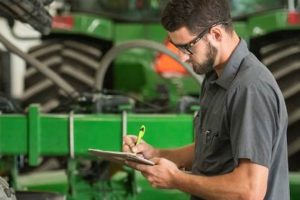
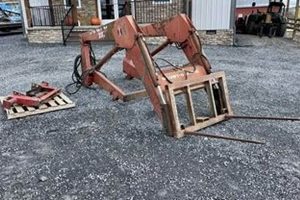
Agricultural machinery encompasses a wide array of tools and vehicles utilized in the process of cultivation and harvesting. This category includes items such as tractors, which provide power for pulling implements; combines, which harvest grain crops; and planters, which precisely sow seeds. Further examples are balers, employed for compressing hay and straw, and sprayers, used for applying herbicides and pesticides.
The utilization of specialized tools in agricultural practices enhances efficiency, reduces labor requirements, and increases crop yields. Historically, manual labor dominated farming; however, mechanization has revolutionized the industry, allowing for the cultivation of larger areas with fewer personnel. This transition has contributed significantly to increased food production and affordability, supporting growing global populations.
The subsequent sections will delve into specific categories of agricultural implements, examining their functionalities, applications, and technological advancements. We will explore soil preparation equipment, planting and seeding machinery, crop protection tools, harvesting devices, and post-harvest processing systems. This detailed analysis aims to provide a comprehensive understanding of the diverse tools essential for modern agricultural production.
Effective Utilization of Agricultural Machinery
The selection and proper operation of agricultural machinery are critical for maximizing productivity and minimizing operational costs within farming operations. Understanding these best practices is paramount for achieving optimal performance and extending equipment lifespan.
Tip 1: Implement Regular Maintenance Schedules: Adhering to manufacturer-recommended maintenance schedules is essential. This includes routine lubrication, filter replacements, and inspections for wear and tear. Proactive maintenance minimizes downtime and prevents costly repairs.
Tip 2: Select Equipment Appropriate for Specific Tasks: Choosing implements designed for the intended task ensures efficient operation and prevents damage to both the equipment and the crop. Using an undersized tractor for heavy tillage, for example, can lead to premature engine failure.
Tip 3: Calibrate and Adjust Implements Correctly: Precise calibration of seeding, fertilizing, and spraying equipment guarantees accurate application rates. This minimizes waste, maximizes resource utilization, and reduces environmental impact. Miscalibration can result in over- or under-application of inputs, negatively impacting yields.
Tip 4: Prioritize Operator Training and Safety: Properly trained operators are better equipped to handle equipment safely and efficiently. Comprehensive training programs should cover operational procedures, maintenance protocols, and emergency response measures. Safety should be a paramount consideration in all farm operations.
Tip 5: Optimize Storage Practices: Storing idle machinery in a protected environment shields it from the elements and reduces corrosion and degradation. Covering equipment and utilizing proper winterization procedures further prolong its operational life.
Tip 6: Leverage Technological Advancements: Integrating precision agriculture technologies, such as GPS guidance and variable rate application systems, enhances efficiency and reduces input costs. These technologies enable targeted application of resources, optimizing yields and minimizing environmental impact.
Tip 7: Conduct Pre-Season Inspections: Thoroughly inspecting all implements before the start of the planting or harvesting season ensures they are in optimal working condition. Addressing any identified issues prior to operation prevents disruptions during critical periods.
Implementing these strategies contributes to improved equipment performance, reduced operational costs, and enhanced overall farm productivity. A proactive approach to machinery management is essential for maintaining a sustainable and profitable agricultural enterprise.
The following section will address evolving technological trends in agricultural equipment and their implications for future farming practices.
1. Tillage Equipment

Tillage equipment represents a primary category within the broader scope of agricultural machinery. These implements perform essential soil preparation tasks that directly influence crop establishment and yield. The proper functioning of tillage machinery is a prerequisite for successful planting, nutrient uptake, and water infiltration. Examples of tillage equipment include plows, which invert the soil to bury crop residue and aerate the soil; harrows, which break up clods and create a finer seedbed; and cultivators, which loosen the soil between rows of crops to control weeds. The effectiveness of subsequent agricultural operations hinges on the correct application of tillage practices. For instance, inadequate plowing can result in poor seed-soil contact, hindering germination and reducing plant stands. Similarly, improper harrowing can create an uneven seedbed, leading to inconsistent emergence and growth.
The relationship between tillage equipment and overall farm productivity extends beyond initial soil preparation. The selection of appropriate tillage methods and machinery impacts soil health, water conservation, and weed management strategies. For example, conservation tillage techniques, which utilize reduced tillage equipment such as chisel plows or no-till drills, can minimize soil erosion, conserve soil moisture, and enhance soil organic matter. Conversely, intensive tillage practices, while effective for weed control in certain situations, can lead to soil degradation and increased susceptibility to erosion. The choice of tillage equipment, therefore, reflects a strategic decision with far-reaching consequences for the long-term sustainability of agricultural operations. Farmers must evaluate soil type, climate conditions, and crop requirements to determine the most suitable tillage practices and machinery.
In summary, tillage equipment constitutes a critical component of the diverse array of implements used in modern agriculture. Its influence extends from initial soil preparation to long-term soil health management. Understanding the functionality and application of different tillage machinery is essential for optimizing crop production and promoting sustainable farming practices. Challenges associated with tillage include selecting appropriate methods for varying soil types and minimizing the environmental impact of intensive tillage practices. Ongoing research focuses on developing innovative tillage equipment and techniques that enhance soil health while maintaining or increasing crop yields, thus underscoring the pivotal role of tillage equipment within the larger agricultural landscape.
2. Planting machinery

Planting machinery, a crucial subset of farm implements, directly determines crop establishment and yield potential. These machines automate the process of placing seeds or seedlings into the soil, influencing factors such as seed spacing, depth, and population density. The effectiveness of planting machinery dictates germination rates, plant vigor, and ultimately, the quantity and quality of harvested crops. For example, a precision planter, employing advanced sensors and metering systems, ensures accurate seed placement, maximizing resource utilization and minimizing seed waste compared to broadcast seeding methods. Understanding the characteristics and applications of various planting machines is thus fundamental to optimizing agricultural outcomes.
Consider the practical significance of selecting the appropriate planting machinery for a specific crop and environment. No-till planters, for instance, are designed to plant seeds directly into undisturbed soil, conserving moisture and reducing soil erosion in arid regions. In contrast, conventional planters, utilizing disc openers and depth control mechanisms, are better suited for well-prepared seedbeds in more temperate climates. Furthermore, air seeders, capable of distributing seeds uniformly over large areas, are often employed for planting small grains and cover crops. The choice of planting machinery, therefore, represents a critical management decision that impacts resource efficiency, environmental sustainability, and overall farm profitability. Failure to select suitable machinery can result in uneven emergence, reduced plant populations, and diminished yields.
In conclusion, planting machinery serves as an indispensable tool within the broader range of farm implements, playing a pivotal role in determining crop establishment and productivity. The selection of appropriate planting equipment, tailored to specific crop requirements and environmental conditions, is essential for optimizing resource utilization and achieving sustainable agricultural outcomes. Challenges include adapting planting machinery to diverse soil types and climates, as well as incorporating precision technology to improve seed placement and reduce input costs. Ongoing research aims to develop innovative planting machinery that enhances efficiency, reduces environmental impact, and promotes long-term soil health.
3. Spraying systems

Spraying systems constitute a vital segment within farm equipment, responsible for the precise application of liquids, including pesticides, herbicides, and fertilizers, to crops and soil. These systems are integral for safeguarding plant health, maximizing yields, and controlling unwanted vegetation and pests, ultimately contributing to increased agricultural productivity.
- Boom Sprayers
Boom sprayers, characterized by their horizontal booms extending across fields, are widely used for broad-acre applications. Nozzles are strategically positioned along the boom to deliver a uniform spray pattern. An example is the application of glyphosate herbicide to control weeds in soybean fields. Inefficient boom sprayers cause uneven spray coverage, leading to reduced weed control in under-sprayed areas and potential crop damage in over-sprayed zones.
- Air-Assisted Sprayers
These systems utilize a stream of air to propel and distribute the spray, enhancing coverage, especially in dense canopies. Orchard spraying frequently employs air-assisted sprayers to ensure thorough pesticide application to fruit trees. Improper adjustment of air volume and direction can result in drift, affecting non-target areas and reducing the efficacy of the application.
- Self-Propelled Sprayers
Self-propelled sprayers offer maneuverability and high clearance, enabling application throughout the growing season, even in taller crops. Application of fungicides to corn crops to prevent fungal diseases uses self-propelled sprayers. Inadequate maintenance of self-propelled sprayers leads to mechanical failures, causing delays in application and potential yield losses.
- Electrostatic Sprayers
Electrostatic sprayers impart an electrical charge to the spray droplets, causing them to be attracted to the plant’s surface, resulting in improved coverage and reduced drift. Greenhouse operations use electrostatic sprayers to apply insecticides to control pests. Improper grounding or electrostatic charge settings may result in ineffective application and potential electrical hazards.
Spraying systems, with their diverse designs and functionalities, are critical equipment for modern agricultural practices. The proper selection, calibration, and operation of spraying systems are essential for achieving effective pest and disease control while minimizing environmental impact. Advancements in spraying technology continue to improve precision, efficiency, and safety, contributing to the sustainability and productivity of agricultural enterprises. Integrating technologies, such as GPS guidance and variable rate application, allows for targeted applications, optimizing input use and reducing environmental impact.
4. Harvesting tools
Harvesting tools constitute a critical category within the broader spectrum of farm equipment. These implements facilitate the removal of mature crops from the field, a process that significantly impacts yield quantity and quality, and ultimately influences the economic viability of agricultural operations.
- Combine Harvesters
Combine harvesters, complex and versatile machines, perform multiple operations simultaneously: reaping, threshing, and winnowing. These processes separate the grain from the straw and chaff in crops such as wheat, barley, and soybeans. Efficient combine operation minimizes grain loss and damage, maximizing marketable yield. For example, improper header adjustments lead to significant grain losses at the front of the machine. The combine’s capabilities determine the speed and efficiency of the entire harvesting operation.
- Forage Harvesters
Forage harvesters chop green vegetation, like corn or alfalfa, into small pieces for silage production. Silage serves as a primary feed source for livestock, making forage harvesters essential for dairy and beef operations. These machines chop the crop and blow it into a wagon or truck for transport to the silo. Improper chop length impacts silage fermentation and nutritional value, consequently affecting animal performance.
- Cotton Pickers
Cotton pickers mechanically remove cotton bolls from plants, significantly reducing the labor requirements compared to manual harvesting. Two primary types exist: spindle pickers, which use rotating spindles to wrap and pull the cotton, and strippers, which remove the entire boll and require subsequent cleaning. Efficient cotton picking minimizes trash content and fiber damage, influencing the cotton’s market grade and price.
- Root Crop Harvesters
Root crop harvesters, such as potato or carrot harvesters, lift the crops from the soil and separate them from the surrounding dirt and debris. These machines employ various mechanisms, including digging chains, shakers, and conveyors, to gently handle the delicate produce. Minimal damage during harvesting is essential to maintaining product quality and extending shelf life. Bruising or cutting can lead to spoilage and reduced market value.
These diverse harvesting tools demonstrate the specialized nature of farm equipment. Each type is designed to efficiently and effectively harvest specific crops, highlighting the crucial role of appropriate equipment selection for maximizing agricultural productivity. The continuous development of harvesting technologies aims to further improve efficiency, reduce crop losses, and minimize labor requirements in agricultural operations.
5. Irrigation systems
Irrigation systems, as a subset of agricultural machinery, are integral to crop production in regions where rainfall is insufficient or inconsistent. These systems provide a controlled water supply to crops, enhancing yields and mitigating the risks associated with drought. The direct connection between water availability and plant growth underscores the importance of these systems as a component of overall agricultural equipment. For example, in arid regions of California, drip irrigation systems are essential for the cultivation of high-value crops such as almonds and grapes, ensuring consistent yields despite limited rainfall. Without these specialized implements, agricultural productivity would be severely compromised.
The practical application of specific irrigation methods is dictated by factors such as crop type, soil characteristics, and water availability. Center pivot irrigation, suitable for large-scale farming operations, delivers water through a mobile sprinkler system, providing uniform coverage across vast fields. Micro-sprinklers and drip irrigation systems, on the other hand, offer targeted water delivery to individual plants, minimizing water waste and reducing the risk of foliar diseases. For instance, vegetable farms in Florida utilize drip irrigation to maintain optimal soil moisture levels for crops like tomatoes and peppers, reducing water consumption and increasing yields compared to traditional flood irrigation methods. Precision irrigation technologies, incorporating sensors and automated controls, further refine water management practices, optimizing resource utilization and minimizing environmental impact.
In conclusion, irrigation systems represent a critical investment in agricultural infrastructure, particularly in water-scarce environments. The selection of appropriate irrigation technology, tailored to specific agricultural needs, directly influences crop productivity and resource efficiency. Challenges associated with irrigation include water scarcity, energy costs, and the potential for soil salinization. Future advancements in irrigation technology will likely focus on enhancing water use efficiency, reducing energy consumption, and promoting sustainable water management practices, thereby ensuring long-term food security. The connection between water availability and crop yields emphasizes the irreplaceable role of these agricultural tools.
6. Processing machines
Processing machines constitute an indispensable category within agricultural equipment, responsible for transforming harvested crops into marketable products or preparing them for storage. The functionality of these machines directly impacts the value and usability of agricultural output, representing a critical link in the agricultural supply chain. The connection between harvesting equipment and processing machinery is direct: the raw materials gathered in the field undergo subsequent transformations via processing machinery. For example, grain combines harvest wheat, which then enters grain dryers to reduce moisture content and prevent spoilage during storage. Similarly, sugar beets, once harvested, require processing through slicing and extraction equipment to yield sugar. Without these processing stages, crops may be unmarketable or unsuitable for consumption or storage.
The selection and implementation of specific processing machines depend on the type of crop, intended market, and storage requirements. Grain dryers utilize heat and airflow to remove moisture from harvested grains, preventing mold growth and insect infestation. Fruit and vegetable graders sort produce based on size, shape, and color, ensuring consistent quality and meeting market standards. Dairy processing equipment, including pasteurizers and homogenizers, transforms raw milk into safe and palatable dairy products. The energy efficiency, throughput capacity, and precision of these machines directly impact operational costs and product quality. Investments in advanced processing technologies can enhance product value, reduce post-harvest losses, and improve overall farm profitability. Moreover, compliance with food safety regulations necessitates stringent hygiene and sanitation protocols in processing facilities.
In conclusion, processing machines bridge the gap between harvested crops and marketable agricultural products. Their efficient operation preserves the value of agricultural output, reduces waste, and ensures food safety. The effective integration of processing technologies into agricultural operations is essential for optimizing profitability and meeting consumer demands for high-quality food products. The challenges involved include adapting processing methods to specific crops, managing energy consumption, and minimizing environmental impact. Ongoing technological advancements aim to develop more efficient, sustainable, and versatile processing machines, further strengthening the connection between harvesting and post-harvest handling within the agricultural sector.
Frequently Asked Questions About Agricultural Machinery
This section addresses common inquiries regarding farm equipment, providing clarity on their functions, selection, and proper utilization.
Question 1: What factors should be considered when selecting implements for a specific farming operation?
Selection criteria include farm size, crop type, soil conditions, terrain, and budget. Matching equipment capabilities to operational requirements ensures efficiency and cost-effectiveness.
Question 2: How does regular maintenance extend the lifespan of agricultural machinery?
Routine lubrication, filter replacements, and inspections prevent component wear and failure. Scheduled maintenance minimizes downtime and avoids costly repairs.
Question 3: What are the benefits of precision agriculture technologies in farm equipment?
GPS guidance, variable rate application, and automated controls optimize resource utilization, reduce input costs, and improve crop yields. Precision technologies enhance efficiency and sustainability.
Question 4: How does soil type influence the choice of tillage equipment?
Heavy clay soils may require heavier implements like moldboard plows, while sandy soils may benefit from lighter implements like disc harrows. Matching tillage practices to soil characteristics prevents soil compaction and erosion.
Question 5: What safety precautions should be observed when operating agricultural machinery?
Comprehensive operator training, proper use of safety devices, and adherence to operational guidelines are crucial. Prioritizing safety minimizes the risk of accidents and injuries.
Question 6: How does the selection of harvesting equipment impact crop quality?
Appropriate harvesting equipment minimizes grain loss, reduces crop damage, and maintains product quality. Careful selection is essential for maximizing market value.
Understanding these facets of farm equipment facilitates informed decision-making and optimizes agricultural practices.
The subsequent sections will explore emerging technologies and their impact on the future of agriculture.
Conclusion
The preceding sections have detailed various types of farm equipment essential for modern agricultural practices. From soil preparation to harvesting and processing, these implements represent a significant investment in productivity and efficiency. Effective utilization, proper maintenance, and informed selection are critical for maximizing their benefits.
As technology continues to evolve, the integration of precision agriculture and automation will further transform the agricultural landscape. A continued focus on innovation and sustainable practices will be necessary to meet the growing global demand for food. Investing in agricultural equipment remains a crucial element for ensuring food security and supporting the agricultural industry’s long-term viability.

![Best DH Farm Equipment: [Year] Guide + More! | The Conscious Farmer | Sustainable Agriculture for a Healthier Planet](https://livingedgefarm.com/wp-content/uploads/2025/08/th-1937-300x200.jpg "Best DH Farm Equipment: [Year] Guide + More! The Conscious Farmer | Sustainable Agriculture for a Healthier Planet")