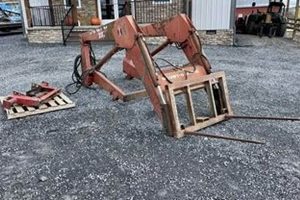
The availability of agricultural machinery and tools directly from individuals, rather than dealerships or commercial entities, represents a significant segment of the agricultural marketplace. This encompasses a wide array of implements, from tractors and combines to plows, harvesters, and irrigation systems. An example of such a transaction would be a farmer selling their previously owned tractor directly to another farmer seeking to upgrade their equipment without incurring the cost of new machinery.
This direct exchange provides several advantages. It often allows buyers to acquire essential tools at a lower price point compared to purchasing new or dealer-certified options. Historically, this method of acquisition has been vital for smaller agricultural operations and those with limited capital, enabling them to compete effectively. Furthermore, it fosters a direct connection between agricultural professionals, facilitating knowledge sharing and community building within the farming sector.
The following discussion will explore various aspects related to these transactions, including considerations for buyers and sellers, common types of machinery exchanged, methods for assessing value, and potential risks involved in purchasing directly from a previous owner. Due diligence and informed decision-making are crucial elements for successful transactions in this environment.
Acquiring agricultural machinery directly from a previous owner requires careful consideration. The following guidance aims to assist in mitigating potential risks and ensuring a successful transaction.
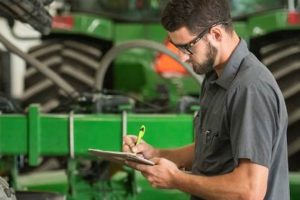
Tip 1: Conduct a Thorough Inspection: Prior to purchase, a comprehensive inspection of the equipment is paramount. Examine all mechanical components, including the engine, transmission, hydraulics, and electrical systems. Document any observed deficiencies or areas of concern.
Tip 2: Verify Maintenance Records: Request and meticulously review the equipment’s maintenance history. Consistent and documented maintenance practices indicate responsible ownership and can provide insights into the machine’s overall condition and potential future reliability.
Tip 3: Perform Operational Testing: If possible, operate the equipment under realistic working conditions. This allows for the identification of performance issues that may not be apparent during a static inspection. For instance, test a tractor’s pulling power with a load or assess a combine’s harvesting efficiency in a field.
Tip 4: Assess Fair Market Value: Research comparable sales of similar equipment in the region. Factors such as age, condition, hours of operation, and included attachments influence the machine’s worth. Utilize online resources and consult with agricultural equipment appraisers to establish a reasonable price.
Tip 5: Secure a Written Agreement: Formalize the transaction with a legally binding written agreement. The agreement should clearly outline the purchase price, payment terms, transfer of ownership, warranty provisions (if any), and any specific conditions agreed upon by both parties.
Tip 6: Check for Liens: Before finalizing the purchase, verify that there are no outstanding liens or encumbrances on the equipment. This can be accomplished by conducting a lien search through the relevant state or local government agency.
These precautions serve to minimize the risks associated with direct purchases and contribute to a more informed and secure acquisition. Thorough preparation and due diligence are critical when acquiring agricultural machinery via private sales.
The subsequent sections will delve into specific types of machinery commonly found in these transactions and strategies for optimizing the buying process.
1. Valuation Methodologies

Accurate valuation is a cornerstone of equitable transactions involving agricultural machinery and tools offered directly by owners. Establishing a fair market price requires a systematic approach, considering multiple factors that influence equipment value within this specific market segment.
- Comparable Sales Analysis
This methodology involves examining recent sales data of similar equipment in the same geographic region. Factors such as make, model, year of manufacture, hours of operation, and overall condition are considered to identify comparable transactions. Online auction sites, agricultural equipment marketplaces, and local dealer listings provide data points for this analysis. Adjustments are then made to the sale prices of comparable items to account for any differences in features or condition compared to the equipment being valued. The resulting adjusted prices provide a benchmark for establishing a reasonable asking price.
- Depreciation Calculation
Depreciation reflects the reduction in value of an asset over time due to wear and tear, obsolescence, and usage. Several depreciation methods exist, including straight-line, declining balance, and sum-of-the-years’ digits. Selecting an appropriate depreciation method depends on the specific equipment and its anticipated usage pattern. While new equipment values often follow established depreciation schedules, the rate of depreciation for agricultural machinery in direct owner sales can be influenced by factors such as maintenance history, storage conditions, and market demand. A well-maintained machine may depreciate at a slower rate than one that has been neglected.
- Condition Assessment and Adjustment
A thorough assessment of the equipment’s condition is crucial for accurate valuation. This involves inspecting all mechanical components, including the engine, transmission, hydraulics, and electrical systems. Any signs of wear, damage, or deferred maintenance should be documented and quantified. The valuation process must incorporate adjustments to the base value to reflect the impact of these condition factors. For instance, significant engine repairs or replacement of critical components may necessitate a substantial downward adjustment in the asking price. Conversely, recent upgrades or additions of valuable attachments can justify a higher valuation.
- Market Demand Considerations
Market demand plays a significant role in determining the value of agricultural machinery, particularly in direct owner sales. Demand can fluctuate based on seasonal factors, crop prices, government subsidies, and overall economic conditions in the agricultural sector. Scarce or highly sought-after models may command a premium over their depreciated value. Conversely, surplus equipment or machines with limited functionality may sell at a discount. Analyzing market trends and local demand conditions is essential for setting a competitive price.
By integrating these valuation methodologies, both buyers and sellers in the used farm equipment market can arrive at a mutually agreeable price. Applying rigorous valuation techniques reduces the risk of overpaying or underselling, fostering more transparent and efficient transactions within this segment of the agricultural economy. The result is informed decision making for both participants.
2. Maintenance documentation

In the context of agricultural machinery exchanged directly between individuals, meticulous maintenance records serve as a crucial indicator of equipment condition and reliability. The availability and comprehensiveness of such documentation directly impact the perceived value and marketability of machinery offered in this manner. Cause-and-effect relationships are evident: consistent maintenance typically leads to extended equipment lifespan and reduced downtime, while neglect can result in accelerated wear and costly repairs. As a component of the total value assessment, thorough maintenance documentation becomes a critical factor in establishing fair pricing. An example is the sale of a used combine; complete records detailing regular oil changes, belt replacements, and hydraulic system servicing can significantly increase buyer confidence and willingness to pay a premium compared to a similar machine lacking such documentation.
The absence of maintenance records introduces significant uncertainties for potential buyers. Without documented evidence of servicing, it becomes difficult to assess the internal condition of engines, transmissions, and other critical components. This lack of transparency elevates the risk of unforeseen mechanical failures and potentially substantial repair costs, often leading buyers to demand lower prices or avoid the purchase entirely. Conversely, diligent record-keeping, including receipts for parts and labor, provides verifiable proof of maintenance activities, allowing buyers to make more informed decisions. Furthermore, warranty transfers or extensions, if applicable, are typically contingent upon the presentation of adequate maintenance records, further emphasizing their importance.
In summary, maintenance documentation acts as a critical bridge between the seller’s representations of equipment condition and the buyer’s need for assurance. Its presence enables more equitable and transparent transactions, fostering greater confidence and efficiency within the marketplace for agricultural machinery and tools offered directly by owners. Challenges remain in standardizing record-keeping practices and ensuring accessibility of records for potential buyers. However, the fundamental importance of maintenance documentation in mitigating risk and facilitating informed decision-making is undeniable.
3. Legal transfer process

The legal transfer process constitutes a vital component of any transaction involving agricultural machinery offered directly by a previous owner. The absence of a legally sound transfer can expose both buyer and seller to potential liabilities and disputes. A clear, legally recognized transfer establishes ownership, protects against claims from third parties, and ensures the buyer can legally operate the equipment. A common scenario involves a farmer selling a tractor without properly transferring the title; should the tractor later be identified as stolen property, the buyer faces the risk of losing the equipment and any associated investment.
The legal transfer process typically entails several key steps. These include preparing a bill of sale that clearly identifies the equipment, the purchase price, the date of sale, and the names and signatures of both parties. For equipment requiring a title (as with some tractors and combines), the seller must properly assign the title to the buyer, and the buyer must then register the title with the relevant state or local authority. Additionally, it is prudent to conduct a lien search to ensure no outstanding debts or encumbrances exist on the equipment. Failure to address these steps can result in legal complications, such as the buyer being unable to obtain insurance or finance for the equipment.
In conclusion, a meticulously executed legal transfer process is essential for mitigating risks associated with agricultural machinery transactions completed directly with previous owners. It establishes clear ownership, protects against legal challenges, and ensures the buyer can fully utilize the equipment. Diligence in completing these procedures is crucial for both buyers and sellers seeking a secure and transparent transaction. The alternative involves the potential for prolonged disputes, financial loss, and legal repercussions, issues best avoided through preventative measures.
4. Operational condition verification

The phrase “used farm equipment for sale by owner” inherently necessitates a rigorous evaluation of operational condition. Unlike purchases from dealerships, where some level of inspection and potential warranty may exist, direct transactions place the onus of assessment squarely on the buyer. Consequently, operational condition verification becomes a critical component of mitigating risk and ensuring the acquired machinery meets the intended operational requirements. The absence of such verification frequently results in unexpected repairs, downtime, and ultimately, financial losses for the buyer. For instance, a farmer acquiring a used tractor without thoroughly testing its engine and transmission may subsequently discover significant mechanical issues requiring extensive and costly repairs, effectively negating any initial cost savings.
Operational condition verification entails a multi-faceted approach. Visual inspection of all mechanical components, including the engine, transmission, hydraulics, and electrical systems, forms a foundational element. However, visual assessment alone proves insufficient. Actual operational testing under realistic working conditions is paramount. This may involve operating a tractor with a load, testing the harvesting capacity of a combine, or evaluating the performance of irrigation equipment under simulated field conditions. Diagnostic tools, such as engine analyzers and hydraulic pressure gauges, provide objective data to supplement subjective observations. Furthermore, seeking the opinion of a qualified mechanic or agricultural equipment appraiser can offer an independent and expert assessment of the machinery’s operational readiness. The practical application of this understanding involves allocating sufficient time and resources to conduct thorough testing and due diligence prior to finalizing the purchase.
In summary, operational condition verification serves as a cornerstone of responsible purchasing when acquiring agricultural machinery directly from a previous owner. It mitigates the risk of unforeseen mechanical failures, ensures the equipment aligns with operational needs, and contributes to a more informed and equitable transaction. The challenge lies in establishing standardized testing procedures and ensuring buyers possess the necessary expertise or access to qualified professionals to conduct thorough assessments. Nevertheless, prioritizing operational condition verification remains essential for maximizing the value and minimizing the risks associated with “used farm equipment for sale by owner.”
5. Financial risk mitigation
Purchasing agricultural machinery directly from a previous owner inherently involves financial risks not typically encountered when acquiring new or dealer-certified equipment. The absence of warranties, limited recourse in case of defects, and potential for hidden mechanical issues all contribute to the need for robust financial risk mitigation strategies. Failure to adequately address these risks can result in significant financial losses, disrupting agricultural operations and impacting profitability. For example, a farmer purchasing a used combine without proper inspection may later face exorbitant repair costs, exceeding the initial purchase price and rendering the machinery economically unviable. This emphasizes the critical connection between minimizing potential financial exposure and undertaking thorough due diligence within this specific market segment.
Effective financial risk mitigation involves several key components. These include securing independent inspections of the equipment by qualified mechanics, obtaining comprehensive insurance coverage, and carefully evaluating financing options. Independent inspections can identify potential mechanical issues before purchase, allowing for informed negotiation of price or avoidance of a problematic transaction. Insurance coverage protects against losses due to accidents, theft, or natural disasters. Furthermore, the terms of financing agreements should be thoroughly reviewed to ensure they align with the anticipated lifespan and operational requirements of the equipment. A prudent buyer might also establish a contingency fund to cover unexpected repair costs, thereby buffering against potential financial shocks. The importance of this perspective is magnified by the realities of agricultural economics, often characterized by fluctuating commodity prices and unpredictable weather patterns, making financial stability a perpetual concern.
In summary, financial risk mitigation is an indispensable element of purchasing agricultural machinery directly from individual owners. It necessitates a proactive and multifaceted approach encompassing thorough inspections, insurance coverage, careful financing, and contingency planning. By effectively managing these financial risks, buyers can increase the likelihood of a successful acquisition, ensuring the equipment contributes positively to their agricultural operations without jeopardizing their financial stability. The integration of these strategies reinforces the potential for long-term economic viability in a challenging and competitive market.
Frequently Asked Questions
The following questions address common concerns regarding the acquisition of agricultural machinery directly from individual owners. The responses provide informational guidance for navigating the complexities inherent in such transactions.
Question 1: What are the primary risks associated with purchasing used farm equipment directly from a previous owner?
Significant risks include the potential for undisclosed mechanical defects, the absence of warranties, and the lack of recourse in the event of post-sale issues. Additionally, uncertainty regarding the equipment’s maintenance history and operational condition elevates the possibility of unforeseen repair costs.
Question 2: How does one accurately assess the fair market value of used farm equipment offered by a private seller?
Fair market value assessment requires a comprehensive approach involving analysis of comparable sales data, consideration of depreciation, thorough inspection of the equipment’s condition, and evaluation of prevailing market demand. Independent appraisals from qualified professionals can provide an objective valuation.
Question 3: What documentation should be obtained from the seller to ensure a legally sound transfer of ownership?
A legally binding bill of sale is essential, detailing the equipment’s description, purchase price, date of sale, and signatures of both parties. For titled equipment, proper assignment and registration of the title is required. A lien search should also be conducted to verify the absence of any outstanding debts or encumbrances.
Question 4: How can one verify the operational condition of used farm equipment prior to purchase?
Operational condition verification involves a comprehensive inspection of all mechanical components, operational testing under realistic working conditions, and utilization of diagnostic tools. Seeking the opinion of a qualified mechanic or agricultural equipment appraiser is also recommended.
Question 5: What types of insurance coverage are advisable when purchasing used farm equipment from a private seller?
Comprehensive insurance coverage, including property damage and liability protection, is highly advisable. Specific coverage requirements may vary depending on the type of equipment and its intended use. Consultation with an insurance professional is recommended to determine appropriate coverage levels.
Question 6: What financing options are available when purchasing used farm equipment from a private seller, and what are the associated risks?
Financing options may include loans from banks, credit unions, or agricultural lending institutions. The associated risks include interest rate fluctuations, loan repayment terms, and potential for foreclosure in the event of default. Thorough review of financing agreements is essential.
These responses offer a foundational understanding of key considerations when engaging in transactions involving agricultural machinery directly from individual owners. Prudent decision-making necessitates thorough due diligence and professional consultation.
The subsequent sections will explore alternative acquisition methods and long-term ownership considerations.
The preceding discussion has explored the intricacies of acquiring used farm equipment for sale by owner. Key considerations encompass valuation methodologies, the importance of maintenance documentation, the legal transfer process, operational condition verification, and strategies for mitigating financial risk. These elements collectively contribute to informed decision-making, influencing both the profitability and sustainability of agricultural operations.
Successful navigation of this marketplace demands diligence, expertise, and a commitment to thorough due diligence. The acquisition of used farm equipment is not merely a transaction; it is an investment with lasting implications. Therefore, approaching this process with a strategic mindset and seeking expert guidance is paramount for maximizing value and minimizing potential challenges within the context of “used farm equipment for sale by owner.”
![Best DH Farm Equipment: [Year] Guide + More! | The Conscious Farmer | Sustainable Agriculture for a Healthier Planet](https://livingedgefarm.com/wp-content/uploads/2025/08/th-1937-300x200.jpg "Best DH Farm Equipment: [Year] Guide + More! The Conscious Farmer | Sustainable Agriculture for a Healthier Planet")