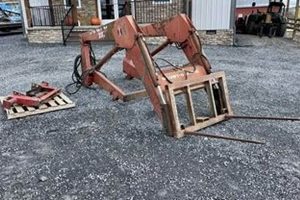
Obtaining machinery for agricultural operations without outright purchase constitutes a specific segment within the broader equipment leasing industry. This practice allows producers to access necessary tools such as tractors, harvesters, and planters for specific periods, typically aligning with planting, harvesting, or other seasonal activities. For example, instead of buying a combine for a single harvest, a farmer might secure temporary access through a contractual arrangement.
Accessing these resources offers significant advantages, particularly in managing capital expenditure and operational costs. It mitigates the financial burden of depreciation, maintenance, and storage associated with ownership. Historically, this approach has enabled smaller agricultural businesses to remain competitive by providing access to advanced technologies that would otherwise be financially prohibitive. Furthermore, it allows operations to adapt quickly to evolving crop demands and technological advancements.
The subsequent discussion will explore various aspects of this practice, including prevalent equipment types, associated costs and contract terms, and the impact of technology on this evolving market segment. Also, different types of companies are now offering this service to farmers such as dealers or equipment rental specialists.
Tips for Securing Agricultural Machinery Access
Effective management of agricultural operations often hinges on timely access to appropriate machinery. Optimizing the process of temporarily obtaining equipment can significantly impact profitability and operational efficiency.
Tip 1: Assess Operational Needs Accurately: Prior to initiating any agreement, conduct a thorough evaluation of the specific task, duration, and machinery specifications required. Overestimating or underestimating equipment capacity can lead to unnecessary expense or operational delays.
Tip 2: Compare Multiple Providers: Obtain quotes from various providers, including dealerships and specialized firms. Scrutinize pricing structures, contract terms, and equipment availability. Consider factors beyond cost, such as the provider’s reputation for maintenance and support.
Tip 3: Carefully Review Contract Terms: Pay close attention to clauses related to usage limitations, maintenance responsibilities, insurance coverage, and potential penalties for damage or late returns. Negotiate terms that align with the operational requirements and risk tolerance.
Tip 4: Inspect Equipment Thoroughly: Before accepting machinery, conduct a detailed inspection to identify pre-existing damage or mechanical issues. Document any findings and ensure they are acknowledged by the provider to avoid subsequent liability.
Tip 5: Plan for Maintenance and Repairs: Clarify the procedures for reporting and addressing mechanical failures during the term. Establish clear communication channels and ensure timely access to repair services to minimize downtime.
Tip 6: Factor in Transportation Costs: Account for the expense associated with transporting machinery to and from the farm location. Explore options for optimizing logistics and minimizing transportation time and costs.
Tip 7: Consider Seasonal Demand: Recognize that availability and pricing can fluctuate based on seasonal demand. Plan procurement activities well in advance, particularly during peak planting or harvesting seasons, to secure favorable terms and ensure timely access.
By implementing these strategies, agricultural operations can optimize resource allocation, mitigate risks, and enhance overall productivity. A structured approach to acquiring temporary equipment access contributes to improved financial performance and operational resilience.
The subsequent section will examine the evolving role of technology in the temporary agricultural equipment access sector, including the emergence of online platforms and data-driven optimization tools.
1. Cost-effectiveness

The inherent link between cost-effectiveness and the agricultural equipment acquisition model lies in the optimization of capital expenditure. The acquisition of farm machinery represents a significant financial undertaking, often requiring substantial loans or depletion of working capital. Engaging in short-term access, conversely, transforms a capital expense into an operational one, allowing for better management of cash flow. For example, a small-scale farm transitioning to a new crop may utilize equipment access for a single season to assess viability before investing in dedicated machinery, thereby mitigating financial risk.
The importance of cost-effectiveness extends beyond initial investment. Ownership entails recurring expenses, including depreciation, maintenance, insurance, and storage. These costs can accumulate significantly, especially for equipment used infrequently. Short-term access eliminates these burdens, shifting responsibility to the provider. Consider a harvesting operation that requires specialized machinery for only a few weeks each year. Ownership would result in idle equipment for the majority of the year, incurring unnecessary costs. Obtaining short-term access aligns expenses with revenue generation, enhancing overall profitability. In addition, access providers often have skilled technicians on staff, which can be a great value.
Ultimately, the cost-effectiveness of short-term access is a critical component for sustaining agricultural operations, particularly in volatile market conditions. By carefully evaluating operational needs and selecting appropriate access solutions, producers can optimize resource utilization, minimize financial risk, and improve long-term viability. However, the process also involves risks. Producers should carefully evaluate if temporary equipment acquisition is the most cost-effective route. For example, if they consistently need equipment for several seasons each year, then they may want to consider the alternative.
2. Equipment availability
The immediate accessibility of suitable machinery is a critical determinant in the efficacy of agricultural operations. The ability to promptly secure the necessary tools directly impacts planting schedules, harvesting timelines, and overall productivity. This is particularly pertinent within the agricultural equipment access sector, where time-sensitive needs necessitate reliable and readily available resources.
- Seasonal Demands and Inventory Management
Seasonal variations in agricultural activities create fluctuating demands for specific equipment types. Planting and harvesting periods, for instance, generate high demand for planters, harvesters, and related implements. Access providers must maintain robust inventory management systems to anticipate and accommodate these peaks in demand. Inadequate planning can result in equipment shortages, causing delays and impacting agricultural yields. Example: An orchard experiencing an unexpected early harvest requires immediate access to fruit harvesting equipment. If local providers lack available machinery, the orchard faces potential crop loss.
- Geographic Distribution and Logistics
The location of agricultural operations in relation to equipment access providers significantly influences availability. Remote or geographically isolated farms may face logistical challenges and limited equipment options. Transportation costs and delivery timelines can also impact the feasibility of securing equipment on demand. Example: A farm located in a rural region far from major equipment hubs may experience longer wait times and higher transportation fees compared to a farm situated closer to metropolitan areas. Addressing these logistical considerations is crucial for ensuring equitable access to resources.
- Maintenance Schedules and Downtime
Regular maintenance and repairs are essential for ensuring the operational readiness of agricultural machinery. However, these activities inevitably result in temporary equipment unavailability. Access providers must proactively manage maintenance schedules and minimize downtime to meet customer demands. Implementing preventative maintenance programs and maintaining a surplus of equipment can mitigate the impact of unforeseen breakdowns. Example: A combine harvester undergoing repairs during the peak harvest season becomes temporarily unavailable, potentially disrupting harvesting operations for multiple farms relying on the provider’s inventory. Maintaining a reserve fleet ensures continuous service.
- Technological Advancements and Specialized Equipment
The increasing integration of technology into agricultural practices creates demand for specialized equipment incorporating advanced features such as GPS guidance, precision planting, and automated harvesting. The availability of such technologically advanced machinery may be limited, particularly among smaller access providers. Example: A farm seeking to implement precision agriculture techniques requires access to a GPS-equipped tractor. The limited availability of such equipment in the local market may necessitate sourcing from distant providers or delaying implementation plans. Providers that adapt by offering technology-rich equipment will have a competitive edge.
In summary, equipment availability is a multifaceted factor influencing the agricultural equipment access sector. Effective inventory management, strategic geographic distribution, proactive maintenance practices, and adaptation to technological advancements are all crucial for ensuring timely and reliable access to the machinery required to support successful agricultural operations. By addressing these critical elements, access providers can enhance customer satisfaction and contribute to the overall efficiency and productivity of the agricultural industry.
3. Contractual obligations

The temporary procurement of agricultural machinery is governed by legally binding agreements that define the rights and responsibilities of all involved parties. These agreements, outlining contractual obligations, serve to mitigate risks and ensure clarity in the transaction. The specific terms and conditions embedded within these documents can significantly impact the financial and operational outcomes for both the equipment provider and the agricultural operation.
- Equipment Usage and Restrictions
Rental agreements typically specify permissible uses of the machinery, defining the types of tasks for which the equipment is authorized. Restrictions may include limitations on operating hours, geographic boundaries, or specific crop types. Violation of these restrictions can result in penalties or termination of the agreement. For instance, a contract might prohibit the use of a rented tractor for commercial hauling activities unrelated to agricultural production. Furthermore, the agreement might restrict the operation of heavy machinery to certified personnel only, ensuring adherence to safety standards. Understanding these limitations is essential for avoiding breaches of contract.
- Maintenance and Repair Responsibilities
The allocation of responsibility for equipment maintenance and repairs is a crucial element of the rental contract. Agreements may stipulate that the provider is responsible for routine maintenance and repairs resulting from normal wear and tear, while the renter assumes liability for damage caused by negligence or misuse. Contracts often outline procedures for reporting mechanical failures and response times for repair services. Failure to adhere to maintenance schedules or report damage promptly can lead to disputes and additional costs. A well-defined maintenance clause is essential for minimizing downtime and ensuring the continued operation of the rented machinery.
- Insurance Coverage and Liability
Rental agreements must address insurance coverage for the equipment and liability for potential damages or injuries. Typically, the agreement will specify the types and amounts of insurance coverage required, including property damage, liability, and workers’ compensation. The contract should clearly delineate who is responsible for obtaining and maintaining the necessary insurance policies. In the event of an accident or equipment malfunction, the insurance provisions will determine the extent of coverage and the procedures for filing claims. A thorough understanding of the insurance and liability clauses is crucial for protecting all parties involved in the rental transaction.
- Termination and Renewal Clauses
The terms governing the termination or renewal of the rental agreement define the duration of the contract and the conditions under which it can be terminated prior to its expiration date. Agreements may specify penalties for early termination, such as forfeiture of deposits or payment of remaining rental fees. Renewal options may be available, allowing the renter to extend the rental period under pre-determined terms. A clear understanding of the termination and renewal clauses is essential for long-term planning and avoiding unexpected costs or disruptions. This could include considerations for seasonality to align equipment needs with the appropriate timeframe.
Contractual obligations represent a cornerstone of the agricultural equipment access sector, influencing everything from equipment usage and maintenance to insurance coverage and termination procedures. A thorough understanding of these obligations is essential for both equipment providers and agricultural operations, enabling them to mitigate risks, ensure compliance, and foster mutually beneficial relationships. Careful review and negotiation of contract terms are critical for optimizing the benefits of the equipment access arrangement and achieving long-term success.
4. Maintenance responsibilities

The allocation of upkeep and repair duties in farm equipment rental agreements forms a critical component that significantly impacts both the operational efficiency of agricultural endeavors and the overall cost-effectiveness of the arrangement. The clarity and comprehensiveness with which these responsibilities are defined directly correlate to the minimization of downtime, the preservation of equipment integrity, and the avoidance of disputes between the lessor and lessee.
- Routine Maintenance Protocols
Rental agreements often delineate specific tasks considered routine maintenance, such as lubrication, filter replacements, and tire pressure checks. The responsibility for these tasks may fall upon either the renter or the provider, depending on the contract terms. If the renter is tasked with routine maintenance, a detailed schedule and instructions are typically provided to ensure adherence to manufacturer recommendations. Failure to perform routine maintenance can lead to accelerated wear and tear, potentially resulting in equipment failure and liability for the renter. For instance, a combine rented for harvesting may require daily lubrication of critical components. If this lubrication is neglected, bearing failures could occur, leading to downtime and repair costs.
- Repair Obligations and Response Times
The determination of who bears the responsibility for repairing equipment malfunctions is a fundamental aspect of maintenance obligations. Rental agreements usually distinguish between repairs resulting from normal wear and tear and those caused by negligence or misuse. The provider typically assumes responsibility for repairs stemming from normal wear, while the renter is liable for damage caused by improper operation. The contract should specify the procedures for reporting malfunctions and the provider’s expected response time for initiating repairs. Delays in repair services can significantly impact agricultural operations, particularly during time-sensitive periods such as planting or harvesting. For example, if a rented tractor experiences hydraulic failure during planting season, the speed with which the provider responds to the repair request directly affects the farmer’s ability to meet planting deadlines.
- Damage Assessment and Liability
Establishing clear procedures for assessing damage and determining liability is essential for resolving disputes and ensuring fair allocation of costs. Rental agreements often stipulate that the renter is responsible for promptly reporting any damage to the equipment. The provider then conducts an assessment to determine the cause and extent of the damage. Liability is typically assigned based on the findings of the assessment, with the renter responsible for covering repair costs if the damage is attributed to negligence or misuse. Disputes over damage assessments can arise if the contract lacks specific guidelines or if there is disagreement regarding the cause of the damage. Thorough documentation of equipment condition prior to rental and detailed photographic evidence of any subsequent damage can aid in resolving such disputes. For instance, if a rented planter strikes a hidden object in the field, resulting in damage to the planting mechanism, the assessment will determine whether the damage was caused by normal field conditions or by negligent operation of the equipment.
- Consequences of Neglect or Misuse
Rental agreements typically outline the consequences of neglecting maintenance responsibilities or misusing the rented equipment. These consequences may include financial penalties, termination of the rental agreement, or liability for the full replacement cost of the equipment. Neglecting routine maintenance can lead to accelerated wear and tear, potentially resulting in equipment failure and liability for the renter. Misusing the equipment, such as operating it beyond its specified capabilities or using it for unauthorized purposes, can also result in damage and financial penalties. Clear communication of maintenance expectations and proper operating procedures is crucial for preventing such issues. For example, if a rented harvester is used to process a crop for which it is not designed, resulting in damage to the harvesting mechanism, the renter may be held liable for the repair or replacement costs.
In summary, a well-defined framework of maintenance responsibilities forms a critical pillar of successful farm equipment rental arrangements. By clearly allocating these duties and establishing transparent procedures for reporting malfunctions, assessing damage, and determining liability, rental agreements can mitigate risks, promote equipment longevity, and ensure the smooth operation of agricultural enterprises. Failure to address maintenance responsibilities adequately can lead to increased costs, operational disruptions, and strained relationships between lessors and lessees. The integration of digital monitoring technologies is now emerging as a tool to track equipment usage and facilitate remote diagnostics, potentially enhancing the effectiveness of maintenance protocols and improving overall accountability in farm equipment rental arrangements.
5. Technological integration

The incorporation of advanced technology into agricultural machinery has a profound impact on the equipment rental sector, altering operational efficiencies, maintenance protocols, and overall accessibility for farming enterprises. These advancements influence both the types of equipment available for acquisition and the management strategies employed by rental providers.
- Precision Agriculture and GPS Guidance
The integration of GPS guidance systems and precision agriculture technologies into rented machinery enables farmers to optimize resource allocation and improve crop yields. GPS-equipped tractors and harvesters allow for precise planting, fertilizer application, and harvesting, reducing waste and maximizing efficiency. For example, a farmer renting a GPS-guided planter can ensure accurate seed placement, leading to more uniform crop emergence and higher yields compared to traditional planting methods. This technology integration provides smaller farming operations access to capabilities previously limited to larger, capital-intensive enterprises. Moreover, this enables greater sustainability as it reduces overall input, such as the consumption of fuel or fertilizer.
- Remote Monitoring and Diagnostics
Many rental providers are now incorporating remote monitoring systems into their equipment fleets, enabling real-time tracking of machine performance and location. These systems collect data on engine hours, fuel consumption, and potential mechanical issues, allowing for proactive maintenance and minimizing downtime. For example, a provider can remotely diagnose a minor engine problem on a rented tractor and dispatch a technician for repairs before it escalates into a major breakdown, thus preventing significant disruptions to the farmer’s operations. These systems often can be configured to send alerts to the operator when a certain threshold has been met. For example, if the machine is approaching its next service interval, it will send an alert so the owner is aware.
- Data Analytics and Fleet Optimization
Rental companies leverage data analytics to optimize their equipment fleets and predict demand. By analyzing historical rental patterns, seasonal trends, and equipment utilization rates, providers can make informed decisions about inventory management and pricing strategies. For instance, a provider might anticipate increased demand for combine harvesters during the fall harvest season and proactively increase their inventory to meet customer needs. Data analytics also enable providers to identify underutilized equipment and adjust rental rates to incentivize usage, maximizing the return on their investments. Using fleet optimization, the right machines are available at the right place and time.
- Autonomous Equipment and Robotics
The emergence of autonomous equipment and agricultural robots is gradually influencing the equipment rental landscape. While still in its early stages, the availability of autonomous tractors, drones for crop monitoring, and robotic harvesting systems is expanding. Rental providers are beginning to explore the feasibility of offering these advanced technologies to farmers on a temporary basis, allowing them to experiment with automation without the substantial upfront investment. For example, a farmer might rent a drone to survey crop health and identify areas requiring targeted intervention, improving yields and reducing the need for manual scouting. Autonomous equipment also may free up operators for other tasks, reducing labor expenses.
The convergence of technological innovation and farm equipment rental presents significant opportunities for both providers and agricultural operations. By embracing advanced technologies and integrating them into their rental fleets, providers can offer farmers access to cutting-edge tools that improve efficiency, reduce costs, and enhance sustainability. This technological integration not only transforms the equipment rental sector but also contributes to the broader advancement of agricultural practices, promoting increased productivity and environmental stewardship.
Frequently Asked Questions
The following questions address common inquiries regarding the short-term procurement of agricultural machinery. The answers provided aim to offer clarity and facilitate informed decision-making.
Question 1: What types of equipment are commonly available for rental?
A wide range of agricultural machinery is typically available, including tractors, combines, planters, sprayers, tillage equipment, and harvesting implements. Availability varies based on regional demand and provider inventory.
Question 2: How is the cost of farm equipment rental determined?
Rental costs are usually calculated based on factors such as the equipment type, rental duration, seasonal demand, and any additional services included, such as maintenance or transportation.
Question 3: What are the standard contract terms associated with agricultural equipment rental?
Standard contracts outline usage limitations, maintenance responsibilities, insurance coverage, and penalties for damage or late returns. Contract terms should be reviewed carefully prior to signing.
Question 4: Who is responsible for maintenance and repairs during the rental period?
Maintenance responsibilities are defined in the rental agreement. Typically, the provider is responsible for routine maintenance and repairs resulting from normal wear and tear, while the renter is liable for damage caused by negligence or misuse.
Question 5: What insurance coverage is necessary for farm equipment rental?
Rental agreements typically specify the types and amounts of insurance coverage required, including property damage, liability, and workers’ compensation. The contract should clearly delineate who is responsible for obtaining and maintaining the necessary insurance policies.
Question 6: What are the potential benefits of securing farm equipment on a temporary basis?
Benefits include reduced capital expenditure, avoidance of depreciation and maintenance costs, access to advanced technologies, and increased operational flexibility to adapt to changing market conditions.
These questions provide a foundational understanding of the key considerations involved in the temporary acquisition of agricultural machinery. Careful assessment of individual needs and thorough review of contract terms are essential for optimizing the benefits of equipment rental.
The subsequent section will address future trends in farm equipment access, including the impact of digital platforms and innovative service models.
Conclusion
The preceding discussion has explored various facets of farm equipment rental, encompassing benefits, contractual obligations, maintenance responsibilities, and the transformative influence of technology. Key points include the potential for cost savings, access to advanced machinery, the significance of clearly defined contracts, and the growing role of digital platforms in facilitating access. The information presented provides a foundational understanding for stakeholders navigating this increasingly vital sector of agricultural operations.
Strategic engagement with farm equipment rental represents a significant opportunity for agricultural enterprises to enhance efficiency and competitiveness. Continued vigilance regarding technological advancements and evolving service models is essential for optimizing resource utilization and ensuring long-term sustainability within a dynamic agricultural landscape. Farmers should always be wary to read all the terms and conditions before agreement.
![Best DH Farm Equipment: [Year] Guide + More! | The Conscious Farmer | Sustainable Agriculture for a Healthier Planet](https://livingedgefarm.com/wp-content/uploads/2025/08/th-1937-300x200.jpg "Best DH Farm Equipment: [Year] Guide + More! The Conscious Farmer | Sustainable Agriculture for a Healthier Planet")