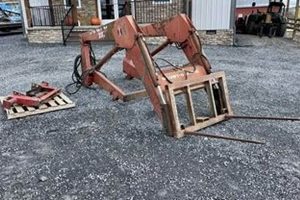
Specialized machinery plays a critical role in agricultural systems that minimize soil disturbance. This equipment directly seeds crops into untilled soil, often through existing crop residue. Examples include seed drills engineered for no-till planting, planters with coulters to cut through residue, and sprayers for weed control in the absence of plowing.
The adoption of these technologies offers numerous advantages. Reduced soil erosion, improved water infiltration, and enhanced soil health are frequently observed. Furthermore, this approach can lead to decreased fuel consumption and labor costs. Historically, advancements in equipment design have been pivotal in facilitating the widespread implementation of conservation agriculture practices.
The subsequent sections will delve into the specific types of implements used, considerations for selecting appropriate tools based on soil type and crop, and an overview of the economic implications of adopting reduced tillage methods. Detailed analyses of maintenance requirements and technological advancements in precision application will also be presented.
Essential Guidelines for Optimizing Reduced Tillage Systems
The following recommendations are designed to maximize the effectiveness and longevity of implements designed for conservation agriculture. Adhering to these guidelines will contribute to improved soil health and operational efficiency.
Tip 1: Residue Management is Paramount: Ensure even distribution of crop residue across the field. Uneven residue can impede planter performance and result in inconsistent seed placement, negatively affecting emergence and yield. Employ residue management attachments on combines to achieve optimal distribution.
Tip 2: Soil Testing and Amendment: Conduct regular soil tests to determine nutrient deficiencies. Address any imbalances through targeted fertilizer applications, preferably via methods that minimize soil disturbance, such as banding or subsurface placement, utilizing specialized applicators designed for these systems.
Tip 3: Proper Calibration is Critical: Calibrate seed drills and planters meticulously before each planting season and periodically during operation. Accurate calibration guarantees the desired seeding rate and depth, optimizing germination and plant establishment. Utilize calibration tools and consult manufacturer guidelines.
Tip 4: Coulter Maintenance and Adjustment: Inspect coulters regularly for wear and tear. Replace worn or damaged coulters to maintain optimal cutting action through residue and soil. Adjust coulter depth and pressure according to soil conditions and residue levels to ensure consistent seed furrow formation.
Tip 5: Nozzle Selection and Spray Application: Select appropriate nozzle types for herbicide and pesticide applications, considering factors such as droplet size, spray pattern, and drift potential. Calibrate sprayers frequently to ensure accurate application rates and minimize environmental impact. Consider drift reduction technologies to minimize off-target movement.
Tip 6: Implement Storage and Maintenance: Store implements in a sheltered location during periods of inactivity to protect them from weather damage. Conduct routine maintenance, including lubrication, cleaning, and inspection of all components, to extend the service life of the equipment. Consult the manufacturer’s maintenance manual for specific recommendations.
Tip 7: Controlled Traffic Patterns: Establish controlled traffic patterns to minimize soil compaction. Confine wheel traffic to designated areas of the field to reduce the area impacted by compaction, improving water infiltration and root growth in non-trafficked zones. Utilize GPS guidance systems to maintain consistent traffic patterns.
These practices promote efficient seeding, effective weed control, and sustained soil health. Adherence to these recommendations contributes to the long-term success and profitability of reduced tillage agricultural systems.
The final section will present a comprehensive analysis of the economic considerations associated with implementing this type of agricultural system.
1. Seed Drill Precision

Seed drill precision represents a critical performance parameter of equipment used in conservation agriculture. These machines are engineered to directly sow seeds into untilled soil, often laden with crop residue. The accuracy with which a seed drill achieves consistent seed placement at a specified depth and spacing directly impacts germination rates, seedling vigor, and ultimately, crop yield. Inadequate precision can lead to uneven plant stands, increased competition among plants, and reduced overall productivity.
The design and functionality of seed drills intended for no-till operations differ significantly from those used in conventional tillage systems. No-till drills must effectively cut through surface residue, penetrate compacted soils, and maintain consistent seed-to-soil contact. Components such as row units, coulters, and down-pressure systems are crucial for achieving the necessary precision. For example, air seeders equipped with individual row control offer superior depth control compared to simpler gravity-fed drills, especially in variable soil conditions. The economic ramifications of inaccurate seeding are substantial, potentially offsetting the benefits of reduced tillage practices.
Therefore, the selection and maintenance of no-till seed drills must prioritize precision. Regular calibration, inspection of wear components, and adaptation to specific soil types and residue levels are essential for optimizing performance. Advanced technologies, such as GPS-guided planting and variable-rate seeding, can further enhance precision and contribute to the long-term success of conservation agricultural systems. Investment in high-precision implements is often justified by the improved yields and reduced input costs associated with optimal plant establishment.
2. Residue Management Compatibility

Residue management compatibility is an intrinsic design consideration for implements utilized in reduced tillage agricultural systems. The efficacy of no-till drills, planters, and related machinery is directly contingent on their capacity to operate effectively in the presence of substantial crop residue. Inadequate residue management can lead to equipment clogging, inconsistent seed placement, and reduced germination rates, thereby negating the intended benefits of minimal soil disturbance.
The design of these implements incorporates features specifically engineered to handle residue. Examples include coulters designed to cut through heavy residue layers, row cleaners to displace residue from the seeding zone, and specialized press wheels to ensure optimal seed-to-soil contact despite the presence of surface cover. For instance, planters equipped with floating row cleaners excel in environments with high residue levels, preventing hairpinning and facilitating consistent seed depth. Similarly, no-till drills often incorporate staggered coulter designs to minimize residue buildup and maintain uniform seeding depth. Failure to adequately address residue management leads to reduced operational efficiency, increased fuel consumption, and compromised crop establishment.
Therefore, the selection of appropriate equipment necessitates a thorough assessment of residue characteristics and anticipated field conditions. Soil type, crop type, and previous management practices all influence residue quantity and distribution. Matching implement design to these factors is crucial for maximizing the economic and environmental benefits of reduced tillage. Furthermore, ongoing maintenance and adjustment of equipment components, such as coulter sharpness and row cleaner settings, are essential for maintaining optimal performance throughout the planting season. Investing in implements with robust residue management capabilities directly contributes to improved crop yields and sustained soil health in no-till systems.
3. Coulter Cutting Efficiency

Coulter cutting efficiency is a paramount characteristic of equipment designed for conservation agriculture. It directly impacts the ability of implements, such as seed drills and planters, to operate effectively in untilled soil conditions. The coulter, a disc-shaped blade, is responsible for slicing through crop residue and penetrating the soil surface to create a seed furrow. Inadequate cutting efficiency results in hairpinning of residue, inconsistent seed placement, and reduced seed-to-soil contact, which can significantly compromise germination and plant establishment. For example, a dull or improperly angled coulter may merely push residue into the furrow instead of cleanly cutting through it, creating an air pocket around the seed. This leads to delayed emergence, uneven plant stands, and ultimately, yield losses. The connection between sharp coulters and successful no-till planting is thus a direct cause-and-effect relationship.
The design of coulters significantly influences their cutting efficiency. Wavy coulters, for instance, are often preferred in high-residue environments due to their aggressive cutting action and ability to fracture soil. Conversely, smooth coulters may be more suitable in lighter residue conditions. The angle of the coulter, the type of steel used in its construction, and the overall diameter also contribute to its performance. Regular inspection and replacement of worn coulters are essential for maintaining optimal cutting efficiency. Farms implementing no-till practices frequently schedule routine coulter replacement as a critical component of their equipment maintenance programs, demonstrating the practical importance of this factor. Furthermore, adjusting the down pressure applied to the coulter ensures adequate soil penetration across varying soil types and moisture levels.
In summary, coulter cutting efficiency is an indispensable aspect of conservation agriculture. Its impact on seed placement and plant establishment is direct and substantial. By prioritizing the selection, maintenance, and adjustment of coulters, producers can mitigate the risks associated with residue interference and ensure the successful implementation of no-till farming practices. Overlooking this seemingly minor detail can undermine the broader benefits of reduced tillage systems, including improved soil health, reduced erosion, and enhanced water infiltration.
4. Fertilizer Placement Accuracy

Fertilizer placement accuracy represents a crucial determinant of efficiency and environmental stewardship within no-till farming systems. Equipment designed for no-till applications must precisely deliver nutrients to the root zone of developing plants without disturbing the soil surface. Inaccurate fertilizer placement leads to reduced nutrient uptake by crops, increased nutrient runoff, and potential environmental contamination. For instance, broadcasting fertilizer on the soil surface in a no-till environment results in substantial nutrient losses due to volatilization and surface runoff, especially during heavy rainfall events. In contrast, precision placement techniques, such as banding fertilizer directly below the seed at planting, maximize nutrient availability to the developing seedling and minimize environmental losses.
Specialized no-till equipment is designed to facilitate accurate fertilizer placement. This includes implements equipped with coulters that cut through residue and deposit fertilizer in a narrow band, as well as planters and drills with integrated fertilizer applicators. Some systems utilize GPS guidance to precisely map fertilizer application rates based on soil variability, ensuring that nutrients are applied only where needed. Subsurface banding, a common practice, involves injecting liquid fertilizer into the soil a few inches below the surface, minimizing surface losses and providing nutrients directly to the root zone. Real-world examples demonstrate that these precision techniques can significantly improve crop yields and reduce fertilizer costs compared to traditional broadcast applications. Farms implementing these practices experience tangible financial and environmental benefits due to the precise fertilizer placement.
In conclusion, fertilizer placement accuracy is inextricably linked to the success and sustainability of no-till farming systems. Adoption of specialized no-till equipment engineered for precision nutrient delivery is essential for maximizing crop uptake, minimizing environmental impact, and ensuring the long-term viability of these agricultural practices. While the initial investment in advanced equipment may be higher, the resulting improvements in nutrient use efficiency and environmental protection justify the cost. The ongoing challenge lies in optimizing fertilizer placement strategies for diverse soil types, cropping systems, and environmental conditions.
5. Planter Row Unit Design
Planter row unit design exerts a critical influence on the performance of no-till farming equipment. Within no-till systems, the row unit must perform several functions in a single pass, including residue management, soil penetration, seed placement, and seed-to-soil contact establishment. An effectively designed row unit directly contributes to uniform emergence, optimal plant spacing, and maximized yield potential. Conversely, inadequacies in row unit design can lead to inconsistent seeding depth, poor seed-to-soil contact, and reduced plant stands, undermining the benefits of no-till practices. The components within a row unitcoulters, row cleaners, seed meters, depth control mechanisms, and closing wheelsmust function synergistically to achieve these objectives in the absence of prior tillage.
Specific design features significantly impact the success of no-till planting. For example, a row unit equipped with aggressive, adjustable row cleaners effectively clears residue from the seed zone, preventing hairpinning and improving seed-soil contact. Coulters with sufficient down pressure and appropriate blade profiles facilitate penetration through compacted soil and heavy residue. Precision seed meters ensure accurate singulation and spacing, minimizing competition among plants. Closing wheels, designed to firm the soil around the seed, promote uniform germination. In practice, farmers often modify row units to adapt them to specific soil types and residue conditions. Add-on down pressure springs, aftermarket closing wheels, and residue management attachments are common modifications used to optimize row unit performance in diverse no-till environments.
Ultimately, planter row unit design is inextricably linked to the success of no-till farming. Selecting implements with row units specifically engineered for no-till conditions is paramount. Routine maintenance, careful calibration, and adaptive adjustments are equally important for maximizing the effectiveness of these systems. Understanding the interplay between row unit components and their impact on seed placement is essential for achieving consistent plant stands and realizing the full yield potential of no-till agriculture. The ongoing evolution of row unit technology continues to address the challenges associated with no-till planting, furthering the adoption and success of these sustainable farming practices.
6. Calibration System Reliability

The reliability of calibration systems directly governs the performance of implements central to conservation agriculture. For implements used in systems that practice conservation agriculture, precise metering of seed and fertilizer is of paramount importance. A properly calibrated seeder or planter ensures consistent seeding rates and nutrient application, leading to uniform crop establishment. Erratic calibration, conversely, introduces variability that can negatively impact plant density, resource competition, and ultimately, yield. Accurate calibration enables optimal seed spacing. Furthermore, precise application of fertilizer promotes efficient nutrient uptake, reducing waste and minimizing environmental risks. Real-world examples consistently show that well-calibrated implements deliver higher yields and improved resource utilization compared to those operating with unreliable calibration systems.
Practical applications of reliable calibration extend beyond initial setup. Consistent monitoring and recalibration are necessary to account for wear and tear on equipment components, changes in seed size, and variations in soil conditions. Modern implements often incorporate electronic monitoring systems that provide real-time feedback on seed and fertilizer flow rates, allowing operators to make immediate adjustments. However, the effectiveness of these systems hinges on the accuracy and reliability of the underlying sensors and control mechanisms. A malfunctioning sensor, for example, can provide false readings, leading to incorrect application rates and compromised crop performance. Regular physical calibration checks, using established protocols, serve as a critical safeguard against reliance on potentially flawed electronic systems.
In summation, the reliability of calibration systems is a non-negotiable requirement for realizing the full potential of machinery involved in conservation agricultural practices. While technological advancements offer sophisticated monitoring capabilities, diligent maintenance, and verification remain essential for ensuring consistent and accurate application rates. The challenge lies in balancing the integration of advanced technology with the fundamental principles of sound calibration practices. Ignoring this critical link compromises both the economic viability and the environmental benefits associated with conservation-focused agricultural systems.
Frequently Asked Questions about No-Till Farming Equipment
The following section addresses common inquiries regarding the selection, operation, and maintenance of implements used in conservation tillage systems.
Question 1: What are the primary differences between seed drills designed for conventional tillage versus those intended for no-till applications?
No-till drills are engineered with features such as heavy-duty coulters, row cleaners, and down-pressure systems to effectively cut through crop residue and penetrate untilled soil. Conventional drills lack these robust features and are designed for prepared seedbeds.
Question 2: How does residue management impact the performance of planters in no-till systems, and what features mitigate these effects?
Excessive or uneven residue can interfere with seed placement, reduce seed-to-soil contact, and impede seedling emergence. Planters equipped with row cleaners, coulters, and appropriate closing wheel configurations effectively manage residue and ensure optimal seed establishment.
Question 3: What are the key considerations when selecting coulters for no-till seed drills, and how do different coulter designs affect performance?
Coulter selection depends on soil type, residue levels, and desired seeding depth. Wavy coulters excel in high-residue conditions, while smooth coulters are suitable for lighter residue. Diameter, angle, and material composition also influence cutting efficiency.
Question 4: How does fertilizer placement accuracy influence nutrient use efficiency and environmental impact in no-till systems?
Precise fertilizer placement minimizes nutrient losses through volatilization and runoff, maximizing uptake by plants and reducing environmental contamination. Banding or subsurface placement techniques are superior to broadcast applications in no-till environments.
Question 5: What routine maintenance procedures are essential for ensuring the longevity and optimal performance of no-till implements?
Regular maintenance includes lubrication, inspection of wear components (coulters, blades, bearings), calibration of seeding and fertilizer rates, and proper storage during periods of inactivity. Adherence to manufacturer recommendations is crucial.
Question 6: How do technological advancements, such as GPS guidance and variable-rate seeding, enhance the precision and efficiency of no-till farming equipment?
GPS guidance systems facilitate precise row placement and minimize overlap, while variable-rate seeding allows for tailored seeding densities based on soil variability and yield potential, optimizing resource allocation and improving overall efficiency.
Effective utilization of implements in conservation tillage depends on an understanding of their unique design features and operational requirements. Proper selection, calibration, and maintenance are essential for maximizing the benefits of no-till farming.
The subsequent section will provide a detailed analysis of the economic implications of adopting conservation tillage practices.
Concluding Remarks on Implements for Conservation Tillage
This exposition has detailed the critical role specialized machinery plays in successful conservation agricultural systems. Factors such as seed drill precision, residue management compatibility, coulter cutting efficiency, fertilizer placement accuracy, planter row unit design, and calibration system reliability were explored, emphasizing their direct impact on crop establishment, nutrient utilization, and environmental stewardship.
The effective adoption of conservation practices hinges on informed decision-making regarding implement selection, operation, and maintenance. Continued research and development in this area are vital for enhancing the economic viability and environmental sustainability of agricultural production. Investment in appropriate implements represents a commitment to responsible land management and long-term productivity.

![Best DH Farm Equipment: [Year] Guide + More! | The Conscious Farmer | Sustainable Agriculture for a Healthier Planet](https://livingedgefarm.com/wp-content/uploads/2025/08/th-1937-300x200.jpg "Best DH Farm Equipment: [Year] Guide + More! The Conscious Farmer | Sustainable Agriculture for a Healthier Planet")