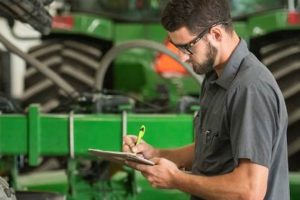
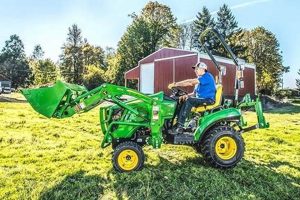
Specialized tools and machinery are essential for managing small-scale agricultural operations. These items encompass a range of implements, from handheld gardening aids to compact tractors and tillers. These tools facilitate tasks such as land preparation, planting, harvesting, and livestock care. For example, a small tractor with attachments can handle plowing, mowing, and material transport more efficiently than manual labor alone.
The use of such implements can significantly enhance the productivity and sustainability of a small farm. Efficient machinery reduces labor costs, increases the speed of operations, and improves the overall yield of crops or livestock. Historically, small farms relied heavily on manual labor and animal power; however, modern technology provides more accessible and affordable options for mechanization, thus improving operational efficiency and profitability.
The following sections will delve into the specific types of implements commonly utilized in these operations, discuss factors to consider when selecting appropriate tools, and explore best practices for maintenance and safe operation to ensure long-term value and utility.
Tips for Optimizing Small-Scale Agricultural Implement Usage
Effective utilization of specialized agricultural implements is critical for maximizing output and ensuring the longevity of operational resources. Prudent selection, operation, and maintenance are paramount.
Tip 1: Conduct a Thorough Needs Assessment. Before acquiring any implement, evaluate the specific tasks required on the farm. Consider factors such as the size of the land, the type of crops or livestock, and the available labor resources.
Tip 2: Prioritize Versatility. Opt for implements with multiple functions or attachments to maximize their utility. A tractor with a front-end loader, for instance, can perform tasks ranging from moving materials to clearing debris.
Tip 3: Invest in Quality. Lower initial costs may be tempting, but durable, well-constructed implements offer greater long-term value. Consider reputable brands known for reliability and readily available parts.
Tip 4: Implement Regular Maintenance Schedules. Adherence to manufacturer-recommended maintenance schedules is crucial for preventing breakdowns and extending the lifespan of implements. This includes regular lubrication, filter changes, and inspections.
Tip 5: Ensure Proper Storage. Protect implements from the elements by storing them in a sheltered location. Proper storage prevents rust, corrosion, and other forms of damage.
Tip 6: Practice Safe Operation. Familiarize operators with the proper operating procedures and safety precautions for each implement. Provide adequate training and enforce safety protocols.
Tip 7: Consider Used Options. Properly maintained used implements can provide a cost-effective alternative to purchasing new equipment. Thoroughly inspect used items before purchase to ensure they are in good working order.
Strategic deployment of appropriate implements and vigilant upkeep routines will contribute significantly to operational efficiency, financial stability, and the sustained viability of smaller agricultural endeavors.
The subsequent sections will explore advanced operational techniques and emerging technologies in the field of small-scale agriculture.
1. Tractor Attachments and Hobby Farm Equipment

Tractor attachments represent a significant component of implements used in small-scale agricultural operations. These implements enhance the versatility and utility of compact tractors, enabling them to perform a wide range of tasks critical to the efficient management of a small farm.
- Material Handling Attachments
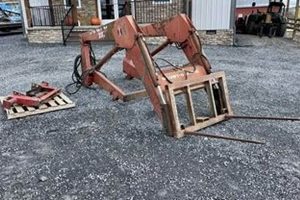
Front-end loaders and pallet forks are integral for moving materials such as soil, mulch, hay bales, and equipment. These attachments reduce manual labor and expedite tasks related to farm construction, maintenance, and livestock care. Improper implementation could strain hydraulic systems. Example use includes moving fertilizer, or manure.
- Land Management Attachments
Mowing decks, rotary tillers, and box blades are utilized for maintaining fields, preparing soil for planting, and leveling land. These attachments enable small farmers to efficiently manage vegetation, improve soil quality, and create suitable growing conditions for crops. Failing to maintain mower blades can lead to inefficiency and grass disease. Example use includes tilling a garden, or finish mowing a lawn.
- Planting and Harvesting Attachments
Seeders, planters, and small-scale harvesting equipment are available to automate planting and harvesting processes, enhancing efficiency and reducing labor requirements. These attachments are particularly beneficial for small farms focused on crop production. Planters are also used for cover crop seeding, to improve nitrogen management. Example use includes planting of potatoes, or soybeans.
- Snow Removal Attachments
Snow blades and snow blowers are invaluable for clearing driveways, pathways, and barnyards during winter months. These attachments ensure accessibility and safety during inclement weather, allowing farm operations to continue uninterrupted. Failure to properly mount can cause equipment damage. Example use includes clearing access to livestock facilities, or clearing access to houses.
The selection and utilization of appropriate tractor attachments are essential for maximizing the productivity and profitability of small agricultural endeavors. These implements represent a significant investment, and proper maintenance and operation are crucial for ensuring their longevity and effectiveness in a practical farming operation.
2. Tillage Implements and Hobby Farm Equipment
Tillage implements form a fundamental category within the broader spectrum of tools and machinery utilized in small-scale agricultural operations. Their purpose is to prepare the soil for planting, influencing seedbed quality, weed control, and overall crop yield. The selection and application of tillage implements are therefore critical decisions impacting the efficiency and sustainability of a operation.
- Plows
Plows, including moldboard and disc plows, are employed for primary tillage. These implements invert the soil, burying crop residue and weeds, and creating a clean seedbed. The use of plows can improve soil aeration and drainage in heavy soils, but may also contribute to soil erosion if not implemented carefully. On operation, plowing might be necessary to reclaim overgrown or compacted areas, making it suitable for cultivation. Misuse of plowing can lead to topsoil loss.
- Harrows
Harrows, such as disc harrows and tine harrows, are used for secondary tillage. They break up clods, level the soil surface, and incorporate amendments like fertilizer or compost. Harrows create a finer seedbed, promoting better seed-to-soil contact and improving germination rates. On operation, a tine harrow can be used to prepare a vegetable garden bed after plowing, ensuring a smooth surface for planting. Incorrect use can lead to compaction.
- Cultivators
Cultivators are designed to loosen the soil and remove weeds between rows of crops. They can be used for both pre-planting and post-planting weed control, reducing the need for herbicides. Cultivators also improve soil aeration and water infiltration. For example, a row crop cultivator can be used to control weeds in a corn or soybean field, minimizing competition for resources. Careless use can cause damage to plant roots.
- Tillers
Rotary tillers, often referred to as rotavators, use rotating blades to pulverize the soil, creating a fine seedbed in a single pass. They are particularly useful for preparing small garden plots or raised beds. However, excessive tillage with a rotary tiller can damage soil structure and reduce organic matter content. For instance, a small rotary tiller can be used to prepare a flower garden bed or amend the soil with compost. Overuse can cause erosion.
The appropriate selection and use of tillage implements directly impact the success of smaller-scale agricultural ventures. Understanding the specific needs of the soil, the type of crops being grown, and the potential environmental consequences of each tillage method are crucial for promoting sustainable and productive small-scale farming practices. Skillful tillage improves crop yield, reduces the dependence on chemical inputs, and enhances the long-term health of the soil.
3. Harvesting aids
Harvesting aids constitute a critical subset within the array of tools and implements relevant to small-scale agricultural operations. These aids augment the efficiency and effectiveness of crop retrieval, thereby influencing labor requirements and overall yield potential.
- Small-Scale Combine Harvesters
Compact combine harvesters offer a mechanized solution for harvesting grain crops such as wheat, oats, and barley. Their implementation reduces manual labor demands associated with cutting, threshing, and cleaning grain, enabling small farmers to process larger areas more rapidly. Their efficacy on operation is directly linked to the size and topography of the fields, as well as the maturity and density of the crop. For example, a small farm cultivating several acres of wheat could significantly reduce harvesting time and improve grain quality by utilizing a combine harvester, compared to manual harvesting methods. Maintenance also plays a critical role.
- Fruit and Vegetable Pickers
Specialized implements are available for the efficient harvesting of fruits and vegetables. These tools range from simple hand-held pickers to more complex mechanized harvesters. Their application reduces the physical strain associated with manual harvesting and minimizes crop damage. Vine crops can be mechanically harvested. An example can be harvesting tree fruits by shaking branches.
- Root Crop Harvesters
Root crop harvesters are designed to lift and separate root crops such as potatoes, carrots, and beets from the soil. These implements reduce the labor intensity of harvesting root crops, minimize crop damage, and improve harvesting speed. Their efficiency depends on soil type, crop density, and harvester design. For instance, a small potato digger can significantly reduce the time and effort required to harvest a potato crop compared to manual digging, while also minimizing damage to the potatoes. Maintenance is also crucial for soil and harvest conditions.
- Hay and Forage Harvesting Equipment
For small livestock operations, equipment for cutting, raking, and baling hay and forage is essential. This equipment ranges from sickle bar mowers to small square balers, allowing farmers to efficiently harvest and store hay for winter feeding. Effective hay harvesting practices are critical for ensuring adequate forage supplies for livestock and maximizing the nutritional value of the hay. For example, a small square baler allows a farm to produce manageable bales of hay for feeding to sheep, goats, or cattle during the winter months. Incorrect bale usage can lead to issues for some livestock.
The utilization of appropriate harvesting aids is integral to the viability and profitability of smaller agricultural enterprises. These implements not only reduce labor costs but also improve the quality and quantity of harvested crops, thereby enhancing the overall sustainability of operation.
4. Livestock handling

Efficient and safe livestock handling is intrinsically linked to the appropriate selection and deployment of specialized implements on smaller agricultural operations. The absence of such implements can elevate the risk of injury to both animals and handlers, increase labor demands, and potentially compromise animal welfare and productivity. Consequently, equipment designed for livestock management represents a core element within the broader inventory of tools and machinery crucial for small-scale farming enterprises.
Specialized implements facilitate various aspects of livestock management, including confinement, transport, feeding, and health maintenance. For instance, strategically positioned fencing and gates, often constructed from durable materials and incorporating user-friendly latching mechanisms, enable controlled grazing and prevent livestock from straying, thereby minimizing property damage and potential conflicts with neighbors. Likewise, livestock trailers, ranging from small utility models to larger gooseneck versions, are essential for transporting animals to veterinary appointments, livestock auctions, or other agricultural facilities. Without these transport options, access to essential services becomes significantly more challenging and potentially detrimental to the animal’s well-being.
The practical application of appropriate implements not only enhances operational efficiency but also contributes to the ethical treatment of animals. Chutes and headgates, for example, restrain animals safely during procedures such as vaccinations, deworming, or hoof trimming, minimizing stress and the risk of injury. Feeding troughs and waterers, designed to prevent contamination and reduce waste, ensure that livestock have continuous access to essential nutrients. A thorough understanding of the specific needs of the livestock and the careful selection of appropriate implements, alongside diligent maintenance, are paramount for ensuring the health, safety, and productivity of animals, while simultaneously reducing labor demands and enhancing the overall sustainability of the smaller-scale farming system.
5. Irrigation systems

Irrigation systems constitute a critical element within the array of implements classified under small-scale agricultural implements. Water management is often a limiting factor for crop production, irrespective of farm size. The selection and deployment of appropriate irrigation technologies can significantly impact crop yields, water use efficiency, and the overall economic viability. The absence of effective irrigation during periods of drought or uneven rainfall can result in substantial crop losses, thereby undermining the investments made in other farm inputs, such as seeds, fertilizers, and labor. Conversely, the strategic application of irrigation can enable the cultivation of high-value crops in regions with limited natural rainfall, expanding the range of viable agricultural activities.
Various irrigation methods exist, each with distinct advantages and disadvantages in the context of small-scale agriculture. Drip irrigation, for example, delivers water directly to the root zone of plants, minimizing water loss through evaporation and runoff. This approach is particularly well-suited to small vegetable gardens and orchards, where precise water management is essential for maximizing fruit or vegetable quality. Sprinkler systems, on the other hand, provide broader coverage and can be useful for irrigating larger fields or pastures. However, sprinkler irrigation may be less efficient in windy conditions, leading to uneven water distribution and increased water consumption. Understanding the specific water requirements of different crops, as well as the soil type and topography, is crucial for selecting the most appropriate irrigation system.
The integration of irrigation systems into a well-managed small-scale operation necessitates a comprehensive approach to water resource management. This includes assessing water availability, implementing water conservation measures, and monitoring soil moisture levels to optimize irrigation scheduling. Access to reliable water sources, such as wells, ponds, or municipal water supplies, is a prerequisite for successful irrigation. Furthermore, regular maintenance of irrigation equipment, including pumps, pipes, and emitters, is essential for preventing leaks and ensuring efficient operation. Failing to address these factors can result in suboptimal crop yields and increased operating costs, undermining the potential benefits of irrigation technology.
6. Maintenance tools

The operational lifespan and efficiency of implements utilized on small-scale agricultural holdings are directly correlated with the availability and proper use of maintenance tools. These tools encompass a wide range of instruments, from basic hand tools such as wrenches, screwdrivers, and pliers, to more specialized equipment like multimeters, welding apparatuses, and diagnostic scanners. The absence of these tools impairs the ability to perform routine maintenance tasks, leading to premature wear, reduced performance, and increased downtime of essential machinery.
A direct consequence of inadequate maintenance is the accelerated degradation of machinery components. For example, a tractor lacking regular oil changes, enabled by appropriate wrenches and oil filters, will experience increased engine wear, leading to reduced power output, higher fuel consumption, and ultimately, engine failure. Similarly, failure to lubricate moving parts on tillage implements or harvesting equipment, due to a lack of grease guns and lubricants, will result in increased friction, component stress, and potential breakdowns during critical operational periods. Welding equipment is essential for repairing structural damage to implements, preventing costly replacements. Diagnostic scanners assist in identifying and addressing electronic or mechanical issues before they escalate into major malfunctions.
Consistent maintenance prolongs the service life of implements, safeguarding capital investments and minimizing operational interruptions. The availability of a comprehensive set of maintenance tools enables proactive repairs, preventing minor issues from developing into catastrophic failures. This proactive approach not only reduces the frequency of breakdowns but also optimizes the performance of implements, leading to increased productivity and lower operating costs. A well-equipped workshop, complemented by a skilled operator capable of performing routine maintenance and repairs, represents a strategic asset for any small-scale farming enterprise seeking to maximize the return on its implements.
Frequently Asked Questions
This section addresses common inquiries and misconceptions concerning specialized tools and machinery employed in small-scale agricultural operations.
Question 1: What constitutes “hobby farm equipment” versus standard agricultural equipment?
Implements for smaller agricultural endeavors are typically characterized by their compact size, lower horsepower ratings, and suitability for smaller land areas. Standard agricultural equipment is engineered for larger-scale commercial operations, encompassing more substantial machinery with greater power and capacity.
Question 2: What are the initial financial investments required for fundamental tools?
The initial financial outlay varies significantly based on the scope of operations. A compact tractor, essential for many operations, can range from $15,000 to $40,000, contingent upon features and horsepower. Additional implements, such as tillers and mowers, may range from $1,000 to $5,000 each.
Question 3: What factors should be considered when selecting equipment for small-scale operations?
Land size, crop types, livestock needs, and budgetary constraints are vital considerations. Prioritize versatility and multi-functional implements to maximize utility. Durability and availability of replacement parts are also essential factors.
Question 4: What are the primary maintenance requirements for maintaining implements?
Regular maintenance includes lubrication, filter changes, fluid checks, and inspection of belts and hoses. Adherence to manufacturer-recommended maintenance schedules is critical for prolonging the lifespan of implements. Proper storage is also key.
Question 5: What safety protocols should be followed while operating machinery?
Operate implements only after reviewing the manufacturer’s operating manual. Ensure all safety guards are in place and functional. Wear appropriate personal protective equipment, including eye protection and hearing protection. Never operate equipment under the influence of alcohol or drugs.
Question 6: Is it more financially prudent to purchase new or used equipment?
Both options possess advantages and disadvantages. New implements offer the latest technology and warranty protection, but entail higher initial costs. Used implements may offer cost savings, but require thorough inspection for potential mechanical issues. Consider repair records.
Effective management hinges on informed decision-making when selecting and maintaining appropriate instruments, thereby optimizing operational efficiency.
The next section will explore case studies of farms that have successfully utilized various small-scale farming methods.
Conclusion
The preceding analysis has explored various aspects of “hobby farm equipment,” ranging from tractor attachments and tillage implements to harvesting aids, livestock handling solutions, irrigation systems, and essential maintenance tools. The judicious selection, operation, and maintenance of these implements are paramount for maximizing the efficiency, productivity, and sustainability of smaller agricultural holdings. Neglecting these factors can result in increased labor costs, reduced yields, and diminished long-term viability.
The successful implementation of appropriate implements, coupled with diligent management practices, represents a strategic advantage for small-scale agricultural enterprises. By prioritizing informed decision-making and adhering to best practices, individuals engaged in smaller agricultural endeavors can enhance their operational resilience, improve their financial outlook, and contribute to a more sustainable food system. Further research and innovation in this area will likely lead to even more efficient and effective tools for small-scale agricultural endeavors in the future.

![Best DH Farm Equipment: [Year] Guide + More! | The Conscious Farmer | Sustainable Agriculture for a Healthier Planet](https://livingedgefarm.com/wp-content/uploads/2025/08/th-1937-300x200.jpg "Best DH Farm Equipment: [Year] Guide + More! The Conscious Farmer | Sustainable Agriculture for a Healthier Planet")