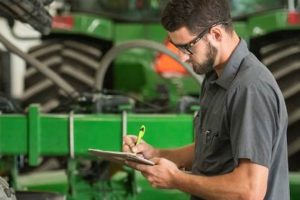
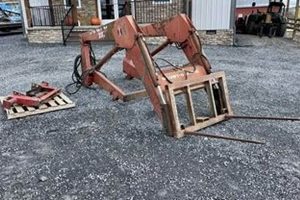
Specialized tools and machinery are essential for the efficient and productive cultivation of apples. These items range from large-scale harvesting machines to smaller, hand-operated pruning shears. An example includes mechanical harvesters which expedite the picking process, significantly reducing labor costs.
The use of appropriate implements contributes substantially to the quality and yield of apple crops. Historically, reliance on manual labor limited the scale of apple production. Advancements in technology have permitted larger orchards and increased overall output, leading to greater economic viability for growers and more accessible produce for consumers.
Subsequent sections will detail specific categories of horticultural implements, covering aspects such as orchard management tools, harvesting technologies, and post-harvest handling systems used in modern apple farming practices. Each tools functionality and contribution to the overall process will be explored.
Essential Considerations for Apple Orchard Implements
Proper selection and maintenance of implements are crucial for successful apple cultivation. The following points provide insights for maximizing efficiency and yield.
Tip 1: Implement Regular Maintenance Schedules: Consistent upkeep of machinery reduces downtime and extends the lifespan of essential implements. Routine inspections, lubrication, and timely replacements of worn parts are vital.
Tip 2: Calibrate Spraying Devices Accurately: Precise calibration ensures uniform application of pesticides and fertilizers, minimizing waste and maximizing efficacy. This reduces environmental impact and improves fruit quality.
Tip 3: Select Pruning Tools Based on Tree Maturity: Utilizing appropriate pruning shears and saws based on tree age and branch diameter minimizes stress on the trees, promoting healthy growth and fruiting.
Tip 4: Optimize Harvesting Techniques: Employing gentle handling methods during harvest prevents bruising and damage to the fruit, maintaining its market value and extending shelf life.
Tip 5: Invest in Efficient Sorting and Grading Systems: Accurate sorting and grading processes ensure consistent product quality, enhancing customer satisfaction and brand reputation.
Tip 6: Prioritize Operator Safety Training: Comprehensive training for equipment operators minimizes the risk of accidents and ensures the safe and efficient operation of all implements.
Tip 7: Utilize Data-Driven Decision Making: Implementing sensors and analytics related to the implements used gives data for proper usage, saving time, and ensuring proper usage.
Implementing these considerations optimizes efficiency, minimizes waste, and maximizes the return on investment in apple orchard implements.
Subsequent sections will delve into specific categories of implements and technologies, providing further guidance on their selection and application.
1. Harvesting Machinery

Harvesting machinery constitutes a critical subset of horticultural implements directly impacting the efficiency and scale of apple production. The implementation of mechanized harvesting solutions addresses labor shortages and optimizes fruit collection timelines, directly affecting the quality and marketability of the harvested crop.
- Shaker Harvesters
Shaker harvesters employ mechanical agitation to dislodge apples from trees. These machines are suitable for processing apples, where cosmetic imperfections are less critical. Real-world implications include reduced labor costs and accelerated harvesting, albeit with potential fruit damage that impacts suitability for fresh market sales.
- Vacuum Harvesters
Vacuum harvesting systems use suction to collect fallen apples from the orchard floor. Primarily used for cider apples or those destined for processing, vacuum harvesters improve efficiency in situations where manual collection is impractical. An implication is the reduced labor required for gleaning dropped fruit, but limitations exist regarding fruit quality and potential contamination from ground debris.
- Mobile Picking Platforms
Mobile picking platforms provide elevated workstations for human pickers, increasing reach and reducing physical strain. These platforms are beneficial in orchards with tall trees or uneven terrain, facilitating ergonomic harvesting practices. A tangible benefit includes increased picker productivity and reduced worker fatigue, ultimately contributing to a higher yield of undamaged fruit suitable for the fresh market.
- Automated Guided Vehicles (AGVs)
AGVs navigate orchards autonomously, assisting with the transport of harvested apples from the field to collection points. Integrating AGVs streamlines logistics and reduces the need for manual handling, decreasing the potential for bruising and waste. The implications of AGV use include optimized internal transportation processes, decreased labor requirements, and improved overall efficiency in orchard management.
The integration of specialized harvesting machinery into apple farming operations necessitates careful consideration of orchard layout, fruit destination (fresh market versus processing), and economic feasibility. Each harvesting solution presents unique advantages and limitations, influencing the overall profitability and sustainability of apple production enterprises.
2. Pruning Tools

Pruning tools represent a core component of apple farm equipment, directly influencing tree architecture, fruit yield, and overall orchard health. The selection and proper utilization of these implements are critical for maximizing productivity and maintaining the long-term viability of apple cultivation operations.
- Hand Pruners (Secateurs)
Hand pruners are essential for precise cuts on smaller branches, facilitating detailed shaping and removal of unwanted growth. Their widespread application in orchards allows for targeted pruning, promoting airflow and sunlight penetration within the tree canopy. The use of hand pruners, while labor-intensive, minimizes damage to the tree structure, contributing to improved fruit quality and consistent yields over time.
- Loppers
Loppers provide extended reach and increased leverage for cutting larger branches, addressing the need for efficient removal of thicker growth without excessive force. Their application is critical in managing tree size and density, particularly in mature orchards. Efficient lopper usage promotes better light distribution and facilitates ease of harvesting, enhancing overall orchard productivity.
- Pruning Saws
Pruning saws are specialized for cutting thick branches that exceed the capacity of loppers, enabling the removal of substantial growth to reshape and rejuvenate trees. Their application is particularly relevant in addressing overgrown or damaged trees, allowing for significant structural improvements. Effective use of pruning saws is vital for maintaining orchard health and preventing the spread of disease.
- Pole Pruners
Pole pruners offer extended reach for pruning high branches without the need for ladders, enhancing safety and efficiency in orchard management. Their implementation is beneficial in maintaining tree height and shape, especially in high-density plantings. Use of pole pruners is essential for safely managing taller trees and maximizing fruit production in the upper canopy.
The appropriate selection and maintenance of pruning tools are integral to the successful integration of these implements within the broader apple farm equipment infrastructure. These tools directly impact fruit quality, yield, and the long-term health of the orchard, emphasizing their critical role in modern apple farming practices.
3. Spraying Systems

Spraying systems represent a critical and integrated element within comprehensive apple farm equipment. These systems are essential for applying pesticides, herbicides, fungicides, and fertilizers, thereby directly impacting crop health, yield, and overall orchard productivity. A deficiency or failure in the spraying system can lead to widespread disease, pest infestation, or nutrient deficiencies, potentially resulting in significant economic losses for apple growers. Consider, for example, the airblast sprayer, a common piece of orchard equipment. It delivers chemicals across a wide area, protecting the trees against diseases like apple scab and insect pests such as codling moth. Without proper spray application, the orchard’s fruit production could be devastated. Spraying systems, therefore, are not merely ancillary tools, but rather a cornerstone of effective apple cultivation.
The practical application of spraying systems extends beyond simple chemical application. Precision spraying, enabled by advanced technologies like GPS-guided systems and variable-rate application, is gaining prominence. These sophisticated implementations allow growers to target specific areas within the orchard, reducing chemical usage, minimizing environmental impact, and maximizing the effectiveness of treatments. Regular calibration and maintenance of nozzles, pumps, and delivery lines are critical for ensuring uniform coverage and preventing wastage. Moreover, adherence to strict safety protocols is paramount to protect operators and prevent environmental contamination. Selecting the appropriate spraying system depends on orchard size, tree density, terrain, and the specific pest or disease pressures present.
In summary, spraying systems are indispensable components of apple farm equipment, directly influencing the success and sustainability of orchard operations. Understanding the complexities of spray application, embracing precision technologies, and adhering to best management practices are essential for optimizing crop protection, minimizing environmental impact, and ensuring the long-term viability of apple farming enterprises. The challenge remains in continuously adapting spraying techniques and technologies to address evolving pest and disease pressures, while simultaneously promoting environmentally responsible agricultural practices.
4. Sorting Technology

Sorting technology constitutes an increasingly vital element within the broader context of apple farm equipment, influencing post-harvest handling efficiency and product quality. Manual sorting methods, while historically prevalent, are often labor-intensive, inconsistent, and prone to subjective evaluations. The integration of automated sorting systems addresses these limitations, providing objective, high-throughput grading based on parameters such as size, color, weight, and external defects. For example, modern optical sorting machines employ high-resolution cameras and sophisticated algorithms to identify blemishes or irregularities undetectable by the human eye. This directly impacts the market value of the crop by enabling precise categorization and separation of apples based on predetermined quality standards.
The practical applications of sorting technology extend beyond basic grading. Sophisticated systems can detect internal defects, such as watercore or bruising, using non-destructive methods like near-infrared spectroscopy. This capability allows for the removal of substandard fruit before it reaches consumers, enhancing brand reputation and minimizing potential losses due to spoilage. Moreover, the data generated by sorting systems provides valuable insights into orchard management practices. Analyzing defect patterns can help identify areas with higher incidence of pest damage or nutritional deficiencies, enabling growers to implement targeted interventions and improve overall fruit quality in subsequent seasons. Efficient sorting also streamlines packaging processes, reducing labor costs and optimizing the utilization of storage and transportation resources.
In summary, sorting technology plays a pivotal role in modern apple farm operations, serving as a critical link between harvesting and market distribution. Its integration within the overall equipment infrastructure drives improvements in efficiency, quality control, and resource utilization. While the initial investment in advanced sorting systems may be substantial, the long-term benefits in terms of reduced labor costs, improved product quality, and enhanced market competitiveness often justify the expenditure. The continuing development of more sophisticated and affordable sorting solutions promises to further transform post-harvest apple handling practices in the future.
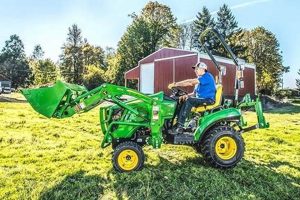
5. Tractor Attachments
Tractor attachments constitute a versatile and indispensable component of apple farm equipment, serving as the motive force behind numerous essential orchard operations. Tractors themselves are often the primary power source on an apple farm, and their utility is significantly expanded through the employment of various specialized attachments.
- Sprayers
Tractor-mounted sprayers facilitate the efficient application of pesticides, herbicides, and fungicides across the orchard. These attachments range in size and configuration, from small boom sprayers for targeted application to large air-blast sprayers for comprehensive coverage. Their use is critical for protecting apple crops from pests and diseases, directly impacting yield and fruit quality.
- Mowers and Shredders
Tractor-pulled mowers and shredders are employed to maintain orchard floor vegetation. Regular mowing prevents weed growth, reduces competition for nutrients and water, and improves air circulation within the orchard. Flail mowers, in particular, are effective at shredding pruned branches and fallen fruit, facilitating decomposition and reducing disease incidence.
- Post Hole Diggers and Augers
Post hole diggers and augers, powered by tractor PTO (Power Take-Off) systems, are used for planting new trees and installing support structures within the orchard. Accurate and efficient hole digging is essential for establishing new plantings and ensuring the stability of tree support systems, such as trellises.
- Fertilizer Spreaders
Tractor-mounted fertilizer spreaders enable the uniform distribution of granular or liquid fertilizers across the orchard floor. Proper fertilization is crucial for maintaining tree vigor and optimizing fruit production. Spreaders can be calibrated to deliver precise amounts of fertilizer, maximizing nutrient uptake and minimizing waste.
In summary, tractor attachments enhance the versatility and efficiency of tractors within the context of apple farm equipment. By providing the motive power for a wide range of essential operations, these attachments contribute significantly to the productivity, sustainability, and economic viability of apple farming enterprises.
6. Irrigation Equipment
Irrigation equipment represents a critical, often indispensable, component of comprehensive apple farm equipment. The direct link between sufficient water supply and optimal fruit production establishes irrigation as a key determinant of yield, fruit size, and overall quality. Inadequate irrigation can lead to stunted growth, reduced fruit set, and diminished marketable yield. Conversely, a well-designed and maintained irrigation system ensures consistent moisture levels, mitigating the impact of variable rainfall patterns and supporting vigorous tree growth and fruit development. Drip irrigation, for example, delivers water directly to the root zone, minimizing water loss through evaporation and reducing the risk of fungal diseases associated with foliar wetness. The installation and proper management of such systems is therefore an investment in the long-term productivity and sustainability of an apple orchard.
Beyond basic water delivery, modern irrigation systems can incorporate fertigation, the application of fertilizers directly through the irrigation lines. This allows for precise nutrient management, ensuring that trees receive the necessary elements at critical growth stages. Real-world examples include orchards utilizing soil moisture sensors coupled with automated irrigation controllers to optimize water usage based on real-time environmental conditions. This approach minimizes water waste, reduces energy consumption, and promotes healthy root development. Moreover, specific irrigation techniques, such as pulse irrigation, can be employed to improve water infiltration in heavy soils, preventing waterlogging and promoting aeration. The selection of appropriate irrigation equipment depends on factors such as soil type, tree spacing, climate, and water availability.
In summary, irrigation equipment is not merely an adjunct to apple farm equipment, but rather an integral and essential element for successful orchard management. Effective irrigation strategies, coupled with the appropriate selection and maintenance of irrigation systems, are fundamental for maximizing yield, ensuring fruit quality, and promoting the long-term health and profitability of apple farming operations. Challenges remain in balancing water conservation with optimal fruit production, requiring continuous innovation and adaptation in irrigation technologies and management practices.
Frequently Asked Questions
This section addresses common inquiries regarding the selection, utilization, and maintenance of apple farm equipment. The information provided aims to clarify essential aspects of horticultural implements for both novice and experienced orchard operators.
Question 1: What factors should be considered when selecting apple harvesting machinery?
The selection process requires careful evaluation of orchard size, terrain, fruit destination (fresh market vs. processing), and economic feasibility. Considerations should include the type of apple being harvested, the maturity stage and the potential for fruit damage during the harvest process.
Question 2: How frequently should pruning tools be sharpened and maintained?
Pruning tools should be sharpened regularly, ideally after each day of heavy use. Routine maintenance, including cleaning and lubrication, extends the tool’s lifespan and ensures optimal cutting performance. The frequency of honing or grinding depends on the tool quality and usage intensity.
Question 3: What are the primary considerations for calibrating spraying systems?
Calibration requires accurate determination of nozzle flow rates, travel speed, and spray pattern uniformity. Factors such as nozzle type, operating pressure, and tree canopy density influence the calibration process. Regular calibration ensures precise application rates and minimizes environmental drift.
Question 4: How can sorting technology improve apple grading consistency?
Sorting technology employs objective measurement criteria such as size, color, weight, and defect detection, reducing the subjectivity associated with manual grading. This results in a more uniform product, enhancing market value and minimizing inconsistencies across batches.
Question 5: What type of tractor attachments are essential for orchard floor management?
Essential tractor attachments for orchard floor management include mowers, shredders, and cultivators. Mowers and shredders control vegetation growth, while cultivators prepare the soil for planting cover crops or incorporating amendments. The appropriate selection depends on specific orchard conditions and management goals.
Question 6: What are the best practices for maintaining drip irrigation systems in apple orchards?
Drip irrigation maintenance includes regular inspection of emitter lines for clogs or leaks, flushing the system to remove sediment, and monitoring water pressure to ensure uniform flow rates. Periodic chemical treatments may be necessary to prevent algae or bacterial growth within the irrigation lines.
In conclusion, the selection, maintenance, and proper utilization of apple farm equipment are crucial for maximizing orchard productivity and profitability. A comprehensive understanding of these implements is essential for successful apple cultivation.
The next section will delve into emerging technologies in apple farming.
Apple Farm Equipment
This exploration has highlighted the critical role of specialized implements in contemporary apple cultivation. From harvesting machinery to precision irrigation systems, the effective selection, maintenance, and application of apple farm equipment directly influence crop yield, quality, and operational efficiency. These technologies, while often representing a significant investment, are essential for remaining competitive in a demanding agricultural landscape.
Continued advancements in agricultural engineering and horticultural science promise to further refine and optimize apple farming practices. Growers are encouraged to remain abreast of emerging technologies and adapt their operational strategies to maximize productivity and sustainability. Investment in appropriate apple farm equipment is not merely an expenditure, but a strategic imperative for ensuring the long-term viability and prosperity of apple farming enterprises.

![Best DH Farm Equipment: [Year] Guide + More! | The Conscious Farmer | Sustainable Agriculture for a Healthier Planet](https://livingedgefarm.com/wp-content/uploads/2025/08/th-1937-300x200.jpg "Best DH Farm Equipment: [Year] Guide + More! The Conscious Farmer | Sustainable Agriculture for a Healthier Planet")