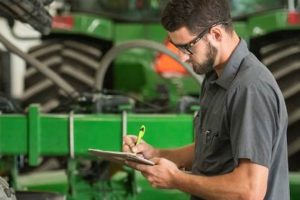
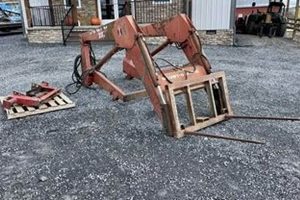
Contemporary agricultural tools and machinery represent a significant advancement from traditional methods. These technologically advanced implements are designed to enhance efficiency, precision, and productivity in farming operations. Examples include GPS-guided tractors, automated harvesters, and sophisticated irrigation systems, all aimed at optimizing crop yields while minimizing resource consumption.
The integration of advanced technologies into agricultural practices offers numerous benefits. Increased efficiency translates to reduced labor costs and faster harvesting times. Improved precision leads to optimized resource allocation, minimizing waste of water, fertilizers, and pesticides. Furthermore, modern tools contribute to sustainable farming practices by promoting soil health and reducing environmental impact. The historical shift from manual labor to mechanized agriculture has been a gradual but transformative process, fundamentally changing the scale and nature of food production.
The following sections will delve into specific areas where these innovations are most impactful, examining advancements in planting, harvesting, and data management for optimal farm operations. Further discussion will address the economic and environmental implications of widespread adoption of these technologies.
Optimizing Operations with Advanced Agricultural Tools
The effective implementation of advanced agricultural technologies is crucial for maximizing efficiency and profitability in modern farming. These tips outline key considerations for integrating and utilizing contemporary tools and machinery.
Tip 1: Conduct a Thorough Needs Assessment. Before investing, evaluate existing farm operations to identify areas where advanced implements can provide the greatest benefit. Consider factors such as crop type, field size, and labor availability.
Tip 2: Prioritize Precision Application. Utilize technologies that enable precise application of inputs such as fertilizers and pesticides. This minimizes waste, reduces environmental impact, and maximizes crop yields.
Tip 3: Invest in Data Management Systems. Implement systems for collecting and analyzing data related to crop health, soil conditions, and equipment performance. This data-driven approach facilitates informed decision-making and optimized resource allocation.
Tip 4: Provide Comprehensive Operator Training. Ensure that all personnel operating advanced implements receive thorough training on their proper use and maintenance. This maximizes equipment lifespan and minimizes the risk of operational errors.
Tip 5: Maintain Equipment Regularly. Adhere to a strict maintenance schedule to prevent breakdowns and ensure optimal equipment performance. Regular maintenance prolongs the lifespan of the equipment and reduces long-term costs.
Tip 6: Explore Automation Opportunities. Identify tasks that can be automated to reduce labor costs and improve efficiency. This may include automated irrigation systems, robotic harvesters, or unmanned aerial vehicles (UAVs) for crop monitoring.
Tip 7: Stay Informed About Technological Advancements. Continuously monitor developments in agricultural technology to identify new tools and techniques that can further improve farm operations. Attend industry conferences and consult with agricultural experts to stay abreast of the latest innovations.
Effective deployment of modern agricultural tools provides significant advantages, including increased productivity, reduced operational costs, and improved sustainability. Adhering to these tips enables farmers to fully realize the potential of advanced agricultural technologies.
The subsequent discussion will address the financial aspects of acquiring and maintaining advanced agricultural tools, as well as the long-term return on investment.
1. Increased Automation

Increased automation is a defining characteristic of contemporary agricultural machinery, representing a paradigm shift in farming practices. The integration of automated systems aims to optimize efficiency, reduce labor demands, and improve the overall precision of agricultural operations.
- Autonomous Tractors and Vehicles
Autonomous tractors, guided by GPS and sophisticated sensors, perform tasks such as plowing, planting, and harvesting without direct human intervention. These vehicles operate with precision, optimizing fuel consumption and minimizing soil compaction. Their implementation allows for continuous operation, even during nighttime hours, increasing overall productivity.
- Robotic Harvesting Systems
Robotic harvesting systems utilize advanced computer vision and robotic arms to identify and selectively harvest ripe crops. These systems minimize damage to produce, reducing waste and improving the quality of the harvested goods. Their ability to operate continuously addresses labor shortages during peak harvesting seasons.
- Automated Irrigation Management
Automated irrigation systems employ sensors to monitor soil moisture levels and environmental conditions, adjusting water application based on real-time data. This precise control minimizes water waste and ensures optimal hydration for crops, leading to improved yields and reduced environmental impact.
- Automated Feeding Systems in Livestock Management
Automated feeding systems precisely measure and distribute feed to livestock, ensuring optimal nutrition and reducing feed waste. These systems monitor animal health and adjust feeding schedules based on individual needs, contributing to improved animal welfare and increased productivity in livestock operations.
The advancements in these facets of automation directly contribute to the modernization of farm equipment. As technologies continue to evolve, the role of automation in agriculture will only expand, driving further improvements in efficiency, sustainability, and overall productivity in food production.
2. Precision Technology
Precision technology represents a fundamental component of contemporary agricultural machinery. It enables targeted application of resources, optimizing inputs based on real-time data collection and analysis. This integration directly influences the efficiency, sustainability, and profitability of modern farming operations. The cause-and-effect relationship is evident: implementing precision tools causes a reduction in waste and an increase in yield optimization. For example, variable-rate applicators, guided by GPS, adjust fertilizer distribution according to soil composition, preventing over-fertilization in some areas and under-fertilization in others. Similarly, precision planting systems ensure seeds are placed at optimal depths and intervals, maximizing germination rates. The absence of such technology results in generalized application, leading to inefficiencies and potential environmental harm.
Practical application of precision technology extends beyond resource allocation. Crop monitoring systems, utilizing remote sensing and drone imagery, provide detailed assessments of plant health and stress levels. Farmers can then respond proactively, addressing localized issues before they escalate. Furthermore, sophisticated irrigation systems, regulated by soil moisture sensors, minimize water consumption while maintaining optimal hydration levels for crops. Autonomous machinery, incorporating advanced sensors and algorithms, can perform tasks such as weeding and harvesting with exceptional accuracy, reducing reliance on manual labor and minimizing crop damage. The resulting improvements in resource management contribute significantly to sustainable agricultural practices and enhanced profitability.
In summary, the effective integration of precision technology into implements signifies a paradigm shift in agricultural methodology. The advantages derived from targeted resource application, data-driven decision-making, and reduced environmental impact are substantial. While initial investment in precision tools may present a challenge, the long-term benefits, including increased yields, optimized resource utilization, and enhanced sustainability, outweigh the costs. Further research and development in precision agriculture promise to refine existing technologies and unlock new possibilities for optimizing agricultural production.
3. Data-Driven Management
Data-driven management represents a pivotal aspect of modern agriculture, intricately linked to the functionality and effectiveness of contemporary farm equipment. The relationship between the two is synergistic; modern implements generate vast quantities of data, and data-driven management provides the framework for its analysis and application. This process fosters informed decision-making, leading to optimized resource allocation and improved operational efficiency. The implementation of data-driven strategies directly impacts farm productivity and sustainability by enabling precise control over key variables, such as irrigation, fertilization, and pest management. For instance, sensor-equipped tractors collect data on soil conditions, crop health, and environmental factors. This data informs variable-rate applications of fertilizers and pesticides, reducing waste and minimizing environmental impact. Without a robust data-driven management system, the potential benefits of sophisticated farm equipment remain largely untapped.
Practical application of data-driven management involves integrating various technologies, including GPS, remote sensing, and data analytics platforms. Farm management software aggregates data from multiple sources, providing a comprehensive overview of farm operations. This enables farmers to identify trends, predict potential problems, and adjust their strategies accordingly. Consider the example of a dairy farm utilizing sensor technology to monitor milk production and animal health. Deviations from established baselines trigger alerts, allowing for prompt intervention and preventing significant losses. Furthermore, data-driven insights can be used to optimize feeding strategies, improving milk quality and reducing feed costs. These instances demonstrate the tangible benefits of leveraging data to improve farm management practices and operational outcomes.
In conclusion, data-driven management is not merely a supplementary component of modern agriculture, but rather an integral element essential for maximizing the potential of contemporary farm equipment. While challenges exist, including the need for robust data infrastructure and skilled personnel, the long-term benefits of improved efficiency, reduced resource consumption, and enhanced sustainability make data-driven management an indispensable tool for the modern farmer. Continued investment in data analytics and the integration of smart technologies will further strengthen the connection between data-driven management and modern farm equipment, driving advancements in agricultural productivity and environmental stewardship.
4. Sustainable Practices

The implementation of sustainable practices in contemporary agriculture is inextricably linked to the adoption and utilization of modern farm equipment. These technologies offer the potential to significantly reduce environmental impact, conserve resources, and promote long-term ecological health while maintaining or increasing agricultural productivity.
- Reduced Tillage and Soil Conservation
Modern implements, such as no-till planters and direct drills, minimize soil disturbance, thereby reducing erosion, conserving soil moisture, and enhancing soil organic matter. This practice, enabled by advanced equipment design and precision planting technologies, contributes to long-term soil health and reduces the need for synthetic fertilizers. As an example, farms utilizing no-till methods experience decreased soil erosion rates and improved water infiltration compared to conventional tillage systems.
- Precision Application of Inputs
Modern equipment equipped with GPS guidance and variable-rate technology enables the precise application of fertilizers, pesticides, and herbicides. This targeted approach minimizes waste, reduces the risk of off-target drift, and protects water quality. Consider the use of drones for targeted spraying, which allows for the application of pesticides only where needed, minimizing overall chemical usage.
- Efficient Irrigation Systems
Modern irrigation systems, including drip irrigation and micro-sprinklers, deliver water directly to plant roots, minimizing water loss through evaporation and runoff. These systems, often coupled with soil moisture sensors and automated controls, optimize water use efficiency and reduce the demand on water resources. For instance, implementing drip irrigation in arid regions can significantly reduce water consumption while maintaining crop yields.
- Renewable Energy Integration
The integration of renewable energy sources, such as solar and wind power, into farm operations can reduce reliance on fossil fuels and lower greenhouse gas emissions. Modern farm equipment can be powered by electricity generated from renewable sources, contributing to a lower carbon footprint. Examples include electric tractors and grain dryers powered by solar panels, demonstrating the feasibility of integrating renewable energy into agricultural processes.
The integration of these sustainable practices, facilitated by contemporary farm equipment, represents a significant advancement in agricultural methodology. By embracing these technologies and strategies, agricultural producers can contribute to environmental stewardship, resource conservation, and the long-term viability of agricultural systems.
5. Enhanced Efficiency
Enhanced efficiency, within the context of contemporary agricultural practices, is directly correlated with the integration of modern farm equipment. This enhancement is not merely an incremental improvement but rather a fundamental shift in the scale and precision of agricultural operations.
- Optimized Resource Utilization
Modern implements facilitate the precise application of inputs such as fertilizers, pesticides, and water. Variable-rate technology, for instance, allows for the tailored distribution of resources based on real-time data, minimizing waste and maximizing crop yields. For example, GPS-guided sprayers apply pesticides only where needed, reducing overall chemical usage and associated costs.
- Reduced Labor Requirements
Automated systems, including robotic harvesters and autonomous tractors, decrease the dependence on manual labor. These technologies perform tasks more rapidly and consistently, particularly during peak seasons, addressing labor shortages and reducing operational costs. The implementation of robotic milking systems on dairy farms exemplifies this trend, allowing for continuous operation and improved animal welfare.
- Improved Crop Yields
Precision planting techniques and advanced monitoring systems contribute to enhanced crop yields. Sensors and imaging technologies provide detailed data on soil conditions, plant health, and environmental factors, enabling proactive management and timely intervention. Farmers utilizing precision irrigation systems, for example, report increased yields compared to traditional methods.
- Minimized Operational Downtime
Modern equipment incorporates advanced diagnostic tools and remote monitoring capabilities, facilitating proactive maintenance and minimizing downtime. Real-time data on equipment performance allows for the identification of potential issues before they escalate, preventing costly repairs and disruptions to operations. Remote diagnostics on tractors, for instance, allow technicians to identify and address problems remotely, reducing the need for on-site visits.
The combined effect of these facets illustrates how modern farm equipment contributes to a significant increase in overall operational efficiency. Further, these advancements enhance sustainability by reducing resource waste and minimizing environmental impact, thereby supporting the long-term viability of agricultural operations.
Frequently Asked Questions
This section addresses common inquiries regarding the acquisition, operation, and impact of contemporary agricultural implements.
Question 1: What defines equipment as ‘modern’ in the context of agriculture?
Modern farm equipment is characterized by the integration of advanced technologies such as GPS, sensors, automation, and data analytics to enhance efficiency, precision, and sustainability compared to traditional machinery.
Question 2: How does equipment improve resource management on farms?
Modern implements with variable-rate technology facilitate the precise application of fertilizers, pesticides, and water, minimizing waste and optimizing resource utilization based on real-time data collection and analysis.
Question 3: What role does technology play in reducing labor requirements?
Automated systems, including robotic harvesters and autonomous tractors, perform tasks more rapidly and consistently, particularly during peak seasons, thereby reducing the dependence on manual labor.
Question 4: How is data used to optimize operational performance?
Data-driven management systems aggregate data from various sources, providing a comprehensive overview of farm operations, enabling farmers to identify trends, predict potential problems, and adjust strategies for maximum impact.
Question 5: How does equipment promote sustainable agricultural practices?
Modern machinery, such as no-till planters and precision spraying systems, minimizes soil disturbance, conserves resources, and reduces the environmental impact of farming operations.
Question 6: What are the long-term economic benefits of investing in contemporary equipment?
While the initial investment may be significant, the long-term benefits include increased yields, reduced operational costs, improved resource utilization, and enhanced sustainability, which collectively contribute to improved profitability and long-term financial viability.
The integration of contemporary equipment necessitates a holistic approach to agricultural management, encompassing technological proficiency, data literacy, and a commitment to sustainable practices.
The subsequent section will provide a detailed overview of the financial considerations associated with acquiring and maintaining contemporary agricultural implements.
Modern Farm Equipment
The preceding exploration of modern farm equipment underscores its transformative impact on contemporary agricultural practices. Key points include enhanced efficiency, driven by automation and precision technology; improved resource management, enabled by data-driven systems; and a commitment to sustainable practices, facilitated by advanced machinery. The integration of these elements represents a fundamental shift in the scale and precision of agricultural operations.
The continued advancement and adoption of modern farm equipment are crucial for addressing the challenges of food security, resource scarcity, and environmental sustainability. Investment in these technologies, coupled with ongoing research and development, is essential for ensuring the long-term viability and resilience of agricultural systems globally. The future of food production hinges on the effective utilization of these tools to meet the growing demands of a global population.

![Best DH Farm Equipment: [Year] Guide + More! | The Conscious Farmer | Sustainable Agriculture for a Healthier Planet](https://livingedgefarm.com/wp-content/uploads/2025/08/th-1937-300x200.jpg "Best DH Farm Equipment: [Year] Guide + More! The Conscious Farmer | Sustainable Agriculture for a Healthier Planet")