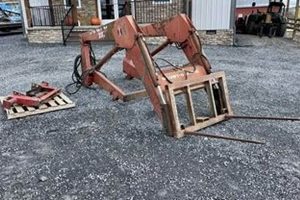
Specialized tools and machinery designed for efficient and effective management of caprine agricultural operations constitute a vital element of modern animal husbandry. These items encompass a range of implements, from feeding and watering systems to fencing and milking apparatus, tailored to the specific needs of raising goats. For example, elevated feeders minimize feed waste, while automatic waterers ensure a consistent supply of hydration.
The judicious application of appropriate tools yields significant improvements in farm productivity and animal welfare. Properly implemented systems can reduce labor costs, minimize the risk of disease, and enhance the overall health and well-being of the herd. Historically, goat farming relied on manual labor, but advancements in technology have introduced equipment solutions that optimize various aspects of the operation, leading to greater profitability and sustainability.
The subsequent sections will delve into specific categories of this equipment, exploring their features, benefits, and considerations for optimal implementation within a caprine agricultural setting. These categories include, but are not limited to, feeding and watering solutions, fencing options, milking technologies, and waste management systems, each playing a crucial role in the successful operation of a goat farm.
Practical Guidance on Utilizing Resources for Caprine Husbandry
Effective management necessitates careful selection and implementation of appropriate resources. The following recommendations are designed to optimize operational efficiency and animal well-being.
Tip 1: Prioritize Durable Fencing. Secure perimeter fencing is crucial for preventing escapes and protecting the herd from predators. Consider woven wire or electric fencing based on the terrain and predatory threats.
Tip 2: Implement Efficient Feeding Systems. Minimize feed waste and ensure equitable access to nutrition by using elevated feeders or trough systems. Regularly clean feeders to prevent contamination.
Tip 3: Invest in Reliable Watering Solutions. Provide a constant supply of fresh, clean water through automatic waterers or water troughs. Monitor water sources to prevent freezing in cold climates and algae growth in warm climates.
Tip 4: Optimize Milking Infrastructure. For dairy goat operations, invest in a milking parlor and appropriate milking machines. Proper sanitation protocols are essential to prevent mastitis and ensure milk quality.
Tip 5: Manage Waste Effectively. Implement a composting system or manure spreader to manage waste effectively. This not only improves hygiene but also creates valuable fertilizer.
Tip 6: Utilize Handling Equipment for Routine Care. Invest in goat-handling stands or chutes for routine procedures such as hoof trimming, vaccination, and medication administration. This minimizes stress on both the handler and the animals.
Tip 7: Ensure Adequate Shelter. Provide a clean, dry shelter to protect goats from inclement weather. The shelter should offer adequate ventilation and space for the herd to move freely.
Proper resource allocation and strategic deployment of these solutions enhance operational efficiency, improve animal health, and contribute to the overall sustainability of the caprine agricultural enterprise.
The concluding section will synthesize the key aspects of caprine resource management and offer a forward-looking perspective on future technological advancements.
1. Feeding Systems

Feeding systems represent a crucial component within the broader spectrum of goat farm solutions. Their effectiveness directly impacts herd health, growth rates, and, consequently, the overall profitability of a caprine agricultural operation. Inadequate or inefficient feeding methods can lead to nutritional deficiencies, increased susceptibility to disease, and economic losses due to reduced production. For instance, poorly designed feeders may result in excessive feed wastage, necessitating higher feed purchases and increasing operational costs. The selection and implementation of appropriate systems are, therefore, paramount.
A variety of feeding systems are available, each tailored to specific needs and operational scales. These range from simple trough designs to automated feeding systems that dispense precise feed rations at pre-determined intervals. Elevated feeders, for example, are frequently employed to minimize feed contamination from fecal matter and urine, thereby reducing the risk of disease transmission. Furthermore, the implementation of rotational grazing systems, in conjunction with supplemental feeding, can optimize pasture utilization and improve the nutritional intake of the herd. The practical application of these systems requires a thorough understanding of goat nutritional requirements, herd size, and available resources.
The connection between effective feeding solutions and overall goat farm success is undeniable. Addressing the challenges associated with feed delivery, minimizing waste, and ensuring equitable access to nutrients are fundamental to maintaining a healthy and productive herd. The integration of suitable components into the comprehensive framework of goat farm solutions represents a direct pathway to improved operational efficiency and long-term sustainability. As technological advancements continue, even more sophisticated and efficient methods are likely to emerge, further emphasizing the importance of ongoing evaluation and adaptation of these critical tools.
2. Watering Solutions

Adequate hydration directly influences goat health, productivity, and survivability. Therefore, watering solutions are integral. Insufficient or contaminated water sources compromise immune function, decrease milk production in dairy goats, and hinder growth in meat breeds. Automatic waterers, troughs, and nipple drinkers represent common solutions, each designed to provide a continuous supply of potable water. The selection depends on herd size, climate, and topography. For example, in colder climates, heated water troughs prevent freezing, ensuring access during winter months. Improperly managed water sources, conversely, can become breeding grounds for bacteria and parasites, necessitating frequent cleaning and disinfection.
Integrating water solutions into overall infrastructure design offers further advantages. Elevated water troughs, for instance, minimize contamination from fecal matter, reducing the risk of waterborne diseases such as coccidiosis. Routing water lines strategically minimizes labor requirements for refilling and maintenance. In larger operations, water filtration systems remove sediment and pathogens, improving water quality. Solar-powered pumps can provide off-grid solutions, reducing reliance on electricity and enhancing sustainability. Practical application entails considering seasonal variations, water source reliability, and the specific needs of the goat breeds being raised.
The connection between dependable water resources and the overall success of caprine agriculture is undeniable. Addressing watering challenges, implementing appropriate solutions, and routinely monitoring water quality are essential for maintaining a healthy herd. This integration contributes directly to improved productivity, reduced veterinary costs, and sustainable operation. As the frequency and intensity of droughts increase in many regions, innovative and resilient strategies for water management will become even more critical for the future of goat farming.
3. Fencing Options

Fencing options are an indispensable category within the broader domain of goat farm infrastructure. Effective containment directly impacts herd security, pasture management, and predator control, thus significantly influencing operational efficiency and profitability. Compromised fencing leads to escaped livestock, potential property damage, increased biosecurity risks, and heightened vulnerability to predation. Woven wire, electric fencing, and livestock panels represent prevalent choices, each offering varying levels of security and suitability based on farm size, terrain, and predator prevalence. For instance, densely wooded areas often necessitate more robust woven wire fences to deter entry by wild canids or felines. The selection of fencing is, therefore, a critical component of farm planning and management.
Practical application of fencing strategies extends beyond simple perimeter demarcation. Rotational grazing systems, for example, rely on strategically placed interior fencing to divide pastures into smaller paddocks. This allows for controlled grazing, prevents overgrazing, and promotes pasture regeneration, ultimately improving forage quality and carrying capacity. Furthermore, strategically placed fencing can create dedicated kidding areas, providing a safe and secure environment for newborn goats. The cost-effectiveness of various options must be balanced against their durability and maintenance requirements. Electric fencing, while initially less expensive, necessitates regular maintenance to ensure proper voltage and effectiveness. Woven wire, conversely, presents a higher initial investment but offers a longer lifespan with less frequent maintenance.
The inseparable link between effective fencing strategies and successful goat farming is undeniable. Proper fence selection, installation, and maintenance directly correlate with reduced livestock losses, improved pasture management, and enhanced overall farm security. As land values increase and predator populations fluctuate, informed decision-making regarding fencing options becomes increasingly crucial for the long-term viability and sustainability of caprine agricultural enterprises. The continued evolution of fencing technology and materials will likely offer even more effective and efficient solutions for addressing the unique challenges faced by goat farmers in diverse geographical regions.
4. Milking Technologies
Milking technologies constitute a specialized subset within goat farm solutions, directly impacting efficiency and profitability of dairy goat operations. This category encompasses a range of machinery and infrastructure designed to streamline milk extraction, storage, and processing. From portable milking units for smaller herds to automated milking parlors for larger operations, these technological advancements replace manual labor, reduce milking time, and improve milk quality. For instance, a well-designed milking parlor minimizes animal stress during milking, which subsequently optimizes milk letdown and increases overall yield. The selection of appropriate technologies is contingent on herd size, labor availability, and desired milk production levels. Without efficient milking technologies, dairy goat farmers face challenges in scaling their operations and meeting market demands.
Practical applications of milking technologies extend beyond basic milk extraction. Advanced systems incorporate features such as automatic cluster removal, which prevents over-milking and reduces the risk of mastitis. Milk cooling systems rapidly lower milk temperature, inhibiting bacterial growth and extending shelf life. Furthermore, some integrated systems provide real-time data on milk yield and quality, enabling farmers to identify potential health problems early and optimize feeding strategies. An example is a dairy goat farm utilizing a computerized milking system. The system tracks individual goat milk production, alerting the farmer to any sudden drops in yield that may indicate a health issue. This early detection allows for prompt treatment, minimizing production losses and maintaining animal welfare.
In summary, milking technologies represent a critical component of goat farm systems, directly influencing productivity, milk quality, and operational profitability within dairy goat enterprises. Challenges remain in balancing the initial investment costs with the long-term benefits, particularly for smaller-scale farms. However, ongoing advancements in milking technology promise to further improve efficiency and sustainability, thereby solidifying its importance within comprehensive goat farm infrastructure. The implementation of efficient technologies stands as a pathway to long-term financial sustainability in this agricultural sector.
5. Waste Management
Effective waste management is inextricably linked to the selection and utilization of specialized equipment on goat farms. Improper waste handling fosters unsanitary conditions, increases disease risk within the herd, contaminates water sources, and diminishes soil quality. The appropriate implements mitigate these adverse effects and contribute to sustainable agricultural practices. Composting systems, manure spreaders, and specialized bedding materials form integral parts of the waste management infrastructure. For instance, a well-designed composting system transforms manure and bedding into valuable fertilizer, reducing reliance on synthetic alternatives and improving soil fertility. This, in turn, enhances pasture growth and supports a more sustainable feed cycle. The absence of effective waste management solutions necessitates increased veterinary interventions, higher feed costs due to poor pasture quality, and potential regulatory penalties for environmental violations. Therefore, the proper allocation of resources towards waste management equipment is not merely an operational expense but an investment in long-term farm health and economic viability.
Practical application involves integrating waste management into overall farm design. Concrete pads or designated areas for manure storage prevent soil contamination and facilitate efficient collection. Manure spreaders distribute compost evenly across pastures, optimizing nutrient distribution and minimizing localized nutrient buildup. Furthermore, the utilization of absorbent bedding materials, such as wood shavings or straw, reduces ammonia emissions and improves air quality within goat housing. An example is a goat farm that uses a rotational composting system with windrow turners. Manure and soiled bedding are mixed and turned regularly, accelerating the decomposition process and reducing odors. The resulting compost is then used to fertilize pastures, increasing forage production and reducing the need for external inputs. Such a system demonstrates the tangible benefits of integrating efficient infrastructure into daily operations.
In summation, waste management is not a separate function but a critical component interwoven into the fabric of successful goat farming. The judicious selection and implementation of appropriate waste management equipment directly correlate with improved animal health, reduced environmental impact, and enhanced economic sustainability. The challenges associated with implementing effective waste management solutions, such as initial capital investment and ongoing maintenance costs, are outweighed by the long-term benefits. The continued development of innovative waste management technologies will further enhance the efficiency and sustainability of caprine agriculture, ensuring both environmental stewardship and economic prosperity.
6. Handling Structures

Handling structures represent a critical, often underestimated, component within the broader context of goat farm resources. These structures, encompassing items such as trimming stands, sorting pens, and vaccination chutes, directly influence the safety and efficiency of animal management practices. A lack of suitable facilities can lead to increased stress levels for both goats and handlers, resulting in injuries, reduced productivity, and compromised animal welfare. Effective implementation of these tools facilitates routine procedures such as hoof trimming, medication administration, and pregnancy checks, minimizing the physical demands on farm personnel and reducing the potential for animal injury. The incorporation of appropriate structures is thus an investment in both animal well-being and operational efficacy.
The practical significance of optimized structures extends beyond individual animal handling. Efficient sorting pens, for example, enable the rapid separation of goats based on age, sex, or health status, streamlining feeding, breeding, and veterinary care protocols. A well-designed trimming stand allows for precise and controlled hoof maintenance, preventing lameness and improving mobility, particularly in larger herds. Furthermore, dedicated vaccination chutes facilitate the administration of preventative medications, reducing the risk of disease outbreaks and minimizing economic losses. Consider a goat farm implementing a custom-designed handling system that includes a hydraulic trimming table and a series of interconnected sorting pens. This system reduces the time required for routine animal management tasks by over 50%, freeing up personnel to focus on other critical aspects of farm operations, such as pasture management and marketing.
In summary, handling structures are an essential aspect of goat farm resources, directly contributing to improved animal welfare, increased operational efficiency, and reduced labor costs. The challenges associated with implementing optimized systems, such as initial capital investment and space constraints, are outweighed by the long-term benefits. As farms grow in size and complexity, the integration of appropriate handling infrastructure becomes increasingly critical for maintaining a sustainable and profitable operation. Ignoring the importance of these structures can have significant negative consequences for both the health and productivity of the goat herd.
Frequently Asked Questions
This section addresses common inquiries regarding items used within caprine agricultural operations. Clarification of these points aids in informed decision-making and optimized resource allocation.
Question 1: What constitutes “goat farm equipment”?
The term encompasses a broad spectrum of tools, machinery, and infrastructure designed to facilitate efficient and effective management of goat herds. This includes, but is not limited to, feeding systems, watering solutions, fencing options, milking technologies, waste management systems, and handling structures.
Question 2: Why is selection so important?
Appropriate selection impacts productivity, animal welfare, and profitability. Ill-suited or poorly maintained items compromise operational efficiency and increase the risk of disease, injury, and economic losses.
Question 3: How does fencing play a role?
Fencing provides containment, deterring escapes and protecting goats from predators. Woven wire and electric options represent prevalent choices, each offering varying levels of security and requiring consideration of terrain and predatory threats.
Question 4: What are the key considerations for watering?
Adequate hydration is paramount. Automatic waterers and troughs represent common solutions. Important considerations include herd size, climate, water source reliability, and the prevention of contamination and freezing.
Question 5: How is waste management equipment defined?
The implements facilitate responsible disposal of manure and bedding, minimizing environmental impact and promoting sanitation. Composting systems and manure spreaders exemplify this category. Proper waste handling reduces disease risk and generates valuable fertilizer.
Question 6: What handling structures are used for?
Handling structures, such as trimming stands and sorting pens, enhance animal safety and streamline routine management tasks. These structures minimize stress, reduce injuries, and improve the efficiency of procedures like hoof trimming and vaccination.
Selection and utilization of items is crucial to modern caprine agricultural operations. Thoughtful planning and informed decision-making contribute to long-term sustainability.
The subsequent section explores future trends and emerging technologies within this specialized field.
Goat Farm Equipment
This exploration has examined the multifaceted role of caprine agricultural resources in modern farming practices. From fencing solutions that ensure herd security to handling structures that facilitate safe animal management, the correct tools are fundamental. Efficient waste management strategies, precision feeding systems, and effective milking technologies contribute to operational success. Each aspect, carefully selected and diligently maintained, contributes to a robust and profitable agricultural model.
The ongoing advancement of agricultural technology promises further refinements in this area. Continued research and responsible implementation are essential to optimizing productivity, ensuring animal welfare, and safeguarding the long-term sustainability of goat farming. Future success in this sector hinges on a commitment to informed decision-making and continuous improvement.

![Best DH Farm Equipment: [Year] Guide + More! | The Conscious Farmer | Sustainable Agriculture for a Healthier Planet](https://livingedgefarm.com/wp-content/uploads/2025/08/th-1937-300x200.jpg "Best DH Farm Equipment: [Year] Guide + More! The Conscious Farmer | Sustainable Agriculture for a Healthier Planet")