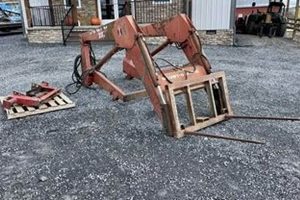
The monetary worth assigned to agricultural machinery and implements that are no longer new constitutes a critical aspect of the agricultural economy. This valuation reflects factors such as age, condition, hours of operation, technological obsolescence, and market demand. For example, a combine harvester manufactured in 2015 with moderate usage hours and well-maintained components will possess a different financial assessment than a similarly aged machine with extensive operational history and neglected upkeep.
Accurate assessments of these assets are essential for several reasons. They facilitate informed purchasing and selling decisions by farmers and dealers. They provide a basis for securing loans and insurance, and they play a role in estate planning and tax reporting. Historically, such estimations relied heavily on subjective assessments; however, contemporary methodologies increasingly incorporate data-driven approaches, leveraging auction results, dealer inventories, and online marketplaces to achieve more precise and reliable figures.
The subsequent analysis will delve into the key determinants of agricultural machinery worth, explore methods for achieving accurate evaluations, and consider the impact of market trends on establishing suitable prices within the sector. This will provide a comprehensive overview of the elements that influence the financial standing of these essential assets.
The following points offer practical advice for accurately determining the financial standing of pre-owned agricultural assets, essential for both buyers and sellers within the industry.
Tip 1: Comprehensive Condition Assessment: A thorough inspection of the machinery is paramount. Evaluate the engine, transmission, hydraulics, and other critical components. Note any existing damage or areas requiring immediate repair. For instance, excessive engine smoke or unusual transmission noise are indicative of potential problems and impact the overall worth.
Tip 2: Accurate Hour Meter Verification: The number of operational hours directly correlates to wear and tear. Verify the hour meter’s accuracy; inconsistencies may suggest tampering. Reviewing maintenance records can corroborate usage data and provide insight into the machine’s operational history.
Tip 3: Maintenance Record Scrutiny: Detailed maintenance records offer invaluable insights into the machine’s upkeep. Consistent adherence to scheduled maintenance intervals and documented repairs increase its assessed worth. A lack of maintenance records raises concerns regarding potential neglect and diminishes the overall evaluation.
Tip 4: Market Research and Comparative Analysis: Research current market conditions for similar equipment models. Consult online auction results, dealer listings, and industry publications to establish a baseline. Comparing specifications, condition, and asking prices of comparable machines provides a realistic benchmark.
Tip 5: Component and Feature Evaluation: Assess the functional status and value of additional components and features. GPS systems, advanced monitoring technology, or specialized attachments enhance the machine’s capabilities and influence its monetary assessment. Defective or outdated features may decrease the overall price.
Tip 6: Professional Appraisal Consideration: For high-value or complex machinery, consider obtaining a professional appraisal from a certified agricultural equipment appraiser. An independent appraisal provides an objective, data-driven assessment that reduces the potential for disputes during transactions.
Tip 7: Consider Geographical Factors: Regional demand and local market conditions impact valuations. Equipment that is highly sought after in a specific agricultural region may command a premium price compared to areas with lower demand. Freight costs and transportation logistics should also be factored into the overall expense.
Applying these strategies promotes transparency and informed decision-making, leading to equitable exchanges and optimized financial outcomes for all stakeholders in the agricultural equipment market.
The following sections will delve into case studies and practical applications to further illustrate the principles outlined above.
1. Condition

The condition of used agricultural machinery is a primary determinant of its monetary value. A machine’s physical state directly impacts its operational efficiency, reliability, and lifespan, influencing potential buyers’ willingness to invest. Evaluating condition necessitates a meticulous assessment of various components and indicators.
- Engine Performance and Integrity
The engine serves as the core of most farm equipment. Its condition is evaluated through visual inspection, listening for unusual noises, and assessing exhaust emissions. Excessive smoke, knocking sounds, or fluid leaks suggest internal wear or damage, substantially diminishing worth. Documented maintenance records detailing oil changes, filter replacements, and repairs substantiate claims of proper care and bolster confidence in its condition.
- Hydraulic System Functionality
Hydraulic systems power essential functions such as lifting, steering, and operating attachments. Assessment involves checking for leaks, evaluating the responsiveness of hydraulic cylinders, and inspecting hoses and connections for wear or damage. Malfunctioning or inefficient hydraulics reduce the machine’s operational effectiveness and contributes to a lower valuation.
- Structural Integrity and Body Condition
The structural framework and body panels of farm equipment withstand significant stress during operation. Inspections focus on identifying rust, corrosion, cracks, or weld repairs. Extensive rust or structural damage compromises the machine’s stability and longevity, impacting its worth. Well-maintained body panels and a clean appearance reflect a higher standard of care and contribute to an increased assessment.
- Tire and Undercarriage Status
Tires and undercarriage components, such as tracks or axles, bear the weight of the machine and endure constant contact with the terrain. Tire tread depth, sidewall condition, and presence of cuts or punctures are critical indicators. Worn tires or damaged undercarriage components necessitate replacement or repair, adding to the overall expense and reducing the equipment’s value. Uniform wear patterns suggest proper alignment and maintenance practices, positively influencing valuation.
These facets of condition intertwine to create an overall assessment of a machine’s worth. Neglecting one aspect can have cascading effects on other components, further influencing the final valuation. For instance, a poorly maintained engine can strain hydraulic systems, accelerating wear and tear. Therefore, a comprehensive assessment of condition is indispensable for accurately estimating the worth of used agricultural machinery and ensuring fair transactions.
2. Hour Usage

Hour usage is a critical factor in determining the value of pre-owned agricultural machinery. It serves as a quantifiable metric reflecting the extent of a machine’s operational life, influencing the degree of wear and tear on its components. Higher operational hours typically correlate with increased maintenance requirements and a diminished lifespan, directly affecting market worth.
- Engine Wear and Lifespan
The number of hours an engine has operated directly impacts its internal components. Extended usage contributes to wear on pistons, bearings, and other critical parts. Machines with high hour counts are more likely to require major engine overhauls or replacements, reducing their assessed worth. Conversely, lower hour machines generally exhibit less engine wear, translating to higher valuations. For example, a tractor with 5,000 hours is typically worth more than an identical model with 10,000 hours, assuming consistent maintenance.
- Transmission and Drivetrain Fatigue
The transmission and drivetrain undergo stress with each operational hour. High hour counts signify increased exposure to mechanical stress, potentially leading to gear wear, clutch slippage, or differential issues. These problems necessitate costly repairs, impacting the machine’s market worth. Well-maintained transmissions with documented service histories mitigate some negative effects of high hours, but the correlation between hours and wear remains significant.
- Hydraulic System Degradation
Hydraulic systems, vital for various agricultural tasks, are subject to degradation with continued operation. Extended hour usage results in increased wear on pumps, valves, and cylinders, potentially causing leaks, reduced pressure, or system failures. Machines with high hour counts often require hydraulic system repairs, negatively affecting their valuation. Regular hydraulic fluid changes and preventative maintenance help extend the system’s lifespan, but the impact of accumulated hours remains substantial.
- Component Reliability and Downtime Risk
The overall reliability of agricultural machinery decreases with increased hour usage. High hour machines are statistically more prone to breakdowns and require more frequent repairs, leading to increased downtime and potential loss of productivity. This inherent risk associated with high hour equipment contributes to a reduction in its market worth. Buyers often factor in the potential for future repairs when evaluating high hour machines, further influencing the valuation process.
In summary, hour usage serves as a readily available indicator of wear and tear on agricultural machinery. Its direct influence on component lifespan, system functionality, and overall reliability makes it a crucial determinant of fair market worth. Accurately assessing and factoring in hour usage is essential for both buyers and sellers in the used agricultural equipment market.
3. Maintenance Records

The presence and quality of maintenance records exert a significant influence on the valuation of pre-owned agricultural equipment. These records, documenting the history of inspections, repairs, and preventative measures, serve as tangible evidence of the care and attention a machine has received. Consistent and thorough maintenance, substantiated by verifiable records, generally results in higher valuations, while a lack thereof often diminishes worth. This correlation stems from the direct impact of maintenance practices on the operational condition and anticipated longevity of the equipment.
For example, a tractor with detailed records indicating regular oil changes, filter replacements, and timely repairs of hydraulic components inspires greater confidence in potential buyers. Such documentation suggests a reduced risk of mechanical failures and potentially extends the machine’s lifespan, justifying a higher asking price. Conversely, a combine harvester lacking maintenance records raises concerns about potential neglect and hidden issues. The absence of documented oil analysis, indicating the internal condition of the engine, or records of transmission servicing, for instance, increases the perceived risk and correspondingly decreases its valuation. The market often discounts assets with undocumented histories due to the uncertainty surrounding their true condition and potential for costly future repairs.
In summary, maintenance records serve as a critical informational asset in the used agricultural equipment market. They provide objective evidence of a machine’s care, impacting buyer confidence and influencing valuation. The existence of comprehensive and readily available records enhances a machine’s desirability and potential market worth, while the absence of such documentation typically results in a diminished assessment, highlighting the practical significance of meticulous record-keeping in agricultural asset management.
4. Market Demand

Market demand exerts a significant force on the worth of pre-owned agricultural machinery. The equilibrium between supply and demand dictates the price point at which equipment changes hands, influenced by a variety of factors impacting both the desire and ability of potential buyers to acquire used assets.
- Commodity Prices and Farm Income
Prevailing commodity prices directly influence farmer profitability. Elevated prices for crops such as corn, soybeans, or wheat generally translate to increased farm income, providing farmers with greater financial capacity to invest in both new and used equipment. Conversely, depressed commodity prices can lead to reduced income, limiting investment and dampening demand, subsequently decreasing values.
- Technological Advancements and Obsolescence
The rapid pace of technological innovation in agricultural machinery affects demand for older models. As manufacturers introduce equipment with enhanced efficiency, precision, or automation, the desirability of older, less technologically advanced machines may decline. This can lead to a surplus of used equipment on the market, exerting downward pressure on prices, particularly for models lacking modern features.
- Geographic and Regional Factors
Regional agricultural practices and environmental conditions affect equipment preferences and demand. Certain types of machinery may be more suited to specific farming practices or soil conditions, creating localized pockets of higher demand. Weather-related events, such as droughts or floods, can also impact demand by influencing crop yields and farmer profitability within specific regions. Equipment suitable for affected regions may see a surge in demand and prices.
- Government Policies and Incentives
Government policies, such as tax incentives or subsidy programs, can influence investment in agricultural equipment. Tax credits for purchasing energy-efficient machinery or subsidies for adopting precision farming technologies can stimulate demand for specific types of equipment, potentially impacting the value of comparable used models. Changes in environmental regulations or trade policies may also affect demand by altering the operational requirements or economic viability of certain farming practices.
The multifaceted influence of market demand on the worth of used agricultural equipment requires careful consideration by both buyers and sellers. Understanding the interplay of commodity prices, technological advancements, regional factors, and government policies enables informed decision-making and facilitates fair and equitable transactions within the agricultural equipment market.
5. Technological Obsoletion
Technological obsolescence significantly impacts the valuation of used farm equipment. As manufacturers introduce newer models boasting advanced features, increased efficiency, or improved precision, the market demand for older, less sophisticated machinery diminishes. This decline in demand directly translates to reduced prices for used equipment, reflecting the comparative disadvantage relative to newer alternatives. The rate of technological advancement within the agricultural sector necessitates a continuous reassessment of equipment worth, accounting for the diminished utility and functionality of older models in a modern farming context. Examples include the introduction of GPS-guided autosteering, variable-rate application technology, and telematics systems. Equipment lacking these features experiences accelerated depreciation as farmers increasingly prioritize these capabilities to enhance productivity and optimize resource utilization.
Consider the case of a ten-year-old combine harvester lacking advanced yield monitoring or GPS mapping capabilities. While mechanically sound, its inability to provide real-time data on crop yields or integrate with precision farming systems limits its appeal to farmers seeking data-driven decision-making. Consequently, its market worth will be considerably lower than a newer model equipped with these technologies, even if the older machine possesses similar operational hours and maintenance history. The diminishing demand for outdated technology necessitates accurate valuation assessments to reflect the comparative disadvantage and ensure realistic pricing strategies.
In conclusion, understanding the dynamics of technological obsolescence is crucial for accurate assessment within the used farm equipment market. The rapid pace of innovation necessitates a continuous evaluation of the relative worth of older machinery, accounting for the diminished utility and market demand stemming from technological advancements. Accurately factoring in obsolescence into the valuation process ensures fair transactions and promotes informed decision-making for both buyers and sellers within the agricultural sector.
6. Age
The chronological age of agricultural equipment is a fundamental factor influencing its valuation within the used market. As equipment ages, its expected remaining lifespan diminishes, its susceptibility to mechanical failures increases, and its compatibility with modern agricultural practices may decline. This combination of factors contributes to a depreciation in value, reflecting the inherent risks and limitations associated with older machinery. For instance, a tractor manufactured in the 1990s, regardless of its initial quality or maintenance history, will typically command a lower price than a 2015 model due to the accumulated wear and tear, the potential for obsolescence, and the limited availability of replacement parts.
The effects of age are compounded by the operating environment and maintenance practices. Equipment consistently exposed to harsh weather conditions or subjected to heavy use may experience accelerated deterioration, further reducing its value compared to similar-aged machinery operating in more favorable circumstances. Conversely, meticulous maintenance and careful storage can mitigate some of the negative effects of age, preserving functionality and potentially commanding a higher price within the used market. The interplay between age, operational history, and maintenance records creates a complex valuation scenario, necessitating a comprehensive assessment to determine fair market worth.
Understanding the connection between age and equipment worth is crucial for effective asset management within the agricultural sector. Farmers and equipment dealers must account for the depreciation associated with age when making purchasing, selling, or trade-in decisions. Accurately assessing the remaining useful life and potential maintenance costs associated with older equipment enables informed financial planning and facilitates sustainable agricultural practices. While age serves as a readily available indicator of value, a holistic evaluation considering condition, usage, and maintenance history provides a more reliable basis for establishing fair and equitable prices within the used equipment market.
7. Location
Geographic location significantly influences the financial worth of agricultural machinery. Regional factors, encompassing climate, terrain, and prevailing agricultural practices, create localized supply and demand dynamics that shape equipment values.
- Regional Agricultural Specialization
Areas specializing in specific crops or livestock necessitate particular types of equipment. For instance, the demand for cotton pickers will be concentrated in cotton-producing regions. This localized demand increases the market worth of specialized machinery in these areas, while similar equipment in regions with different agricultural focuses may experience diminished demand and, consequently, lower valuations. Equipment designed for specific crops will command higher prices in regions specializing in such crops.
- Climate and Environmental Conditions
Environmental conditions impact equipment suitability and durability. In regions with harsh climates, such as those characterized by extreme temperatures, high humidity, or corrosive soil, equipment values may be affected by the accelerated wear and tear associated with these conditions. Equipment designed to withstand these conditions or machinery that has been meticulously maintained despite them may command a premium. Salty air near coastal areas can accelerate corrosion and wear on equipment. Protective measures and proper maintenance can influence the equipment’s valuation.
- Local Economic Conditions and Farm Size
The economic health of a region and the prevailing farm size influence the demand for different classes of equipment. Regions with large-scale commercial farms may exhibit a higher demand for large, high-capacity machinery, while areas with smaller, family-owned farms may favor smaller, more versatile equipment. Economic downturns or variations in farm income can also affect equipment demand and values, impacting trading.
- Transportation Costs and Accessibility
The cost of transporting equipment and the accessibility of a region impact equipment worth. Remote areas with limited infrastructure or high transportation costs may experience lower equipment values due to the increased expense of moving machinery in or out of the region. Areas with well-developed transportation networks and lower logistical costs may exhibit higher values, especially if the equipment is in high demand elsewhere. Transportation costs influence valuation based on the ease of movement.
Location-specific variables impact the financial landscape for machinery. Therefore, these elements must be accounted for within each individual transaction to arrive at a fair market price point. By considering regional specializations, climate effects, economic dynamics, and transportation considerations, buyers and sellers can more accurately determine the value.
Frequently Asked Questions
This section addresses common queries concerning factors influencing the monetary worth of pre-owned agricultural machinery. The information provided aims to offer clarity and guidance for both buyers and sellers involved in transactions.
Question 1: What are the primary factors determining the worth of used farm equipment?
The main factors include: equipment’s condition (mechanical and cosmetic), total operational hours, maintenance records, market demand for the specific model, technological features, age, and geographic location.
Question 2: How can maintenance records impact the valuation of used machinery?
Detailed maintenance records substantiate claims of proper care, indicating consistent adherence to service intervals and timely repairs. Comprehensive maintenance records generally increase the asset’s worth by instilling confidence in potential buyers.
Question 3: How does geographic location affect farm equipment worth?
Regional agricultural practices and environmental conditions influence equipment demand and durability. For example, machinery suited to specific crops or regions with harsh climates may command higher prices in those areas.
Question 4: Does technological obsolescence significantly devalue used farm equipment?
The rate of technological innovation affects worth. As newer models with enhanced features are introduced, the demand for older, less advanced machinery declines, impacting prices.
Question 5: How are operational hours weighed against equipment age in valuation?
While age is a factor, operational hours indicate the extent of usage and wear. A newer machine with high operational hours may be worth less than an older machine with low hours, contingent on condition and maintenance.
Question 6: Is a professional appraisal necessary when determining used farm equipment values?
A professional appraisal provides an objective assessment, reduces the potential for disputes, and offers a data-driven valuation, particularly beneficial for high-value or specialized machinery.
The presented information offers a comprehensive overview of key considerations concerning agricultural machinery valuation. Accurate assessment promotes transparency and informed decision-making.
The subsequent analysis will delve into case studies and practical applications to further illustrate the principles outlined above.
Conclusion
The preceding analysis has explored the multifaceted elements that determine used farm equipment values. Condition, operational hours, maintenance history, market forces, technological advancements, age, and geographic location all contribute to the intricate valuation process. A thorough understanding of these interacting factors is paramount for equitable transactions and informed decision-making within the agricultural sector.
Accurate assessment of used farm equipment values remains a critical component of sustainable farm management and efficient resource allocation. As technological advancements continue to reshape the agricultural landscape, diligent attention to these valuation principles will be essential for navigating the complexities of the market and ensuring the long-term economic viability of agricultural operations.

![Best DH Farm Equipment: [Year] Guide + More! | The Conscious Farmer | Sustainable Agriculture for a Healthier Planet](https://livingedgefarm.com/wp-content/uploads/2025/08/th-1937-300x200.jpg "Best DH Farm Equipment: [Year] Guide + More! The Conscious Farmer | Sustainable Agriculture for a Healthier Planet")