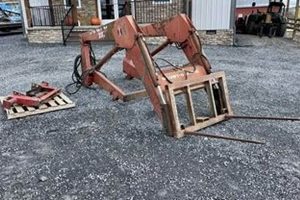
The online marketplace sector features platforms dedicated to the sale of agricultural machinery. These platforms facilitate the exchange of tractors, combines, planters, and other implements essential for modern farming operations. For instance, a farmer seeking to upgrade their harvesting capabilities might utilize such a platform to acquire a used combine from a seller in a different geographic region.
The accessibility afforded by these digital spaces allows for a wider range of buyers and sellers to connect, potentially resulting in competitive pricing and increased efficiency in the redistribution of farm assets. This model can provide opportunities for farmers to acquire equipment at reduced costs, upgrade their existing machinery, or liquidate surplus assets. Historically, these transactions were largely confined to local auctions or direct sales, limiting the scope of potential participants.
The following analysis will delve into specific aspects of the operation of these marketplaces, including the types of equipment typically offered, the bidding and purchasing processes, and the factors that influence pricing and availability.
Bidding Strategies for Agricultural Machinery
Acquiring farm equipment through online auctions requires a strategic approach. Understanding market dynamics and implementing effective bidding tactics are crucial for maximizing value and minimizing risk.
Tip 1: Conduct Thorough Due Diligence: Prior to placing a bid, meticulously review the equipment’s description and images. Request additional information or inspections when possible. Verify the accuracy of claimed specifications and operating hours.
Tip 2: Establish a Maximum Bid: Determine a realistic upper limit based on the equipment’s condition, market value, and operational needs. Adhering to this limit prevents overspending in the heat of the auction.
Tip 3: Research Comparable Sales: Analyze recent sales of similar equipment to gauge fair market value. This provides a benchmark for assessing the competitiveness of bids.
Tip 4: Understand Auction Terms and Conditions: Familiarize yourself with all applicable fees, payment deadlines, and shipping arrangements. Non-compliance can result in penalties or lost opportunities.
Tip 5: Monitor the Auction Closely: Track the bidding activity in real-time, particularly in the final minutes. Be prepared to adjust your bid strategically, but avoid impulsive decisions.
Tip 6: Factor in Transportation Costs: Include the expense of transporting the equipment to its intended location when calculating your maximum bid. Distance and method of transport can significantly impact the final cost.
Tip 7: Account for Potential Repairs: Recognize that used equipment may require maintenance or repairs. Incorporate these anticipated costs into your overall budget.
Employing these strategies can enhance the likelihood of successfully acquiring necessary farm equipment at a competitive price, thereby optimizing operational efficiency.
The subsequent section will explore financing options available for acquiring agricultural machinery through online auctions.
1. Equipment Variety

The breadth of agricultural equipment available significantly affects the utility of online auction platforms. A wide selection, encompassing tractors, combines, tillage implements, planting equipment, and specialized machinery, directly increases the likelihood that potential buyers will find assets meeting specific operational needs. Limited inventory constrains choices and reduces the platform’s attractiveness. For example, a livestock farmer seeking specialized haying equipment benefits from a platform offering diverse balers, mowers, and rakes from multiple manufacturers. This variety fosters competitive bidding and potentially more favorable pricing.
The importance of equipment variety extends beyond simply satisfying immediate purchasing needs. It also influences long-term strategic planning for agricultural operations. A comprehensive marketplace allows farmers to explore different equipment models and technologies, facilitating informed decisions regarding upgrades and expansions. Platforms showcasing a diverse range of equipment also enable benchmarking of pricing and performance, assisting farmers in accurately valuing their existing assets and projecting future capital expenditures. The ability to compare multiple options side-by-side, including detailed specifications and operating histories when available, is essential for making optimal investment choices.
In summary, equipment variety is a critical component in the efficacy of farm equipment auction platforms. The availability of diverse machinery options empowers buyers to identify suitable assets, promotes competitive pricing, and enables informed strategic planning. Platforms lacking sufficient equipment diversity risk failing to meet the needs of a broad user base, ultimately hindering their viability in the agricultural marketplace.
2. Auction Duration

Auction duration, the timeframe within which bidding is open for a specific piece of agricultural equipment, significantly impacts the dynamics of online marketplaces for farm machinery. The length of an auction can influence bidding behavior, final prices, and overall market efficiency.
- Bidding Participation
Longer auction durations, extending several days or weeks, generally allow for greater bidder participation. Potential buyers have more time to conduct due diligence, secure financing, and coordinate inspections. Conversely, shorter auctions, lasting a few hours or a single day, may limit participation, particularly for individuals with scheduling constraints or those located in different time zones. Reduced participation can affect the final price realized for the equipment.
- Price Discovery
The duration of an auction contributes to the process of price discovery. Longer auctions allow for more comprehensive market evaluation of the equipment, enabling bidders to assess its value relative to comparable assets. Increased bidding activity over a prolonged period may drive the price closer to the equipment’s perceived fair market value. Shorter auctions, however, may result in less accurate price discovery due to limited bidder interaction and potential for impulsive bidding.
- Strategic Bidding
Auction duration influences bidding strategies employed by participants. In longer auctions, bidders may adopt a “wait-and-see” approach, monitoring activity and placing bids strategically near the close. Shorter auctions often require more aggressive bidding tactics to secure the equipment. The choice of strategy can impact the final price and the bidder’s likelihood of success.
- Administrative Burden
The duration of an auction impacts the administrative workload for both the seller and the auction platform. Longer auctions require ongoing monitoring, communication with potential bidders, and extended periods of uncertainty regarding the sale’s outcome. Shorter auctions, while potentially limiting participation, reduce the administrative burden and expedite the transaction process.
In summation, auction duration is a critical parameter governing the functionality of online agricultural machinery marketplaces. A balanced approach to auction length, considering the trade-offs between bidder participation, price discovery, strategic bidding, and administrative burden, is essential for maximizing efficiency and ensuring equitable outcomes for both buyers and sellers of equipment.
3. Bidding Process

The bidding process, a cornerstone of online agricultural equipment marketplaces, dictates how potential buyers interact with available inventory and ultimately acquire machinery. A transparent, efficient, and well-structured bidding system is critical for ensuring fair market value and fostering confidence among participants. This process significantly influences the success of equipment transactions.
- Bidding Increments
Bidding increments establish the minimum amount by which a bid must exceed the current leading offer. These increments are typically pre-determined and vary based on the equipment’s value. Appropriate increment sizes prevent artificially inflating prices through excessively small bids while also facilitating efficient price discovery. Ill-defined or inconsistent increments can lead to confusion and hinder competitive bidding, potentially disadvantaging both buyers and sellers.
- Proxy Bidding
Proxy bidding (or automatic bidding) allows buyers to set a maximum bid, which the system incrementally increases on their behalf as other bids are placed, up to the pre-determined limit. This feature enables buyers to participate in auctions without constant monitoring. A well-implemented proxy bidding system should clearly display the current leading bid and the next required increment, ensuring transparency and preventing unexpected bid escalations. Ambiguous proxy bidding systems can erode trust and discourage participation.
- Auction Close Extensions
Auction close extensions (or “anti-sniping” features) automatically extend the auction’s duration if a bid is placed within a certain timeframe before the scheduled closing. This prevents last-second bids from dominating the auction and provides all participants a fair opportunity to respond. The logic behind close extensions must be clearly defined and communicated to prevent frustration and perceptions of unfairness. Failure to implement such extensions can lead to suppressed prices and dissatisfied sellers.
- Bid Retraction Policies
Established policies regarding bid retraction are essential for maintaining the integrity of the bidding process. Clear guidelines outlining acceptable reasons for retraction (e.g., demonstrable errors in bid entry) and the consequences for unwarranted retractions (e.g., account suspension) deter frivolous bidding and prevent manipulation. The absence of a defined retraction policy can create ambiguity and undermine confidence in the fairness of the auction.
Collectively, these facets of the bidding process shape the dynamics of online agricultural equipment marketplaces. A well-designed and clearly communicated bidding system is essential for establishing trust, promoting competitive pricing, and ensuring equitable outcomes for all participants. Conversely, a flawed or opaque bidding process can deter participation and undermine the platform’s credibility.
4. Inspection Availability

Inspection availability is a critical factor influencing the perceived value and ultimate sale price of agricultural equipment offered through online auction platforms. The opportunity to thoroughly assess the condition of machinery prior to bidding mitigates risk for potential buyers and fosters greater confidence in the transaction.
- On-Site Inspections
The ability to conduct an in-person inspection of equipment represents the gold standard in due diligence. This allows prospective buyers to visually assess the condition of the machinery, operate it (where possible), and verify the accuracy of descriptions provided by the seller. On-site inspections are particularly vital for complex or high-value equipment, where subtle mechanical issues can have significant financial implications. Restricted access to on-site inspections often correlates with reduced bidding activity and lower final sale prices.
- Third-Party Inspections
When on-site inspections are impractical due to distance or logistical constraints, engaging a qualified third-party inspector provides an alternative means of evaluating equipment condition. Independent inspectors can conduct comprehensive assessments, providing detailed reports and photographic documentation. The credibility of the inspection hinges on the inspector’s expertise and impartiality. Reputable auction platforms often maintain lists of approved inspectors to facilitate this process.
- Photographic and Video Documentation
Even in the absence of physical or third-party inspections, detailed photographic and video documentation is essential. High-resolution images and videos capturing all aspects of the equipment, including close-ups of critical components, provide valuable information to potential buyers. Comprehensive visual documentation helps to mitigate concerns about undisclosed damage or wear. Insufficient or low-quality documentation can deter bidding and reduce the overall attractiveness of the equipment.
- Operational History and Maintenance Records
While not a direct form of inspection, access to operational history and maintenance records provides valuable insight into the equipment’s condition and reliability. Detailed records indicating regular maintenance, repairs, and any significant operational issues can significantly increase buyer confidence. Conversely, the absence of such records often raises concerns and necessitates more cautious bidding strategies.
The availability and quality of inspection opportunities directly correlate with the perceived risk associated with purchasing agricultural equipment through online auctions. Platforms facilitating comprehensive inspections and providing access to relevant documentation foster greater trust and transparency, ultimately resulting in more efficient and equitable transactions. Conversely, limited inspection options often lead to suppressed prices and reduced participation, hindering the platform’s overall effectiveness.
5. Payment Terms
Payment terms represent a critical element in the successful completion of agricultural equipment transactions facilitated through online auction platforms. The clarity, flexibility, and security of payment arrangements directly influence buyer confidence and the overall efficiency of the marketplace.
- Accepted Payment Methods
The range of accepted payment methods impacts buyer accessibility and convenience. Platforms accepting a diverse array of options, including wire transfers, certified checks, and potentially escrow services, broaden the pool of potential bidders. Conversely, limited payment options may exclude certain buyers due to logistical constraints or security concerns. For instance, a buyer in a remote area with limited access to banking services may be unable to participate if only wire transfers are accepted.
- Payment Deadlines
Clearly defined payment deadlines are essential for maintaining the momentum of the transaction. Specific timeframes for submitting payment following the auction’s conclusion must be explicitly stated. Unclear or overly restrictive deadlines can create unnecessary pressure and potentially lead to buyer default. A reasonable timeframe allows for the completion of necessary financial arrangements and verification processes.
- Deposit Requirements
The requirement of a deposit, typically a percentage of the winning bid, serves as a commitment from the buyer and provides a measure of security for the seller. The deposit amount must be proportionate to the value of the equipment and clearly communicated prior to bidding. Excessively high deposit requirements may deter participation, particularly for smaller agricultural operations with limited cash flow. Conversely, insufficient deposit amounts may fail to adequately protect the seller against default.
- Escrow Services
The availability of escrow services provides an additional layer of security for both buyers and sellers. Funds are held by a neutral third party until the equipment is successfully delivered and inspected, mitigating the risk of fraud or misrepresentation. The use of escrow services can significantly increase buyer confidence, particularly for high-value transactions or when dealing with unfamiliar sellers. The associated fees for escrow services must be transparent and reasonable to ensure their viability.
These facets of payment terms, when implemented effectively, contribute to a more secure and efficient online marketplace for agricultural machinery. Transparency, flexibility, and the availability of security measures are essential for fostering trust and encouraging participation, ultimately benefiting both buyers and sellers of agricultural assets.
6. Transportation Logistics

Transportation logistics are inextricably linked to online marketplaces for agricultural equipment, influencing both the feasibility and cost-effectiveness of transactions. The acquisition of tractors, combines, and other implements often necessitates the movement of oversized and heavy machinery across significant distances, thereby making transportation considerations an integral component of the total cost and overall success of the transaction. The ability to efficiently and economically transport purchased equipment directly impacts the attractiveness of these platforms.
The logistical challenges associated with moving farm machinery are multifaceted. Factors such as equipment dimensions and weight necessitate specialized hauling equipment and adherence to strict regulatory requirements. For example, transporting a combine across state lines requires obtaining permits, complying with weight restrictions, and potentially utilizing escort vehicles. These complexities translate into direct costs, impacting the buyer’s willingness to participate in the auction. Platforms that provide resources for connecting buyers with qualified transportation providers offer a significant advantage. Further, the geographical dispersion of available equipment requires buyers to accurately estimate transportation costs when formulating their bids. Failure to account for these expenses can result in unexpected financial burdens and potential losses.
Ultimately, effective transportation logistics are paramount to the functioning of agricultural equipment marketplaces. Platforms that streamline the transportation process, provide accurate cost estimates, and connect buyers with reliable carriers enhance the overall value proposition for both buyers and sellers. By addressing the logistical complexities inherent in moving large machinery, these platforms can foster greater participation, improve price discovery, and facilitate the efficient redistribution of agricultural assets.
7. Seller Reputation

Seller reputation is a critical determinant of trust and transaction success within online marketplaces for agricultural equipment. The perceived credibility and reliability of a seller directly influences a potential buyer’s willingness to bid on machinery offered. A positive seller reputation, established through transparent communication, accurate equipment descriptions, and a history of satisfactory transactions, can significantly increase the value of farm equipment listed on platforms such as auctiontime.com. Conversely, a negative or nonexistent reputation can deter potential buyers, resulting in lower bids and reduced sales potential. Consider a scenario where two identical tractors are listed, one by a seller with numerous positive reviews detailing prompt responses and accurate equipment representations, and the other by a seller with no prior transaction history. The tractor offered by the reputable seller is likely to attract more bids and achieve a higher final sale price.
The establishment of a robust seller reputation system is essential for fostering a healthy and efficient marketplace. These systems typically incorporate buyer feedback mechanisms, such as ratings and reviews, allowing participants to share their experiences and provide valuable insights to other potential buyers. The transparency afforded by these systems enables buyers to make informed decisions, mitigating the risk of purchasing misrepresented or defective equipment. Auction platforms often implement policies to address fraudulent or unethical seller behavior, further safeguarding the interests of buyers. Sellers who consistently violate these policies risk suspension or permanent removal from the platform, reinforcing the importance of maintaining a positive reputation.
In conclusion, seller reputation plays a pivotal role in shaping the dynamics of online agricultural equipment auctions. Platforms that prioritize and effectively manage seller reputation mechanisms foster greater trust, encourage participation, and ultimately facilitate the efficient exchange of farm machinery. Neglecting this critical element can undermine buyer confidence and compromise the integrity of the marketplace, hindering its long-term viability.
Frequently Asked Questions
This section addresses common inquiries regarding the acquisition and disposal of farm machinery through online auction platforms. The information presented aims to provide clarity and guidance for both buyers and sellers.
Question 1: What types of agricultural equipment are commonly sold through online auctions?
A wide range of equipment is typically available, including tractors, combines, planters, tillage implements, sprayers, hay and forage equipment, and various attachments. The specific inventory varies depending on the platform and the sellers participating.
Question 2: How is the condition of equipment represented in online auctions?
Sellers typically provide descriptions and photographs of the equipment. Some platforms offer inspection reports from independent third parties. However, it is crucial for potential buyers to conduct thorough due diligence and, if possible, inspect the equipment in person prior to bidding.
Question 3: What are the typical payment terms for equipment purchased through online auctions?
Payment terms vary depending on the platform and the seller. Accepted payment methods may include wire transfers, certified checks, or escrow services. Payment deadlines are typically specified in the auction terms and conditions. A deposit may also be required.
Question 4: Who is responsible for transporting equipment purchased through online auctions?
The buyer is generally responsible for arranging and paying for transportation. Some platforms may offer assistance in connecting buyers with transportation providers, but the ultimate responsibility rests with the buyer.
Question 5: How can a buyer assess the reliability of a seller in an online auction?
Many platforms incorporate seller rating and review systems. Potential buyers should carefully review this feedback to assess the seller’s reputation for accuracy, communication, and overall transaction quality.
Question 6: What recourse is available if purchased equipment does not meet the description provided in the auction?
Recourse options vary depending on the platform’s policies and the seller’s terms and conditions. Buyers should carefully review these policies prior to bidding and, if necessary, consult with legal counsel regarding potential remedies.
This FAQ section provides a general overview of commonly asked questions related to agricultural equipment auctions. It is essential to consult the specific terms and conditions of each auction platform for complete and accurate information.
The subsequent section will delve into best practices for both buying and selling used farm equipment using online platforms.
The preceding analysis has explored critical facets of engaging with agricultural machinery marketplaces. The efficacy of these platforms hinges upon factors such as equipment variety, auction duration, bidding processes, inspection availability, payment terms, transportation logistics, and seller reputation. Each element plays a significant role in determining the fairness, transparency, and overall success of equipment transactions. A thorough understanding of these dynamics is crucial for optimizing resource allocation and mitigating risk in the acquisition or disposal of farm assets.
As the agricultural sector continues to evolve, informed decision-making in equipment management becomes increasingly paramount. Leveraging the insights provided, stakeholders are encouraged to approach these digital marketplaces with diligence and strategic foresight. A careful evaluation of all relevant factors will ultimately contribute to greater efficiency, improved profitability, and the sustained advancement of agricultural operations.
![Best DH Farm Equipment: [Year] Guide + More! | The Conscious Farmer | Sustainable Agriculture for a Healthier Planet](https://livingedgefarm.com/wp-content/uploads/2025/08/th-1937-300x200.jpg "Best DH Farm Equipment: [Year] Guide + More! The Conscious Farmer | Sustainable Agriculture for a Healthier Planet")