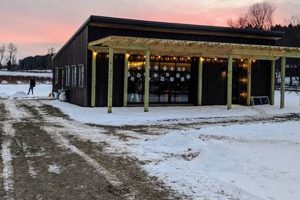
This historical site provides a living representation of 19th-century life in the Western Reserve of Ohio. It features meticulously preserved and reconstructed buildings populated by knowledgeable artisans and interpreters who demonstrate the crafts, trades, and daily routines of the era. Visitors experience firsthand the realities of agricultural practices, domestic chores, and artisanal skills prevalent during this period of American history.
The preservation and demonstration of these skills offer significant educational opportunities. By showcasing traditional crafts, such as glassblowing, pottery, and blacksmithing, this institution provides insight into the ingenuity and resourcefulness of early settlers. Further, it connects modern audiences to the past, fostering an appreciation for the work ethic and community spirit that characterized this era. These aspects contribute to a deeper understanding of cultural heritage.
The following sections will delve into the specific exhibits, educational programs, and seasonal events that this institution offers, providing a detailed overview of the experiences available to visitors and the ongoing efforts to maintain its historical accuracy and relevance.
Enhancing the Experience
To maximize the benefits and enjoyment of a visit, consider the following recommendations, designed to optimize engagement with the historical context and educational opportunities presented.
Tip 1: Plan the Visit in Advance: Review the official website for daily schedules, special events, and demonstrations. This proactive approach ensures the opportunity to witness specific crafts or participate in unique activities.
Tip 2: Engage with Interpreters: The costumed interpreters possess extensive knowledge of the era and its practices. Asking questions and engaging in conversation enriches the understanding of 19th-century life.
Tip 3: Allow Ample Time: The site encompasses a substantial area with numerous exhibits. Allocate a minimum of three to four hours to fully explore the farm, village, and surrounding natural areas.
Tip 4: Dress Appropriately: The majority of activities occur outdoors. Check the weather forecast and wear comfortable shoes suitable for walking on uneven terrain. Seasonal considerations, such as layers in cooler months, are advisable.
Tip 5: Participate in Hands-On Activities: Many exhibits offer opportunities to participate in historical tasks, such as churning butter or tending to livestock. These immersive experiences provide valuable insight into the daily lives of early settlers.
Tip 6: Explore the Craft Workshops: Observe artisans practicing traditional crafts, such as glassblowing or blacksmithing. These demonstrations offer a unique glimpse into the skills and techniques of the 19th century.
Tip 7: Support the Mission: Consider purchasing items from the gift shop or making a donation. Revenue generated supports the ongoing preservation and educational efforts of the institution.
By incorporating these suggestions, individuals can significantly enhance their engagement with the historical environment, leading to a more enriching and memorable educational experience.
The subsequent sections will detail specific exhibits and programs offered, providing a comprehensive guide to navigating the numerous opportunities for learning and exploration.
1. Nineteenth-century Ohio

The historical institution stands as a direct representation of life within Nineteenth-century Ohio, specifically the Western Reserve. Its very existence is predicated on recreating and preserving the material culture, agricultural practices, and social structures that characterized the region during that era. The buildings, tools, and costumes are meticulously researched and recreated to accurately reflect the period, providing visitors with a tangible connection to the past. For example, the demonstrations of traditional crafts, such as spinning wool or blacksmithing, offer insight into the skills and industries that fueled the Ohio economy during the 1800s. The focus on Nineteenth-century Ohio is therefore not merely a thematic choice, but the foundational element upon which the entire experience is built.
Understanding the context of Nineteenth-century Ohio is crucial for interpreting the exhibits and activities offered. The farm illustrates the agricultural basis of the Ohio economy and the challenges faced by farmers, such as weather, pests, and market fluctuations. Similarly, the village reflects the development of communities and the growth of specialized trades and industries. The social dynamics of the period, including issues of class, gender, and race, are also explored through the interpretation of historical figures and events. For instance, the portrayal of family life and the roles of women in the home highlights the social norms and expectations of the time.
In conclusion, the relationship between Nineteenth-century Ohio and the historical site is symbiotic. One provides the historical framework, while the other serves as a living embodiment of that era. Recognizing this connection allows visitors to engage more meaningfully with the past and appreciate the complexities of life in Nineteenth-century Ohio. This understanding underscores the importance of preserving such historical sites as valuable resources for education and cultural heritage.
2. Living History Exhibits

Living history exhibits are a core component of the immersive experience, transforming the site from a static collection of buildings into a dynamic representation of 19th-century life. These exhibits employ trained interpreters who embody historical figures, performing daily tasks and interacting with visitors to create a vivid and engaging learning environment.
- Costumed Interpretation
Costumed interpreters are central to the living history experience. These individuals undergo extensive training to accurately portray the roles, language, and customs of 19th-century residents. They demonstrate crafts, explain historical events, and answer visitor questions, providing firsthand insights into the lives of farmers, artisans, and community members. The authenticity of their portrayal is paramount, ensuring a realistic and informative encounter.
- Demonstration of Traditional Crafts
The demonstration of traditional crafts, such as blacksmithing, pottery, and weaving, provides tangible insight into the skills and industries that sustained the 19th-century economy. Artisans showcase their expertise, explaining the tools, techniques, and processes involved in creating essential goods. These demonstrations not only preserve these skills but also educate visitors about the ingenuity and resourcefulness of early settlers.
- Agricultural Practices
The site features functioning farms that demonstrate the agricultural practices of the 19th century. Visitors can observe historical farming methods, including plowing with draft animals, planting and harvesting crops, and tending to livestock. These demonstrations highlight the importance of agriculture to the region’s economy and the challenges faced by farmers in the era before modern technology.
- Domestic Life Reenactments
Reenactments of domestic life offer a glimpse into the daily routines and responsibilities of 19th-century families. Interpreters demonstrate tasks such as cooking, cleaning, and caring for children, providing insight into the roles of women and the dynamics of family life. These reenactments emphasize the labor-intensive nature of domestic work and the importance of community support.
The living history exhibits at the site are carefully designed to provide an immersive and educational experience. By combining authentic settings, knowledgeable interpreters, and hands-on demonstrations, the site effectively transports visitors back in time, fostering a deeper understanding and appreciation for the history and culture of 19th-century Ohio.
3. Artisan craft demonstrations

Artisan craft demonstrations are integral to the educational mission and immersive environment found at the living history museum. These demonstrations, ranging from blacksmithing to pottery, are not merely exhibitions of skill but rather serve as critical components in understanding the material culture and economic activities of 19th-century rural Ohio. The institution recreates a working 19th-century community, and artisan crafts were essential to the self-sufficiency and trade networks that defined such communities. For example, the blacksmith produced tools and hardware vital for agricultural operations and household needs, while the potter crafted essential storage vessels and tableware. Without these crafts, the depiction of a functional 19th-century village would be incomplete and lack authenticity.
The inclusion of artisan craft demonstrations also contributes to the museum’s role in preserving traditional skills that might otherwise be lost to time. These skills are taught and practiced by experienced artisans who not only demonstrate the techniques but also explain the historical context and significance of each craft. For example, visitors can observe the entire process of glassblowing, from melting the raw materials to shaping the molten glass into functional objects or decorative pieces. Such demonstrations offer a rare opportunity to witness the labor-intensive processes involved in creating goods that were once commonplace but are now largely manufactured through industrial means. This hands-on experience fosters a greater appreciation for the ingenuity and craftsmanship of past generations.
In conclusion, artisan craft demonstrations are indispensable to the authenticity and educational value of this museum. They provide a direct connection to the material culture and economic activities of 19th-century Ohio, preserve traditional skills, and offer visitors a deeper understanding of the past. The ongoing support and development of these demonstrations are vital to maintaining the museum’s relevance as a center for historical education and cultural preservation.
4. Agricultural heritage preservation

Agricultural heritage preservation forms a cornerstone of the institution’s mission, directly impacting its interpretation of 19th-century Ohio life. The site meticulously recreates farming practices, crop cultivation, and animal husbandry techniques representative of the era. This preservation effort extends beyond mere static displays; it encompasses the active cultivation of heritage crops, the breeding of historic livestock breeds, and the demonstration of traditional farming methods. The direct consequence is a tangible representation of the agrarian economy that defined much of the Western Reserve during the 1800s. Without this emphasis, the site would lack the depth and authenticity required to convey the realities of the period.
The importance of this preservation effort is evident in the numerous exhibits and demonstrations focused on agricultural life. The working farm showcases seasonal activities, from planting and harvesting to threshing and milling, utilizing tools and techniques authentic to the 19th century. Interpreters, dressed in period attire, explain the significance of specific crops, the challenges of weather and pests, and the reliance on animal power for labor. Moreover, the site actively participates in seed saving initiatives and maintains rare breeds of livestock, contributing to the broader effort of preserving agricultural biodiversity. These activities not only educate visitors but also safeguard valuable genetic resources for future generations.
In conclusion, the preservation of agricultural heritage is not merely an ancillary aspect; it constitutes an essential component of the site’s identity and mission. By accurately recreating and demonstrating agricultural practices of the 19th century, the institution offers a unique and valuable educational experience. This dedication to agricultural heritage preservation ensures the site’s ongoing relevance as a resource for understanding and appreciating the vital role of agriculture in shaping American history and culture.
5. Educational program offerings

The educational programs are a vital extension of the living history experience, providing structured learning opportunities that delve deeper into the history, culture, and practices demonstrated throughout the site. These programs cater to a diverse audience, including school groups, families, and adult learners, offering a range of interactive and immersive experiences designed to enhance understanding and engagement.
- School Field Trips
School field trips offer curriculum-aligned programs that complement classroom learning. These programs often include guided tours, hands-on activities, and demonstrations tailored to specific grade levels and learning objectives. Students may participate in tasks such as churning butter, writing with quill pens, or learning about 19th-century farming techniques, fostering a deeper connection to the past. The field trips provide a tangible and memorable learning experience that reinforces classroom instruction.
- Workshops and Classes
Workshops and classes cater to adult learners and those seeking more in-depth knowledge of specific topics or skills. These programs may cover subjects such as historic cooking, textile arts, woodworking, or blacksmithing. Participants learn from skilled artisans and historians, gaining hands-on experience and developing a deeper appreciation for traditional crafts and techniques. The workshops provide a valuable opportunity for lifelong learning and skill development.
- Summer Camps
Summer camps offer immersive, multi-day experiences for children and teenagers. These camps typically focus on specific themes, such as pioneer life, Civil War history, or environmental science. Campers participate in a variety of activities, including historical reenactments, outdoor adventures, and craft projects, fostering a sense of camaraderie and a deeper understanding of history and nature. The summer camps provide a fun and educational way for young people to connect with the past and develop valuable life skills.
- Special Events and Demonstrations
Special events and demonstrations occur throughout the year, offering unique learning opportunities for visitors of all ages. These events may include historical reenactments, craft fairs, agricultural festivals, and holiday celebrations. The demonstrations showcase traditional skills and practices, while the events provide a lively and engaging atmosphere that brings history to life. These special offerings enhance the overall educational experience and attract a wider audience to the site.
These educational programs are carefully designed to complement the living history exhibits, providing visitors with a comprehensive and enriching learning experience. By engaging with history through hands-on activities, expert instruction, and immersive environments, participants develop a deeper understanding of the past and its relevance to the present. The institution’s commitment to education ensures its continued value as a resource for learning and cultural preservation.
Frequently Asked Questions
The following section addresses common inquiries regarding this historical institution, providing concise and informative answers to enhance visitor understanding and planning.
Question 1: What is the primary focus of historical representation at this location?
The central focus is on portraying life in the Western Reserve of Ohio during the 19th century. The exhibits and demonstrations are specifically designed to reflect the material culture, agricultural practices, and social structures prevalent in this region during that historical period.
Question 2: Are the buildings original structures or reconstructions?
The site features a combination of original buildings that have been carefully preserved and reconstructed buildings that accurately replicate historical designs. Both types of structures contribute to the immersive historical environment.
Question 3: What types of activities are available for children and families?
A variety of activities cater to children and families, including hands-on demonstrations, interactive exhibits, and seasonal events. Specific activities vary depending on the time of year and may include crafts, games, and encounters with historical interpreters.
Question 4: Are there dining options available on site?
Limited dining options are available. Offerings typically include a caf or restaurant serving historically inspired dishes and snacks. Visitors are also permitted to bring their own food and beverages for picnicking in designated areas.
Question 5: What accessibility accommodations are provided for visitors with disabilities?
Efforts have been made to provide accessibility for visitors with disabilities, including accessible parking, restrooms, and pathways. However, due to the historical nature of the site, some areas may present challenges. It is advisable to contact the institution in advance to inquire about specific accessibility concerns.
Question 6: How does one support the ongoing preservation efforts?
Support can be provided through various means, including purchasing items from the gift shop, making direct donations, becoming a member, or volunteering time. These contributions directly support the preservation and educational programs of the institution.
This FAQ section provides a foundational understanding of key aspects relating to this location. Further exploration through official channels is recommended for comprehensive planning.
The subsequent sections will present a detailed examination of the various events and seasonal programs offered, providing a guide to the diverse range of experiences available throughout the year.
Concluding Assessment
This article explored the multifaceted nature of Hale Farm & Village, examining its role in preserving 19th-century Ohio history. The discussion encompassed living history exhibits, artisan craft demonstrations, agricultural heritage preservation efforts, and educational program offerings. Each facet contributes to the institution’s comprehensive portrayal of life in the Western Reserve, providing visitors with an immersive and educational experience.
The continued relevance of institutions like Hale Farm & Village rests on their commitment to historical accuracy and engaging interpretation. Sustained support, through visitation and philanthropic contributions, remains crucial to ensuring the preservation of this tangible link to the past. Further investment in research and educational initiatives will enhance its capacity to inform and inspire future generations.