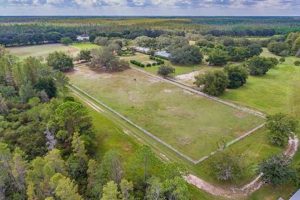
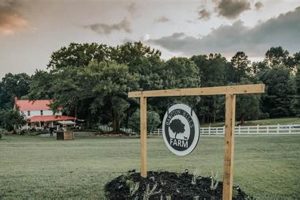
This New England agricultural operation, located in Contoocook, New Hampshire, specializes in the cultivation of highbush blueberries. Its practices emphasize sustainable agriculture and direct-to-consumer sales, offering pick-your-own opportunities and pre-picked berries during the harvest season. The business model revolves around providing fresh, locally grown produce to the community.
The advantages of this type of enterprise are multifaceted. It supports local economies, reduces transportation costs associated with food distribution, and fosters a connection between consumers and the source of their food. Historically, such family-owned establishments have played a significant role in the agricultural landscape of the region, preserving open spaces and contributing to the rural character of the area.
The following sections will delve into the specifics of blueberry cultivation, explore the economic impact of agritourism, and examine the sustainable practices employed in maintaining the health and productivity of this type of agricultural venture.
Cultivation Insights
The following are derived from experience, emphasizing practices conducive to successful blueberry cultivation and sustainable farm management.
Tip 1: Soil Acidity Management: Maintain soil pH within the range of 4.5 to 5.5. Regular soil testing is essential, and amendments such as elemental sulfur may be required to lower pH to the optimal level. Neglecting soil acidity can severely limit nutrient availability and plant health.
Tip 2: Proper Pruning Techniques: Implement annual pruning to remove dead, diseased, or unproductive wood. Focus on opening up the plant canopy to improve air circulation and sunlight penetration, which enhances fruit production and reduces the risk of fungal diseases.
Tip 3: Effective Weed Control: Implement a comprehensive weed management strategy. Utilize mulching with organic materials such as wood chips or pine needles to suppress weed growth and conserve soil moisture. Hand-weeding may be necessary, especially around young plants.
Tip 4: Adequate Irrigation Practices: Blueberries require consistent moisture, particularly during fruit development. Install a drip irrigation system to deliver water directly to the root zone, minimizing water waste and reducing the incidence of foliar diseases associated with overhead watering.
Tip 5: Pollination Enhancement: Blueberries benefit significantly from cross-pollination. Introduce honeybee hives or other pollinator species to the farm during bloom time to maximize fruit set and increase berry size. Consider planting multiple varieties to ensure effective cross-pollination.
Tip 6: Pest and Disease Management: Implement integrated pest management (IPM) strategies, emphasizing preventative measures and biological controls. Regularly scout for pests and diseases, and apply targeted treatments only when necessary to minimize the impact on beneficial insects and the environment.
Tip 7: Soil Fertility Management: Avoid excessive nitrogen fertilization, which can promote vegetative growth at the expense of fruit production. Use slow-release fertilizers or organic amendments to provide a balanced supply of nutrients. Regular soil and tissue testing will help guide fertilizer applications.
These strategies underscore the importance of a proactive and informed approach to blueberry farming, leading to enhanced yields and long-term sustainability.
The subsequent sections will address marketing strategies, value-added product development, and the future of sustainable agriculture in the context of this specific operation.
1. Blueberry Cultivation

Blueberry cultivation forms the core agricultural activity, fundamentally shaping its operational and economic strategies. The following details the key facets that directly influence and are influenced by blueberry cultivation at the farm.
- Varietal Selection and Adaptation
The choice of blueberry varieties dictates the harvest window, pest resistance, and overall yield. Selecting varieties suited to the specific climate and soil conditions is crucial for optimal production. This selection significantly impacts the farm’s seasonal operations and market offerings.
- Sustainable Growing Practices
Minimizing environmental impact is achieved through sustainable practices such as integrated pest management, water conservation, and soil health management. This approach not only protects the ecosystem but also enhances the long-term productivity of the blueberry fields. These practices are pivotal for maintaining the farm’s reputation and appealing to environmentally conscious consumers.
- Harvesting Techniques
Efficient harvesting methods are essential for maximizing yield and ensuring fruit quality. Employing a combination of hand-picking and, potentially, mechanical harvesting, depending on the scale and varietal characteristics, directly affects the farm’s labor costs and the quality of the harvested berries. The harvest is a critical time on the farm.
- Post-Harvest Handling and Storage
Proper handling and storage techniques are vital to preserving the freshness and extending the shelf life of the harvested blueberries. Implementing appropriate cooling and storage facilities minimizes spoilage and allows the farm to meet market demands effectively. Effective post-harvest management is critical for maintaining the value of the blueberry crop.
These facets of blueberry cultivation are intrinsically linked to the overall success and sustainability of the farm. By optimizing these aspects, the farm can ensure consistent yields, high-quality fruit, and a reduced environmental footprint, contributing to its long-term viability within the agricultural landscape.
2. Direct Sales

Direct sales constitute a cornerstone of the business model, deeply influencing its financial sustainability and community engagement. This approach bypasses traditional distribution channels, fostering a direct relationship between the farm and its customers. The choice to prioritize direct sales results in increased profit margins, as the farm retains a larger share of the revenue compared to selling through wholesalers or retailers. This approach allows for price adjustments that can optimize profitability while maintaining competitive pricing within the local market. The availability of seasonal produce, sold directly, attracts customers who seek fresh and locally sourced options, promoting customer loyalty and word-of-mouth marketing.
Several direct sales methods employed by the farm contribute to its visibility and customer base. Pick-your-own operations provide a hands-on experience, appealing to families and individuals seeking an interactive connection with agriculture. On-site farm stands offer convenience for customers to purchase pre-picked blueberries and other related products. Participation in local farmers’ markets extends its reach to a broader audience, showcasing the quality of its produce. These methods of direct sales require a strategic investment in customer service, marketing, and efficient on-site management to ensure a positive customer experience, which is crucial for repeat business.
The commitment to direct sales inherently presents challenges. The need for effective marketing and customer communication is paramount. Managing seasonal fluctuations in demand and ensuring sufficient staffing during peak harvest periods are essential for smooth operations. The dependence on direct customer interaction necessitates a strong focus on maintaining produce quality and providing a welcoming environment. Overcoming these challenges, the farm leverages direct sales to maintain financial stability, build strong community ties, and reinforce its position as a provider of high-quality, locally grown blueberries.
3. Sustainable Practices

The integration of sustainable practices is integral to the operational philosophy, influencing resource management, environmental stewardship, and long-term viability. These practices aim to minimize environmental impact, conserve natural resources, and promote ecological balance, reflecting a commitment to responsible agriculture.
- Integrated Pest Management (IPM)
IPM strategies prioritize preventative measures and biological controls to minimize the use of synthetic pesticides. Implementing IPM involves regular monitoring for pests, employing beneficial insects, and utilizing targeted treatments only when necessary. This approach reduces the risk of environmental contamination and protects beneficial pollinators, contributing to a healthier ecosystem.
- Water Conservation Techniques
Efficient water management is crucial for preserving this precious resource and reducing operational costs. Utilizing drip irrigation systems delivers water directly to the root zone, minimizing water waste and reducing the incidence of foliar diseases associated with overhead watering. Implementing rainwater harvesting and soil moisture monitoring further enhances water conservation efforts, aligning with sustainable resource management.
- Soil Health Management
Maintaining healthy soil is essential for long-term productivity and ecosystem health. Practices such as cover cropping, composting, and minimal tillage improve soil structure, fertility, and water retention. Incorporating organic matter into the soil enhances nutrient cycling, reduces erosion, and promotes a thriving soil ecosystem, supporting sustainable crop production.
- Ecosystem Preservation
Maintaining biodiversity within the farm environment is vital for promoting ecological balance and resilience. Preserving natural habitats, such as woodlands and wetlands, provides refuge for wildlife and supports beneficial insects. Planting pollinator-friendly flowers and creating buffer zones around cultivated areas enhances biodiversity and contributes to a healthier farm ecosystem.
These sustainable practices collectively contribute to the long-term environmental and economic viability of the operation, illustrating a holistic approach to agriculture that balances production goals with environmental responsibility. They also provide a valuable model for other agricultural enterprises seeking to minimize their environmental footprint and enhance their sustainability.
4. Rural Preservation

Agricultural operations frequently play a significant role in the preservation of rural landscapes and character. The ongoing cultivation of land, particularly in established farming regions, serves as a direct counterpoint to development pressures and land conversion. This role is often integral to maintaining the aesthetic and ecological integrity of rural communities.
- Agricultural Land Retention
Active farming operations contribute to the retention of agricultural land, preventing its conversion into residential or commercial developments. The continued use of land for agricultural purposes maintains open spaces, scenic views, and the rural ambiance that characterizes many communities. This practice helps protect the land from being irreversibly altered, maintaining its agricultural potential for future generations.
- Economic Viability of Rural Communities
Farms often serve as cornerstones of rural economies, providing employment opportunities and supporting related businesses such as agricultural suppliers, equipment dealers, and local markets. The economic viability of agricultural operations strengthens the economic base of rural communities, reducing their reliance on external economic forces and supporting local infrastructure.
- Preservation of Traditional Practices
Many agricultural operations preserve traditional farming practices and knowledge that have been passed down through generations. These practices often emphasize sustainable land management, biodiversity conservation, and the maintenance of agricultural heritage. Their continuation ensures the preservation of cultural traditions and historical landscapes associated with agriculture.
- Ecosystem Services
Agricultural land can provide valuable ecosystem services, such as carbon sequestration, water filtration, and wildlife habitat. Farming practices that promote soil health, conserve water resources, and protect biodiversity contribute to the overall health and resilience of rural ecosystems. These practices can mitigate the impacts of climate change and enhance the ecological value of rural landscapes.
The role in rural preservation extends beyond mere land use. It encompasses economic, cultural, and ecological dimensions that collectively contribute to the vitality and sustainability of rural communities. The preservation efforts inherently supports the integrity of the landscape and the social fabric of the region.
5. Community Engagement
The interaction between an agricultural operation and its surrounding community is a crucial determinant of its long-term success and sustainability. The entitys deliberate integration with the local populace fosters a sense of shared purpose, enhancing its social capital and promoting a resilient operating environment. This interrelationship is not merely philanthropic; it is a strategic imperative that directly affects the farm’s market access, labor pool, and overall reputation.
Direct interaction with community members, through events such as pick-your-own harvests, educational tours, and participation in local farmers’ markets, cultivates customer loyalty and generates word-of-mouth marketing. The farms integration with local schools and youth organizations can foster an appreciation for agriculture among younger generations. The operation’s active engagement with local government and civic organizations can influence policy decisions related to land use, environmental regulations, and agricultural support programs. This symbiotic relationship benefits both the business and the community, creating a supportive ecosystem for sustainable agriculture.
Failing to effectively engage with the community can lead to isolation, reduced market access, and vulnerability to external pressures. Conversely, a commitment to active community engagement can enhance long-term viability, promote environmental stewardship, and strengthen the social fabric of the region. Thus, community engagement should be recognized as an essential component of a sustainable and resilient agricultural enterprise.
Frequently Asked Questions
The following addresses common inquiries regarding the operations, practices, and offerings.
Question 1: What distinguishes blueberries cultivated at this farm from those available in supermarkets?
Berries from this operation are typically harvested at peak ripeness, resulting in superior flavor and nutritional content compared to those shipped over long distances. Furthermore, sustainable cultivation practices often employed lead to minimal pesticide exposure.
Question 2: Are the operations certified organic?
While commitment to sustainable practices is in place, formal organic certification may or may not be held. Verification of certification status is recommended through direct inquiry.
Question 3: What measures are taken to ensure food safety?
Adherence to strict hygiene protocols during harvesting and handling minimizes the risk of contamination. Routine inspections and adherence to food safety regulations are maintained.
Question 4: What is the duration of the blueberry season?
The blueberry season typically spans from late summer to early fall, influenced by weather conditions. Specific start and end dates vary annually.
Question 5: What other products, aside from blueberries, are available?
Depending on the operational scale, offerings may include value-added products such as jams, jellies, and baked goods utilizing blueberries. Availability of other seasonal produce cannot be guaranteed.
Question 6: What are the recommended practices for storing blueberries to maintain freshness?
Refrigeration is essential. Berries should be stored unwashed and loosely covered in a container to prevent moisture build-up, which can accelerate spoilage.
These FAQs provide insight into the farm’s dedication to quality, sustainability, and customer satisfaction.
The next section will explore potential future directions for the business and its ongoing commitment to sustainable agriculture.
Conclusion
The preceding analysis explored the multifaceted nature of the agricultural operation, detailing its core activities, business practices, and community engagement efforts. Key points included its focus on sustainable blueberry cultivation, direct sales strategies, contribution to rural preservation, and integration within the local community. These elements collectively define the operation as a significant contributor to both the agricultural landscape and the regional economy.
Continued success hinges on adapting to evolving market demands, maintaining a commitment to sustainable practices, and fostering strong community relationships. The future of agricultural endeavors such as this operation is intrinsically linked to responsible land stewardship and providing valuable resources for the community.