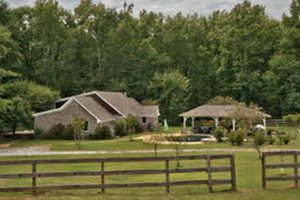
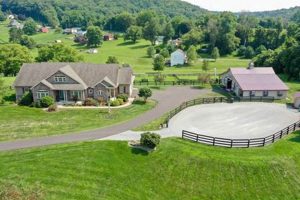
The availability of agricultural properties and tracts of undeveloped acreage on the market represents a significant sector within real estate. These offerings can encompass a wide range of property types, from small family holdings to expansive commercial operations, including fields, pastures, woodlands, and associated structures. An example might be a 100-acre parcel suitable for cattle grazing with existing outbuildings and a farmhouse.
The acquisition of such properties can provide opportunities for agricultural production, rural living, investment, and conservation. Historically, land ownership has been a cornerstone of economic stability and a means of generating income through farming activities. Moreover, these transactions play a crucial role in shaping rural landscapes and supporting local economies, preserving agrarian traditions while driving economic growth.
The following sections will delve into the key considerations for those interested in purchasing agricultural holdings, covering topics such as property valuation, financing options, due diligence procedures, and the specific legal and environmental regulations that apply to these types of transactions.
Tips for Acquiring Agricultural Properties
Navigating the acquisition of agricultural properties requires a comprehensive understanding of various factors. Careful planning and due diligence are essential for making informed decisions.
Tip 1: Define Objectives Clearly: Establish specific goals for the property. Are intentions focused on crop production, livestock rearing, or recreational use? Clearly defined objectives will guide the search and evaluation process.
Tip 2: Conduct Thorough Due Diligence: Investigate property boundaries, easements, water rights, and mineral rights. A professional survey and title search are recommended to identify potential encumbrances or restrictions.
Tip 3: Assess Soil Quality and Water Availability: Evaluate the soil composition and fertility to determine suitability for intended agricultural activities. Assess water resources, including wells, streams, and irrigation systems. Consider conducting soil tests and consulting with agricultural experts.
Tip 4: Evaluate Existing Infrastructure: Inspect buildings, fences, and other infrastructure for structural integrity and functionality. Determine the cost of necessary repairs or upgrades, factoring these expenses into the overall investment.
Tip 5: Secure Pre-Approval for Financing: Obtain pre-approval for a loan from a reputable lender specializing in agricultural properties. This provides a clear understanding of borrowing capacity and strengthens negotiating power.
Tip 6: Engage a Qualified Real Estate Agent: Partner with an experienced real estate agent specializing in agricultural properties. Their expertise can provide valuable insights into market trends, negotiation strategies, and property valuation.
Tip 7: Understand Local Regulations: Research zoning ordinances, environmental regulations, and agricultural practices specific to the region. Compliance with these regulations is crucial for avoiding potential legal issues.
Tip 8: Consider Future Development Potential: Evaluate the potential for future development or subdivision of the property. This assessment can provide additional value or income opportunities in the long term.
By adhering to these guidelines, prospective buyers can mitigate risks and make well-informed decisions, maximizing the potential return on investment and ensuring the long-term success of their agricultural endeavors.
The subsequent sections of this document will provide more in-depth analysis of market trends and investment strategies related to agricultural holdings.
1. Acreage and topography

Acreage and topography are fundamental characteristics of agricultural properties offered for sale, significantly impacting their utility and value. Acreage, the total land area, defines the scale of potential farming operations. Topography, the physical features of the land’s surface, dictates land use feasibility and suitability for specific agricultural practices.
For example, a large-acreage property with flat topography is well-suited for large-scale row crop production, enabling efficient use of machinery and irrigation systems. Conversely, a smaller acreage with steep slopes may be more suitable for vineyards, orchards, or livestock grazing, which are less dependent on flat terrain. The combination of these factors influences crop selection, irrigation methods, and the overall management strategy of the agricultural operation. The cost-effectiveness of farming practices is influenced as well; steep terrain may necessitate specialized equipment or manual labor, increasing operational costs compared to flat, easily accessible land.
Understanding the interplay between acreage and topography is crucial for prospective buyers of agricultural holdings. These characteristics directly affect productivity, operational costs, and the potential return on investment. A thorough assessment of both factors is therefore a necessary component of the due diligence process. These influence the market value and therefore viability of any sale.
2. Soil and water resources.

The availability and quality of soil and water resources are critical determinants in the viability and valuation of agricultural properties. These elements directly impact the productivity and sustainability of any farming operation, influencing the potential return on investment for a prospective buyer.
- Soil Composition and Fertility
Soil composition dictates the capacity of land to support crop growth. Soil types, nutrient levels, and organic matter content directly influence yield potential. Conducting soil tests is essential to determine fertility and identify any deficiencies. Properties with fertile soil command a higher market value, as they require less investment in amendments and can sustain higher yields. For instance, land with a high percentage of loam and ample organic matter is typically more valuable than sandy or clay-heavy soils.
- Water Availability and Rights
Access to a reliable water source is indispensable for agricultural activities. Water sources can include wells, rivers, lakes, or irrigation systems. The legal rights associated with water access are equally important. Water rights determine the quantity of water that can be legally used and any restrictions on its usage. Properties with secured water rights, particularly in arid regions, are significantly more valuable. The absence of reliable water access can severely limit the potential for crop production and diminish the overall value of the property.
- Water Quality
Beyond availability, water quality also dictates the suitability for irrigation and livestock. Salinity, pH levels, and the presence of contaminants can impact plant health and animal well-being. Water testing should be performed to assess water quality and identify potential treatment needs. Poor water quality can necessitate costly remediation efforts or limit the types of crops that can be cultivated, impacting the property’s market value.
- Drainage
Effective drainage is necessary to prevent waterlogging and maintain soil health. Poor drainage can lead to root rot, nutrient leaching, and reduced crop yields. Properties with natural or artificial drainage systems are more desirable, as they mitigate the risks associated with excessive soil moisture. Evidence of standing water or poorly drained areas should be carefully evaluated, as these conditions can require costly remediation measures.
In summation, a comprehensive assessment of soil composition, water availability, water rights, water quality, and drainage characteristics is paramount when evaluating farmland. These factors collectively determine the long-term productivity, sustainability, and overall value of the land, making them critical considerations in any decision to purchase agricultural properties.
3. Existing infrastructure condition.
The state of existing infrastructure on agricultural properties offered for sale significantly influences their market value, operational efficiency, and overall investment appeal. Careful evaluation of these assets is crucial for prospective buyers to assess potential costs, liabilities, and opportunities associated with the purchase.
- Buildings and Structures
The condition of barns, sheds, silos, and residential dwellings directly impacts functionality and safety. Structural integrity, roofing, electrical systems, and plumbing must be thoroughly inspected. Dilapidated buildings may necessitate costly repairs or demolition, reducing the property’s value. Conversely, well-maintained structures can enhance operational efficiency and provide immediate utility, increasing its attractiveness.
- Fencing and Livestock Handling Facilities
Fencing is essential for livestock containment and boundary demarcation. The condition of fences, gates, and corrals affects animal safety and management efficiency. Deteriorated fencing poses risks to livestock and may require significant investment for replacement or repair. Functionality and suitability for specific livestock operations influence the property’s value.
- Irrigation and Water Systems
The integrity of irrigation systems, wells, and water storage facilities is paramount for crop production. Leaks, corrosion, or malfunctioning equipment can lead to water wastage and increased operational costs. Assessment of water flow rates, pump efficiency, and system capacity is necessary to ensure adequate water supply. Operational irrigation systems in good repair significantly enhance property value.
- Roads and Access
The condition of internal roads and external access points affects transportation of goods, equipment, and personnel. Poorly maintained roads can impede access and increase transportation costs. Road surface quality, drainage, and load-bearing capacity are important considerations. Easy access to public roads and markets enhances the property’s overall value and operational efficiency.
The collective state of existing infrastructure represents a crucial component of the overall value proposition associated with agricultural properties. Comprehensive assessment of these assets is essential to accurately gauge investment potential, mitigate potential risks, and determine the true cost of ownership. Thorough inspection informs sound decisions regarding purchase price, required repairs, and long-term operational viability.
4. Zoning and legal compliance.

Zoning regulations and legal compliance are critical determinants in the feasibility and valuation of agricultural properties. These factors establish permissible land uses, building restrictions, and environmental protection measures, directly impacting the economic potential and operational constraints of farming activities. Non-compliance can result in significant penalties, legal challenges, and restrictions on land use, affecting both short-term profitability and long-term investment value. A prospective purchaser must, therefore, conduct thorough due diligence to ascertain that the property adheres to all applicable zoning ordinances and legal mandates.
Illustratively, zoning designations may limit the type or intensity of agricultural operations. For instance, certain zones may prohibit concentrated animal feeding operations (CAFOs) or restrict the cultivation of specific crops. Legal compliance extends beyond zoning to encompass environmental regulations related to water usage, pesticide application, and waste management. Consider a property subject to restrictions on water withdrawals due to its location within a protected watershed. Such constraints would necessarily affect irrigation practices and crop selection, influencing both productivity and economic viability. Furthermore, legal compliance includes adherence to labor laws, building codes, and property line stipulations. Failure to address these requirements may result in financial penalties, legal disputes, and operational disruptions.
In conclusion, a comprehensive understanding of zoning regulations and legal compliance is indispensable for individuals contemplating the purchase of agricultural properties. These considerations dictate the scope of permissible activities, the associated operational costs, and the potential for long-term sustainability. Thorough due diligence, involving legal professionals and land use experts, mitigates potential risks and ensures that the investment aligns with both regulatory requirements and intended business objectives. The convergence of zoning and legal compliance underscores the necessity of informed decision-making in the agricultural property market.
5. Market value and trends.

The nexus between market value and trends significantly shapes the landscape for agricultural properties. Market value, the estimated price at which a property would transact in a competitive market, is not static; it fluctuates based on prevailing market trends. Economic conditions, commodity prices, interest rates, technological advancements, and geographical factors exert influence. For instance, heightened demand for organic produce may inflate the value of certified organic farmland. Similarly, declining commodity prices for conventional crops can depress valuations for properties primarily suited to those cultivations. The importance of understanding these dynamics lies in informing strategic decisions, enabling sellers to optimize timing for sales, and empowering buyers to assess investment potential with greater precision. Market trends are an undeniable component.
Consider the scenario of a rapid increase in urbanization encroaching upon agricultural land. This trend often elevates property values due to development potential, even if the land’s agricultural productivity remains unchanged. Conversely, the emergence of new agricultural technologies, such as precision farming techniques, might increase the productivity of existing farmland, leading to a corresponding rise in its market value. Understanding the cyclical nature of commodity markets is also essential. Periods of high crop prices can spur increased investment in farmland, driving up prices. These cycles can be caused by fluctuations in the world economy, natural disasters, or changes in governmental regulations.
In conclusion, market value and trends are intertwined and fundamentally impact the availability and pricing of agricultural properties. Awareness of these factors empowers stakeholders to navigate transactions effectively, seize opportunities, and mitigate potential risks. The complex interplay of these dynamics necessitates continuous monitoring and analysis to ensure informed decision-making in the agricultural real estate market.
Frequently Asked Questions
The following questions address common inquiries related to the acquisition of agricultural holdings, offering clarity on pertinent considerations.
Question 1: What factors determine the market value of agricultural holdings?
Market value is influenced by multiple factors, including acreage, soil quality, water rights, existing infrastructure, zoning regulations, and prevailing market trends. Comparable sales data, professional appraisals, and assessments of agricultural productivity also contribute to valuation.
Question 2: What due diligence steps are essential when purchasing farmland?
Essential due diligence includes conducting a title search, surveying property boundaries, assessing soil and water resources, evaluating existing infrastructure, verifying zoning compliance, and engaging qualified legal and agricultural professionals for expert guidance.
Question 3: What financing options are available for purchasing farmland?
Financing options encompass agricultural loans from banks and credit unions, Farm Service Agency (FSA) loans, seller financing, and private investment. Loan terms, interest rates, and eligibility requirements vary among different lenders and programs.
Question 4: What legal and regulatory considerations apply to farmland ownership?
Legal and regulatory considerations include zoning ordinances, environmental regulations, water rights laws, agricultural land preservation programs, and property tax assessments. Compliance with these regulations is critical for avoiding legal issues and ensuring sustainable land management practices.
Question 5: How does soil quality impact the value and utility of farmland?
Soil quality directly affects crop yields, irrigation requirements, and the long-term productivity of agricultural land. Fertile soils with adequate drainage and nutrient content enhance the value and versatility of farmland, facilitating the cultivation of a wider range of crops.
Question 6: How do water rights influence the value and usability of farmland?
Water rights determine the legal entitlement to use water resources on a property. Secured water rights are essential for irrigation and livestock operations, particularly in arid regions. Properties with reliable water rights command a higher market value and offer greater operational flexibility.
The careful consideration of these questions serves as a fundamental step in the acquisition process.
The following section will provide expert insights on navigating the farmland acquisition process.
Farm and Land for Sale
The preceding exploration of “farm and land for sale” has illuminated critical aspects pertinent to prospective transactions. Key considerations encompass meticulous due diligence regarding soil composition, water resources, and existing infrastructure. Rigorous adherence to zoning regulations and legal mandates is paramount. The dynamic interplay of market forces and economic trends necessitates careful analysis to ascertain equitable property valuation and maximize investment returns.
Prudent navigation of agricultural property acquisitions requires a comprehensive understanding of these multifaceted elements. Buyers and sellers alike must prioritize thorough research and professional guidance to ensure informed decisions and foster sustainable land management practices. The long-term viability of agricultural operations depends on a commitment to diligent planning and responsible stewardship of these vital resources.