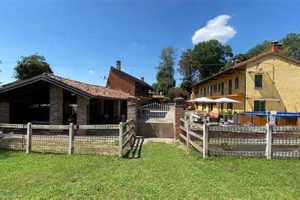
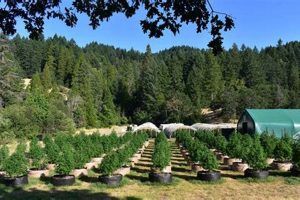
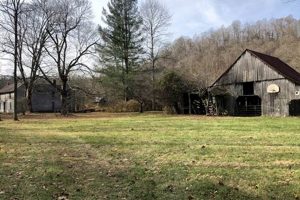
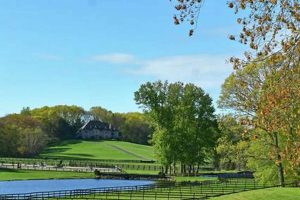
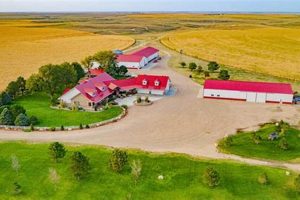
Land and agricultural properties available for acquisition in the western region of North Carolina represent a specific segment of the real estate market. These properties encompass a variety of acreage, features, and potential uses, ranging from active agricultural operations to undeveloped land suitable for farming or other purposes.
The demand for these holdings is influenced by factors such as the region’s climate, suitability for diverse agricultural pursuits (including livestock, crops, and specialty agriculture like vineyards or Christmas trees), and its proximity to population centers and recreational opportunities. The availability of such tracts allows for the continuation of agricultural traditions, supports local economies, and contributes to the preservation of the region’s rural character. Historically, western North Carolina has maintained a strong agricultural identity, making land ownership a significant aspect of its cultural and economic landscape.
The following sections will delve into specific considerations for individuals or entities interested in purchasing these properties, covering aspects such as property types, market trends, financing options, and due diligence requirements.
Guidance for Acquiring Agricultural Land in Western North Carolina
The acquisition of agricultural land in western North Carolina requires careful consideration and due diligence. The following guidelines offer insights to navigate this market effectively.
Tip 1: Define Objectives and Resources: Establish clear goals for the land. Determine whether the intended purpose is commercial farming, hobby farming, or recreational use. Align financial resources with the scope of the investment and ongoing operational costs.
Tip 2: Conduct Thorough Site Assessments: Evaluate soil quality, water availability (wells, springs, or municipal sources), and topography. Engage qualified professionals to assess environmental conditions and potential limitations for agricultural production. Understand zoning regulations and land use restrictions.
Tip 3: Research Market Trends and Comparable Sales: Analyze recent sales data for similar properties in the region. Consult with real estate professionals specializing in agricultural land transactions to gain insight into current market valuations and negotiation strategies. Understand prevailing market conditions, such as interest rates and inventory levels.
Tip 4: Secure Professional Representation: Engage a real estate agent experienced in agricultural properties. A qualified agent can provide access to off-market listings, assist with negotiations, and guide the due diligence process. Consider retaining legal counsel specializing in real estate law to review contracts and ensure compliance.
Tip 5: Explore Financing Options: Investigate various financing options, including conventional mortgages, agricultural loans (USDA programs, Farm Credit), and seller financing. Compare interest rates, terms, and eligibility requirements to determine the most suitable financing solution.
Tip 6: Due Diligence is Paramount: Complete thorough due diligence inspections and analysis. This may include a survey, title search, environmental assessment, and pest inspections. Address any discovered issues proactively to mitigate potential risks and complications.
Tip 7: Plan for Long-Term Stewardship: Consider the long-term sustainability of the land. Implement conservation practices to protect soil health, water quality, and biodiversity. Explore options for preserving agricultural easements to maintain the land’s agricultural use for future generations.
Implementing these suggestions can help align land acquisition efforts with strategic goals, potentially optimizing the investment. Careful planning facilitates the transition into agricultural ownership and stewardship.
The subsequent sections will address the legal aspects of buying farms and available resources for further assistance.
1. Land Size

The acreage associated with properties marketed as agricultural establishments for acquisition in western North Carolina directly impacts the potential scope and nature of farming operations. The size of the land dictates the scale of cultivatable fields, grazing pastures, or forested areas available for resource extraction or management. A smaller landholding may suit intensive farming practices, such as market gardening or specialty crop production, while larger tracts can accommodate extensive agriculture like cattle ranching or commodity crop cultivation. Restrictions or opportunities regarding land use practices will influence investment considerations.
Land size also affects the value and overall financial feasibility. Larger properties tend to command higher initial prices but may also provide greater opportunities for economies of scale, diversification of agricultural products, and revenue generation. A tract of significant size may provide opportunities to generate additional income streams from timber harvesting, hunting leases, or recreational activities. Conversely, smaller properties may present lower upfront costs and reduced operational overhead, but may limit the potential for significant returns or expansion.
Therefore, land size is a crucial factor for assessing the suitability of agricultural properties in western North Carolina. A detailed evaluation of the acreage, its topography, soil composition, and water access are critical elements in determining its economic potential and operational viability. A comprehensive assessment enables informed investment choices, aligning the purchase with specific farming objectives and financial capabilities.
2. Water Rights

Water rights constitute a critical element in evaluating agricultural properties in western North Carolina. These rights govern the legal entitlement to utilize water resources, significantly impacting the viability and value of these properties.
- Riparian Rights and Prior Appropriation
Western North Carolina typically operates under riparian water rights, granting landowners adjacent to a water source (river, stream, or lake) the right to reasonable use of the water. However, some older or specific situations might involve elements of prior appropriation, where the first user of water has a superior claim. Knowing which system applies is crucial for assessing the security of water access for agricultural activities.
- Permitting and Regulations
Withdrawal of surface or groundwater for agricultural purposes may require permits from state environmental agencies. Regulations govern the amount of water that can be withdrawn, the timing of withdrawals, and the potential impacts on downstream users or aquatic ecosystems. Understanding permit requirements and compliance obligations is essential to ensure sustainable water management and avoid legal repercussions.
- Transferability and Valuation
Water rights may or may not be transferable independently of the land. The ability to transfer water rights can increase the value of an agricultural property, particularly in areas with limited water availability or high agricultural demand. The process for transferring water rights can be complex, involving legal review and regulatory approval. A clear understanding of transferability rules is crucial for both buyers and sellers.
- Water Quality and Quantity
The quality and quantity of available water resources directly affect agricultural productivity. Water used for irrigation must meet certain quality standards to prevent contamination of crops or soil degradation. Monitoring water quality and implementing best management practices to protect water resources is essential for sustainable agricultural production.
In conclusion, a comprehensive evaluation of water rights is an indispensable aspect of assessing farms for sale in western North Carolina. Understanding the type of water rights, permitting requirements, transferability rules, and water quality issues are crucial for determining the long-term sustainability and profitability of an agricultural investment in this region.
3. Soil Quality

Soil quality is a critical factor in determining the productivity and viability of agricultural land. For farms for sale in western NC, soil composition directly impacts crop yield, land value, and the potential for sustainable farming practices. Evaluating soil characteristics is paramount when considering such a purchase.
- Nutrient Content and Fertility
The presence of essential nutrients, such as nitrogen, phosphorus, and potassium, dictates the soil’s natural fertility. Western North Carolina soils can vary significantly in nutrient content, with some areas naturally richer than others. Soil testing is necessary to determine existing nutrient levels and identify any deficiencies requiring amendment. Insufficient nutrient levels necessitate costly fertilization, impacting the profitability of potential farming operations.
- Soil Structure and Drainage
Soil structure influences water infiltration, aeration, and root penetration. Well-structured soils, with adequate pore space, promote healthy plant growth and reduce the risk of waterlogging or drought stress. Western North Carolina’s mountainous terrain can result in varying drainage characteristics, with some areas exhibiting poor drainage due to clay content or underlying bedrock. Poor drainage can limit crop selection and increase the risk of root diseases.
- Organic Matter Content
Organic matter improves soil structure, water-holding capacity, and nutrient availability. Soils with high organic matter content are generally more fertile and resilient to environmental stresses. Agricultural practices, such as cover cropping and no-till farming, can enhance organic matter levels over time. Assessing the existing organic matter content provides insight into the soil’s overall health and potential for improvement.
- pH Level and Acidity
Soil pH affects the availability of nutrients to plants. Most crops thrive in a slightly acidic to neutral pH range. Western North Carolina soils tend to be acidic due to the region’s climate and parent material. Soil testing is essential to determine pH levels and identify the need for lime applications to raise pH and improve nutrient availability.
The interplay of these soil characteristics defines the agricultural potential of farms for sale in western NC. Thorough soil assessment, including testing and analysis, enables informed decision-making, guiding prospective buyers in evaluating land suitability and estimating potential investment requirements for soil improvement.
4. Zoning Regulations

Zoning regulations in western North Carolina exert a substantial influence on the permissible uses and development potential of agricultural properties. An understanding of these regulations is crucial for prospective purchasers of properties marketed as “farms for sale western nc,” ensuring that intended agricultural activities align with local ordinances.
- Agricultural Districts and Permitted Uses
Various counties within western North Carolina designate specific zoning districts for agricultural activities. These districts typically permit farming, animal husbandry, and related uses as a matter of right. However, the specific activities allowed, such as commercial livestock operations or agritourism ventures, may be subject to additional restrictions or conditional use permits. A potential buyer must confirm that intended farming operations are permitted within the zoning district to avoid legal challenges.
- Minimum Lot Size and Setback Requirements
Zoning regulations often stipulate minimum lot sizes for agricultural properties, influencing the density of development and the intensity of farming operations. Setback requirements dictate the distance that structures, such as barns, greenhouses, or residences, must be from property lines, roads, and water bodies. These requirements can impact the placement of agricultural infrastructure and the efficient utilization of land. Compliance with lot size and setback regulations is essential for obtaining building permits and avoiding zoning violations.
- Environmental Regulations and Resource Protection
Zoning ordinances may incorporate environmental regulations designed to protect water quality, prevent soil erosion, and preserve natural resources. These regulations may restrict development within riparian buffers, wetlands, or steep slopes. Farmers may be required to implement best management practices to minimize non-point source pollution from agricultural runoff. Understanding and adhering to environmental regulations is crucial for maintaining the long-term sustainability of agricultural operations and avoiding environmental liabilities.
- Restrictions on Non-Agricultural Activities
While agricultural districts prioritize farming, limitations often exist on non-agricultural activities. Subdividing land into smaller parcels for residential development might be restricted to preserve agricultural land. Commercial or industrial uses unrelated to agriculture may be prohibited or require special permits. Owners aiming to supplement farm income with non-agricultural enterprises must confirm the compatibility of such activities with zoning regulations.
Therefore, due diligence regarding zoning regulations is a prerequisite for acquiring agricultural properties in western North Carolina. Thoroughly researching local ordinances, consulting with county planning officials, and obtaining legal advice are essential steps to ensure that the intended use of “farms for sale western nc” aligns with applicable zoning requirements, mitigating potential risks and maximizing the long-term value of the investment.
5. Market Value

Market value, when associated with agricultural establishments marketed for purchase in the western region of North Carolina, represents the estimated price a willing buyer would pay and a willing seller would accept on the open market, assuming reasonable exposure to the market and informed parties acting knowledgeably and prudently. It is a crucial element in any land transfer and a determining factor for investment decisions. Market value is not a fixed attribute; it fluctuates based on a multitude of economic and location-specific factors.
Several factors contribute to determining the price. Land size, improvements (buildings, infrastructure), soil composition, water access, zoning regulations, and location relative to population centers all influence market value. Economic conditions, such as interest rates, inflation, and the overall health of the agricultural sector, further impact prices. For example, a farm situated near Asheville with fertile soil and ample water rights would command a higher market value than a similar property in a more remote location with poor soil and limited water access. The price is also dependent on supply and demand. High demand paired with low supply results in increased land prices, potentially creating a seller’s market. Understanding these contributing elements is necessary for prospective buyers.
Accurate assessment of a potential holding’s fair price is important for making sound investment choices. Overpaying can lead to financial difficulties, while undervaluing a property might result in missed opportunities. A comprehensive market analysis, including comparable sales data and professional appraisal, is essential to determine a realistic and justifiable offer. This analysis, combined with due diligence regarding the property’s physical and regulatory characteristics, empowers buyers to navigate the agricultural real estate market of western North Carolina effectively, increasing the likelihood of a profitable and sustainable agricultural operation.
Frequently Asked Questions
The following questions and answers address common inquiries regarding the purchase of agricultural land in western North Carolina. This information is provided to assist prospective buyers in making informed decisions.
Question 1: What are the primary factors influencing the price of these properties?
Land size, soil quality, water access, existing improvements (buildings, fencing), location (proximity to markets and amenities), and zoning regulations significantly impact property values. Recent comparable sales data provides additional insights.
Question 2: What types of agricultural activities are commonly pursued on such properties?
Common agricultural activities include livestock farming (cattle, poultry, sheep), crop production (hay, vegetables, fruits), specialty agriculture (Christmas trees, vineyards), and agritourism (farm stays, u-pick operations). The suitability of a specific property for these activities depends on its characteristics.
Question 3: How does one ascertain the availability and legality of water rights on a prospective property?
A title search and review of relevant deeds and water rights records are essential. Consultation with a real estate attorney specializing in water law is advisable to determine the extent and validity of water rights associated with the property.
Question 4: What types of financing are available for purchasing agricultural land?
Financing options include conventional mortgages, agricultural loans from institutions such as Farm Credit, USDA Farm Service Agency loans, and seller financing. The availability and terms of financing depend on the borrower’s creditworthiness and the property’s characteristics.
Question 5: What due diligence steps are recommended before finalizing a purchase?
Recommended due diligence steps include a survey, title search, soil testing, environmental assessment (if warranted), inspection of existing structures, and review of zoning regulations and any existing easements or restrictions.
Question 6: What are the potential risks associated with agricultural land ownership in this region?
Potential risks include fluctuations in commodity prices, weather-related events (drought, flooding), pests and diseases, changes in zoning regulations, and liability related to agricultural operations. Proper planning and risk management strategies are essential to mitigate these risks.
The information provided in these questions and answers serves as a general guide. Specific circumstances may necessitate consulting with qualified professionals, such as real estate agents, attorneys, and agricultural consultants.
The subsequent section will examine resources available for buyers seeking these properties.
Conclusion
The preceding discussion has provided an overview of key considerations pertaining to properties designated as farms for sale western NC. Crucial aspects, ranging from property characteristics to legal and economic factors, shape the investment landscape within this specific real estate segment. Thorough due diligence is paramount.
Prospective purchasers are strongly advised to engage qualified professionals, including real estate agents specializing in agricultural properties, legal counsel experienced in land transactions, and agricultural consultants familiar with regional conditions. Careful planning and informed decision-making are vital for realizing the potential inherent in farms for sale western NC.