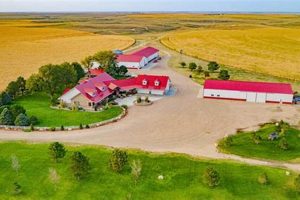
A real estate transaction involving agricultural land where the seller is the property owner, not a real estate agent, is categorized within the realm of direct sales. This type of transaction bypasses traditional brokerage services, placing the responsibility for marketing, negotiation, and closing procedures directly on the seller. An example would be a farmer choosing to advertise and sell their land independently rather than listing it with a real estate agency.
Opting for a direct sale can offer potential benefits, including the elimination of commission fees typically associated with agent representation. This can translate to increased profit margins for the seller. Historically, direct sales were more common before the widespread adoption of real estate agencies, and while still prevalent in specific regions, the approach requires a significant investment of time and resources from the landowner. The seller must possess the expertise to navigate legal and financial intricacies inherent in property conveyance.
The subsequent sections will address critical considerations for landowners contemplating this sales method. These include pricing strategies, marketing techniques, legal compliance, and effective negotiation tactics essential for successfully completing a sale without professional intermediary services. Understanding these aspects is crucial for achieving a favorable outcome in this specialized market.
Essential Guidance for Selling Agricultural Land Directly
Successfully executing a real estate transaction for agricultural land without intermediary brokerage services demands meticulous planning and execution. Adhering to established best practices increases the likelihood of a favorable outcome.
Tip 1: Conduct a Comprehensive Property Assessment: Prior to listing, a thorough evaluation of the property is essential. This includes assessing soil quality, water rights, infrastructure (barns, outbuildings, irrigation systems), and any environmental concerns. Disclosure of any known issues is legally mandated and builds trust with potential buyers. Example: A soil test revealing nutrient deficiencies should be documented and disclosed.
Tip 2: Determine an Accurate Market Value: Pricing the property correctly is crucial for attracting qualified buyers. Consult with appraisers, review comparable sales data for similar agricultural properties in the region, and factor in unique features or challenges. Overpricing can deter interest, while underpricing can result in financial losses. Example: Examining recent sales of comparable acreage with similar water access can provide a baseline for pricing.
Tip 3: Develop a Targeted Marketing Strategy: Identify the ideal buyer profile (e.g., expanding farm operations, investors, developers) and tailor marketing efforts accordingly. Utilize online agricultural real estate platforms, local newspapers, industry publications, and direct mail campaigns. High-quality photographs and detailed property descriptions are essential. Example: Advertising on a website specializing in organic farming opportunities if the land is certified organic.
Tip 4: Prepare Comprehensive Documentation: Assemble all relevant documentation, including property deeds, surveys, water rights certificates, environmental reports, and any existing leases or easements. Having these documents readily available streamlines the due diligence process and demonstrates professionalism. Example: A recent survey accurately depicting property boundaries eliminates potential disputes.
Tip 5: Understand Legal and Regulatory Requirements: Agricultural real estate transactions are subject to specific legal and regulatory requirements, including zoning laws, environmental regulations, and water rights laws. Consult with a real estate attorney specializing in agricultural law to ensure compliance. Example: Understanding restrictions on pesticide use near water sources is critical.
Tip 6: Be Prepared to Negotiate Effectively: Negotiation is a critical component of the sales process. Be prepared to address buyer concerns, make reasonable concessions, and structure the deal in a mutually beneficial manner. Professionalism and clear communication are essential. Example: Offering seller financing to a qualified buyer can facilitate the sale.
Tip 7: Secure Professional Escrow and Title Services: Engage a reputable escrow company and title insurance provider to ensure a smooth and legally sound closing process. These professionals will handle funds, conduct title searches, and issue title insurance, protecting both the buyer and seller. Example: Title insurance protects against claims arising from undiscovered liens or encumbrances on the property.
Implementing these measures enhances the likelihood of a successful transaction, optimizing outcomes for the property owner.
The following section will delve into potential challenges and mitigation strategies associated with this type of property sale.
1. Valuation Accuracy

In the context of agricultural land being offered directly by the owner, establishing a precise and justifiable valuation is paramount. This foundational element impacts marketing effectiveness, buyer interest, and ultimately, the seller’s return on investment. Inaccurate valuation can lead to prolonged listing periods or financial losses.
- Market Analysis and Comparables
Accurate valuation necessitates a thorough comparative market analysis (CMA). This involves researching recent sales of similar agricultural properties in the same geographic area. Factors such as soil type, water rights, acreage, improvements (barns, irrigation), and zoning regulations must be considered and compared. For example, two seemingly identical 100-acre parcels can have vastly different values based on water availability or soil fertility, impacting their suitability for specific crops or livestock.
- Professional Appraisal Considerations
Engaging a certified appraiser with expertise in agricultural properties offers an unbiased and defensible valuation. Appraisals incorporate various valuation methods, including the sales comparison approach, the income capitalization approach (assessing potential revenue generation), and the cost approach (estimating replacement cost). This is particularly crucial if unique features or potential environmental liabilities exist on the property. A formal appraisal provides credibility when presenting the property to potential buyers and can be essential for securing financing.
- Impact of Property Improvements
Improvements to the land, such as irrigation systems, fencing, barns, or residences, significantly influence value. It is vital to accurately assess the condition, functionality, and remaining useful life of these improvements. For instance, a well-maintained irrigation system can add substantial value by ensuring reliable water access for crops or livestock. Conversely, dilapidated structures may detract from the overall property value and require remediation costs.
- Consideration of Unique Property Attributes
Each agricultural property possesses unique characteristics that require careful consideration during valuation. These may include mineral rights, timber value, hunting potential, or proximity to markets and transportation infrastructure. Failure to account for these attributes can result in an inaccurate valuation. For example, a property with valuable timber resources may command a higher price than comparable properties without such resources. Understanding and quantifying these unique assets is critical for maximizing sale price.
The integration of these facets into the valuation process forms a robust foundation for a “farm for sale by owner” strategy. A defensible and accurate valuation not only attracts qualified buyers but also streamlines negotiations and facilitates a timely and successful transaction, maximizing the seller’s financial outcome while minimizing potential legal challenges.
2. Targeted Marketing

In the context of a farm offered directly by its owner, targeted marketing represents a critical departure from general real estate advertising. It necessitates a focused strategy designed to reach a specific subset of potential buyers with a demonstrable interest and capacity for acquiring agricultural land. This approach aims to maximize efficiency and minimize wasted resources by directing marketing efforts towards those most likely to convert into serious offers.
- Defining the Ideal Buyer Profile
The cornerstone of targeted marketing is identifying the ideal buyer. This involves considering factors such as the prospective buyer’s intended use of the land (e.g., crop production, livestock farming, recreational purposes), their financial capacity, and their geographic preferences. For example, if the land is suited for organic farming, marketing efforts should target individuals or organizations with a proven track record in that sector. Understanding the ideal buyer allows for tailored messaging and channel selection.
- Strategic Channel Selection
Targeted marketing requires a careful selection of advertising channels to effectively reach the identified buyer profile. This may involve utilizing specialized agricultural real estate websites, industry publications, farm bureau newsletters, and direct mail campaigns to relevant agricultural businesses. In contrast to broad-based advertising platforms, these channels offer a higher concentration of potential buyers actively seeking agricultural land. For instance, advertising in a regional livestock publication is more effective than a general real estate website when targeting cattle ranchers.
- Tailored Messaging and Content Creation
Marketing materials should be customized to resonate with the identified target audience. This includes highlighting specific features of the property that align with the buyer’s needs and interests. For example, if targeting crop farmers, emphasis should be placed on soil quality, water rights, and irrigation infrastructure. High-quality photographs and detailed property descriptions are essential, showcasing the land’s productive capacity and potential value. Generic marketing language should be avoided in favor of specific, data-driven information.
- Leveraging Data and Analytics
Effective targeted marketing involves tracking and analyzing the performance of different marketing channels. This allows for optimization of marketing spend and refinement of targeting strategies. Metrics such as website traffic, lead generation, and buyer inquiries should be monitored to assess the effectiveness of each channel. For example, if a particular online platform generates a high volume of unqualified leads, marketing efforts can be redirected to more promising channels. Data-driven insights enable continuous improvement and maximize return on investment.
The strategic implementation of targeted marketing principles is crucial for the successful direct sale of agricultural property. By focusing efforts on qualified buyers, tailoring marketing materials to their specific needs, and continuously optimizing marketing channels, landowners can significantly increase the likelihood of a timely and profitable transaction, ultimately maximizing the value derived from their land sale.
3. Legal Compliance

In direct sales of agricultural properties, adherence to legal requirements is not merely a procedural formality; it represents a fundamental safeguard against potential liabilities, disputes, and financial losses for both the seller and the buyer. The complexities inherent in land transactions, coupled with the specific regulations governing agricultural land use, necessitate meticulous attention to legal compliance.
- Disclosure Requirements
Transparency in property condition and history is paramount. Sellers must disclose any known material defects, environmental hazards, or encumbrances affecting the land. Examples include prior contamination, the presence of endangered species, or limitations on water usage. Failure to disclose relevant information can lead to legal action and rescission of the sale. Disclosure requirements vary by jurisdiction and often necessitate specialized environmental assessments.
- Water Rights and Regulations
Water rights are often a critical component of agricultural property value. Transfer of water rights must comply with applicable state laws and regulations, which can be complex and vary significantly by region. The type and extent of water rights, as well as any restrictions on their use, must be clearly defined and accurately conveyed to the buyer. Due diligence is essential to verify the validity and transferability of water rights associated with the property.
- Zoning and Land Use Restrictions
Agricultural land is subject to zoning regulations and land use restrictions that dictate permissible activities on the property. These regulations can affect the type of farming operations allowed, building construction, and the subdivision of land. Sellers must ensure that the property complies with all applicable zoning ordinances and disclose any existing or potential land use restrictions to the buyer. Violations of zoning regulations can result in fines, legal orders, and limitations on property use.
- Environmental Regulations
Agricultural operations are subject to various environmental regulations designed to protect natural resources and prevent pollution. These regulations may address issues such as pesticide use, nutrient management, and soil conservation. Sellers must comply with all applicable environmental regulations and disclose any known environmental liabilities associated with the property. Failure to do so can result in significant penalties and remediation costs. Environmental compliance is often verified through environmental audits and inspections.
These facets of legal compliance are inextricably linked to the success of a direct agricultural property sale. Diligent adherence to these requirements not only minimizes legal risks but also fosters trust and confidence between the seller and the buyer, facilitating a smoother transaction and safeguarding the interests of all parties involved.
4. Financial Acumen

Financial acumen is a critical determinant of success in direct agricultural land sales. The absence of a real estate agent necessitates that the property owner assume responsibilities traditionally handled by professionals. This includes accurately assessing the property’s value, understanding market trends, and navigating the financial complexities of a real estate transaction. A farmer selling directly must be proficient in analyzing financial statements, understanding tax implications, and projecting potential returns on investment for prospective buyers. For instance, a seller unable to demonstrate the potential profitability of a particular crop on the land may struggle to attract serious offers from experienced agricultural operators.
The ability to interpret financial data translates directly into effective pricing strategies and persuasive marketing. A landowner who understands capitalization rates, debt-to-equity ratios, and cash flow analysis can more effectively present the property’s financial viability to potential investors. Furthermore, proficiency in evaluating financing options, such as owner financing or agricultural loans, allows the seller to structure deals that are attractive to a wider range of buyers. Consider a situation where a prospective buyer lacks sufficient capital for a conventional loan; a seller with financial acumen can offer creative financing solutions that facilitate the sale while mitigating risk through carefully structured terms and collateral requirements.
In summation, financial acumen empowers landowners to optimize returns, mitigate risks, and navigate the intricacies of a direct agricultural land sale. A lack of such competence can lead to undervaluing the property, mismanaging negotiations, and ultimately, a less favorable financial outcome. The challenges associated with direct sales underscore the practical significance of developing a robust understanding of financial principles specific to agricultural real estate transactions.
5. Negotiation Prowess

Negotiation prowess is a critical determinant of success when agricultural land is marketed directly by the owner. In the absence of a real estate agent’s intermediary role, the seller assumes sole responsibility for securing favorable terms and maximizing the property’s value. A skilled negotiator can effectively manage buyer expectations, address concerns regarding property condition or market value, and structure deals that protect the seller’s financial interests. The ability to articulate the property’s unique attributes, justify its asking price, and navigate complex contractual issues directly influences the outcome of the sale. For example, a landowner adept at negotiating might successfully secure a higher sale price by emphasizing the land’s superior soil quality or its prime location relative to transportation infrastructure.
Effective negotiation extends beyond simply achieving the highest possible price. It involves understanding the buyer’s motivations and constraints, identifying mutually beneficial solutions, and maintaining a professional and collaborative approach throughout the process. For instance, a seller demonstrating flexibility on closing dates or offering creative financing options may be more likely to close a deal with a hesitant buyer. Conversely, a seller unwilling to compromise or address legitimate concerns may deter potential buyers and prolong the sales process. The capacity to build rapport and establish trust is paramount in direct sales, as it fosters a more constructive and productive negotiation environment. The inclusion of stipulations that protect the water rights are being transfered to new buyer is a very important point to add in the paper to not lose the bargain with a customer.
In summary, negotiation prowess is an indispensable asset for landowners engaging in direct agricultural property sales. It empowers them to effectively represent their interests, secure optimal terms, and navigate the complexities of real estate transactions without professional representation. Developing strong negotiation skills through training, experience, or external consultation is an investment that yields significant returns in the form of higher sale prices, favorable contract terms, and reduced legal risks.
6. Document Preparation
In the realm of agricultural property transactions conducted directly by the owner, meticulous document preparation assumes paramount importance. It serves as the foundation upon which a successful and legally sound sale is built, mitigating potential risks and fostering transparency between the seller and prospective buyers. Accurate and comprehensive documentation streamlines the due diligence process, reduces negotiation friction, and safeguards the interests of all parties involved.
- Title and Ownership Verification
Establishing clear and marketable title is fundamental to any real estate transaction. Document preparation includes gathering deeds, surveys, title insurance policies, and any related documents demonstrating ownership history. This process identifies potential title defects, liens, or encumbrances that could impede the sale. For instance, an undiscovered easement or boundary dispute can delay closing or even jeopardize the entire transaction. Thorough title verification ensures a smooth transfer of ownership and protects the buyer from future claims.
- Environmental Assessments and Compliance Records
Environmental regulations significantly impact agricultural land use. Document preparation includes assembling records related to soil testing, water quality, pesticide application, and waste management. Environmental assessments may be required to identify potential contamination issues or compliance violations. Failure to disclose environmental liabilities can result in legal repercussions and remediation costs. For example, documentation of proper manure management practices demonstrates compliance with environmental regulations and can enhance the property’s appeal to environmentally conscious buyers.
- Water Rights Documentation
Water rights are often a critical and valuable asset associated with agricultural land. Document preparation entails compiling records of water rights permits, certificates, and agreements, as well as any restrictions or limitations on water usage. Clear documentation of water rights ensures that the buyer understands the extent and legal basis of water access. Disputes over water rights can be costly and time-consuming, making thorough documentation essential for a successful sale. Include any and all stipulations that guarantee the water rights transfer to the buyer.
- Leases, Contracts, and Easements
Any existing leases, contracts, or easements affecting the property must be documented and disclosed to the buyer. This includes agricultural leases, mineral leases, utility easements, or access agreements. Failure to disclose these encumbrances can lead to legal disputes and diminished property value. For example, a long-term agricultural lease may restrict the buyer’s ability to immediately utilize the land for their intended purpose. Comprehensive documentation ensures that the buyer is fully aware of any existing rights or obligations affecting the property.
The multifaceted nature of document preparation underscores its critical role in direct agricultural property sales. Meticulous attention to detail in gathering and organizing these documents not only facilitates a smoother transaction but also mitigates potential legal risks and safeguards the financial interests of both the seller and the buyer, solidifying the foundation for a successful transfer of agricultural land.
Frequently Asked Questions
This section addresses common inquiries regarding the direct sale of agricultural properties, providing clarity on the process and associated considerations.
Question 1: What are the primary advantages of selling agricultural land without a real estate agent?
The principal advantage is the elimination of commission fees, potentially increasing the seller’s net profit. Direct control over the marketing and negotiation processes also exists.
Question 2: What are the main challenges encountered when selling farmland independently?
Challenges include the significant time commitment required for marketing, negotiation, and legal compliance. Lack of market expertise and potential difficulty in reaching a wide pool of qualified buyers are also factors.
Question 3: How does one determine a fair market value for agricultural property being sold directly?
A comprehensive market analysis, including comparable sales data and potential professional appraisals, is essential. Soil quality, water rights, and improvements must be factored into the valuation.
Question 4: What legal documentation is typically required for a direct agricultural land sale?
Essential documents include the property deed, survey, title insurance policy, water rights certificates, environmental reports, and any existing leases or easements.
Question 5: How can a landowner effectively market their property without the assistance of an agent?
Targeted marketing strategies, including online agricultural real estate platforms, industry publications, and direct mail campaigns, are recommended. High-quality photographs and detailed property descriptions are crucial.
Question 6: What steps can a seller take to ensure a smooth and legally sound closing process?
Engaging a reputable escrow company and title insurance provider is crucial. These professionals handle funds, conduct title searches, and issue title insurance, protecting both the buyer and seller.
A thorough understanding of these key aspects can contribute to a more successful transaction.
The following section will provide actionable checklists and frameworks to guide landowners through each stage of selling independently.
Farm for Sale By Owner
This exploration has detailed the process of agricultural land transfer directly from owner to buyer. Key considerations encompass accurate valuation, targeted marketing, legal compliance, financial acumen, skilled negotiation, and meticulous document preparation. Mastery of these elements is not optional; it is fundamental to achieving a successful transaction absent traditional real estate brokerage services.
Landowners contemplating this route must recognize the substantial commitment required. Success hinges on proactive engagement, diligent research, and a comprehensive understanding of the complexities involved. Only with thorough preparation and a strategic approach can landowners effectively navigate the nuances of farm for sale by owner transactions and realize optimal outcomes. This calculated path requires dedication but potentially yields significant financial and operational control.