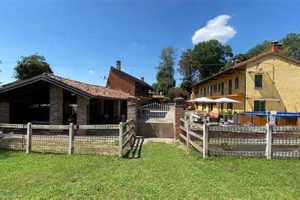
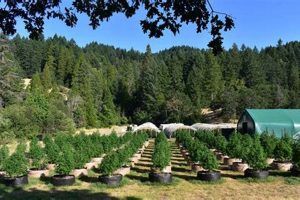
The availability of agricultural properties within the state of Georgia is a significant aspect of the region’s real estate market. These properties encompass a range of land types, from cultivated fields suitable for crops to grazing pastures for livestock. Transactions involving these estates often reflect the diverse agricultural activities prevalent within the state.
Securing agricultural land offers numerous advantages, including opportunities for self-sufficiency through food production, potential income generation through commercial farming operations, and the preservation of rural landscapes. Historically, the agricultural sector has played a vital role in Georgia’s economy and cultural heritage, shaping communities and contributing to the state’s identity.
This article will explore key considerations for those seeking to acquire farmland in Georgia. It will delve into factors such as property valuation, financing options, regional variations in land characteristics, and relevant legal and regulatory frameworks governing agricultural land use and ownership.
This section offers guidance for individuals or entities considering the purchase of agricultural land within the state. Prudent decision-making requires thorough research and a comprehensive understanding of the factors influencing land value and suitability for specific agricultural pursuits.
Tip 1: Conduct Thorough Due Diligence: Prior to acquisition, a comprehensive assessment of the land is crucial. This includes a title search to verify ownership, environmental assessments to identify potential contamination, and soil testing to determine suitability for intended crops or livestock.
Tip 2: Evaluate Water Resources: Access to reliable water sources is paramount for agricultural operations. Investigate the availability of surface water (streams, ponds) and groundwater (wells). Understand any existing water rights and regulations governing water usage.
Tip 3: Assess Infrastructure: Examine existing infrastructure, such as barns, fencing, irrigation systems, and access roads. Factor in the costs of repairing or upgrading these structures to meet operational requirements.
Tip 4: Understand Zoning and Land Use Regulations: Research local zoning ordinances and land use regulations that may restrict certain agricultural activities. Ensure that intended operations are permissible and comply with all applicable rules.
Tip 5: Explore Financing Options: Investigate various financing options available to agricultural buyers. These may include traditional bank loans, Farm Service Agency (FSA) loans, and other specialized agricultural lending programs. Secure pre-approval for financing before committing to a purchase.
Tip 6: Engage with Local Experts: Consult with local agricultural extension agents, real estate professionals specializing in farmland, and experienced farmers in the area. Their insights can provide valuable information regarding local conditions, market trends, and best practices.
Tip 7: Consider Conservation Easements: Explore the possibility of placing a conservation easement on the land. This can provide tax benefits while preserving the land’s agricultural or natural resource values for future generations.
Acquiring agricultural land necessitates careful planning and diligent research. By addressing these key considerations, potential buyers can make informed decisions and maximize the potential of their investment.
The following section will provide concluding remarks summarizing the overall process and highlighting key resources for further information.
1. Land Size
The acreage of a parcel significantly influences its suitability and potential use within Georgia’s agricultural landscape. When considering agricultural land for sale, size becomes a critical determinant of farm type, operational scale, and overall investment requirements. Understanding these nuances is essential for making informed acquisition decisions.
- Economic Viability and Scale of Operations
The amount of land directly impacts the economic viability of a farm. Larger properties often facilitate economies of scale, allowing for increased production and potentially higher revenues. Conversely, smaller plots may be better suited for niche farming, direct marketing, or hobby farming operations. Real estate listings reflect these variations, where larger land plots generally come with higher investment levels but enable expanded farming operations.
- Land Use and Agricultural Activities
Different agricultural activities necessitate varying land requirements. Row crop farming, such as cotton or peanuts, often requires substantial contiguous acreage for efficient cultivation and harvesting. Pasture-based livestock operations need sufficient grazing land to support the herd size. Specialty crops, like blueberries or vineyards, may thrive on smaller, intensely managed plots. Therefore, the planned agricultural endeavor significantly influences optimal land size.
- Property Valuation and Market Dynamics
Acreage is a primary driver of property valuation. However, price per acre may decrease as the total acreage increases. Other factors, such as soil quality, water access, and existing infrastructure, also play a crucial role in determining the overall market value. Market trends in specific Georgia regions can also influence the perceived value of agricultural land based on its size.
- Environmental Considerations and Resource Management
The size of the property can impact its ecological footprint and the capacity for sustainable resource management. Larger tracts provide more opportunities for implementing conservation practices, such as buffer zones and riparian areas, to protect water quality and biodiversity. Smaller parcels may require more intensive management to mitigate environmental impacts.
In summary, land dimensions are a pivotal consideration when assessing potential farmland purchases within Georgia. The intended use, economic goals, and environmental considerations must align with the available acreage to ensure a sustainable and profitable agricultural venture. Prospective buyers must carefully evaluate the relationship between acreage and other property characteristics to make informed decisions.
2. Soil Quality

Soil quality is a paramount determinant of agricultural productivity, fundamentally shaping the value and suitability of properties available for sale in Georgia. The inherent characteristics of the soil directly influence crop yields, livestock carrying capacity, and the overall economic viability of farming operations. Degraded or unsuitable soils necessitate costly remediation efforts, impacting profitability and potentially rendering a property less desirable. For example, a listing boasting extensive acreage may be less attractive than a smaller property with fertile, well-drained soil, especially in areas known for specific agricultural products like Vidalia onions, where soil composition is critical to achieving premium quality and market prices.
The relationship between soil quality and property value is multifaceted. Factors such as soil pH, organic matter content, nutrient availability, and drainage capacity significantly influence crop selection and potential yields. Properties with high organic matter content and balanced nutrient levels typically command higher prices due to their inherent productivity and reduced need for costly fertilization. Conversely, properties with eroded soils or high clay content may require extensive amendments, such as lime or organic matter additions, to improve their agricultural potential. Georgia’s diverse geological regions contribute to variations in soil types, ranging from the sandy soils of the Coastal Plain to the clay-rich soils of the Piedmont, each presenting unique challenges and opportunities for agricultural use.
In summary, assessing soil quality is an indispensable step in evaluating properties offered for sale as agricultural land. A comprehensive soil assessment, including laboratory testing and on-site evaluation, provides valuable insights into the land’s inherent productivity and suitability for intended agricultural activities. This understanding allows prospective buyers to make informed decisions, accurately assess property values, and develop sustainable management practices that maximize the long-term productivity of their investment. Properties boasting superior soil quality will invariably prove more valuable and sustainable agricultural investments within Georgia’s competitive farming landscape.
3. Water Access

The availability of reliable water sources constitutes a critical determinant in the valuation and operational feasibility of agricultural land within Georgia. Properties lacking sufficient water access often face significant limitations in crop selection, livestock capacity, and overall agricultural productivity. Therefore, assessing water resources is an indispensable step in evaluating farms offered for sale.
- Surface Water Rights and Availability
Surface water sources, such as rivers, streams, and ponds, represent a primary source of irrigation for many agricultural operations. However, the legal right to utilize these water sources is often subject to state regulations and riparian rights doctrines. Prospective buyers must investigate the existing water rights associated with a property to ensure that they can legally access and utilize surface water for their intended agricultural purposes. The availability of surface water can fluctuate seasonally, impacting crop yields and livestock water supply. Properties with established and documented surface water rights typically command a premium in the marketplace.
- Groundwater Resources and Well Capacity
Groundwater represents another critical water source for farms, particularly in areas where surface water is limited or unreliable. Accessing groundwater typically involves drilling and maintaining wells. The capacity of a well to deliver sufficient water flow is a crucial factor to consider. Well capacity can vary significantly depending on the geological formation and aquifer characteristics. Buyers should conduct well testing to determine the well’s flow rate and water quality before committing to a purchase. The cost of drilling a new well or rehabilitating an existing one can be substantial, influencing the overall investment required.
- Irrigation Systems and Water Use Efficiency
Efficient irrigation systems are essential for maximizing water use and minimizing water waste. Properties equipped with modern irrigation technologies, such as drip irrigation or micro-sprinklers, often demonstrate higher water use efficiency compared to properties with older, less efficient systems. Buyers should evaluate the condition and capacity of existing irrigation systems, considering the costs of upgrades or replacements. The type of irrigation system suitable for a property depends on the crops grown, soil type, and topography. A well-designed and maintained irrigation system can significantly enhance crop yields and reduce water consumption, leading to improved profitability and sustainability.
- Water Quality and Regulatory Compliance
Water quality is a critical consideration for agricultural operations, as contaminated water can negatively impact crop health, livestock performance, and human health. Buyers should conduct water quality testing to identify any potential contaminants, such as pesticides, heavy metals, or bacteria. Farms operating in areas with known water quality issues may be subject to stricter regulatory requirements. Compliance with state and federal water quality regulations is essential for maintaining the long-term viability of agricultural operations. Investing in water treatment systems or implementing best management practices can help mitigate water quality risks and ensure regulatory compliance.
The interplay between the availability of suitable water supplies and regulatory limitations presents critical factors for anyone considering agricultural land acquisition. By understanding and evaluating the nuances of water accessibility, prospective buyers can effectively assess the potential and long-term sustainability, in turn making sound decisions when dealing with farms for sale.
4. Zoning Laws
Zoning regulations exert a significant influence on the permissible uses of agricultural land and, consequently, the value and attractiveness of properties presented as farms for sale in Georgia. Understanding these regulations is crucial for prospective buyers to ensure their intended agricultural activities are legally permissible and economically viable.
- Agricultural Zoning Districts and Permitted Uses
Local zoning ordinances often establish specific agricultural (AG) districts that designate areas primarily intended for agricultural production. These districts typically permit a wide range of farming activities, including crop cultivation, livestock raising, and forestry. However, specific regulations may restrict certain intensive agricultural operations, such as concentrated animal feeding operations (CAFOs), due to concerns about environmental impacts and potential nuisance issues. It is imperative to review the specific permitted uses within the relevant AG district to ensure compliance with intended activities. For example, a zoning ordinance might allow general crop farming but restrict the raising of poultry above a certain threshold without a special permit.
- Minimum Lot Size Requirements
Zoning regulations frequently establish minimum lot size requirements for agricultural properties. These requirements aim to preserve agricultural land, prevent fragmentation, and ensure sufficient land area for sustainable farming practices. The minimum lot size can vary significantly depending on the zoning district and local land use policies. A prospective buyer interested in a small-scale farming operation should verify that the property meets the minimum lot size requirement to avoid potential legal challenges. Subdividing a larger agricultural parcel into smaller lots may also be restricted by zoning regulations.
- Setback Requirements and Building Regulations
Zoning ordinances typically establish setback requirements that dictate the minimum distance buildings and structures must be located from property lines, roads, and water bodies. These setbacks aim to protect public safety, preserve scenic views, and prevent conflicts between adjacent land uses. Building regulations govern the construction and alteration of agricultural structures, such as barns, sheds, and farmhouses. These regulations may specify building height limitations, materials requirements, and safety standards. Compliance with setback requirements and building regulations is essential for obtaining necessary permits and avoiding potential fines or legal action.
- Non-Agricultural Uses and Special Exceptions
While agricultural zoning districts primarily focus on agricultural activities, some zoning ordinances may permit certain non-agricultural uses, such as farm stores, agritourism operations, or rural home businesses, subject to specific conditions and limitations. These non-agricultural uses can provide supplemental income streams for farmers and enhance the economic viability of agricultural operations. However, these uses often require special permits or conditional use approvals from local zoning authorities. Prospective buyers interested in diversifying their agricultural operations should carefully review the zoning ordinance to determine the permissibility of non-agricultural uses and the associated requirements.
In conclusion, zoning laws represent a critical aspect of due diligence when evaluating farms for sale in Georgia. Thoroughly researching and understanding local zoning ordinances can help prospective buyers avoid potential land use conflicts, ensure compliance with regulations, and maximize the long-term value and potential of their agricultural investment. Failure to comply with zoning regulations can result in costly fines, legal challenges, and limitations on intended agricultural activities.
5. Infrastructure
Infrastructure is a critical consideration in the context of agricultural property transactions. The presence and condition of existing infrastructure significantly impact the operational efficiency, productivity, and ultimately, the value of farms for sale in Georgia. Adequate infrastructure reduces operational costs, improves market access, and supports sustainable farming practices. For example, a farm equipped with a well-maintained irrigation system, modern storage facilities, and accessible transportation networks will generally command a higher market price compared to a similar property lacking these features. The availability and quality of infrastructure also influence the type of agricultural activities that can be feasibly undertaken on the land.
Specific examples of essential infrastructure components on Georgia farms include barns and storage facilities for housing livestock or storing harvested crops, irrigation systems for reliable water delivery, and fencing to manage livestock and delineate property boundaries. Furthermore, road access facilitates the transportation of inputs and outputs, while electrical and communication infrastructure supports modern farming technologies. The absence or inadequacy of these elements can impose significant limitations on farming operations and necessitate costly investments for upgrades or new construction. Conversely, properties with well-maintained and strategically designed infrastructure offer a competitive advantage by reducing labor costs, improving product quality, and enhancing overall operational efficiency. Farms located near processing facilities or transportation hubs may also benefit from lower transportation costs and improved market access.
In summary, the infrastructure present on agricultural properties profoundly affects their operational efficiency and long-term profitability. Potential buyers must carefully evaluate the condition and suitability of existing infrastructure to assess the overall value and potential of the land. Investing in infrastructure improvements can enhance the productivity and sustainability of farming operations, contributing to the economic vitality of Georgia’s agricultural sector. The overall investment in a particular land should consider all the aspects, that are crucial for farm’s functionality.
6. Market Value

The market value of agricultural land in Georgia represents a critical factor in any transaction involving a “farm for sale Georgia”. Market value directly influences the seller’s asking price and the buyer’s investment decision. It reflects a complex interplay of factors, including land size, soil quality, water access, infrastructure, location, and prevailing economic conditions. An accurate assessment of market value is essential for both parties to ensure a fair and equitable transaction. External factors, such as commodity prices, interest rates, and government agricultural policies, also impact market value trends, causing fluctuations that affect the perceived worth of agricultural holdings. For example, a period of high corn prices might temporarily inflate the value of farmland suitable for corn production, while a decline in the demand for peaches could depress the value of peach orchards.
One practical example highlighting the importance of understanding market value involves comparing two seemingly similar properties. Both are operational farms for sale in adjacent counties, but one benefits from proximity to a major transportation corridor, offering cost-effective market access for its produce. The other, while possessing comparable acreage and soil quality, is situated in a more remote area, significantly increasing transportation costs. Consequently, the property closer to the transportation network would likely command a higher market value, reflecting its inherent logistical advantages. Similarly, a property with a history of high yields and documented soil testing data would likely be valued higher than a similar property without such verifiable records, even if superficially the land appeared the same.
In summary, comprehending the market value dynamics associated with agricultural land in Georgia is paramount for informed decision-making. While assessing the value of a “farm for sale georgia”, carefully considering all influencing factors ensures that transactions reflect actual worth. Disregarding market realities can lead to overpayment, reduced profitability, or missed opportunities. Thorough due diligence, including consulting with appraisers and real estate professionals specializing in agricultural properties, is vital for navigating the complexities of the agricultural land market and maximizing investment potential.
Frequently Asked Questions
This section addresses common inquiries related to acquiring agricultural land within the state. The following questions and answers aim to provide clarity and guidance to prospective buyers.
Question 1: What factors most significantly influence the price of agricultural land in Georgia?
The price of agricultural land is determined by several key factors, including acreage, soil quality, water access, location, existing infrastructure (barns, irrigation systems), and local market conditions. Proximity to urban centers, transportation networks, and processing facilities can also significantly impact valuation.
Question 2: Are there specific financing options available for purchasing farmland?
Yes, several financing options cater specifically to agricultural buyers. These include traditional bank loans, Farm Service Agency (FSA) loans, and specialized agricultural lending programs offered by various institutions. Each option has distinct eligibility requirements and interest rates.
Question 3: How can potential buyers assess the suitability of land for specific agricultural activities?
A comprehensive assessment involves soil testing to determine nutrient levels, drainage capacity, and suitability for intended crops. Evaluating water availability and quality is also crucial. Consulting with local agricultural extension agents and experienced farmers can provide valuable insights.
Question 4: What zoning regulations should be considered when purchasing agricultural land?
Zoning ordinances dictate permissible land uses within specific areas. Prospective buyers must verify that intended agricultural activities comply with local zoning regulations. This includes confirming permitted uses, minimum lot size requirements, and setback regulations for buildings and structures.
Question 5: What legal considerations are essential during the purchase process?
A thorough title search is crucial to verify ownership and identify any existing liens or encumbrances on the property. Engaging a real estate attorney specializing in agricultural transactions is highly recommended to ensure compliance with relevant laws and regulations.
Question 6: What are conservation easements and how do they impact property value?
Conservation easements are voluntary legal agreements that restrict certain types of development on a property to protect its agricultural or natural resource values. Granting a conservation easement can provide tax benefits while preserving the land’s long-term use for agricultural purposes. While it might limit future development, a conservation easement can also positively influence the property’s market value to certain buyers who prioritize conservation.
Understanding these factors and addressing these questions can lead to more informed and successful acquisitions of agricultural land. Careful research and professional guidance are essential components of the process.
The subsequent section will present a concluding summary encapsulating the critical aspects discussed within this article.
Conclusion Regarding Farmland Acquisitions in Georgia
This exploration of “farm for sale georgia” highlights the multifaceted nature of agricultural land acquisition. Successful transactions necessitate careful consideration of factors ranging from soil quality and water access to zoning regulations and market dynamics. Thorough due diligence, informed decision-making, and professional guidance are crucial for mitigating risks and maximizing the long-term value of agricultural investments.
The decision to invest in agricultural land warrants serious deliberation. The future of Georgia’s agricultural sector depends on responsible land stewardship and informed investment choices. Prospective buyers are encouraged to approach this endeavor with diligence and a commitment to sustainable agricultural practices, ensuring the continued viability of farming within the state. This requires not only an understanding of present conditions but also a vision for the future role of agriculture in Georgias economy and landscape.