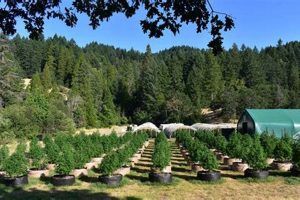
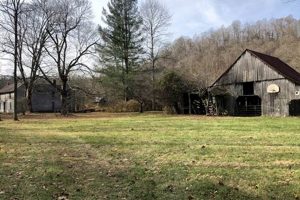
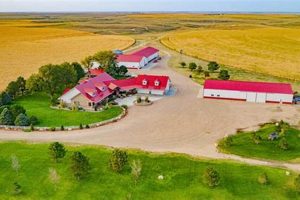
The real estate market in North Carolina presents opportunities to acquire smaller agricultural properties suitable for diverse farming operations. These land parcels, often characterized by manageable acreage and existing infrastructure, provide a pathway for individuals seeking entry into or expansion within the agricultural sector.
Acquiring such properties can offer numerous advantages, including the potential for sustainable agriculture, direct-to-consumer sales, and niche crop cultivation. Historically, North Carolina’s fertile land and favorable climate have fostered a vibrant agricultural community, making it an attractive location for those interested in pursuing farming as a vocation or investment.
This article will delve into the factors influencing the availability and pricing of these agricultural land opportunities, resources available to prospective buyers, and considerations for establishing a successful farming enterprise within the state.
Guidance on Acquiring Smaller Agricultural Properties
The acquisition of smaller agricultural properties requires diligent research and planning. The following guidance aims to inform prospective buyers navigating this market.
Tip 1: Define Agricultural Objectives: Clearly delineate the intended agricultural activities. This foundational step informs property size requirements, soil suitability assessments, and infrastructure needs, such as irrigation systems or livestock facilities.
Tip 2: Conduct Thorough Due Diligence: Investigate zoning regulations, water rights, and environmental considerations. Engage qualified professionals, including agricultural consultants and real estate attorneys, to ensure compliance and mitigate potential risks.
Tip 3: Assess Soil Quality: Soil composition is critical for crop production. Obtain soil samples and conduct laboratory testing to determine fertility, pH levels, and potential contaminants. This information guides crop selection and soil amendment strategies.
Tip 4: Evaluate Infrastructure: Assess the condition of existing structures, including barns, sheds, and residences. Evaluate the adequacy of water and power utilities. Factor renovation or construction costs into the overall budget.
Tip 5: Explore Financing Options: Investigate various financing avenues, including agricultural loans from banks, credit unions, and government agencies. Familiarize yourself with eligibility requirements and interest rates. A robust business plan strengthens loan applications.
Tip 6: Consider Location: Evaluate proximity to markets, suppliers, and transportation infrastructure. Factor in climate conditions and potential risks associated with weather patterns. Consider local community support for agricultural initiatives.
Tip 7: Network with Agricultural Professionals: Engage with local farmers, agricultural extension agents, and industry associations. Networking provides valuable insights into market trends, best practices, and available resources.
Adhering to these guidelines enhances the likelihood of a successful agricultural venture. Comprehensive planning and informed decision-making are essential for navigating the intricacies of acquiring and operating smaller agricultural properties.
The next section will explore regional variations within the state and their impact on property values.
1. Affordability

Affordability constitutes a critical determinant in the acquisition of smaller agricultural properties in North Carolina. It shapes potential owners’ access to land and significantly influences the scale and scope of their agricultural endeavors.
- Land Cost Variations by Region
Land values in North Carolina exhibit considerable regional disparities. Coastal regions and areas proximate to urban centers typically command higher prices per acre compared to more rural, inland locations. This variance in land cost directly affects the affordability of farms of comparable size. For example, a 10-acre farm near Asheville may carry a significantly higher price tag than a similar parcel in the northeastern part of the state.
- Impact of Soil Quality on Valuation
Soil composition plays a crucial role in determining property values. Land with fertile, well-drained soil suitable for diverse crop production typically commands a premium. Soil testing and historical yield data provide crucial insights for assessing the long-term productivity and, consequently, the affordability of a property. Properties requiring extensive soil remediation or amendment may offer a lower initial purchase price but necessitate further investment.
- Infrastructure and its Cost Implications
The presence or absence of existing infrastructure substantially impacts the overall affordability of agricultural land. Properties equipped with functional barns, irrigation systems, fencing, and residential structures often carry a higher initial cost. However, the potential savings in time and resources required for new construction or renovation must be factored into the affordability equation. Consideration should be given to the long-term cost-effectiveness of purchasing a property with existing infrastructure versus developing a bare parcel.
- Financing Options and Their Accessibility
Access to financing directly influences the affordability of agricultural properties. Prospective buyers explore a range of options, including traditional bank loans, Farm Credit loans, and government-backed programs offered by the USDA. Interest rates, down payment requirements, and loan terms all impact the overall cost of land acquisition. Understanding the eligibility criteria and financial implications of various financing avenues is essential for determining the true affordability of land ownership.
These elements collectively define the “Affordability” facet in context of small farms for sale in North Carolina. Understanding these variables allows potential buyers to make informed, financially responsible decisions.
2. Location

The geographical location of agricultural properties within North Carolina exerts a profound influence on their operational viability and market potential. It is not merely a matter of physical coordinates but encompasses a complex interplay of factors that dictate the success of small-scale farming enterprises.
- Proximity to Markets
The distance to consumer markets, including farmers’ markets, grocery stores, and restaurants, directly impacts transportation costs, product freshness, and accessibility for direct-to-consumer sales. Farms situated closer to urban centers often benefit from higher demand and reduced transportation expenses. Conversely, more remote locations may face logistical challenges and increased costs associated with market access. For example, a small farm near Charlotte may have greater revenue potential from direct sales than one in a sparsely populated rural county.
- Climate and Growing Season
North Carolina’s diverse climate, ranging from the temperate mountains to the subtropical coast, significantly affects the length of the growing season and the suitability of different crops. Farms in the western part of the state may experience shorter growing seasons and cooler temperatures, limiting crop options. Coastal regions, while offering longer growing seasons, are susceptible to hurricanes and saltwater intrusion, necessitating appropriate risk mitigation strategies. Understanding these regional climatic variations is crucial for selecting suitable crops and implementing appropriate farming practices.
- Access to Infrastructure and Resources
The availability of essential infrastructure, such as reliable road networks, irrigation systems, and access to utilities, is a critical factor. Farms located in areas with well-developed infrastructure benefit from reduced transportation costs and enhanced operational efficiency. Access to water resources, whether through wells, surface water, or municipal water systems, is essential for irrigation and livestock management. Similarly, proximity to suppliers of agricultural inputs, such as seeds, fertilizers, and equipment, can significantly impact operating costs and logistical efficiency.
- Community and Labor Availability
The local community and the availability of skilled labor play a vital role. Farms situated in areas with a strong agricultural tradition often benefit from established networks of suppliers, processors, and distributors. Access to a qualified labor force is essential for planting, harvesting, and other labor-intensive tasks. The presence of agricultural education programs and vocational training centers can enhance the availability of skilled workers. A supportive community can also provide access to valuable knowledge, resources, and mentorship opportunities.
The interplay of these location-specific factors directly shapes the economic viability and operational characteristics of small farms in North Carolina. Thorough due diligence regarding these considerations is essential for prospective buyers to make informed decisions and ensure the long-term success of their agricultural endeavors.
3. Soil Quality

Soil quality exerts a fundamental influence on the productivity and economic viability of small farms offered for sale in North Carolina. The inherent characteristics of the soil, encompassing its physical, chemical, and biological properties, directly determine the suitability for various crops and livestock. Fertile, well-drained soil supports optimal plant growth, leading to higher yields and increased revenue potential. Conversely, poor soil quality necessitates costly amendments and management practices, potentially reducing profitability and increasing the risk of crop failure. Properties featuring documented soil surveys and historical yield data provide prospective buyers with valuable insights into long-term productivity prospects.
The relationship between soil quality and property value is significant. A small farm with rich, productive soil is inherently more valuable than a comparable property with degraded or infertile soil. Buyers frequently commission soil testing to assess nutrient levels, pH, organic matter content, and the presence of contaminants. These tests inform decisions regarding appropriate crop selection, fertilization strategies, and the need for soil remediation measures. Example: Properties in the Piedmont region, known for clay-rich soils, may require amendments like compost or cover crops to improve drainage and fertility. Another illustration: Coastal plain soils may require careful management of water tables and potential saltwater intrusion. Understanding the soil type and its limitations is crucial for establishing a sustainable and profitable farming operation.
In summary, soil quality represents a critical due diligence consideration when evaluating small farms for sale in North Carolina. Properties with desirable soil characteristics command higher market values and offer greater potential for agricultural success. Prospective buyers must invest in thorough soil assessments to make informed decisions, understand management requirements, and mitigate potential risks associated with soil-related limitations. Ignoring soil quality can lead to reduced yields, increased costs, and ultimately, an unsustainable agricultural enterprise.
4. Infrastructure

Infrastructure plays a crucial role in the viability and value of agricultural land, directly affecting operational efficiency, market access, and overall profitability. For smaller farming operations, adequate infrastructure can mean the difference between success and hardship.
- Water Access and Irrigation Systems
Reliable water sources, whether from wells, municipal supplies, or surface water rights, are essential for irrigation and livestock management. The presence of established irrigation systems, such as drip irrigation or sprinkler systems, can significantly enhance crop yields and reduce labor costs. For small farms, efficient water management is critical, particularly during dry periods. Inadequate water infrastructure may necessitate costly investments in well drilling, pump systems, or water storage facilities, impacting overall affordability and operational feasibility.
- Electrical Power and Grid Connectivity
Consistent access to electrical power is necessary for operating farm equipment, running irrigation pumps, providing lighting for greenhouses, and maintaining climate control in livestock facilities. Farms with unreliable power grids may require backup generators or renewable energy solutions, such as solar panels. The cost and complexity of establishing or upgrading electrical infrastructure must be considered when evaluating properties. Small farms often depend on grid connectivity for essential operations, making power reliability a critical consideration.
- Road Access and Transportation Networks
Proximity to paved roads and major transportation routes directly affects the ability to transport agricultural products to markets and access essential supplies. Farms located on remote or poorly maintained roads may face increased transportation costs and logistical challenges. Adequate road infrastructure is particularly important for farms engaged in direct-to-consumer sales or those relying on timely delivery of perishable goods. Inadequate road access can limit market opportunities and reduce overall farm profitability.
- Buildings and Storage Facilities
Existing structures, such as barns, sheds, greenhouses, and residences, contribute significantly to the value and functionality. Well-maintained barns can provide shelter for livestock, storage for equipment and feed, and workspace for various agricultural activities. Greenhouses extend the growing season and enable the production of specialty crops. Adequate storage facilities are necessary for preserving harvested crops and preventing spoilage. The condition and suitability of existing buildings must be carefully assessed to determine the need for repairs, renovations, or new construction. The presence of functional buildings can reduce start-up costs and accelerate the transition to full-scale operation.
The presence and quality of essential infrastructure directly influences the potential profitability and sustainability of small farms. Thorough due diligence regarding water access, electrical power, road access, and existing buildings is crucial for prospective buyers to make informed decisions and mitigate potential risks. Inadequate infrastructure can impose significant financial burdens and operational challenges, while well-developed infrastructure can enhance productivity, reduce costs, and improve overall farm viability.
5. Zoning
Zoning regulations exert a considerable influence on the utilization and value of agricultural land in North Carolina. These local ordinances govern permissible land uses, building densities, and operational parameters, directly impacting the feasibility and profitability of small-scale farming enterprises. Understanding applicable zoning classifications is essential for prospective buyers, as restrictions may limit agricultural activities, such as livestock raising, direct sales, or agritourism initiatives. For instance, a property zoned for residential use may preclude commercial farming operations, rendering it unsuitable for individuals seeking to generate income from agricultural production. Conversely, land designated as agricultural or conservation zoning generally affords greater flexibility for farming activities but may impose limitations on residential development or subdivision.
The implementation and enforcement of zoning regulations vary significantly across North Carolina’s counties and municipalities. Some jurisdictions maintain stringent zoning codes that actively protect agricultural land from encroachment by residential or commercial development, while others adopt more permissive approaches that prioritize economic growth. For example, counties with a strong agricultural heritage often implement right-to-farm ordinances that protect established farming operations from nuisance lawsuits filed by neighboring property owners. Conversely, rapidly urbanizing counties may prioritize residential development over agricultural preservation, leading to increased land values and potential conflicts between farmers and non-agricultural residents. Discrepancies in zoning regulations can also affect the types of agricultural activities permitted. Regulations might allow crop cultivation but restrict animal husbandry or on-site processing and sales. Example: A small farm in a “Residential Agricultural” zone may be allowed to grow vegetables for personal consumption, but face restrictions on selling those vegetables at a roadside stand or operating a commercial greenhouse. Failing to understand and comply with local zoning ordinances can result in fines, legal challenges, and restrictions on farm operations.
In summary, zoning is a critical factor in the assessment of agricultural land for sale in North Carolina. Prospective buyers must conduct thorough due diligence to determine the applicable zoning classification, permissible land uses, and any potential restrictions on farming activities. Consulting with local planning departments and legal professionals is advisable to ensure compliance with zoning regulations and to avoid costly surprises down the road. Properly understanding zoning empowers buyers to make informed decisions, mitigates risks, and maximizes the potential for a successful and sustainable agricultural enterprise.
6. Water Rights
Water rights are a fundamental consideration in the acquisition and operation of agricultural properties. In the context of smaller farming operations in North Carolina, secured and reliable water access directly correlates to productivity, profitability, and long-term sustainability.
- Surface Water Rights and Riparian Doctrine
North Carolina adheres to the riparian doctrine, granting landowners adjacent to streams and rivers reasonable use of the water. However, this right is not absolute and is subject to limitations during periods of drought or when use infringes upon the rights of downstream landowners. Small farms relying on surface water for irrigation must understand these riparian principles and ensure their usage remains within legal bounds. Example: A small apple orchard drawing water from a creek may face restrictions during dry summers if its usage significantly reduces water flow to neighboring properties.
- Groundwater Rights and Well Regulations
Access to groundwater through wells is a common practice for small farms. However, the construction and operation of wells are subject to state regulations, including permitting requirements and well construction standards. Over-extraction of groundwater can lead to well interference, reduced water levels, and potential conflicts with neighboring landowners. Example: Multiple small farms in a localized area relying heavily on groundwater extraction for irrigation may collectively deplete the aquifer, impacting well yields for all users.
- Water Use Permitting and Reporting
North Carolina requires permits for certain large-volume water withdrawals, particularly from surface water sources. Farms exceeding specified thresholds for water usage must obtain permits and report their water consumption to state agencies. Failure to comply with these regulations can result in fines and restrictions on water usage. Example: A vegetable farm utilizing a large-scale irrigation system to cultivate high-value crops may need to obtain a water use permit and meticulously track its water consumption to demonstrate compliance with state regulations.
- Transferability and Valuation of Water Rights
Water rights can be an appurtenant feature to agricultural land, potentially adding value to the property. In some cases, water rights can be transferred separately from the land, creating opportunities for water markets and trading. However, the transferability of water rights is subject to legal restrictions and administrative procedures. Example: A small farm with senior water rights may be able to sell a portion of its water allocation to a neighboring farm facing water scarcity, generating revenue while still meeting its own irrigation needs.
The availability and legal certainty of water rights are critical factors to assess when evaluating agricultural properties. Prospective buyers should conduct thorough due diligence to determine the status of water rights, compliance with regulations, and potential limitations on water usage. Secured water access is essential for sustainable agricultural production and long-term farm profitability.
Frequently Asked Questions
This section addresses common inquiries regarding the acquisition and operation of smaller agricultural properties within the state.
Question 1: What constitutes a “small farm” in North Carolina, and how does this definition influence property valuation?
The United States Department of Agriculture (USDA) generally defines a small farm as one with gross cash farm income (GCFI) less than $350,000. While this definition is useful for statistical purposes, market perception of “small” often hinges on acreage and operational scale. Smaller acreage properties near urban centers can command higher per-acre prices despite relatively low GCFI, reflecting development potential rather than solely agricultural value. Conversely, more extensive tracts in rural areas may qualify as “small” based on income but offer different operational advantages.
Question 2: What are the primary financing options available for purchasing agricultural land in North Carolina?
Prospective buyers typically explore options including commercial bank loans, Farm Credit institutions, and government-backed programs offered by the USDA Farm Service Agency (FSA). USDA loans often feature lower interest rates and longer repayment terms, but eligibility requirements can be stringent. Commercial lenders may offer more flexible terms but typically require larger down payments and higher credit scores. Seller financing represents another option, albeit less common, where the seller provides a portion of the financing.
Question 3: How does location affect the viability of a small farm in North Carolina?
Location profoundly influences accessibility to markets, labor availability, and climatic conditions. Proximity to urban centers can facilitate direct-to-consumer sales but also exposes farms to higher land values and potential conflicts with non-agricultural neighbors. More rural locations offer affordability but may require greater investment in transportation infrastructure and marketing efforts. Climate variations across the state impact crop selection and growing seasons, requiring farmers to adapt their practices to regional conditions.
Question 4: What are the key considerations regarding water rights when purchasing agricultural land?
North Carolina operates under a riparian doctrine for surface water rights, granting landowners adjacent to streams and rivers reasonable use of the water. Groundwater extraction is subject to state regulations and permitting requirements. Prospective buyers should conduct thorough due diligence to determine the status of water rights, compliance with regulations, and potential limitations on water usage. Adequate water access is critical for irrigation and livestock management, influencing the long-term sustainability of the farming operation.
Question 5: How can prospective buyers assess the quality of soil before purchasing agricultural land?
Soil testing provides essential data on nutrient levels, pH, organic matter content, and potential contaminants. Buyers should obtain soil samples from various locations across the property and submit them to certified laboratories for analysis. Historical yield data, if available, can offer insights into long-term productivity. Soil surveys conducted by the USDA Natural Resources Conservation Service (NRCS) provide detailed information on soil types and characteristics. Soil assessment informs decisions regarding crop selection, fertilization strategies, and the need for soil remediation measures.
Question 6: What legal considerations should prospective buyers address before finalizing a purchase?
Buyers should engage qualified real estate attorneys to review purchase agreements, conduct title searches, and assess zoning regulations. Zoning ordinances dictate permissible land uses, building restrictions, and operational parameters. Environmental assessments may be necessary to identify potential contamination or protected species habitats. Right-to-farm laws protect established farming operations from nuisance lawsuits filed by neighboring property owners. Legal due diligence is essential to mitigate risks and ensure compliance with applicable laws and regulations.
In summary, acquiring a small farm requires careful evaluation of financial, operational, and legal factors. Prospective buyers should conduct thorough research, seek expert advice, and develop a comprehensive business plan to maximize the likelihood of success.
The subsequent section will delve into resources available to assist prospective farm owners in North Carolina.
Conclusion
The preceding exploration of opportunities involving agricultural land underscores the complexity inherent in acquisition. Critical evaluation of affordability, location attributes, inherent soil composition, existing infrastructure integrity, regulatory zoning stipulations, and existing or potential water rights constitute essential due diligence. Prospective purchasers must meticulously assess each facet to ascertain long-term operational viability.
The enduring appeal of smaller farming operations within North Carolina remains evident, yet success necessitates informed decision-making. Thorough investigation and diligent planning serve as indispensable prerequisites for ensuring a sustainable and profitable agricultural enterprise.