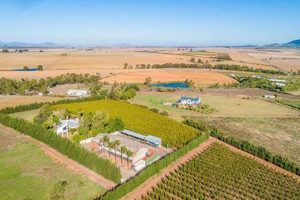
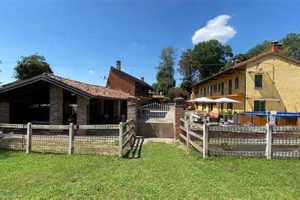
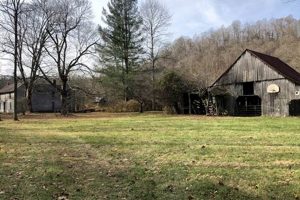
The availability of agricultural properties in New Hampshire presents opportunities for individuals and organizations seeking land for cultivation, livestock rearing, or other farming activities. These properties often encompass a variety of land types, including tillable fields, pastureland, woodlands, and associated structures such as barns, residences, and outbuildings. Such acquisitions frequently represent significant investments in the agricultural sector.
Acquiring land suited for agricultural use provides numerous advantages, contributing to local food production, preserving open spaces, and fostering rural economies. Historically, agriculture has played a vital role in shaping the New Hampshire landscape and economy. The continued availability of properties allows for the preservation of this heritage and the promotion of sustainable land management practices. These transactions also offer potential for individuals to pursue agricultural careers and contribute to the state’s food security.
The subsequent sections will delve into the factors influencing the market for these properties, the considerations involved in selecting suitable locations, and the resources available to support agricultural endeavors within the state. This includes analysis of market trends, legal and regulatory frameworks, and available financing options for prospective buyers.
Tips for Acquiring Agricultural Properties in New Hampshire
Acquiring land for agricultural purposes requires careful planning and due diligence. The following considerations should be addressed before finalizing any transaction involving agricultural properties in New Hampshire.
Tip 1: Conduct Thorough Due Diligence: A comprehensive assessment of the property is paramount. This includes soil testing to determine suitability for specific crops, water source evaluation to ensure adequate supply for irrigation and livestock, and a survey to confirm boundaries and identify any easements or encumbrances.
Tip 2: Understand Zoning Regulations: Research local zoning ordinances to ascertain permitted agricultural activities and any restrictions that may apply. Restrictions could involve building height limitations, setback requirements, or limitations on livestock numbers.
Tip 3: Evaluate Existing Infrastructure: Assess the condition of existing structures, such as barns, outbuildings, and residential dwellings. Determine whether repairs or renovations are necessary and factor those costs into the overall investment.
Tip 4: Investigate Water Rights: Water is a critical resource for agricultural operations. Verify the availability of water rights associated with the property and ensure they are sufficient for planned activities. This may involve reviewing existing permits and researching historical water usage.
Tip 5: Consider Environmental Factors: Evaluate the property for potential environmental concerns, such as contaminated soil or the presence of wetlands. A Phase I Environmental Site Assessment may be advisable to identify potential liabilities.
Tip 6: Explore Financing Options: Secure appropriate financing to support the acquisition. Options may include agricultural loans from commercial banks, Farm Credit institutions, or government programs such as those offered by the USDA.
Tip 7: Engage Legal Counsel: Consult with an attorney specializing in real estate and agricultural law to review purchase agreements, title documents, and other legal instruments. Legal counsel can identify potential risks and ensure that the transaction is structured in a manner that protects the buyer’s interests.
Adhering to these tips will enhance the prospect of a successful and sustainable agricultural venture. Careful preparation and investigation are critical for making informed decisions and mitigating potential risks.
The subsequent sections will explore available resources for agricultural landowners in New Hampshire and provide insights into long-term planning for farm operations.
1. Land Assessment

A thorough evaluation of land characteristics is paramount when considering agricultural properties in New Hampshire. This assessment directly impacts the suitability of the land for specific agricultural activities, influencing productivity and long-term viability.
- Soil Composition and Fertility
Soil composition, including texture, structure, and organic matter content, dictates its ability to retain water, provide nutrients, and support root growth. Fertility assessments, typically through soil testing, reveal nutrient deficiencies or imbalances that require remediation. For example, land with sandy soil may require extensive irrigation, while acidic soils may need lime applications to support optimal plant growth. Properties lacking adequate soil fertility may necessitate significant investment in soil amendments before productive farming can commence. Land Assessment play main role to ensure nh farms for sale.
- Topography and Drainage
The slope and elevation of the land influence water runoff, erosion potential, and accessibility for farm equipment. Steep slopes may limit the types of crops that can be cultivated and increase the risk of soil erosion. Proper drainage is essential to prevent waterlogging and root diseases. Properties with poor drainage may require drainage systems installation, adding to the overall investment cost. The quality of Land assessment is needed.
- Water Availability and Rights
Access to a reliable water source is crucial for irrigation and livestock management. Assessments should include evaluation of well capacity, surface water availability (streams, ponds), and any existing water rights associated with the property. Water rights are particularly important in regions with water scarcity. Purchasing properties without secure water rights can significantly limit agricultural potential. nh farms for sale land assessment required water right.
- Presence of Environmental Constraints
Identifying potential environmental constraints, such as wetlands, protected species habitats, or contaminated sites, is essential. Wetlands are often protected by regulations that restrict development or agricultural activities. Contaminated sites may require remediation, which can be costly and time-consuming. A comprehensive environmental assessment is necessary to avoid unforeseen liabilities. nh farms for sale will get advantage if land assessment has been done.
These facets of land assessment collectively determine the agricultural potential and investment requirements of a property. A detailed understanding of soil quality, topography, water resources, and environmental constraints is critical for making informed decisions when evaluating agricultural properties in New Hampshire. The absence of proper land assessment can lead to unforeseen challenges and financial losses.
2. Market Valuation

The determination of fair market value is a critical step in the acquisition of agricultural properties. Accurate market valuation ensures that both buyers and sellers engage in equitable transactions, reflecting the inherent worth of the land and its associated assets. Several factors influence the market valuation of these properties.
- Comparable Sales Data
Analysis of recent sales of similar agricultural properties provides a benchmark for valuation. Location, acreage, soil quality, existing infrastructure, and water rights are key variables considered when comparing properties. For example, a 100-acre farm with fertile soil and irrigation rights will command a higher price than a 100-acre parcel with poor soil and limited water access. Accurate comparable sales data are essential for establishing a realistic market value in the domain of nh farms for sale.
- Income Potential
The potential income that can be generated from agricultural activities directly impacts the valuation. This includes revenue from crop production, livestock farming, timber harvesting, and other agricultural enterprises. Properties with established, profitable farming operations typically command a higher price than those requiring significant initial investment to generate income. Projections of future income streams are vital when assessing the potential return on investment regarding nh farms for sale.
- Development Potential
The potential for future development, such as residential subdivisions or commercial projects, can significantly influence the valuation. Properties located near urban areas or with favorable zoning regulations for non-agricultural uses may have a higher value than those located in remote areas with strict agricultural zoning. An assessment of development potential requires expertise in local zoning laws and market trends connected to nh farms for sale.
- Location and Accessibility
Location plays a crucial role in determining property value. Proximity to markets, transportation infrastructure, and essential services affects the ease of doing business and influences demand. Properties located near major highways or with access to rail lines may be more valuable due to reduced transportation costs. The accessibility of nh farms for sale properties significantly contributes to their market value.
These elements of market valuation collectively contribute to determining a fair and accurate price for agricultural properties. A thorough understanding of comparable sales data, income potential, development potential, and location is critical for making informed decisions when evaluating properties. The complexities surrounding market valuation necessitates engagement with qualified appraisers experienced in assessing agricultural land to ensure a sound investment regarding nh farms for sale.
3. Zoning Compliance
Adherence to local zoning ordinances is a fundamental aspect of agricultural property transactions. Zoning regulations dictate the permissible uses of land and can significantly impact the scope and viability of farming operations. Prospective buyers must thoroughly investigate zoning restrictions before acquiring a property to ensure compliance with intended agricultural activities. Zoning compliance is therefore a pivotal consideration for anyone interested in nh farms for sale.
- Permitted Uses
Zoning ordinances delineate the specific agricultural activities allowed within a given zone. These may include crop cultivation, livestock rearing, forestry, and agritourism. Certain zones may restrict or prohibit certain activities based on factors such as noise levels, odor emissions, or traffic generation. For instance, a residential zone might permit small-scale gardening but disallow commercial livestock operations. Understanding permitted uses is crucial to avoid regulatory violations. nh farms for sale must comply with permitted uses.
- Setback Requirements
Zoning regulations often specify minimum setback distances from property lines for structures, livestock enclosures, and other agricultural facilities. Setbacks are designed to protect adjacent properties from potential nuisances and maintain property values. Failure to adhere to setback requirements can result in fines, legal action, or the forced removal of non-compliant structures. nh farms for sale need follow Setback Requirements.
- Building Height Restrictions
Building height restrictions limit the vertical dimensions of structures, including barns, silos, and other agricultural buildings. These restrictions are intended to preserve scenic views, prevent overshadowing of neighboring properties, and maintain the character of the area. Exceeding building height limits can lead to costly modifications or legal challenges. nh farms for sale will affected by Building Height Restrictions.
- Environmental Regulations
Zoning ordinances may incorporate environmental regulations related to agricultural practices, such as restrictions on pesticide use, manure management requirements, and protection of wetlands and waterways. These regulations are designed to minimize the environmental impact of farming operations and protect natural resources. Non-compliance with environmental regulations can result in fines, legal penalties, and damage to the environment. nh farms for sale will implement Environmental Regulations.
The intersection of zoning regulations and agricultural practices necessitates careful planning and diligence on the part of prospective buyers. Thorough research of local zoning ordinances is essential to ensure that intended agricultural activities are permitted and can be conducted in compliance with applicable regulations. Failure to address zoning compliance can have significant financial and operational consequences for owners of nh farms for sale.
4. Water Resources
Access to adequate and reliable water resources is a foundational determinant of the value and operational feasibility of agricultural properties. The availability of water directly affects crop yields, livestock health, and the overall sustainability of farming operations. Insufficient or unreliable water resources can severely limit agricultural potential, rendering a property unsuitable for intensive farming or increasing operational costs through the need for supplemental irrigation systems. Conversely, properties with abundant and secure water sources command a premium in the market, reflecting their increased productivity and resilience to drought conditions. Instances of farms experiencing diminished yields due to inadequate rainfall underscore the critical role water plays in agricultural viability. Without sufficient water, nh farms for sale may not be suitable for certain agricultural operations.
The legal framework governing water rights in New Hampshire further complicates the assessment of water resources. Surface water rights and groundwater extraction are subject to state regulations, requiring prospective buyers to conduct due diligence to ensure their access to water is legally protected and sufficient for their intended agricultural activities. This necessitates a review of existing water rights permits, well capacities, and any restrictions on water usage imposed by local or state authorities. Moreover, potential environmental regulations impacting water quality and usage, such as those relating to nutrient runoff or wetland protection, must be thoroughly evaluated. nh farms for sale need to make sure they are allowed to use water on the farm.
In summary, the assessment of water resources is an indispensable component of evaluating agricultural properties. Its influence on productivity, regulatory compliance, and long-term sustainability cannot be overstated. Careful consideration of water availability, water rights, and environmental regulations is crucial for prospective buyers seeking to invest in successful and resilient farming enterprises. Neglecting water resources in the evaluation of nh farms for sale presents a significant risk to the long-term viability and profitability of agricultural ventures.
5. Infrastructure Condition
The condition of existing infrastructure on agricultural properties directly impacts their operational efficiency and overall value. Dilapidated or inadequate infrastructure can necessitate costly repairs or replacements, reducing the profitability of farming operations and potentially diminishing the property’s market value. The state of barns, outbuildings, fencing, irrigation systems, and residential dwellings significantly influences the practicality and cost-effectiveness of agricultural activities. Conversely, well-maintained and modern infrastructure enhances productivity, reduces maintenance expenses, and contributes to a higher property valuation. For example, a barn with a leaking roof or failing foundation requires immediate attention, impacting livestock health and storage capabilities. Therefore, infrastructure condition is a paramount consideration when evaluating nh farms for sale.
The assessment of infrastructure extends beyond visual inspection. It includes evaluating the functionality and efficiency of essential systems, such as electrical wiring, plumbing, and heating. Outdated electrical systems may pose safety hazards and limit the use of modern farming equipment. Inefficient plumbing can lead to water wastage and increased operating costs. Similarly, poorly insulated residential dwellings can result in high energy consumption. Properties featuring recently upgraded infrastructure often command a premium due to the reduced risk of immediate repairs and the increased potential for operational efficiency. For instance, a property with a new irrigation system offers greater control over water usage and potentially higher crop yields. nh farms for sale with upgraded infrastructure will command a higher value in market.
In conclusion, the condition of infrastructure is a critical factor in assessing the value and viability of agricultural properties. Prospective buyers should conduct a thorough inspection of all existing infrastructure to identify potential deficiencies and estimate the costs associated with necessary repairs or upgrades. Investing in nh farms for sale with sound infrastructure promotes long-term operational efficiency, reduces maintenance expenses, and contributes to the sustainability of agricultural endeavors. Overlooking the condition of infrastructure introduces financial and operational risks that can significantly impact the profitability of the farm.
Frequently Asked Questions
This section addresses common inquiries regarding the purchase of agricultural land within the state of New Hampshire. The information presented is intended for informational purposes only and does not constitute legal or financial advice. Consultation with relevant professionals is recommended.
Question 1: What factors influence the pricing of agricultural land in New Hampshire?
Pricing is determined by several key variables, including acreage, soil quality, water access and rights, existing infrastructure, location relative to markets, zoning regulations, and potential for development. Properties with fertile soil, ample water resources, and well-maintained infrastructure typically command higher prices.
Question 2: Are there specific financing options available for agricultural property purchases?
Yes. Numerous financing options cater specifically to agricultural acquisitions. These encompass loans from commercial banks, Farm Credit institutions, and government programs offered by the USDA. Eligibility criteria and interest rates vary depending on the lender and the specific program. A thorough investigation of available financing alternatives is advisable.
Question 3: What due diligence steps are recommended before purchasing agricultural property?
Conducting thorough due diligence is crucial. This process entails soil testing, water source evaluation, boundary surveys, zoning regulation research, and environmental assessments. Engaging qualified professionals, such as soil scientists, surveyors, and environmental consultants, is recommended to identify potential issues or liabilities.
Question 4: How do zoning regulations impact agricultural activities?
Zoning regulations dictate the permissible uses of land and can significantly restrict agricultural activities. Ordinances may specify allowable farming practices, building height limitations, setback requirements, and environmental regulations. Compliance with zoning regulations is essential to avoid fines, legal action, or restrictions on planned agricultural operations.
Question 5: What considerations are important when assessing water rights?
Assessing water rights entails verifying the availability of water rights associated with the property, understanding any restrictions on water usage, and ensuring the adequacy of water resources for planned agricultural activities. Reviewing existing water permits and researching historical water usage is vital to avoid water scarcity issues or legal disputes.
Question 6: What are the potential environmental liabilities associated with agricultural land?
Potential environmental liabilities may encompass contaminated soil, the presence of wetlands, or endangered species habitats. Conducting a Phase I Environmental Site Assessment is advisable to identify potential environmental risks and estimate the costs associated with remediation. Failure to address environmental liabilities can result in significant financial burdens and legal repercussions.
Successful agricultural property acquisition relies on diligent research, informed decision-making, and compliance with all applicable regulations. Seeking professional guidance is essential to navigate the complexities of agricultural real estate transactions.
The subsequent sections will explore available resources for agricultural landowners in New Hampshire and provide insights into long-term planning for farm operations.
Conclusion
The preceding analysis underscores the multifaceted considerations inherent in the acquisition of agricultural properties. Factors ranging from land quality and water rights to zoning compliance and infrastructure integrity directly influence the feasibility and long-term success of farming ventures. A comprehensive understanding of these elements is paramount for prospective buyers seeking to invest in agricultural land within the state.
Prospective investors are urged to conduct thorough due diligence and seek expert guidance when evaluating nh farms for sale. Careful assessment of these critical factors will contribute to informed decision-making, mitigating potential risks and maximizing the potential for sustainable agricultural productivity. Ultimately, such diligence supports the preservation of agricultural land and the continued viability of farming within New Hampshire.