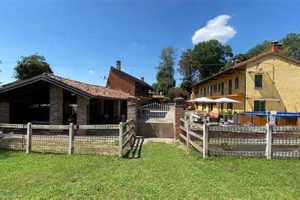
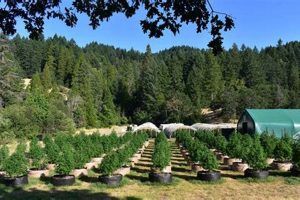
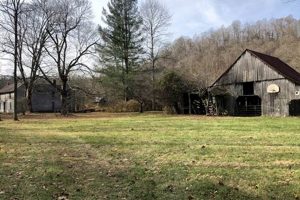
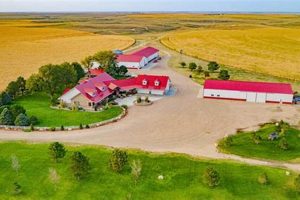
Agricultural properties on Oahu represent a distinct segment of the real estate market, comprising acreage suitable for cultivation, livestock rearing, or other agricultural endeavors. These properties can range from small parcels ideal for niche farming to expansive tracts capable of supporting large-scale operations. Examples include existing farms with established infrastructure, undeveloped land ready for agricultural conversion, and properties with a mix of arable land and natural resources.
Securing arable land on Oahu presents several advantages. It contributes to local food production, reducing reliance on imported goods and enhancing food security for the island community. Furthermore, agricultural activities can support local economies, creating employment opportunities and preserving the rural character of the island. Historically, agriculture has played a significant role in Oahu’s economy and cultural identity, shaping its landscape and traditions.
The following sections will delve into factors influencing the availability and pricing of such properties, legal considerations pertinent to agricultural land use, and resources available to prospective buyers seeking to invest in Oahu’s agricultural sector.
Tips for Acquiring Agricultural Properties
Purchasing land for agricultural use necessitates careful planning and due diligence. Potential buyers should consider these key factors before making a commitment.
Tip 1: Conduct Thorough Due Diligence: Investigate zoning regulations, water rights, soil quality, and potential environmental concerns. Engage qualified professionals such as surveyors, soil scientists, and legal counsel to assess the suitability of the property for intended agricultural purposes. For instance, a soil analysis can reveal limitations regarding crop selection.
Tip 2: Secure Adequate Water Resources: Water availability is crucial for successful agricultural operations. Verify the existence of sufficient water rights, access to irrigation systems, or the feasibility of developing new water sources. The cost of water infrastructure can significantly impact the overall investment.
Tip 3: Understand Zoning and Land Use Restrictions: Agricultural land may be subject to specific zoning regulations that govern permitted uses, building restrictions, and environmental protection measures. Compliance with these regulations is essential to avoid future legal challenges.
Tip 4: Evaluate Infrastructure and Accessibility: Assess the existing infrastructure on the property, including roads, utilities, and buildings. Consider the cost of upgrading or constructing new infrastructure to meet the needs of the intended agricultural operation. Accessible transportation routes are vital for efficient transportation of goods and supplies.
Tip 5: Obtain Professional Legal and Financial Advice: Consult with experienced real estate attorneys and financial advisors specializing in agricultural transactions. Legal counsel can help navigate complex land use regulations, negotiate purchase agreements, and protect property rights. Financial advisors can assist in securing financing and developing a sound investment strategy.
Tip 6: Consider Long-Term Sustainability: Evaluate the long-term sustainability of the agricultural operation, taking into account factors such as climate change, soil erosion, and water conservation. Implementing sustainable farming practices can enhance the value and productivity of the land over time.
Tip 7: Investigate Potential Tax Benefits: Agricultural land may be eligible for preferential tax treatment, such as reduced property taxes or agricultural exemptions. Research available tax benefits and consult with a tax professional to determine eligibility.
Careful adherence to these recommendations increases the likelihood of a successful agricultural land acquisition, ensuring a viable and sustainable farming operation.
The following section will discuss available resources and strategies for finding suitable agricultural properties.
1. Zoning Regulations

Zoning regulations exert a significant influence on the availability and usability of properties classified as agricultural land on Oahu. These regulations, established by the City and County of Honolulu, dictate permissible land uses within specific zones, including those designated for agricultural activities. The specific zoning designation of a property directly impacts the types of farming operations allowed, building restrictions, and potential for future development. For instance, a property zoned exclusively for agricultural use may have restrictions on building additional structures or converting the land for residential or commercial purposes. Conversely, properties zoned with greater flexibility might permit a wider range of agricultural and related activities, such as agritourism or value-added processing.
Compliance with zoning regulations is paramount for prospective buyers of agricultural land. Failure to adhere to these regulations can result in penalties, legal challenges, and the inability to pursue intended agricultural activities. For example, operating a commercial pig farm in a zone designated for crop cultivation would likely violate zoning ordinances and incur legal consequences. Similarly, constructing a large-scale agricultural processing facility without proper permits in a restricted agricultural zone could lead to costly fines and delays. Therefore, thorough due diligence is crucial to ascertain the specific zoning designation of a property and understand its implications for planned agricultural operations.
In summary, zoning regulations serve as a critical determinant in the viability and permissible uses of agricultural properties on Oahu. A comprehensive understanding of these regulations is essential for prospective buyers to ensure compliance and to maximize the potential of their agricultural investments. Understanding zoning impacts the types of crops or livestock allowed, building permits, and the potential for non-agricultural diversification. This knowledge safeguards against potential legal issues and ensures the long-term success of agricultural endeavors.
2. Water Rights
Water rights represent a critical determinant in the valuation and viability of agricultural land on Oahu. The availability and legal entitlement to water resources directly influence the capacity to sustain agricultural operations, impacting crop yields, livestock production, and overall farm productivity. Without secure and adequate water rights, agricultural properties are significantly devalued due to the inherent limitations placed on their potential use. For instance, a parcel of land with fertile soil and favorable climate conditions becomes economically unviable if there is no guaranteed access to irrigation water, especially during periods of drought.
The legal framework governing water rights in Hawaii is complex, rooted in both traditional Hawaiian practices and modern statutory law. Understanding this framework is essential for prospective buyers of agricultural land to ensure they can legally access and utilize water resources. Disputes over water rights are not uncommon, and the outcome can drastically affect the value and operational capabilities of a farm. For example, a farm might possess surface water rights to a nearby stream, but those rights could be challenged by downstream users or environmental groups, leading to costly litigation and potentially restricting water usage. Moreover, the availability of state-funded water infrastructure projects can enhance the value of agricultural land by providing reliable water sources; conversely, lack of access to such infrastructure can limit its potential.
In conclusion, water rights are inextricably linked to the value and operability of agricultural land on Oahu. Proper due diligence in assessing the legal status and availability of water resources is paramount for any potential buyer. Failure to adequately investigate water rights can result in significant financial losses and operational challenges, underscoring the critical importance of this consideration in the acquisition of agricultural land. The security of water access underpins sustainable agricultural practices and long-term investment value.
3. Soil Composition

Soil composition stands as a foundational element in determining the suitability and value of agricultural land on Oahu. The physical, chemical, and biological properties of the soil directly influence its capacity to support plant growth and, consequently, the economic viability of farming operations. Properties offered as farmland for sale require rigorous assessment of soil characteristics to ascertain their potential productivity. For instance, soil pH, nutrient content (nitrogen, phosphorus, potassium), and organic matter levels dictate the types of crops that can be successfully cultivated. Land with well-drained, fertile soil commands a higher market value compared to parcels characterized by poor drainage, nutrient deficiencies, or high salinity.
The impact of soil composition extends to management practices and input costs. Deficient soils necessitate amendments, such as fertilizers and organic matter, to enhance their productivity, thereby increasing operational expenses. Conversely, land with naturally fertile soils minimizes the need for such inputs, reducing long-term costs and promoting sustainable farming practices. An example is the Wahiawa region, where volcanic soils are generally fertile but may require amendments to optimize pH for certain crops. Furthermore, soil erosion potential must be evaluated, as erosion can degrade soil quality over time, reducing its agricultural productivity. Proper soil conservation practices are, therefore, essential for maintaining the long-term value of farmland.
In summation, soil composition is a critical factor influencing the economic potential and sustainability of agricultural properties on Oahu. Its assessment is an integral component of due diligence for prospective buyers. Understanding soil characteristics, their limitations, and management requirements is vital for making informed investment decisions, ensuring the long-term productivity and value of the land. Properties with favorable soil profiles offer distinct advantages, contributing to higher yields, reduced input costs, and greater resilience to environmental stressors.
4. Accessibility Factors

Accessibility factors are integral to the viability and economic potential of agricultural land on Oahu. Proximity to markets, transportation infrastructure, and necessary resources directly impacts the efficiency and profitability of farming operations. Inadequate accessibility can significantly increase operational costs and limit the market reach of agricultural products, thereby affecting the value and desirability of farm properties.
- Road Infrastructure
Road infrastructure plays a pivotal role in facilitating the transportation of agricultural inputs (such as fertilizers, seeds, and equipment) to the farm and the delivery of harvested crops to processing facilities or markets. Farms located on poorly maintained roads or those with limited access to major transportation routes incur higher transportation costs and face potential delays. For instance, a farm situated far from the H-2 freeway may experience significantly longer transit times to Honolulu’s wholesale markets, impacting the freshness and market value of perishable goods.
- Proximity to Markets
The geographic proximity of agricultural land to consumer markets and distribution centers directly influences transportation costs and the competitiveness of agricultural products. Farms located closer to urban centers or established distribution networks benefit from reduced transportation expenses, enhanced market access, and increased opportunities for direct sales. Conversely, farms situated in remote areas face higher transportation costs, limiting their profitability and competitiveness. For example, farms in the North Shore, while benefiting from fertile soil, must factor in the cost and time associated with transporting produce to markets in Honolulu.
- Availability of Utilities
Access to essential utilities, such as electricity and water, is crucial for supporting various agricultural activities, including irrigation, processing, and storage. Farms without access to reliable electricity supplies may face challenges in operating essential equipment, such as water pumps and refrigeration units, thereby increasing operational costs or limiting the types of crops that can be cultivated. Similarly, the availability of potable water is essential for certain agricultural practices, as well as for the health and safety of farmworkers. For example, farms relying on well water may face limitations during periods of drought or water scarcity.
- Labor Accessibility
The availability of a skilled and reliable labor force is critical for the success of agricultural operations. Farms located in areas with limited access to labor markets may face challenges in recruiting and retaining qualified farmworkers, potentially leading to increased labor costs and reduced productivity. For instance, farms located in remote rural areas may struggle to attract workers due to limited housing options, transportation challenges, and competition from other industries. Accessibility to labor pools influences the ability to manage and expand agricultural activities effectively.
In conclusion, accessibility factors exert a profound influence on the economic viability and operational efficiency of farms on Oahu. Prudent assessment of these factors is essential for prospective buyers of agricultural land, as they directly impact transportation costs, market access, utility expenses, and labor availability. Optimizing accessibility can significantly enhance the profitability and sustainability of farming operations, underscoring its importance in the acquisition and management of agricultural land.
5. Market Valuation

Market valuation plays a crucial role in determining the fair price and investment potential of agricultural land offered on Oahu. It involves a comprehensive analysis of various factors to estimate the value of a property, influencing both the seller’s asking price and the buyer’s willingness to invest. Understanding market valuation principles is essential for making informed decisions in the acquisition or disposition of arable land.
- Comparable Sales Analysis
Comparable sales analysis is a cornerstone of market valuation, involving the examination of recent sales of similar agricultural properties in the same geographic area. Factors considered include property size, soil quality, water rights, zoning regulations, and accessibility. For instance, if a 10-acre parcel of farmland with irrigation rights recently sold for $500,000 in a comparable location, it provides a benchmark for valuing similar properties. Adjustments are made for differences in features and amenities to arrive at an estimated market value. Inaccurate or incomplete comparable sales data can lead to misinformed investment decisions.
- Income Capitalization Approach
The income capitalization approach values farmland based on its potential to generate income from agricultural activities. This method involves estimating the annual net operating income (NOI) that the land can produce, considering factors such as crop yields, market prices, and operating expenses. The NOI is then divided by a capitalization rate, which reflects the perceived risk and return associated with the investment. For example, farmland generating an annual NOI of $20,000 with a capitalization rate of 5% would be valued at $400,000. The capitalization rate is influenced by prevailing interest rates, investment risks, and market conditions. Variations in crop prices or operating costs can significantly affect the income-generating potential and, consequently, the market value.
- Highest and Best Use Analysis
Highest and best use analysis evaluates the most profitable and legally permissible use of the land, which may or may not be its current agricultural use. This analysis considers alternative uses, such as residential development, commercial ventures, or recreational activities, and determines the use that maximizes the property’s value. If a parcel of farmland is located in an area experiencing rapid urban growth, its highest and best use may be residential development rather than agriculture, resulting in a higher market value. Zoning regulations, environmental restrictions, and market demand play critical roles in determining the highest and best use. Failure to consider potential alternative uses can lead to an undervaluation of the property.
- External Market Factors
External market factors, such as economic conditions, demographic trends, and government policies, can significantly impact the market valuation of farmland. Economic growth, population increases, and changes in consumer preferences can drive demand for locally grown agricultural products, increasing the value of farmland. Government policies, such as agricultural subsidies and zoning regulations, can also influence market valuation. For example, a government program that provides tax incentives for agricultural land preservation may increase the value of farmland by reducing the tax burden on landowners. Conversely, stricter environmental regulations or increased property taxes can decrease market valuation by raising operating costs or limiting development potential. Monitoring external market factors is essential for assessing the long-term investment potential of farmland.
In summary, market valuation of farmland on Oahu is a complex process that requires careful consideration of comparable sales, income potential, highest and best use, and external market factors. A thorough understanding of these principles enables prospective buyers and sellers to make informed decisions and ensures that agricultural properties are valued accurately and fairly. Fluctuations in any of these elements can shift property values considerably.
6. Leasehold Options

Leasehold options for agricultural land on Oahu represent an alternative to direct ownership, involving the temporary transfer of land use rights from a landowner to a lessee for a specified period. These arrangements can offer a pathway for individuals or entities to engage in agricultural activities without the significant capital outlay associated with purchasing property. The availability of leasehold options is contingent upon the landowner’s willingness to lease the land, as opposed to selling it outright, often influenced by factors such as long-term investment strategies, estate planning, or a desire to maintain control over land use practices. A potential farmer may choose to lease land to minimize initial expenses, allowing for greater investment in equipment and operational costs. In contrast, a landowner may opt for a leasehold arrangement to generate revenue while retaining ownership of the land, preserving its potential for future development or other purposes. A large landowner who wants to ensure that their agricultural land is well kept might choose to lease to a farmer who has experience and dedication for farming.
The terms of a leasehold agreement can vary considerably, encompassing aspects such as lease duration, rental rates, permitted land uses, and responsibilities for maintenance and improvements. Lease terms are often tailored to accommodate the specific needs of both the landowner and the lessee. For instance, a long-term lease with provisions for renewable options might be attractive to a farmer investing in infrastructure or perennial crops, while a shorter-term lease may suit seasonal operations or experimental farming ventures. The terms can also incorporate provisions for water rights, soil conservation practices, and compliance with environmental regulations. Leasehold properties can offer an entry point for new farmers, provide opportunities for expansion of existing operations, and foster innovation in agricultural practices. A farmer can choose to lease land for a limited time to test a new crop and market before committing to a purchase. However, the temporary nature of leasehold arrangements can also create uncertainty regarding long-term land access, potentially hindering investments in infrastructure or long-term improvements. Lease terms may also be changed during the period, which may be risky for the tenant farmer.
In summary, leasehold options constitute a significant facet of the agricultural land market on Oahu, providing alternative avenues for land access and agricultural production. The viability of leasehold arrangements hinges upon the terms of the lease agreement, the interests of both landowners and lessees, and the broader economic and regulatory environment. While leasehold options can offer flexibility and reduced upfront costs, potential lessees should carefully evaluate the long-term implications of limited land ownership and the potential for changes in lease terms. These variables must be investigated to ensure the success of agricultural operations under a leasehold agreement.
7. Sustainability Practices

The integration of sustainability practices into agricultural operations on Oahu significantly impacts the value and marketability of land. Prospective buyers increasingly prioritize properties demonstrating a commitment to environmental stewardship, recognizing the long-term benefits associated with responsible land management. Sustainable farming techniques, such as crop rotation, reduced tillage, and integrated pest management, contribute to soil health, water conservation, and biodiversity preservation. Properties implementing these practices are often perceived as more resilient and less susceptible to environmental degradation, enhancing their appeal to environmentally conscious investors. For instance, a farm employing cover cropping to prevent soil erosion and reduce fertilizer use may command a higher sale price compared to a conventionally managed property with similar characteristics. Adopting sustainable practices minimizes environmental impact and mitigates potential regulatory risks, further bolstering the long-term value of the land. Properties that have adopted organic or biodynamic farming practices can demonstrate that their agricultural land is sustainable.
The adoption of sustainable practices can also unlock access to premium markets and value-added opportunities. Consumers are increasingly willing to pay a premium for locally sourced, sustainably produced food, creating a competitive advantage for farms employing environmentally responsible methods. Properties certified as organic or practicing regenerative agriculture may qualify for higher prices and expanded market access. Real-world examples include farms on Oahu that have successfully marketed their products as “sustainably grown,” commanding premium prices at farmers’ markets and through direct-to-consumer sales channels. Additionally, integrating sustainable practices can reduce input costs, such as fertilizers and pesticides, enhancing profitability and operational efficiency. This financial benefit, coupled with increased market access, strengthens the long-term economic viability of sustainable agricultural operations and contributes to higher property values. For example, reduced water usage and reduced chemical usage means that the agricultural land will be less prone to future environmental issue, thus improving sales in the long-term
In conclusion, sustainability practices represent a critical consideration in the valuation and marketability of agricultural land on Oahu. Their adoption not only enhances environmental stewardship but also unlocks economic opportunities, increasing property values and ensuring the long-term resilience of farming operations. While implementing sustainable practices may require initial investment, the long-term benefits, including reduced input costs, increased market access, and enhanced environmental performance, significantly outweigh the challenges. Embracing sustainability practices secures agricultural lands for future generations and aligns with the increasing consumer demand for responsibly produced food, which ultimately enhances farmland properties in Oahu.
Frequently Asked Questions
This section addresses common inquiries regarding the acquisition and utilization of agricultural properties on Oahu. The information provided aims to clarify key considerations for prospective buyers and stakeholders.
Question 1: What factors influence the price of agricultural land on Oahu?
Pricing is determined by several variables, including parcel size, soil quality, water rights, zoning regulations, location relative to markets, and overall market demand. Properties with favorable characteristics, such as fertile soil and reliable water sources, generally command higher prices.
Question 2: Are there restrictions on what can be grown or raised on agricultural land?
Zoning regulations and land use restrictions dictate permissible agricultural activities. Specific zoning districts may limit the types of crops cultivated or livestock raised. Prospective buyers should consult with the City and County of Honolulu’s Department of Planning and Permitting to ascertain applicable restrictions.
Question 3: How does one determine water rights for a particular property?
Water rights in Hawaii are governed by a complex legal framework. Potential buyers must conduct thorough due diligence to verify water rights, which may involve reviewing historical records, consulting with water resource experts, and obtaining legal counsel. Unclear or contested water rights can significantly impact the value of agricultural land.
Question 4: What resources are available to assist individuals in purchasing agricultural land?
Several resources are available, including real estate agents specializing in agricultural properties, agricultural extension services, government agencies, and financial institutions offering agricultural loans. These resources can provide guidance on property selection, financing options, and compliance with regulations.
Question 5: What are the tax implications of owning agricultural land on Oahu?
Agricultural land may be subject to preferential tax treatment, such as reduced property taxes or agricultural exemptions. However, eligibility for such benefits depends on meeting specific criteria and adhering to applicable regulations. Consulting with a tax professional is recommended to understand the specific tax implications.
Question 6: What are the common challenges faced by farmers on Oahu, and how can they be addressed?
Common challenges include high land costs, limited water availability, competition from imported agricultural products, and regulatory compliance. Addressing these challenges requires proactive strategies, such as diversifying agricultural operations, adopting sustainable farming practices, and seeking government support.
Understanding these frequently asked questions provides a foundational knowledge base for those interested in agricultural properties on Oahu. Due diligence and professional consultation are crucial for informed decision-making.
The subsequent section will explore case studies of successful agricultural ventures on Oahu.
Farm Land for Sale on Oahu
This exploration of farm land for sale on Oahu has illuminated several critical aspects of this niche real estate sector. From zoning regulations and water rights to soil composition and market valuation, numerous factors influence the availability, cost, and viability of agricultural properties. Prospective buyers must conduct thorough due diligence, engaging qualified professionals to assess the suitability and long-term potential of any investment.
The decision to acquire agricultural land on Oahu represents a significant commitment, demanding careful planning and a comprehensive understanding of local conditions. Responsible land stewardship, sustainable farming practices, and a dedication to supporting local food production are paramount for ensuring the continued vitality of Oahu’s agricultural landscape. As urbanization pressures increase, preserving and promoting agricultural land becomes ever more critical for the island’s economic and environmental well-being. Further research and informed decision-making are encouraged for those considering participation in this vital sector.