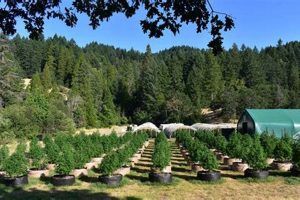
Properties in Costa Rica suited for agricultural endeavors, offered on the market for purchase, represent a significant sector of the nation’s real estate landscape. These properties can range from small, family-run operations to large-scale agricultural enterprises, encompassing land suitable for various crops, livestock, or a combination thereof. A prime example would be a coffee plantation in the Central Valley or a cattle ranch in the Guanacaste province.
Investment in these agricultural lands holds substantial economic value due to the country’s favorable climate, fertile soil, and strategic geographical location, enabling access to international markets. Historically, agriculture has played a crucial role in the Costa Rican economy, driving development and shaping the cultural identity of numerous communities. Owning such property allows for participation in this legacy, offering opportunities for sustainable farming practices, eco-tourism ventures, and contribution to local economies.
Understanding the nuances of acquiring farmland in this Central American nation requires careful consideration of factors such as legal frameworks, environmental regulations, land use designations, and regional agricultural specializations. Subsequent sections will delve into these critical aspects, providing a comprehensive overview for potential investors and stakeholders.
Acquiring Agricultural Land
Purchasing agricultural land in Costa Rica involves careful planning and due diligence. The following guidance highlights critical aspects to consider throughout the acquisition process.
Tip 1: Conduct Thorough Due Diligence: Verify land titles, survey maps, and registered easements with the National Registry (Registro Nacional). Engage a qualified legal professional experienced in Costa Rican real estate law to ensure a clear understanding of property rights and potential encumbrances.
Tip 2: Assess Environmental Considerations: Investigate environmental regulations and protected areas that may affect land use. Contact the Ministry of Environment and Energy (MINAE) to determine if the property is subject to specific restrictions or permits required for agricultural activities.
Tip 3: Evaluate Soil Suitability and Water Resources: Perform soil testing to determine its suitability for the intended crops or livestock. Assess the availability and sustainability of water resources, including access to rivers, wells, or irrigation systems. Ensure compliance with water rights regulations.
Tip 4: Analyze Infrastructure and Accessibility: Evaluate the property’s proximity to roads, utilities (electricity, water, internet), and markets. Consider transportation costs and logistical challenges associated with accessing the property and transporting agricultural products.
Tip 5: Understand Zoning Regulations and Land Use Restrictions: Consult with the local municipality (municipalidad) to determine zoning regulations and land use restrictions that may impact agricultural activities. Verify permitted uses, building codes, and development limitations.
Tip 6: Explore Financing Options: Investigate financing options available through local banks, credit unions, or international financial institutions. Secure pre-approval for financing before committing to purchase the property.
Tip 7: Engage Local Experts: Collaborate with experienced agricultural consultants, agronomists, and real estate professionals familiar with the local market and agricultural practices. Their expertise can provide valuable insights and guidance throughout the acquisition process.
Adhering to these guidelines mitigates potential risks and maximizes the opportunities associated with investing in agricultural land. Diligent research and professional guidance are crucial for making informed decisions and ensuring a successful investment.
These insights serve as a foundational guide for individuals and entities exploring the purchase of agricultural land in this region. The subsequent conclusion summarizes the key considerations for a successful transaction.
1. Agricultural Suitability

Agricultural suitability, in the context of available agricultural properties, represents a critical determinant of potential return on investment and operational sustainability. It involves a comprehensive assessment of various factors that influence the feasibility and productivity of farming activities on a specific land parcel.
- Soil Composition and Fertility
Soil composition directly impacts the types of crops that can be successfully cultivated. Properties with fertile soil, rich in essential nutrients and organic matter, offer greater potential for high-yield harvests. Conversely, farms with degraded or unsuitable soil may require significant investment in soil amendment and remediation, influencing the economic viability of agricultural operations. The availability of suitable soil testing reports is therefore essential during property evaluation.
- Climatic Conditions and Microclimates
Costa Rica exhibits diverse climatic zones, each supporting different agricultural activities. Properties in regions with consistent rainfall and moderate temperatures are suitable for crops such as coffee and bananas. Conversely, drier regions may be better suited for livestock grazing or drought-resistant crops. Microclimates, influenced by elevation and local topography, can create unique conditions conducive to specific agricultural enterprises. Therefore, analyzing long-term weather patterns and understanding the local microclimate is crucial when evaluating land for sale.
- Topography and Terrain
The topography of agricultural land influences its suitability for mechanization and irrigation. Flat or gently sloping land facilitates the use of agricultural machinery and efficient irrigation systems. Steep or uneven terrain may limit accessibility and increase the risk of soil erosion. The presence of natural drainage features, such as streams or rivers, can provide a reliable water source but may also pose challenges related to flood control and environmental regulations. A thorough assessment of the land’s topography is essential to determine its suitability for intended agricultural activities.
- Water Availability and Access
Reliable access to water is essential for virtually all agricultural operations. Properties with access to established irrigation systems, wells, or natural water sources offer a significant advantage. The availability of water rights and permits is crucial to ensure long-term sustainability. In regions prone to drought, water conservation strategies and efficient irrigation techniques are essential for maximizing agricultural productivity. Therefore, evaluating water resources and related legal considerations is paramount when assessing the suitability of farmland.
In summary, a comprehensive assessment of soil composition, climatic conditions, topography, and water availability is essential when evaluating the agricultural suitability of available properties. These factors directly influence the potential for successful and sustainable farming operations and ultimately impact the investment potential of such land within the Costa Rican context.
2. Legal Verification

Legal verification constitutes an indispensable component when considering the acquisition of agricultural properties in Costa Rica. Rigorous examination of legal documentation and adherence to established legal processes mitigate risks and ensure the security of investment.
- Title Search and Ownership Confirmation
A comprehensive title search at the National Registry (Registro Nacional) confirms the legal owner of the property and identifies any existing liens, encumbrances, or claims. This process verifies that the seller possesses the legal right to transfer ownership, preventing future disputes or legal challenges. For example, a property with an unresolved mortgage or a pending inheritance claim could present significant obstacles to a smooth transfer.
- Survey and Boundary Confirmation
A certified survey confirms the property’s boundaries, dimensions, and geographical coordinates. This process verifies that the land area matches the description in the title deed and identifies any potential encroachments or boundary disputes with neighboring properties. Discrepancies between the surveyed area and the title deed can lead to costly legal battles and may impact the property’s value.
- Environmental Compliance and Permits
Verification of environmental compliance ensures that the property adheres to relevant environmental regulations and that all necessary permits are in place for intended agricultural activities. This includes verifying compliance with regulations related to water usage, deforestation, and pesticide application. Failure to comply with environmental regulations can result in fines, legal action, and restrictions on agricultural operations.
- Zoning and Land Use Regulations
Examination of local zoning and land use regulations confirms the permitted uses of the property and any restrictions on agricultural activities. This process verifies that the intended agricultural activities are permitted under the local zoning ordinances and that the property complies with building codes and development restrictions. Non-compliance with zoning regulations can result in legal penalties and limitations on the property’s development potential.
In conclusion, thorough legal verification is paramount when evaluating the acquisition of agricultural land. By diligently examining title deeds, surveys, environmental permits, and zoning regulations, potential investors can mitigate risks, ensure compliance with relevant laws, and secure their investment in the Costa Rican agricultural sector. The absence of robust legal due diligence can expose buyers to unforeseen liabilities and jeopardize the long-term viability of their agricultural ventures.
3. Water Resources
Access to and management of water resources are inextricably linked to the valuation and operational success of agricultural properties within Costa Rica. The availability, quality, and legal entitlements to water significantly influence the productivity and sustainability of farming endeavors.
- Water Rights and Concessions
The legal framework surrounding water rights in Costa Rica dictates the permissible extraction and utilization of water resources. Properties possessing established water rights or concessions hold a distinct advantage, ensuring a reliable water supply for irrigation and other agricultural needs. Without clearly defined and legally secured water rights, agricultural operations face significant risks, including potential restrictions on water usage and legal challenges from competing users. For instance, a farm relying on river water without the necessary permits could face fines or be forced to cease operations during periods of water scarcity.
- Irrigation Infrastructure and Systems
The presence and functionality of irrigation infrastructure play a crucial role in maximizing agricultural yields, particularly during dry seasons. Properties equipped with well-maintained irrigation systems, such as drip irrigation or sprinkler systems, offer greater control over water distribution and can significantly enhance crop productivity. Conversely, farms lacking adequate irrigation infrastructure may experience reduced yields and increased vulnerability to drought conditions. The cost of installing or upgrading irrigation systems represents a significant investment factor when evaluating agricultural properties.
- Water Quality and Contamination Risks
The quality of water resources is paramount for maintaining soil health and producing safe agricultural products. Properties situated near industrial areas or intensive agricultural operations may be susceptible to water contamination from pollutants such as pesticides, fertilizers, or heavy metals. Water quality testing is essential to identify potential contamination risks and ensure that water resources meet the required standards for agricultural usage. Contaminated water can damage crops, compromise soil fertility, and pose health risks to consumers, impacting the marketability and value of agricultural products.
- Water Conservation and Sustainable Practices
Increasingly, the adoption of water conservation and sustainable agricultural practices is becoming a key consideration for responsible farming. Properties implementing water-efficient irrigation techniques, rainwater harvesting systems, and soil conservation measures demonstrate a commitment to environmental stewardship and long-term sustainability. Such practices not only reduce water consumption but also enhance soil fertility, improve crop yields, and contribute to the overall resilience of agricultural operations. Buyers are looking for costa rica farms for sale who is practicing water conservative in farm operations.
The convergence of these facets underscores the fundamental importance of water resources in the context of agricultural land. Successful and sustainable farming operations require secure water rights, efficient irrigation infrastructure, high-quality water sources, and a commitment to water conservation. These factors collectively influence the productivity, profitability, and overall value of agricultural properties, impacting the purchasing decisions and long-term viability within the Costa Rican market.
4. Market Access

Market access, in the context of agricultural properties offered in Costa Rica, represents a critical factor influencing profitability, investment viability, and long-term sustainability. Proximity to established markets, efficient transportation infrastructure, and compliance with export regulations significantly affect the ability of farmers to sell their products and generate revenue.
- Proximity to Domestic Markets
Close proximity to local markets, such as urban centers and tourist destinations, provides opportunities for direct sales and reduced transportation costs. Farms located near major cities can supply fresh produce, dairy products, and other agricultural goods to local consumers, restaurants, and hotels. Direct sales through farmers’ markets or roadside stands can increase profitability by eliminating intermediaries. Conversely, farms located in remote areas may face higher transportation costs and limited access to local markets, impacting their competitiveness.
- Access to Export Infrastructure
Costa Rica’s strategic location and established export infrastructure facilitate the shipment of agricultural products to international markets. Farms located near ports, airports, and free trade zones benefit from streamlined export processes and reduced shipping costs. Access to refrigerated storage facilities and specialized transportation services is crucial for exporting perishable goods such as fruits, vegetables, and seafood. Compliance with international phytosanitary regulations and food safety standards is essential for accessing export markets. For example, a banana plantation near a major port with access to refrigerated shipping containers would have a significant advantage in exporting its produce to international markets.
- Transportation Infrastructure and Logistics
The quality of transportation infrastructure, including roads, highways, and railways, directly impacts the efficiency of transporting agricultural products from farms to markets. Well-maintained roads and efficient logistics services reduce transportation time, minimize spoilage, and lower transportation costs. Farms located in areas with poor road conditions may face higher transportation costs and increased risk of damage to agricultural goods. Investment in transportation infrastructure and logistics services is crucial for improving market access and enhancing the competitiveness of agricultural properties.
- Trade Agreements and Tariffs
Costa Rica’s participation in various trade agreements, such as the Central America Free Trade Agreement (CAFTA-DR), provides preferential access to international markets and reduces tariffs on agricultural products. Understanding the implications of these trade agreements is essential for maximizing export opportunities. Farms producing goods subject to high tariffs in certain markets may face reduced profitability. Compliance with trade regulations and documentation requirements is crucial for accessing these preferential trade agreements.
The confluence of domestic and international market accessibility, underpinned by robust infrastructure and favorable trade policies, significantly influences the economic viability of agricultural ventures in Costa Rica. Prudent evaluation of market access dynamics is therefore a critical component of the due diligence process for potential purchasers of agricultural land, playing a crucial role in determining the long-term profitability and sustainability of agricultural operations.
5. Sustainability Practices

Sustainability practices are increasingly pertinent to the valuation and marketability of agricultural properties in Costa Rica. Conscientious environmental stewardship not only contributes to ecological preservation but also enhances long-term economic viability and attracts environmentally conscious buyers. The integration of such practices into farm operations is becoming a significant differentiator in the real estate market.
- Organic Farming and Reduced Chemical Inputs
The adoption of organic farming techniques, including the elimination or reduction of synthetic pesticides and fertilizers, enhances soil health, promotes biodiversity, and reduces environmental pollution. Farms certified as organic command premium prices in both domestic and international markets. Consumers are increasingly willing to pay more for agricultural products grown without harmful chemicals. Properties implementing organic farming practices demonstrate a commitment to environmental responsibility and offer a competitive advantage in the real estate market. For instance, a coffee farm utilizing shade-grown organic methods and certified by a reputable organization may attract buyers seeking sustainably produced coffee beans.
- Water Conservation and Efficient Irrigation
Implementing water conservation measures, such as drip irrigation, rainwater harvesting, and soil moisture monitoring, reduces water consumption, minimizes environmental impact, and improves drought resilience. Water scarcity is an increasing concern in many agricultural regions. Farms employing efficient irrigation techniques demonstrate responsible water management and reduce their reliance on limited water resources. Properties with established water rights and efficient irrigation systems are more attractive to buyers seeking sustainable agricultural operations. Rainwater Harvesting system with large tanks can make farms for sale more sustainable and reduce monthly costs.
- Soil Conservation and Erosion Control
Implementing soil conservation practices, such as terracing, contour plowing, and cover cropping, prevents soil erosion, maintains soil fertility, and protects water quality. Soil erosion is a major threat to agricultural productivity, particularly in hilly or mountainous regions. Farms implementing soil conservation measures demonstrate a commitment to long-term soil health and reduce the risk of land degradation. Properties with well-maintained soil conservation infrastructure are more valuable and sustainable. Farms practicing no-till farming for sale show commitment to conservation efforts.
- Biodiversity Conservation and Habitat Preservation
Preserving and restoring natural habitats, such as forests, wetlands, and riparian zones, enhances biodiversity, supports ecosystem services, and promotes ecotourism opportunities. Farms incorporating biodiversity conservation into their management practices demonstrate a commitment to environmental stewardship and attract nature-loving buyers. Properties with significant areas of natural habitat are more valuable and offer opportunities for diversification through ecotourism or sustainable forestry. Setting aside a portion of farmland for conservation in costa rica farms for sale has multiple benefits.
The integration of sustainability practices into Costa Rican farms for sale is not merely an ethical imperative but a strategic advantage. Such practices enhance the long-term economic viability of agricultural operations, attract environmentally conscious buyers, and contribute to the preservation of Costa Rica’s natural resources. Agricultural properties demonstrating a commitment to sustainability are increasingly sought after in the real estate market, reflecting a growing awareness of the importance of responsible land management.
Frequently Asked Questions
The following section addresses common inquiries regarding the acquisition of farmland in Costa Rica, providing essential information for prospective investors and stakeholders.
Question 1: What are the primary legal considerations when purchasing farmland?
Comprehensive due diligence is paramount. This includes a thorough title search at the National Registry to verify ownership and identify any encumbrances. Engaging legal counsel specializing in Costa Rican real estate law is strongly recommended to ensure compliance with all applicable regulations.
Question 2: How does one assess the agricultural suitability of a property?
A comprehensive assessment should encompass soil analysis, climatic data evaluation, and an examination of water resources. Soil testing determines its suitability for intended crops, while climatic data provides insights into long-term weather patterns. Evaluating water availability and associated water rights is also essential.
Question 3: What environmental regulations apply to agricultural properties?
Costa Rica has stringent environmental regulations governing agricultural activities. Compliance with regulations related to deforestation, water usage, and pesticide application is mandatory. Contacting the Ministry of Environment and Energy (MINAE) is crucial to determine specific restrictions or required permits.
Question 4: How does market access influence the value of agricultural land?
Proximity to markets and access to efficient transportation infrastructure significantly impact profitability. Properties located near urban centers, ports, or free trade zones generally command higher prices. Access to refrigerated storage and specialized transportation services is essential for exporting perishable goods.
Question 5: What are the typical financing options available for purchasing agricultural land?
Financing options may include local banks, credit unions, and international financial institutions. Securing pre-approval for financing is advisable before committing to purchase a property. Interest rates and loan terms vary depending on the lender and the borrower’s creditworthiness.
Question 6: How important are sustainability practices in agricultural land valuation?
Sustainability practices are becoming increasingly important. Farms implementing organic farming techniques, water conservation measures, and soil conservation practices are more attractive to environmentally conscious buyers and may command premium prices. Sustainable practices also contribute to long-term economic viability.
In summation, acquiring agricultural land involves careful consideration of various legal, environmental, and economic factors. Thorough due diligence and professional guidance are crucial for making informed decisions and ensuring a successful investment.
The subsequent section provides a summary of key considerations for navigating the market for agricultural properties.
costa rica farms for sale
The acquisition of agricultural land in Costa Rica represents a significant investment requiring meticulous evaluation. Factors such as legal compliance, environmental stewardship, market accessibility, and sustainable practices are paramount in determining the viability and long-term profitability of such ventures. Due diligence encompassing title verification, soil analysis, water resource assessment, and adherence to local regulations is non-negotiable. The integration of sustainable methodologies further enhances the property’s value and aligns with evolving market demands.
Prudent investors must prioritize comprehensive research and expert consultation to navigate the complexities inherent in this market segment. The long-term success of agricultural ventures hinges on informed decision-making, responsible land management, and a commitment to both economic prosperity and environmental preservation. Failing to address these critical aspects can expose purchasers to unforeseen liabilities and jeopardize the potential return on investment. Further investigation and preparation are thus highly encouraged before engaging in the purchase of agricultural properties within the Costa Rican landscape.