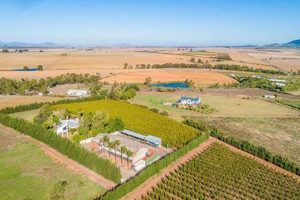
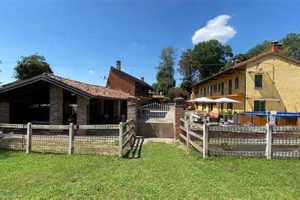
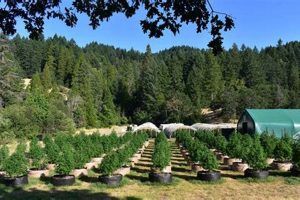
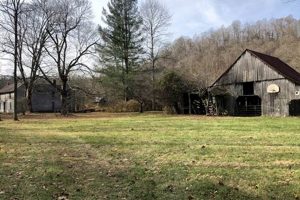
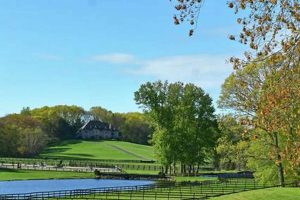
The availability of agricultural properties in the Charlottesville, Virginia region represents a specific segment of the real estate market. These properties, typically characterized by acreage suitable for cultivation or animal husbandry, are offered for purchase. This includes land improved with structures like barns, residences, and other agricultural infrastructure, located within Charlottesville and its surrounding Albemarle County.
The acquisition of such properties offers opportunities for agricultural production, rural living, and potential investment. The region’s rich agricultural history and favorable climate contribute to the desirability of these land holdings. Furthermore, proximity to urban amenities while maintaining a rural lifestyle is a significant draw for prospective buyers. The demand for locally sourced food and the growing interest in sustainable agriculture further enhance the value and appeal of these properties.
This article will explore various aspects related to purchasing these types of properties, including considerations for financing, land use regulations, property valuation, and finding the ideal property to meet specific needs and goals. Understanding these elements is crucial for navigating the process and making informed decisions in this specialized real estate sector.
Considerations for Acquiring Agricultural Properties in the Charlottesville, Virginia Region
Prospective purchasers of agricultural properties in this region should carefully consider several factors to ensure a sound investment and successful agricultural endeavor.
Tip 1: Zoning and Land Use Regulations: Investigate the specific zoning regulations applicable to the property. Albemarle County has established zoning ordinances that dictate permissible agricultural activities, building restrictions, and other land use limitations. Understanding these regulations is crucial to ensure the intended use of the property is compliant.
Tip 2: Water Rights and Resources: Access to reliable water sources is paramount for agricultural operations. Assess the availability of water rights, well permits, and surface water access. Investigate the potential for irrigation and evaluate the water quality to ensure it is suitable for crops or livestock.
Tip 3: Soil Quality and Analysis: Conduct a thorough soil analysis to determine its suitability for the intended agricultural pursuits. The soil’s composition, nutrient levels, and drainage characteristics will influence crop yields and overall productivity. Soil testing provides valuable insights for making informed decisions about land management practices.
Tip 4: Property Boundaries and Surveys: Obtain a recent survey of the property to confirm its boundaries and identify any potential easements or encumbrances. Accurate boundary information is essential for avoiding disputes with neighboring landowners and ensuring clear title to the property.
Tip 5: Environmental Assessments: Consider conducting an environmental assessment to identify any potential environmental hazards, such as contaminated soil or underground storage tanks. Addressing these issues proactively can prevent costly remediation efforts in the future.
Tip 6: Infrastructure Evaluation: Thoroughly inspect existing infrastructure, including barns, outbuildings, fencing, and utilities. Assess the condition of these structures and determine any necessary repairs or upgrades to support the intended agricultural operations.
Tip 7: Market Analysis: Conduct a comprehensive market analysis to understand the demand for agricultural products in the Charlottesville region. Identifying potential markets and distribution channels is crucial for ensuring the financial viability of agricultural endeavors.
Careful consideration of these factors is essential for making informed decisions and maximizing the potential of agricultural investments in this locale. Diligence and thorough research will increase the likelihood of a successful and sustainable agricultural enterprise.
The following sections will provide further insights into the legal and financial aspects of acquiring such properties.
1. Property Size

Property size is a fundamental determinant in the context of agricultural land sales near Charlottesville, Virginia. It directly impacts the potential scale and scope of farming operations, influencing the types of agricultural activities that can be viably undertaken. Smaller acreages might be suitable for specialty crops, equestrian pursuits, or hobby farms, while larger tracts are typically required for extensive row crop production, livestock grazing, or commercial farming enterprises. The carrying capacity for livestock, the ability to implement crop rotations, and the feasibility of integrating various agricultural technologies are all directly correlated with the total land area.
Consider, for example, a 5-acre parcel versus a 100-acre farm. The smaller property might lend itself well to a vineyard or a market garden, providing niche products to local consumers. Conversely, the larger acreage could support a cattle operation or a large-scale hay production enterprise, potentially supplying broader regional markets. Zoning regulations often impose minimum acreage requirements for certain agricultural activities, further solidifying the importance of property size in land use planning. Moreover, the purchase price is directly related to acreage, requiring buyers to carefully assess their financial capabilities against the desired scale of operations. A realistic assessment of the required land area is essential to align investment with projected returns.
In conclusion, property size is not merely a quantitative measure, but a critical factor shaping the operational possibilities and economic viability of agricultural properties near Charlottesville. Its influence extends from the selection of suitable agricultural pursuits to the adherence of zoning regulations and the determination of financial feasibility. Recognizing its significance is crucial for buyers seeking to invest in agricultural land within this region.
2. Soil Composition

Soil composition is a critical determinant of the agricultural potential and, consequently, the value of properties marketed as “farms for sale Charlottesville VA.” The inherent fertility, drainage characteristics, and textural properties of the soil directly influence the types of crops that can be successfully cultivated and the overall productivity of the land. For example, well-drained, loamy soils are conducive to a wide range of crops, including fruits, vegetables, and grains. Conversely, heavy clay soils may require significant amendments to improve drainage and aeration, potentially increasing the cost of establishing and maintaining viable agricultural operations. The presence of specific nutrients, such as nitrogen, phosphorus, and potassium, also impacts crop yields and may necessitate the application of fertilizers to achieve optimal productivity. Therefore, a thorough understanding of soil composition is essential for prospective buyers evaluating properties in the Charlottesville region.
The impact of soil composition extends beyond crop production. It also influences the suitability of land for livestock grazing. Pasture quality is directly related to soil fertility and the availability of essential nutrients for forage growth. Soil pH plays a crucial role in determining the types of grasses and legumes that thrive in a given area, thereby affecting the nutritional value of the pasture for grazing animals. In areas with erosion-prone soils, careful land management practices are necessary to prevent soil loss and maintain long-term productivity. Soil testing is a valuable tool for assessing soil composition and identifying any limitations that may need to be addressed through soil amendments or other conservation measures. Ignoring soil composition can lead to reduced crop yields, increased input costs, and ultimately, a less profitable agricultural enterprise. Therefore, buyers considering “farms for sale Charlottesville VA” should prioritize soil analysis as a fundamental aspect of their due diligence process.
In summary, soil composition is inextricably linked to the suitability and economic viability of agricultural properties. Understanding its characteristics, limitations, and potential for improvement is essential for making informed decisions about land acquisition and management. Failing to adequately assess soil composition can result in significant financial risks and reduced agricultural productivity. Therefore, prospective buyers should prioritize soil testing and seek expert advice to ensure the long-term success of their farming endeavors in the Charlottesville region. The interplay between soil composition and other factors, such as water availability and climate, further underscores the importance of a holistic approach to evaluating agricultural land for sale in this area.
3. Water Access
Water access is a non-negotiable element in the viability of agricultural land, particularly when evaluating properties represented as “farms for sale Charlottesville VA.” Its presence, quality, and legal entitlements directly influence the productivity, operational sustainability, and overall value of such properties.
- Irrigation Potential
The ability to irrigate crops is often dependent upon readily available water sources. Properties with established wells, ponds, or access to streams offer greater potential for irrigation, leading to increased yields and diversification of crops. In the Charlottesville region, seasonal rainfall variations necessitate supplemental irrigation to ensure consistent agricultural output. Farms lacking reliable water sources may be limited to drought-tolerant crops or face significant challenges during dry periods.
- Livestock Watering
Water access is indispensable for livestock operations. Adequate watering facilities are required for the health and well-being of animals, including cattle, horses, and poultry. Proximity to natural water sources, coupled with well-maintained watering systems, is a key factor in determining the suitability of a property for livestock farming. Farms marketed as ideal for livestock must demonstrate reliable and sufficient water resources to support the intended animal population.
- Water Rights and Regulations
The legal framework governing water rights is a crucial consideration. In Virginia, water usage is subject to state regulations, and obtaining the necessary permits for water withdrawal may be required. Prospective buyers must conduct thorough due diligence to ensure that the property possesses valid water rights and that any existing water infrastructure complies with applicable regulations. Disputes over water rights can significantly impact agricultural operations and diminish property value. Verification of legal water access is a prerequisite for any responsible land purchase.
- Well Capacity and Water Quality
For properties relying on wells, the capacity of the well and the quality of the water are essential factors. Well yield must be sufficient to meet the water demands of both agricultural activities and domestic use. Water quality should be tested to ensure it is free from contaminants that could harm crops or livestock. Deficiencies in well capacity or water quality may necessitate costly remediation efforts, such as well upgrades or water treatment systems. A comprehensive assessment of well performance is integral to evaluating the long-term viability of the farm.
In conclusion, water access is not merely a desirable amenity but a fundamental requirement for productive agriculture near Charlottesville. Farms listed as “farms for sale Charlottesville VA” must possess verifiable and sustainable water resources to be considered viable investments. Careful consideration of irrigation potential, livestock watering, water rights, and well capacity/quality is essential for making informed decisions in this specialized real estate market.
4. Zoning Regulations

Zoning regulations exert a profound influence on the availability, permitted uses, and overall value of properties categorized as “farms for sale Charlottesville VA.” These local ordinances, enacted by Albemarle County, dictate the types of activities that can legally occur on a given parcel of land, thereby shaping the agricultural landscape and investment potential.
- Permitted Agricultural Uses
Zoning districts delineate specific agricultural activities allowed within their boundaries. Some districts may permit a wide range of farming operations, including crop cultivation, livestock grazing, and agricultural processing. Others may restrict certain activities based on factors such as environmental impact, noise levels, or proximity to residential areas. Understanding the permitted uses within a particular zoning district is crucial for prospective buyers to ensure their intended agricultural endeavors align with local regulations. For example, a buyer intending to operate a large-scale poultry farm would need to verify that the zoning allows for such operations, considering potential setbacks, waste management requirements, and other associated restrictions.
- Minimum Lot Size Requirements
Zoning ordinances often establish minimum lot size requirements for agricultural properties. These requirements aim to preserve agricultural land, prevent fragmentation, and maintain the rural character of the area. Minimum lot sizes can vary depending on the zoning district and the type of agricultural activity proposed. Buyers seeking to subdivide a large farm into smaller parcels should be aware of these restrictions, as they can significantly impact the feasibility of such plans. For instance, a zoning ordinance requiring a minimum lot size of 20 acres for agricultural uses would prevent the division of a 50-acre farm into three smaller parcels for separate development.
- Building Setbacks and Height Restrictions
Zoning regulations also govern the placement and dimensions of buildings on agricultural properties. Setback requirements dictate the minimum distance that structures must be located from property lines, roads, and other features. Height restrictions limit the maximum height of buildings, which can impact the design and functionality of agricultural structures such as barns and silos. Compliance with these regulations is essential for obtaining building permits and avoiding potential violations. A buyer planning to construct a new barn would need to adhere to setback requirements and height restrictions to ensure the building complies with zoning regulations.
- Environmental Regulations
Zoning ordinances often incorporate environmental regulations aimed at protecting natural resources and preventing pollution. These regulations may address issues such as stormwater management, erosion control, and pesticide use. Farms located in environmentally sensitive areas may be subject to stricter regulations regarding land use practices. For example, properties adjacent to streams or wetlands may be required to implement buffer zones to protect water quality. Buyers should be aware of any environmental regulations that may apply to a particular property and factor these requirements into their operational plans.
In essence, zoning regulations act as a framework that shapes the potential uses and development of agricultural properties near Charlottesville. A comprehensive understanding of these regulations is paramount for buyers seeking “farms for sale Charlottesville VA” to ensure their intended agricultural activities are permissible, sustainable, and in compliance with local ordinances. Disregarding zoning regulations can lead to costly delays, legal challenges, and limitations on the use of the property. Therefore, thorough due diligence is essential to navigate the complexities of zoning and make informed investment decisions in this specialized real estate market.
5. Market Value
The market value of agricultural properties listed as “farms for sale Charlottesville VA” is a dynamic figure, subject to a confluence of economic, environmental, and regulatory factors. This value represents the estimated price a willing buyer would pay to a willing seller, assuming both parties are reasonably informed and acting without duress. A proper assessment of market value considers comparable sales data, the productive capacity of the land, the condition of existing structures, and the overall desirability of the location. The availability of similar properties, interest rates, and the general health of the agricultural sector contribute significantly to fluctuations in market value. For instance, an increase in demand for locally sourced food could drive up the value of arable land suitable for vegetable production, while rising interest rates might dampen overall demand, leading to a stabilization or even a decline in prices.
Understanding market value is crucial for both buyers and sellers in this sector. Overpricing a property can deter potential buyers, leading to prolonged listing periods and ultimately, a lower sale price. Conversely, undervaluing a property can result in a financial loss for the seller. For buyers, accurately assessing market value is essential for making informed investment decisions and avoiding overpayment. This assessment often involves engaging a qualified appraiser who possesses specific expertise in agricultural real estate. The appraiser will consider factors such as soil quality, water rights, zoning regulations, and the potential for future development to arrive at a fair market value. For example, a farm with documented water rights and fertile soil may command a premium compared to a similar property lacking these attributes. Environmental assessments, including soil and water testing, can also influence market value by identifying potential liabilities or opportunities for improvement.
In conclusion, market value is a central component in transactions involving “farms for sale Charlottesville VA,” acting as a bridge between the expectations of buyers and sellers. The challenges inherent in accurately assessing this value necessitate a thorough understanding of the local agricultural market, coupled with the expertise of qualified professionals. Fluctuations in economic conditions, environmental regulations, and consumer preferences continually reshape the landscape of agricultural real estate, underscoring the importance of staying informed and adapting to evolving market dynamics. A clear grasp of market value is not merely a financial consideration but a strategic imperative for navigating the complexities of agricultural land acquisition in the Charlottesville region.
Frequently Asked Questions
The following questions address common inquiries and misconceptions regarding the purchase of agricultural properties within the Charlottesville, Virginia area. These answers provide foundational knowledge for prospective buyers navigating this specialized real estate market.
Question 1: What are the typical closing costs associated with purchasing a farm in Albemarle County?
Closing costs generally include expenses such as title insurance, recording fees, appraisal fees, survey fees, and attorney fees. These costs can vary depending on the complexity of the transaction and the specific services required. Buyers should budget approximately 2-5% of the purchase price to cover closing costs.
Question 2: How does the Piedmont Environmental Council (PEC) influence land conservation in this area?
The Piedmont Environmental Council is a regional organization dedicated to protecting open space, farmland, and historic resources in the Piedmont region of Virginia. PEC advocates for land conservation easements, which restrict development on agricultural properties in perpetuity, thereby preserving their agricultural value. Properties encumbered by conservation easements may be subject to certain restrictions on land use and development but may also be eligible for tax benefits.
Question 3: What are the common sources of financing for agricultural land purchases?
Financing options for agricultural land purchases include traditional bank loans, Farm Service Agency (FSA) loans, and seller financing. Each option has its own eligibility requirements, interest rates, and repayment terms. Prospective buyers should explore various financing options to determine the most suitable arrangement for their individual circumstances.
Question 4: How do property taxes on agricultural land differ from those on residential properties?
Agricultural land in Virginia is typically assessed at a lower rate than residential properties under a program known as Use Value Assessment. This program allows landowners to pay property taxes based on the land’s agricultural use rather than its market value, provided they meet certain eligibility requirements, such as minimum acreage and agricultural income thresholds.
Question 5: What role do real estate agents specializing in agricultural properties play in the transaction?
Real estate agents specializing in agricultural properties possess expertise in the unique aspects of farmland transactions, including zoning regulations, water rights, soil analysis, and agricultural financing. These agents can provide valuable guidance to buyers in identifying suitable properties, negotiating purchase agreements, and navigating the complexities of agricultural real estate.
Question 6: What are the implications of purchasing land with existing agricultural leases?
Purchasing land subject to an existing agricultural lease means that the buyer assumes the landlord’s rights and obligations under the lease agreement. The buyer must honor the terms of the lease until it expires, including the tenant’s right to occupy and cultivate the land. Prospective buyers should carefully review the lease agreement to understand its terms, including the lease duration, rental payments, and any other relevant provisions.
These frequently asked questions provide a foundational understanding of key considerations when exploring agricultural properties in the Charlottesville region. Additional research and consultation with qualified professionals are recommended to ensure a successful and informed transaction.
The following section will delve into resources available to prospective buyers seeking agricultural land.
The preceding analysis has illuminated critical facets of acquiring “farms for sale Charlottesville VA.” Zoning regulations, soil composition, water access, and market valuation represent essential components of informed decision-making. These factors, considered in totality, determine a property’s suitability for specific agricultural endeavors and its overall economic viability. The legal and financial aspects of these transactions necessitate careful due diligence to mitigate risks and maximize potential returns.
The acquisition of agricultural land represents a significant investment, demanding thorough research and professional guidance. The future of agriculture in the Charlottesville region hinges upon responsible land stewardship and informed investment choices. Prospective purchasers are encouraged to consult with real estate professionals, legal experts, and agricultural specialists to ensure the long-term sustainability and prosperity of their agricultural pursuits.