A concluding synopsis of George Orwell’s allegorical novella, Animal Farm, encapsulates the events of the final chapter. This account details the farm’s devolution into a state mirroring its pre-revolution conditions, highlighting the pigs’ complete adoption of human vices and behaviors.
Understanding the culmination of the narrative arc is vital for grasping Orwell’s broader commentary on power, corruption, and social stratification. It illustrates the cyclical nature of revolutions when ideals are compromised and leadership becomes self-serving, providing a cautionary tale about the dangers of unchecked authority.
The subsequent sections will delve into the specific occurrences within the chapter, analyzing the symbolism and its relationship to the overarching themes of the novel.
Guidance on Comprehending the Final Chapter
The following points offer direction for a complete assimilation of the concluding section, providing depth and clarity.
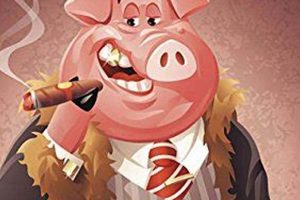
Tip 1: Focus on the Physical Transformations: Note the pigs’ increasingly human-like appearance. This visual metamorphosis signifies their complete adoption of human characteristics and the erasure of the initial revolutionary ideals.
Tip 2: Analyze the Reversal of Commandments: Pay close attention to the single remaining commandment: “All animals are equal, but some animals are more equal than others.” This revised statement embodies the complete betrayal of the original egalitarian principles.
Tip 3: Examine the Significance of the Farm’s Name Change: Consider the implications of the farm reverting to its original name, “Manor Farm.” This action underscores the cyclical nature of the revolution and the restoration of the old oppressive order.
Tip 4: Identify the Allegorical Connections: Relate the events and characters to real-world figures and historical occurrences, specifically the Russian Revolution and the rise of Stalinism. This comparative analysis enhances the understanding of Orwell’s political critique.
Tip 5: Scrutinize the Reactions of the Other Animals: Observe the apathy and ignorance displayed by the remaining animals. Their inability to recognize the pigs’ corruption highlights the dangers of complacency and the manipulation of the uneducated masses.
Tip 6: Consider the Lack of Resolution: Understand that the ending provides no sense of closure or hope for a better future. This lack of resolution serves to emphasize the bleakness of Orwell’s vision and the potential for revolutions to be subverted.
By focusing on these elements, a more profound understanding can be gained regarding the dystopian message conveyed and the author’s warnings about the corrupting influence of absolute power.
The article will now transition to a concluding analysis of the chapters implications.
1. Pigs' Humanization

The depiction of pigs adopting human characteristics forms a central element of the concluding events. This transformation serves as a potent symbol within the concluding synopsis, illuminating the ultimate failure of the animal revolution and the establishment of a new form of tyranny.
- Physical Metamorphosis
The pigs’ gradual assumption of human physical traits, such as walking upright, wearing clothes, and playing cards, represents their complete detachment from the original animalistic ideals. This transformation signifies the erasure of the boundary between oppressor and oppressed, demonstrating the pigs’ full embrace of the human role.
- Adoption of Human Vices
The pigs’ engagement in activities like drinking alcohol, sleeping in beds, and carrying whips mirrors the exploitative behaviors of the former human owners. This adoption of human vices underscores the corruption of power and the pigs’ descent into the very behaviors they initially sought to overthrow, undermining the initial goals of revolution.
- Social Hierarchy Reinforcement
The pigs’ embrace of human social structures, including trade and negotiation with neighboring farmers, solidifies their position as the ruling class and perpetuates the inequality they once denounced. This mimicry of human social hierarchies reinforces the cyclical nature of oppression and the failure of the revolution to create a truly egalitarian society.
- Loss of Animal Identity
As the pigs become increasingly humanized, they lose their connection to their animal origins and the shared experiences of the other animals. This loss of identity contributes to their alienation from the broader animal community and their detachment from the original principles of Animalism, paving the way for their complete control and exploitation of the other animals.
These interconnected facets of “Pigs’ Humanization” directly reinforce the bleak implications of the conclusion. The visual and behavioral parallels drawn between the pigs and humans serve as a stark reminder of the corrupting influence of power and the ease with which revolutionary ideals can be betrayed, thus underscoring the thematic core of the conclusive overview.
2. Commandment's Inversion

The subversion of the Seven Commandments, initially established as the guiding principles of Animal Farm, forms a critical element of its concluding chapter’s narrative. This inversion signifies the complete corruption of the revolution’s ideals and underscores the pigs’ consolidation of power.
- Erosion of Egalitarianism
The gradual alteration of the commandments, culminating in the single remaining principle, “All animals are equal, but some animals are more equal than others,” directly contradicts the initial egalitarian vision. This reinterpretation of equality justifies the pigs’ privileged status and reinforces the emerging social hierarchy on the farm. The inherent hypocrisy within this statement embodies the complete abandonment of revolutionary ideals.
- Manipulation of Language
The pigs manipulate language to suit their agenda, rewriting history and redefining key concepts to maintain control. This manipulation is evident in the constant revisions of the commandments, where inconvenient rules are subtly altered to align with the pigs’ actions. The alteration serves to deceive the other animals and prevent them from recognizing the pigs’ increasingly autocratic rule, highlighting the power of propaganda and misinformation in totalitarian regimes.
- Justification of Tyranny
The inverted commandments provide a veneer of legitimacy for the pigs’ tyrannical behavior. By framing their actions as necessary for the good of the farm, the pigs are able to suppress dissent and maintain their authority. The rewritten commandments serve as a tool for justifying exploitation and oppression, mirroring the methods used by totalitarian regimes to rationalize their actions and silence opposition.
- Loss of Collective Memory
The constant alteration of the commandments erodes the animals’ collective memory of the original revolutionary principles. As the animals become increasingly reliant on the pigs for information, they lose the ability to critically evaluate the situation and challenge the pigs’ authority. The erosion of collective memory contributes to the animals’ apathy and acceptance of the pigs’ rule, underscoring the importance of historical awareness and independent thought in resisting oppression.
These facets of the subversion of commandments, as reflected within the conclusive synopsis, collectively underscore the devastating consequences of unchecked power and the fragility of revolutionary ideals. This serves as a potent cautionary tale about the dangers of authoritarianism and the importance of vigilance in safeguarding fundamental principles of equality and justice.
3. Manor Farm Reinstatement

The reversion to the name “Manor Farm” in the concluding chapter directly signifies the complete failure of the animal revolution and the reinstatement of the original oppressive order. This act represents more than a mere name change; it symbolizes the cyclical nature of power and the ultimate betrayal of the animals’ initial aspirations for freedom and equality.
The significance of the reinstatement resides in its comprehensive undoing of the revolution’s purpose. By discarding the symbolic “Animal Farm” moniker, the pigs actively negate the sacrifices made and the ideals championed during the rebellion. This reversion is comparable to historical instances where revolutionary movements, after initial success, revert to pre-revolutionary structures and values, effectively nullifying their original objectives. The re-establishment of the old name implies the re-establishment of the old power dynamics, with the pigs assuming the role previously held by Mr. Jones. This demonstrates that a change in leadership does not necessarily guarantee a change in system, particularly if the underlying power structures remain unchallenged. The practical significance of this understanding lies in recognizing that revolutions are not simply about replacing rulers but about fundamentally transforming social, economic, and political systems to prevent a return to previous states of oppression.
In conclusion, the symbolic restoration of the name “Manor Farm” underscores the pessimistic outlook of the chapter. This action serves as a potent reminder that revolutions, if not carefully guarded against corruption and power consolidation, risk becoming mere replacements of one form of tyranny with another. It challenges the reader to consider the true cost of revolution and the enduring vigilance required to maintain its ideals.
4. Animal Apathy
In the concluding chapter, the pervasive apathy displayed by the animals directly contributes to the pigs’ unchallenged dominance. This indifference represents a critical component of the dystopian vision, facilitating the pigs’ manipulation and exploitation. The animals’ inability or unwillingness to recognize the decay of the revolution’s ideals allows the pigs to operate without constraint, ultimately leading to the re-establishment of the “Manor Farm” in all but name. This apathy stems from several factors, including the animals’ limited education, their reliance on the pigs for information, and the gradual erosion of their collective memory. The combination of these factors creates an environment where critical thinking is suppressed, and dissenting voices are silenced.
Real-world historical parallels highlight the dangers of widespread apathy in the face of authoritarianism. The rise of totalitarian regimes in the 20th century was often facilitated by public indifference or a lack of engagement in political processes. Similarly, in Animal Farm, the animals’ passivity enables the pigs to rewrite history, alter the commandments, and justify their increasingly oppressive behavior. The practical significance of this understanding lies in recognizing the importance of civic engagement, critical thinking, and independent sources of information in safeguarding against tyranny. A society that values education and encourages active participation in governance is better equipped to resist the erosion of fundamental rights and freedoms.
Therefore, the apathy demonstrated by the animals forms a critical component of the dystopian outcome. This indifference enables the pigs to consolidate power and ultimately betray the revolution’s initial objectives. The cautionary implications of this analysis underscore the importance of active citizenship, critical thought, and collective awareness in preventing the subversion of revolutionary ideals and the establishment of oppressive regimes. This understanding is not merely academic; it provides valuable insights into the mechanisms by which societies can succumb to authoritarianism and highlights the importance of vigilance in protecting democratic values.
5. Cyclical Oppression

The theme of cyclical oppression permeates the final chapter. This element demonstrates the tragic realization that revolutions, despite their initial promise, may simply replace one form of tyranny with another. The events of the last chapter illustrate the subtle yet devastating ways in which ideals are corrupted and power structures are re-established, leading to a return to the original state of oppression.
- Substitution of Oppressors
Chapter 10 portrays the pigs as having fully adopted the characteristics of the previous human oppressors. They walk upright, carry whips, and engage in trade with humans, mirroring the behavior of Mr. Jones. This substitution highlights the cyclical nature of oppression, where the oppressed become the oppressors, replicating the same exploitative systems they initially sought to overthrow. Historically, many revolutions have seen similar patterns, with new leadership adopting the oppressive tactics of the old regime to maintain control.
- Erosion of Revolutionary Ideals
The Seven Commandments, initially intended to prevent exploitation and ensure equality, are gradually altered and eventually replaced with the single maxim: “All animals are equal, but some animals are more equal than others.” This erosion of revolutionary ideals represents the corruption of the original vision and the justification for the pigs’ privileged status. This mirrors real-world instances where revolutionary principles are compromised to serve the interests of those in power, leading to a betrayal of the initial goals.
- Reinstatement of Social Hierarchy
The pigs establish a rigid social hierarchy, with themselves at the top and the other animals subjected to their rule. This reinstatement of social hierarchy undermines the egalitarian principles of the revolution and replicates the class divisions of the old regime. Such re-establishment can be seen in many post-revolutionary societies, where new elites emerge and consolidate power, perpetuating inequality and oppression. In chapter 10, the pigs exploitation of the other animals exemplifies this process of reinstating social hierarchy.
- Loss of Collective Memory
The animals’ fading memories of the revolution and its original goals contribute to their inability to recognize the pigs’ corruption. This loss of collective memory allows the pigs to rewrite history and manipulate the animals into accepting their oppressive rule. This underscores the importance of preserving historical truth and resisting attempts to distort or erase collective memory, a common tactic employed by authoritarian regimes to maintain control.
These interconnected facets highlight the devastating consequences of cyclical oppression and the subtle ways in which revolutions can be subverted. By illustrating how easily ideals can be corrupted, power structures can be re-established, and history can be manipulated, the concluding events serve as a potent warning about the dangers of complacency and the importance of vigilance in safeguarding against tyranny. The depressing but realistic depiction in the concluding synopsis reinforces the novel’s broader commentary on power, corruption, and social stratification.
Frequently Asked Questions Regarding the Concluding Overview
The following questions address common points of inquiry and potential areas of confusion concerning the final chapter’s summary of George Orwell’s Animal Farm.
Question 1: Why is the ending of Animal Farm considered so bleak?
The ending is bleak because it depicts the complete failure of the animal revolution. The pigs, initially leading the charge for freedom and equality, become indistinguishable from the human oppressors, re-establishing the original oppressive conditions.
Question 2: What is the significance of the pigs’ altered appearance in Chapter 10?
The pigs’ human-like appearance signifies their complete adoption of human vices and behaviors. This transformation represents their abandonment of animalistic ideals and their full embrace of the exploitative practices they initially sought to overthrow.
Question 3: How does the alteration of the Seven Commandments contribute to the chapter’s overall message?
The alteration of the Seven Commandments, culminating in the statement “All animals are equal, but some animals are more equal than others,” embodies the complete betrayal of the revolution’s egalitarian principles. It justifies the pigs’ privileged status and reinforces the emerging social hierarchy.
Question 4: What does the farm’s name reverting to “Manor Farm” symbolize?
The reversion symbolizes the cyclical nature of revolutions and the restoration of the old oppressive order. It underscores the failure of the animal revolution to create a lasting change in the farm’s power dynamics.
Question 5: What role does apathy play in the chapter’s events?
The pervasive apathy displayed by the animals contributes to the pigs’ unchallenged dominance. The animals’ indifference allows the pigs to manipulate and exploit them without resistance, ultimately leading to the re-establishment of tyranny.
Question 6: What real-world parallels can be drawn from the events depicted in Chapter 10?
The events parallel the Russian Revolution and the rise of Stalinism, where revolutionary ideals were corrupted, and a new form of authoritarianism emerged. It serves as a cautionary tale about the dangers of unchecked power and the importance of safeguarding revolutionary principles.
In essence, the concluding overview conveys a pessimistic outlook regarding revolutions and their potential for subversion. It emphasizes the importance of vigilance, critical thinking, and collective memory in preventing the establishment of oppressive regimes.
The discussion will now move to concluding the article with a comprehensive overview.
Concluding Remarks on Chapter 10
This analysis of the final chapters synopsis has explored critical themes of corruption, power, and societal degradation. The summary highlights the pigs transformation, the inversion of the commandments, the reinstatement of the old order, animal apathy, and the ultimately cyclical nature of oppression. Comprehending these intertwined elements provides a comprehensive understanding of the ending, revealing the subversion of revolutionary ideals and the establishment of an authoritarian regime.
The narrative’s bleak conclusion underscores the necessity of vigilance and critical thought. The summary serves as a potent reminder of the corrupting influence of power and the fragility of revolutionary principles, a lesson relevant beyond the fictional realm of Animal Farm. Its enduring message implores continued scrutiny of power structures and a steadfast commitment to safeguarding the ideals of equality and justice.