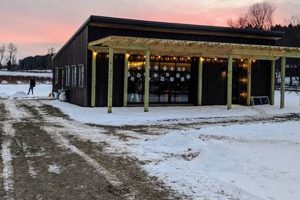
Terms of endearment applied to agricultural properties often reflect the values and personality of the owners. These monikers, frequently utilizing descriptive adjectives and charming nouns, aim to evoke a sense of warmth and approachability. Examples include names such as “Whispering Willows Farm” or “Bunny Meadow Acres.”
The selection of a suitable and appealing farm name can positively influence customer perception and brand recognition, particularly for operations selling directly to consumers. A memorable and endearing designation fosters a positive image, contributing to customer loyalty and word-of-mouth marketing. Historically, naming conventions for farms have evolved from reflecting geographic location or family lineage to encompassing more creative and evocative choices.
The subsequent sections will delve into various strategies for generating memorable and effective titles for agricultural properties, encompassing stylistic considerations, target audience analysis, and intellectual property implications.
Strategies for Developing Appealing Farm Designations
Selecting a farm designation requires careful consideration of brand image and target demographic. The following suggestions provide a framework for developing designations that resonate with potential customers and contribute to a positive perception of the agricultural enterprise.
Tip 1: Embrace Evocative Language: Employ adjectives that conjure positive emotions, such as “serene,” “blissful,” or “golden.” Combine these with nouns representing natural elements or farm staples, like “fields,” “creek,” or “harvest.”
Tip 2: Consider Alliteration and Rhyme: Designations that utilize alliteration or rhyme are often more memorable. Examples include “Daisy Downs Farm” or “Clover Croft.”
Tip 3: Reflect the Farm’s Unique Characteristics: If the farm specializes in a particular product or features a unique landscape, incorporate these elements into the designation. For instance, “Lavender Lane Farm” or “Blueberry Hill Orchard.”
Tip 4: Maintain Simplicity and Clarity: Avoid overly complex or ambiguous designations. A designation should be easily understood and pronounced to facilitate word-of-mouth referrals.
Tip 5: Verify Availability and Legal Compliance: Before finalizing a designation, conduct a thorough search to ensure it is not already in use by another agricultural enterprise. Consult with legal counsel to confirm compliance with trademark regulations.
Tip 6: Test the Name with the Target Audience: Before settling on the name, get feedback from potential customers about what they think and how it resonates with them.
The implementation of these strategies can result in the creation of a designation that effectively communicates the values and appeal of the agricultural property. The selection of an appropriate title contributes to establishing a distinct brand identity and fostering positive customer relationships.
The concluding section will provide insights on how names can impact farm branding.
1. Memorability and Pronounceability

The efficacy of any appellation, particularly for an agricultural enterprise, hinges significantly on its memorability and ease of pronunciation. The designation must readily imprint itself in the minds of potential customers and be simple to articulate. The failure to meet these criteria undermines marketing efforts and impedes word-of-mouth referrals. The selection of a catchy name that is easy to say is crucial to its success. A farm named “Tranquil Treats Farm” is both memorable and pronounceable, a combination that contributes to recognition and customer acquisition.
The inverse holds true for unwieldy or obscure names. A farm designated “Xylocarp Orchards,” while potentially descriptive, presents immediate barriers. The uncommon term “xylocarp” complicates pronunciation, and its unfamiliarity detracts from memorability. This can translate directly into reduced customer engagement, as consumers are less likely to remember or recommend a business with a challenging moniker. Simplicity is the key. Choosing a memorable and pronounceable name that resonates with its intended audience can be a key factor in the farm’s success.
In summation, memorability and pronounceability are not merely aesthetic considerations; they are fundamental components of a farm’s brand identity and operational effectiveness. Selecting a name that is both easy to recall and articulate directly facilitates customer acquisition and enhances brand recognition. Therefore, prioritizing these criteria is essential for cultivating a successful agricultural business. The implications of selecting difficult names or titles can create long term issues that the business must address to remain competitive.
2. Emotional Connection Elicited

The emotional resonance generated by a farm designation directly influences consumer perception and purchasing decisions. Names evoke feelings of trust, nostalgia, or whimsy, shaping brand affinity and customer loyalty. Designations that elicit positive emotions contribute to a favorable image and a stronger connection between the consumer and the agricultural operation.
- Nostalgia and Childhood Memories
Farm designations often tap into feelings of nostalgia and simpler times. Names like “Grandma’s Garden” or “Old McDonald’s Farm” evoke childhood memories and a sense of tradition. This emotional connection can attract customers seeking authentic experiences and a connection to the past. Operations evoking this emotion can create a distinct position that differs from typical farms.
- Warmth and Comfort
Names utilizing terms of endearment or imagery associated with warmth and comfort, such as “Sunny Meadows” or “Cozy Creek Farm,” foster a sense of welcome and tranquility. This appeal attracts customers seeking a peaceful escape and a connection with nature. Businesses can create an overall appeal that builds a connection with the consumer.
- Ethical and Compassionate Considerations
Designations that highlight animal welfare or sustainable practices can resonate with consumers concerned about ethical sourcing. Names like “Happy Hens Farm” or “Harmony Homestead” signal a commitment to responsible farming, attracting customers seeking products aligned with their values. Ethical considerations can attract a specific segment of the population.
- Whimsicality and Playfulness
Creative and humorous designations can capture attention and create a memorable impression. Names like “Silly Goose Farm” or “Piggy Paradise Acres” convey a sense of fun and lightheartedness, appealing to families and those seeking a unique experience. This appeal creates a sense of fun and draws attention.
The strategic selection of a designation that elicits positive emotions can significantly enhance a farm’s brand image and customer loyalty. By carefully considering the emotional impact of a potential name, agricultural operations can cultivate stronger connections with their target audience and differentiate themselves in a competitive market. The emotional connection builds and fosters long term engagement.
3. Brand Identity Alignment

Brand Identity Alignment, in the context of agricultural enterprises, refers to the consistency between a farm’s name, visual elements, values, and overall customer experience. When designating a property, coherence between the chosen appellation and the operational philosophy is crucial for establishing a credible and recognizable brand.
- Reflection of Farm Specialization
The farm’s name should accurately reflect its primary output or area of specialization. An orchard focusing on apple varieties would benefit from a designation that incorporates terms related to apples or orchards, creating an immediate association in the consumer’s mind. Conversely, if the appellation is not aligned, consumer expectations may not be met. For example, naming a chicken farm “Sunrise Grains” could lead to confusion regarding the farm’s products or services.
- Communication of Values
The appellation serves as an initial indicator of the farm’s operational values. A name that embodies sustainable practices, such as “Eco Acres” or “Regenerative Roots Farm,” communicates a commitment to environmental stewardship. This alignment attracts consumers who prioritize ecologically conscious products. Conversely, a disconnect between the name and actual practices erodes consumer trust and brand credibility.
- Visual Harmony
The designation should harmonize with the visual elements of the farm’s branding, including logo, signage, and packaging. A designation that suggests a rustic or traditional approach should be visually represented through corresponding design choices. For example, a business such as “Homestead Heritage Farms” should visually mirror the charm and authenticity associated with classic American family farms.
- Target Audience Resonance
Brand Identity Alignment incorporates selecting a designation that appeals to the farm’s target audience. If the farm caters to families, designations that evoke a sense of warmth, safety, and fun may be particularly effective. Operations that appeal to niche audiences such as the farm-to-table movement should utilize names that are consistent with high-end agricultural operations to maintain consistent brand and customer experiences.
In conclusion, effective Brand Identity Alignment ensures that the farm designation reinforces its core values, specialization, and target audience. Coherence between the name, visual elements, and operational practices cultivates consumer trust, strengthens brand recognition, and ultimately contributes to the long-term success of the agricultural enterprise. The selection of an appropriate title can foster an image of quality, safety, or environmental stewardship.
4. Legal Availability Assurance

Legal Availability Assurance, regarding agricultural business designations, is the process of verifying that a chosen appellation is not already in use or protected by trademark, preventing potential legal disputes and brand infringement. In the context of endearingly named agricultural properties, this process is critical, despite the perceived informality of the naming convention.
- Trademark Search and Clearance
The initial step involves conducting a thorough search of existing trademarks at both the federal and state levels. This process identifies any similar designations that could create a likelihood of confusion among consumers. For example, if an agricultural property is intending to utilize a designation similar to “Happy Hollow Farms,” a prior trademark for a comparable business may preclude its use. Failure to conduct a comprehensive search can result in costly rebranding efforts and potential legal action.
- Domain Name Availability
Securing a domain name that aligns with the agricultural property’s designation is essential for online presence and brand consistency. It is important to make sure a domain name is available that closely matches or reflects the brands mission statement and values. Domain registration can secure that title and provide opportunities for expansion with online presence.
- Business Name Registration
Registering the business name with the relevant state authorities is a fundamental step in establishing Legal Availability Assurance. This registration grants the agricultural property the legal right to operate under the chosen designation within the state. If this name is registered that means that the state believes that this name would not cause consumer confusion, but that does not guarantee that the federal government has the same opinion.
- Geographic Scope Considerations
The geographic scope of trademark protection is an important consideration for agricultural properties that intend to expand beyond their local area. A designation that is available within a single state may be subject to infringement claims if the business expands into a region where a similar trademark already exists. Therefore, businesses must take this into consideration.
Legal Availability Assurance is an indispensable step in establishing an agricultural brand, even when utilizing creative names. By conducting thorough searches, registering the business name, securing domain names, and understanding geographic scope limitations, agricultural properties can protect their brand identity and avoid costly legal disputes.
5. Target Audience Resonance

The strategic selection of designations for agricultural properties necessitates careful consideration of target audience resonance. Appellations, particularly those employing endearments, must align with the values, preferences, and expectations of the intended consumer base to foster brand engagement and loyalty. A disconnect between the designation and audience perception can undermine marketing efforts and diminish brand appeal.
- Demographic Alignment
Appellations must resonate with specific demographic segments. Farm names targeting families with young children may emphasize themes of whimsy, nature, and safety, such as “Buttercup Fields” or “Little Sprouts Patch.” Operations catering to older adults may favor designations evoking nostalgia and tradition, such as “Homestead Heritage Farm.” Mismatched demographics can create a divide with their respective consumers.
- Psychographic Compatibility
Designations should align with the psychographic profiles of the target audience. Farms appealing to environmentally conscious consumers may adopt designations highlighting sustainability and organic practices, such as “Eco Haven Acres” or “Regenerative Roots Farm.” Businesses targeting affluent consumers should use titles of sophistication. An accurate assessment will create an emotional appeal with the consumers.
- Regional and Cultural Sensitivity
Appellations must be sensitive to regional and cultural nuances. A designation that is well-received in one geographic area may be inappropriate or even offensive in another. Local customs and traditions should be carefully considered to ensure that the designation resonates positively with the local community. Businesses with international consumers must take more time and effort.
- Product and Service Relevance
Designations should accurately reflect the products and services offered by the agricultural property. Farms specializing in organic produce may adopt designations that emphasize natural and healthy imagery, such as “Green Valley Organics” or “Harvest Moon Farm.” Agricultural tourism ventures may utilize names highlighting recreational activities and scenic beauty, such as “Adventure Acres Farm.” Businesses must take into consideration products and services provided.
The multifaceted nature of target audience resonance underscores the need for careful consideration in the selection of appellations for agricultural properties. By aligning designations with the demographic, psychographic, regional, and product-related characteristics of the intended consumer base, agricultural operations can cultivate stronger brand engagement, foster customer loyalty, and ultimately enhance business success. Businesses can then make decisions that reflect their mission and vision for the consumers they serve.
Frequently Asked Questions Regarding “Cute Farm Names”
The following addresses common inquiries concerning the selection and implications of endearingly named designations for agricultural properties.
Question 1: Does a designation, considered under the classification of terms of endearment for an agricultural business, provide any tangible advantages?
A designation employing terms of endearment may foster positive customer perception, contributing to brand recognition and recall. The efficacy of such names, however, is contingent upon alignment with the target audience and product offerings.
Question 2: What legal ramifications should be considered when selecting a term of endearment for an agricultural operation?
Legal due diligence is paramount. A thorough search of existing trademarks and business name registrations is necessary to mitigate the risk of infringement. Furthermore, adherence to local and state regulations regarding business naming conventions is mandatory.
Question 3: How does the selection of an affectionate designation influence the overall branding strategy of an agricultural enterprise?
The designation should be an integral component of the branding strategy, reflecting the values, ethos, and target audience of the agricultural operation. Consistency between the designation, visual identity, and customer experience is essential for establishing a cohesive brand image.
Question 4: Is there empirical evidence to support the claim that designations employing affection enhance profitability?
Direct empirical evidence is limited. However, studies in marketing and consumer behavior suggest that positive emotional associations can influence purchasing decisions. A well-chosen and appropriate designation may contribute to increased sales and customer loyalty.
Question 5: What are the potential pitfalls associated with selecting a designation under the classification of terms of endearment for an agricultural business?
Potential pitfalls include perceived lack of professionalism, misinterpretation of brand values, and limited appeal to certain demographic segments. Careful consideration of the target audience and brand positioning is crucial to mitigate these risks.
Question 6: What strategies can be employed to maximize the effectiveness of a title of affection in the context of agricultural branding?
Strategies include thorough market research, target audience analysis, and a comprehensive branding strategy that integrates the designation with visual elements and customer experience. Ongoing monitoring of brand perception and customer feedback is also essential.
In summary, while designations employing affection can offer potential benefits, careful consideration of legal implications, branding strategy, and target audience resonance is essential for maximizing their effectiveness. Comprehensive planning and due diligence are paramount to avoiding potential pitfalls.
The subsequent section will explore future trends in the field of agricultural business nomenclature.
Cute Farm Names
The preceding exploration has illuminated the nuances associated with the selection and utilization of appellations characterized by endearment for agricultural enterprises. Key considerations encompass legal compliance, brand alignment, and target audience resonance. A strategic approach, incorporating thorough market research and careful evaluation of potential designations, is essential for maximizing the efficacy of naming conventions.
The continued evolution of consumer preferences and market dynamics necessitates ongoing adaptation in agricultural branding strategies. Thoughtful application of the principles outlined herein will contribute to the establishment of enduring and successful agricultural businesses. Future research should focus on the long-term impact of naming conventions on brand equity and customer loyalty within the agricultural sector.