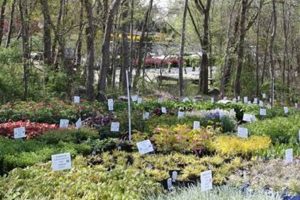
This agricultural practitioner cultivates land on a small scale, often supplementing income from other sources. Production frequently focuses on diverse crops and livestock, catering to local markets or personal consumption. A common characteristic involves limited reliance on industrial inputs, prioritizing sustainable methods and traditional knowledge. An individual who maintains a small plot alongside a full-time job, selling surplus produce at a nearby farmers market, exemplifies this practice.
Such small-scale agriculture contributes significantly to food security and biodiversity. It preserves traditional farming practices and strengthens local economies by providing fresh, seasonal produce. Historically, this type of farming has been a cornerstone of rural communities, offering resilience in the face of larger economic shifts and promoting a connection to the land. The benefits extend beyond immediate sustenance, fostering environmental stewardship and preserving cultural heritage.
Understanding the nuances of this farming approach is critical for exploring topics such as sustainable agriculture, local food systems, and the economic viability of small farms. The following sections will delve into specific aspects related to these themes, examining the challenges and opportunities facing these agricultural practitioners in the modern landscape.
Guidance for Small-Scale Agricultural Endeavors
The following guidelines offer practical advice for those engaged in, or considering, small-scale agricultural practices, focusing on efficiency, sustainability, and economic viability.
Tip 1: Prioritize Soil Health. Conduct regular soil tests to determine nutrient deficiencies. Implement cover cropping and composting to enhance soil fertility and structure, reducing the need for external inputs.
Tip 2: Diversify Crop Selection. Cultivate a variety of crops suited to the local climate and market demand. This minimizes risk associated with crop failure and optimizes resource utilization.
Tip 3: Practice Water Conservation. Implement efficient irrigation techniques, such as drip irrigation or rainwater harvesting. Mulch to reduce water evaporation and control weeds.
Tip 4: Employ Integrated Pest Management (IPM). Utilize natural pest control methods, such as beneficial insects and crop rotation. Minimize the use of chemical pesticides to protect the environment and human health.
Tip 5: Optimize Space Utilization. Maximize yields per unit area through intensive planting techniques, such as square-foot gardening or vertical farming methods.
Tip 6: Develop Direct Marketing Strategies. Establish direct relationships with consumers through farmers’ markets, community-supported agriculture (CSA) programs, or online sales. This can increase profitability and build customer loyalty.
Tip 7: Maintain Accurate Records. Track expenses, income, and production data to assess profitability and identify areas for improvement. This information is crucial for informed decision-making.
Adhering to these strategies can enhance the sustainability and profitability of small agricultural operations. Careful planning, resource management, and market awareness are essential for success.
The subsequent sections will further explore the challenges and opportunities associated with small-scale farming, providing additional insights into relevant agricultural practices and business models.
1. Small-scale cultivation

Small-scale cultivation constitutes a defining characteristic of the “cottage farmer” archetype. It represents a departure from industrial-scale agriculture, emphasizing localized production and resource management within limited acreage. The implications of this approach are multifaceted, impacting both the economic viability of the operation and its environmental footprint.
- Land Use Efficiency
Given the restricted land availability, optimizing space is paramount. Intensive planting methods, such as intercropping and vertical farming, become essential. The farmer must carefully select crops that yield maximum output per unit area. This focus necessitates a deep understanding of soil conditions, plant compatibility, and microclimate management. Example: Utilizing a small greenhouse to extend the growing season for high-value crops.
- Resource Management
Small-scale operations often necessitate a conservative approach to resource utilization. Water conservation techniques, such as drip irrigation and rainwater harvesting, are critical. Similarly, minimizing reliance on external inputs, like synthetic fertilizers and pesticides, promotes long-term soil health and reduces environmental impact. Efficient composting systems and the use of cover crops become integral to nutrient cycling. Example: Implementing a vermicomposting system to process organic waste into nutrient-rich fertilizer.
- Labor Intensity
Compared to large-scale farming, small-scale cultivation typically involves a higher degree of manual labor. Tasks such as planting, weeding, and harvesting are often performed without the aid of heavy machinery. This labor intensity can present both challenges and opportunities. While it may limit the scale of production, it also allows for greater attention to detail and the cultivation of specialty crops that require meticulous care. Example: Hand-pollinating heirloom tomato varieties to ensure optimal fruit set.
- Market Access
The viability of small-scale cultivation is heavily dependent on access to local markets. Farmers’ markets, community-supported agriculture (CSA) programs, and direct sales to restaurants provide crucial avenues for selling produce. Establishing a strong relationship with consumers is essential for building customer loyalty and securing a stable income stream. Differentiation through unique varieties or organic certification can further enhance market competitiveness. Example: Selling specialty herbs and edible flowers to local chefs who value fresh, high-quality ingredients.
The interplay of these facets underscores the complex nature of small-scale cultivation. It is a system where efficiency, resourcefulness, and direct market engagement are paramount. By embracing these principles, a “cottage farmer” can achieve both economic sustainability and ecological responsibility within the confines of limited land resources. The emphasis on localized production also strengthens community ties and promotes a more resilient food system.
2. Diversified production

Diversified production is a hallmark of small-scale agricultural endeavors, distinguishing them from monoculture-driven industrial farms. The practice entails cultivating a variety of crops and/or raising multiple types of livestock on a single plot of land. This approach contributes to both economic resilience and ecological stability, key attributes of this agricultural model.
- Economic Risk Mitigation
Cultivating multiple crops or raising different livestock breeds reduces vulnerability to market fluctuations and crop failures. If one crop experiences low yields due to disease or adverse weather conditions, or if the market price for a particular commodity declines, other products can compensate for the loss. This diversification provides a more stable income stream. Example: A farm simultaneously producing vegetables, fruits, and eggs is less susceptible to financial hardship compared to one solely focused on a single crop.
- Enhanced Soil Health
Crop rotation, a common component of diversified production, improves soil fertility and reduces pest and disease pressure. Different crops have varying nutrient requirements, and rotating them prevents depletion of specific soil elements. Certain crops, such as legumes, can fix nitrogen in the soil, reducing the need for synthetic fertilizers. Different root systems can also improve soil structure. Example: Rotating corn, soybeans, and oats on a field can enhance soil health and reduce the need for chemical inputs.
- Optimized Resource Utilization
Diversified farms can more efficiently utilize available resources, such as water, sunlight, and labor. Different crops have different growing seasons and resource requirements, allowing the farmer to distribute labor and resources more evenly throughout the year. Integrated livestock systems can also utilize crop residues as feed, reducing waste and increasing overall efficiency. Example: Using poultry to control insect pests in a vegetable garden or feeding livestock with unsold produce.
- Increased Biodiversity
Diversified production promotes biodiversity both above and below ground. A wider variety of crops and livestock supports a greater diversity of beneficial insects, pollinators, and soil microorganisms. This increased biodiversity can enhance ecosystem resilience and reduce reliance on synthetic pesticides and fertilizers. Example: Planting flowering plants alongside vegetable crops to attract pollinators and beneficial insects.
The combination of economic resilience, improved soil health, optimized resource utilization, and increased biodiversity makes diversified production a cornerstone of sustainable, small-scale farming. By embracing this approach, the practitioner can create a more viable and environmentally sound agricultural operation. The diverse outputs also cater to a wider range of local market needs and preferences, further solidifying the farmer’s role within the community.
3. Local market focus

The emphasis on local markets is integral to the operational model of this agricultural approach. Rather than engaging with large-scale distribution networks, producers prioritize direct sales within their immediate geographic area, a strategy that significantly impacts both their economic viability and community integration.
- Direct-to-Consumer Sales
Direct sales channels, such as farmers’ markets, roadside stands, and Community Supported Agriculture (CSA) programs, constitute a primary outlet for produce. This direct interaction with consumers allows farmers to capture a greater share of the retail price, bypassing intermediaries and increasing profitability. Example: A farmer selling directly at a local market can earn significantly more per unit than selling to a wholesaler.
- Reduced Transportation Costs
Operating within a local market minimizes transportation distances, leading to lower fuel costs and reduced carbon emissions. This contributes to the environmental sustainability of the operation and enhances its competitiveness against producers relying on long-distance distribution. Example: A farm supplying produce within a 50-mile radius has a significantly smaller carbon footprint than one shipping goods across state lines.
- Community Engagement and Branding
Local market focus fosters a stronger connection between farmers and consumers. This direct interaction allows farmers to build relationships with their customers, understand their preferences, and cultivate brand loyalty. Engaging with the community enhances the farmer’s reputation and creates a sense of shared purpose. Example: A farmer hosting on-farm events or providing educational workshops for local schools.
- Responsiveness to Local Demand
Proximity to the consumer base enables producers to adapt their production practices to meet specific local demands. This responsiveness can involve cultivating niche crops, tailoring product offerings to local tastes, or adjusting production schedules to align with seasonal demand peaks. Example: A farmer specializing in heirloom tomato varieties that are popular among local chefs.
The convergence of direct sales, reduced transportation costs, enhanced community engagement, and responsiveness to local demand solidifies the critical role of market proximity. By prioritizing local markets, those engaged in small-scale agriculture can enhance their economic resilience, strengthen their community ties, and promote a more sustainable and localized food system. This approach fosters a unique relationship between producer and consumer, contributing to the overall vitality of the local economy.
4. Sustainable methods

Sustainable methods are integral to the operational philosophy of practitioners of small-scale agriculture. These techniques aim to minimize environmental impact while maintaining or improving long-term productivity, a necessity for economic viability at a smaller scale.
- Soil Conservation Practices
Erosion control, reduced tillage, and cover cropping are essential elements of soil conservation. These practices minimize soil loss, improve water infiltration, and enhance soil structure. For example, implementing a no-till system reduces soil disturbance and conserves organic matter, while planting cover crops during fallow periods prevents erosion and fixes nitrogen in the soil. The adoption of such methods directly impacts long-term soil fertility, reducing the need for external inputs.
- Integrated Pest Management (IPM)
IPM emphasizes a holistic approach to pest control, prioritizing preventative measures and biological controls over synthetic pesticides. This involves monitoring pest populations, introducing beneficial insects, and using targeted treatments only when necessary. For instance, releasing ladybugs to control aphids or using pheromone traps to disrupt insect mating cycles. This approach minimizes the use of chemical pesticides, reducing environmental contamination and promoting biodiversity.
- Water Management Techniques
Efficient irrigation methods, such as drip irrigation and rainwater harvesting, are crucial for conserving water resources. Drip irrigation delivers water directly to plant roots, minimizing water loss through evaporation. Rainwater harvesting provides a sustainable source of water for irrigation and other farm uses. Proper water management reduces water consumption, minimizes runoff, and protects water quality.
- Organic Fertilization
Replacing synthetic fertilizers with organic alternatives, such as compost, manure, and green manures, enhances soil health and reduces environmental impact. Compost improves soil structure and provides a slow-release source of nutrients, while manure adds essential elements and promotes microbial activity. These methods reduce reliance on synthetic fertilizers, minimizing nutrient runoff and promoting a more balanced soil ecosystem.
The adoption of sustainable methods is not merely an ethical choice, but also a practical necessity for those engaged in small-scale agriculture. These techniques enhance resource efficiency, reduce environmental impact, and promote long-term productivity, ensuring the viability of their operations. The success of this approach relies on a deep understanding of ecological principles and a commitment to responsible land stewardship.
5. Supplemental Income

Small-scale agricultural activities frequently serve as a source of supplemental income, augmenting earnings from other primary occupations. This aspect is critical for the economic viability and overall lifestyle of many engaged in this practice.
- Diversification of Revenue Streams
Engaging in agricultural production alongside other employment opportunities provides a diversified revenue stream. This reduces financial dependence on a single source of income, mitigating risks associated with job loss or economic downturns. For example, an individual working a full-time job in a different sector may cultivate a small plot of land during evenings and weekends, selling produce at a local market to supplement their primary income. This diversified approach provides a safety net and increases overall financial stability.
- Utilization of Underutilized Resources
Supplemental income generation often involves the efficient use of underutilized resources, such as available land, personal time, and existing skill sets. Agricultural production allows individuals to transform otherwise unproductive land into a revenue-generating asset. Utilizing evenings and weekends to tend to crops or livestock allows them to leverage their time more effectively. For example, a homeowner with a large backyard may establish a small garden to produce vegetables for sale, converting unused space into a source of additional income.
- Flexibility and Autonomy
The supplemental income derived from small-scale agriculture offers a degree of financial flexibility and autonomy. It can provide funds for discretionary spending, debt repayment, or long-term savings goals. Moreover, engaging in agricultural activities allows individuals to exercise greater control over their working hours and production methods. For example, a retiree may operate a small farm to supplement their pension income, enjoying the flexibility of setting their own hours and choosing which crops to cultivate. The autonomy afforded by this type of work provides a sense of personal fulfillment and independence.
- Entry Point to Full-Time Agriculture
For some, generating supplemental income through small-scale agriculture serves as a stepping stone towards a potential transition into full-time farming. It provides an opportunity to test market viability, develop necessary skills, and accumulate capital before committing to a full-time agricultural career. For example, an individual initially producing honey as a hobby may gradually expand their operation and market reach, eventually transitioning into a full-time beekeeping business. This gradual approach reduces the financial risk associated with a career change and allows for a more informed decision-making process.
The generation of supplemental income plays a multifaceted role, enhancing financial stability, promoting resource utilization, offering flexibility, and providing a pathway towards full-time agricultural engagement. These benefits are particularly relevant for individuals seeking to diversify their income streams, utilize underutilized resources, and exercise greater control over their work life.
6. Land stewardship
Land stewardship represents a central tenet underpinning the operational model of the agricultural practitioner. The limited acreage typically available to such an operator necessitates a long-term perspective on resource management. Sustainable practices are not merely a philosophical choice, but rather a pragmatic requirement for ensuring the continued viability of the land. Soil degradation, water depletion, and biodiversity loss are challenges that directly threaten the economic stability of these smaller operations. One example is the implementation of crop rotation and cover cropping to improve soil health, thereby reducing the need for external inputs like synthetic fertilizers. This directly connects the farmer’s economic success to the responsible use of the land.
The focus on land stewardship extends beyond purely agricultural practices. The maintenance of surrounding ecosystems, such as hedgerows and woodlots, contributes to biodiversity and provides habitat for beneficial insects and pollinators. This holistic approach acknowledges the interconnectedness of the farm and its surrounding environment. The preservation of water resources through efficient irrigation techniques and rainwater harvesting is similarly crucial, especially in regions prone to drought. Farmers adopting integrated pest management practices, which prioritize biological controls and minimize the use of synthetic pesticides, further demonstrate their commitment to environmental protection and long-term sustainability. The success of operations employing these practices highlight the importance of responsible land use.
In conclusion, land stewardship is not an optional add-on, but rather an intrinsic component of the model. The long-term success of these agricultural endeavors hinges on the farmer’s ability to sustainably manage resources, preserve biodiversity, and protect the environment. Challenges remain, including the upfront costs of implementing certain sustainable practices and the need for ongoing education and support. Nevertheless, the commitment to land stewardship is essential for ensuring the continued viability and ecological integrity of these farms. Its positive impacts on local communities and the environment make its continued promotion and adoption crucial.
Frequently Asked Questions Regarding the Approach
The following addresses common inquiries and concerns surrounding small-scale, diversified agricultural practices. These answers aim to provide clarity and inform potential participants.
Question 1: What constitutes the minimum land area required for a viable endeavor?
The necessary land area varies greatly depending on the types of crops or livestock being raised, as well as the intensity of production methods employed. While some successful operations exist on less than an acre, others may require several acres to achieve economic sustainability. A comprehensive business plan, factoring in market demand and production costs, is crucial for determining the appropriate scale.
Question 2: How can one effectively compete with larger, industrial-scale agricultural operations?
Competition is not directly addressed. Differentiation strategies are more effective, such as focusing on high-quality, locally sourced products; building direct relationships with consumers; and adopting sustainable production methods that appeal to environmentally conscious customers. Niche markets, such as organic produce or specialty livestock breeds, can also offer a competitive advantage.
Question 3: What are the primary challenges associated with obtaining financing for this type of operation?
Securing financing can be difficult due to the smaller scale of the operations and the perceived higher risk associated with diversified farming. Traditional lenders may be hesitant to provide loans without substantial collateral or a proven track record. Exploring alternative funding sources, such as microloans, grants, or crowdfunding, may be necessary.
Question 4: Is organic certification essential for success?
Organic certification is not universally essential, but it can significantly enhance market access and command premium prices for products. The decision to pursue certification depends on target market, production methods, and cost-benefit analysis. Many operations employ sustainable practices without seeking formal certification, focusing instead on transparency and direct communication with consumers.
Question 5: How can efficient time management be achieved while balancing agricultural activities with other employment commitments?
Effective time management is crucial for individuals engaged in small-scale agriculture while maintaining other employment. Prioritization, task delegation, and the use of time-saving technologies are essential. Implementing a detailed schedule and adhering to it consistently can help maximize productivity and prevent burnout.
Question 6: What resources are available to assist individuals interested in starting or expanding their operations?
A variety of resources are available, including government agencies, agricultural extension services, and non-profit organizations. These entities offer technical assistance, educational programs, and financial support to aspiring and established producers. Networking with experienced practitioners and participating in industry events can also provide valuable insights and guidance.
Successful engagement requires careful planning, diligent execution, and a commitment to sustainable practices. The answers above provide a foundation for informed decision-making.
The following sections will delve into further topics concerning this endeavor and its potential for long-term profitability.
Conclusion
This exploration has detailed the key characteristics that define the agricultural model. Emphasis has been placed on small-scale cultivation, diversified production, local market focus, sustainable methods, supplemental income generation, and responsible land stewardship. The interplay of these factors determines the viability and long-term sustainability of this agricultural endeavor. Understanding these elements is crucial for those currently engaged in, or considering, such practices.
The insights provided underscore the significant role that the practitioners play in fostering resilient local food systems and promoting environmental sustainability. Further research and policy support are essential to address the challenges and unlock the full potential of this vital agricultural segment. A sustained commitment to innovation and knowledge-sharing will ensure its continued contribution to both economic prosperity and ecological well-being.