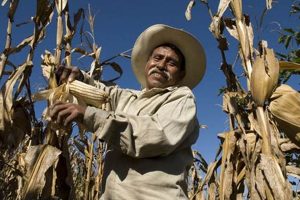
Headwear designed for agricultural workers typically offers protection from the elements. This often includes a wide brim to shield the face and neck from sun exposure and rain. Examples range from simple straw hats to more durable felt or canvas constructions.
Such protective gear plays a vital role in safeguarding individuals engaged in outdoor labor. Preventing sunburn, reducing the risk of heatstroke, and improving visibility in bright sunlight are key benefits. Historically, the design and materials have reflected regional climate conditions and readily available resources.
The following discussion will explore the materials, construction techniques, and cultural significance associated with head coverings commonly worn by agricultural laborers across different regions and time periods.
Protective Headwear Guidance
Effective management of prolonged sun exposure is critical for individuals working in agriculture. The following guidance highlights best practices for utilizing protective headwear to mitigate potential health risks.
Tip 1: Select appropriate materials. Straw and tightly woven fabrics offer adequate sun protection. Consider breathable materials to minimize heat retention during warmer months. Durable materials like treated canvas may be more suitable for prolonged use and resistance to wear.
Tip 2: Ensure a secure and comfortable fit. A properly sized covering should remain securely in place without causing discomfort or obstructing vision. An adjustable headband or chin strap can improve stability, particularly in windy conditions.
Tip 3: Prioritize a wide brim. A wide brim is essential for effective shading of the face, neck, and ears. The brim should extend sufficiently to minimize direct sunlight exposure during peak hours.
Tip 4: Consider color. Lighter colors reflect sunlight more effectively, reducing heat absorption. However, darker colors may provide superior UV protection in some materials.
Tip 5: Inspect for damage regularly. Check for wear and tear, such as fraying, tears, or discoloration. Replace the covering if damage compromises its protective qualities.
Tip 6: Maintain proper hygiene. Regular cleaning prevents the buildup of sweat and dirt, which can degrade materials and cause skin irritation. Follow the manufacturer’s cleaning instructions.
Protective headwear, when properly selected and maintained, represents a fundamental element of occupational safety in agricultural settings. Consistent adherence to these guidelines minimizes sun exposure and promotes long-term well-being.
The subsequent section will address the long-term benefits of consistent sun protection and the potential health consequences of neglecting preventative measures.
1. Sun Protection

Effective shielding from solar radiation is a primary function of headwear used in agricultural settings. Prolonged exposure presents significant health risks, necessitating protective measures to mitigate potential harm.
- Ultraviolet Radiation Blocking
The material composition directly influences the extent to which harmful ultraviolet (UV) rays are blocked. Tightly woven fabrics and specific materials like treated canvas provide enhanced UV protection compared to loosely woven straw. The effectiveness is quantified by the Ultraviolet Protection Factor (UPF) rating, indicating the fraction of UV rays that penetrate the fabric.
- Brim Dimensions and Coverage Area
The width and design of the brim determine the area of the face, neck, and ears shielded from direct sunlight. Wider brims offer greater coverage, minimizing exposure even when the sun is at different angles. A continuous, downward-sloping brim provides consistent protection, whereas upturned brims may compromise coverage.
- Heat Dissipation and Ventilation
While blocking sunlight is crucial, preventing excessive heat buildup under the hat is equally important. Ventilation features, such as strategically placed eyelets or breathable materials, facilitate air circulation and reduce the risk of heatstroke. The material’s capacity for moisture-wicking also contributes to thermal comfort.
- Angle of Incidence Management
The effectiveness of sun protection varies depending on the angle at which sunlight strikes the headwear. A well-designed covering accounts for changing solar angles throughout the day, providing consistent shading regardless of the sun’s position. This is particularly relevant during peak sunlight hours when the intensity of UV radiation is highest.
These multifaceted considerations collectively define the efficacy of sun protection provided by headwear in agricultural environments. Proper selection and utilization of appropriate coverings are essential for minimizing the long-term health risks associated with chronic solar exposure.
2. Material Durability

Material durability is a critical attribute of headwear intended for agricultural use. The demanding nature of farm work subjects these items to constant exposure to sunlight, moisture, dust, and physical abrasion. The selection of robust materials directly impacts the lifespan and protective capability of the head covering.
Straw, a traditional material, offers breathability but varies in durability depending on weave density and straw type. Densely woven straw holds up better against tearing and deformation compared to loosely woven varieties. Canvas, particularly when treated for water resistance and UV protection, provides significantly greater durability. It withstands repeated flexing, resists punctures, and maintains its structural integrity over extended periods. Synthetic materials, such as treated nylon, offer a balance of lightweight properties and durability, proving resistant to mold and mildew.
Failure to select durable materials leads to premature wear, requiring frequent replacements, increased cost, and compromised protection. A torn or faded hat offers inadequate shielding from the sun, increasing the risk of sunburn and long-term skin damage. Therefore, understanding the material properties and selecting those appropriate for the specific working environment is paramount. The investment in durable headwear translates to prolonged protection, reduced costs in the long run, and enhanced worker safety.
3. Brim Width
The dimension of the brim on headwear for agricultural workers directly influences the level of protection afforded against solar radiation. A wider brim creates a larger shadow, shielding the face, neck, and ears from direct sunlight. This reduces the risk of sunburn, premature aging, and skin cancer. The cause-and-effect relationship is straightforward: increased brim width leads to decreased direct sunlight exposure. For example, a farmer working long hours in an open field under intense sun benefits significantly from a covering with a brim exceeding 4 inches in width, compared to one with a narrower brim or none at all.
The practical significance of understanding the relationship between brim width and sun protection manifests in worker health and productivity. Reduced instances of sunburn and heat-related illness translate to fewer lost workdays and improved overall well-being. Moreover, the design of the brim can be optimized for specific tasks. For instance, a brim that is wider at the front and sides offers enhanced protection during activities that involve facing the sun for extended periods. Similarly, a brim that is slightly angled downward can further minimize glare and UV exposure.
In summary, the brim width is a critical component of headwear designed for agricultural labor. Its direct impact on sun protection makes it a primary consideration for selecting appropriate protective gear. Challenges remain in balancing optimal brim width with comfort and maneuverability, but the health benefits of adequate sun shielding outweigh these considerations. This understanding links directly to the broader theme of occupational safety and preventative healthcare in agriculture, emphasizing the importance of practical, evidence-based strategies for minimizing risks associated with outdoor work.
4. Head Ventilation

Effective head ventilation is a crucial design consideration for any head covering intended for agricultural labor. The prolonged exposure to sunlight and high temperatures characteristic of farm work creates a significant risk of heat stress and heatstroke. Consequently, the ability of a head covering to facilitate airflow and dissipate heat directly impacts the wearer’s comfort, safety, and productivity. The inclusion of ventilation features represents a proactive approach to mitigating the physiological strain associated with working in hot environments. For instance, a simple straw covering allows for natural air circulation, while more advanced designs incorporate mesh panels or strategically placed vents to enhance airflow.
The practical application of this understanding is evident in the diverse range of headwear available to agricultural workers. Broad-brimmed hats constructed from breathable materials, coupled with ventilation openings, are commonly employed in hot climates. These features work in concert to reduce heat buildup under the hat, promoting evaporative cooling and lowering the wearer’s core body temperature. Farmers in regions with high humidity often favor coverings made from moisture-wicking fabrics, which help to draw sweat away from the skin and further enhance cooling. The correlation between well-ventilated headwear and reduced incidence of heat-related illness has been demonstrated in various field studies, highlighting the importance of this design element.
In summary, head ventilation is an integral component of protective headwear for agricultural workers. Its effectiveness in reducing heat stress and improving worker comfort underscores its importance. Challenges remain in optimizing ventilation while maintaining adequate sun protection and structural integrity. However, the demonstrable benefits of well-ventilated head coverings necessitate their continued development and widespread adoption as a standard element of occupational safety in agriculture. This understanding is essential for promoting worker well-being and maximizing productivity in demanding environmental conditions.
5. Secure Fit
A secure fit is paramount to the functionality of headwear designed for agricultural work. The unpredictable nature of outdoor labor often involves bending, reaching, and movement in varying wind conditions. If the hat is not securely fitted, it risks dislodgement, compromising sun protection and potentially creating a safety hazard. Consequently, a secure fit directly impacts the consistent delivery of the hat’s intended benefits. For example, a farmer tending crops on a windy day requires headwear that remains firmly in place to shield against prolonged sun exposure, thus minimizing the risk of sunburn or heatstroke.
The practical significance of a well-fitted hat manifests in multiple ways. Workers can maintain focus on their tasks without the distraction of constantly readjusting their head covering. This enhances efficiency and reduces the potential for accidents. Furthermore, a secure fit contributes to the overall comfort of the hat. Ill-fitting headwear can cause pressure points, discomfort, and even headaches, leading to reduced compliance with safety regulations. Adjustable features, such as chin straps or internal sizing bands, are often incorporated to accommodate varying head sizes and ensure a snug, reliable fit.
In summary, a secure fit is an indispensable characteristic of headwear used in agricultural settings. Its influence extends beyond mere comfort, impacting safety, productivity, and consistent sun protection. While challenges remain in designing headwear that accommodates a wide range of head shapes and sizes, the importance of a secure fit cannot be overstated. This understanding emphasizes the necessity of carefully selecting headwear that provides both adequate protection and a stable, reliable fit, thus promoting worker well-being and safety in the agricultural sector.
6. Weather Resistance

The ability of headwear to withstand diverse environmental conditions is a critical factor in agricultural settings. Prolonged exposure to sun, rain, wind, and temperature fluctuations necessitates durable and weather-resistant materials and construction. A farmers hat must maintain its protective qualities and structural integrity despite continuous exposure to these elements.
- Material Water Resistance
The capacity of the hat’s material to repel water prevents saturation and maintains its protective function during rainfall. Materials like treated canvas or tightly woven synthetics exhibit superior water resistance compared to untreated straw, which can become heavy and lose its shape when wet. Inadequate water resistance leads to discomfort, reduced visibility, and potential health risks associated with prolonged exposure to moisture.
- Wind Resistance and Stability
The hat’s design and fastening mechanisms must ensure stability in windy conditions. A wide brim, while offering sun protection, can act as a sail, increasing the risk of the hat being blown off. Chin straps or secure headbands are essential for maintaining the hat’s position during periods of high wind. Loss of the hat due to wind exposure compromises sun protection and requires the worker to interrupt their task to retrieve it.
- UV Radiation Resistance
Constant exposure to solar radiation degrades the material of the hat over time, reducing its ability to block harmful UV rays. Materials with inherent UV resistance or those treated with UV-blocking coatings maintain their protective qualities longer. Faded or brittle materials indicate a loss of UV protection, increasing the risk of sunburn and skin damage.
- Temperature Tolerance and Insulation
The material should not deform or become excessively hot in high temperatures, nor should it become brittle or lose its flexibility in cold conditions. Adequate insulation properties prevent excessive heat transfer to the head, reducing the risk of heatstroke or frostbite. Materials like tightly woven wool felt provide better insulation than lightweight straw, offering greater protection in extreme temperatures.
The interplay of these factors defines the weather resistance of agricultural headwear. Selecting a hat that effectively addresses these challenges is crucial for ensuring worker safety, comfort, and productivity across a range of environmental conditions. Proper material selection and design, therefore, are not merely aesthetic considerations but essential components of occupational safety.
Frequently Asked Questions
This section addresses common inquiries regarding the selection, use, and maintenance of head coverings for individuals engaged in agricultural labor. The information provided is intended to promote informed decision-making and enhance worker safety.
Question 1: What is the primary purpose of headwear for agricultural workers?
The primary purpose is to protect against solar radiation, minimizing the risk of sunburn, heatstroke, and long-term skin damage. Secondary functions include protection from rain, wind, and airborne debris.
Question 2: What materials are best suited for headwear used in agricultural settings?
Durable, tightly woven materials such as straw, canvas, or treated synthetics are recommended. Breathability, water resistance, and UV protection are essential considerations.
Question 3: How wide should the brim be to provide adequate sun protection?
A brim width of at least 3 inches is generally recommended. Wider brims offer greater protection, particularly for the face, neck, and ears. The specific width may vary depending on the geographic location and typical sun intensity.
Question 4: How frequently should headwear be replaced?
Replacement frequency depends on material durability and usage intensity. Regular inspection for wear and tear is crucial. Damaged or faded headwear should be replaced immediately to ensure continued protection.
Question 5: What are the key features to consider when selecting headwear for hot climates?
Breathability, ventilation, and moisture-wicking properties are essential. Lightweight materials and strategically placed vents promote airflow and reduce the risk of heat stress.
Question 6: How should headwear be properly cleaned and maintained?
Cleaning instructions vary depending on the material. Generally, gentle washing with mild soap and water is recommended. Avoid harsh chemicals or abrasive cleaners, which can damage the material and reduce its protective qualities. Store in a cool, dry place when not in use.
The information presented in this FAQ section emphasizes the importance of selecting and maintaining appropriate headwear to mitigate the health risks associated with agricultural work. Consistent adherence to these guidelines promotes worker safety and long-term well-being.
The following section will explore specific case studies and examples of effective headwear practices in various agricultural regions worldwide.
Conclusion
The preceding discussion has examined diverse facets of headwear utilized in agricultural settings, with a focus on the “farmer hat” as a representative example. Critical attributes such as sun protection, material durability, brim width, ventilation, secure fit, and weather resistance were explored, underscoring their individual and collective importance in safeguarding agricultural workers. The material highlights the necessity of carefully selecting appropriate head covering based on environmental conditions, work tasks, and individual needs.
Given the inherent risks associated with prolonged outdoor labor, the continued prioritization of effective protective measures remains paramount. Further research into innovative materials and designs, coupled with consistent education and implementation of safety protocols, will contribute to a safer and healthier working environment for agricultural professionals worldwide. The investment in suitable headwear, therefore, represents a tangible commitment to the well-being and productivity of this essential workforce.