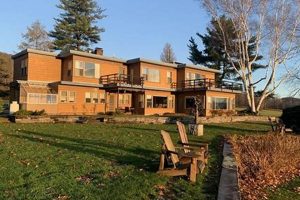
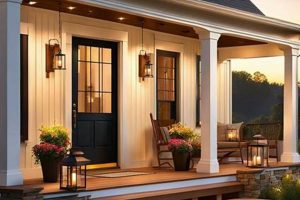
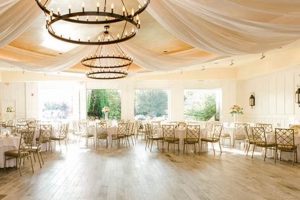
The architectural style blends the rustic charm of agrarian dwellings with the relaxed aesthetic of seaside living. These residences often feature natural materials such as wood and stone, light and airy interiors, and designs that maximize views of the ocean or surrounding landscape. Examples include homes with wide porches, shingle siding, exposed beams, and color palettes inspired by the coast.
This style offers a unique combination of functionality and serenity. Historically, these structures provided shelter and served as working spaces for agricultural endeavors while simultaneously offering a respite from the demands of rural life. The integration of coastal elements provides a calming atmosphere and connection to nature, promoting well-being and a sense of place. The design typically accommodates the unique climate considerations of coastal regions, such as wind, salt air, and potential flooding.
Subsequently, the following discussion will explore specific design elements, material choices, and landscaping techniques commonly employed in this architectural style. Furthermore, attention will be given to adapting this style to various geographical locations and budget considerations, and highlighting examples of exemplary architectural designs.
Essential Design Considerations
The following guidance offers insights into key aspects of crafting a residence that reflects both agricultural heritage and coastal sensibilities. Careful attention to these details will contribute to a cohesive and functional architectural outcome.
Tip 1: Prioritize Natural Light: Maximize window placement to capture available sunlight. Large windows, skylights, and strategically positioned mirrors will enhance interior brightness and reduce reliance on artificial illumination.
Tip 2: Employ Durable Materials: Select exterior materials resistant to the corrosive effects of salt air and coastal weather. Consider options such as cedar shingles, fiber cement siding, or naturally rot-resistant wood species.
Tip 3: Integrate Outdoor Living Spaces: Design expansive porches, decks, or patios to extend living areas and capitalize on coastal views. Ensure proper drainage and weather protection for these outdoor spaces.
Tip 4: Utilize a Neutral Color Palette: Employ a color scheme inspired by the natural surroundings, incorporating shades of white, beige, gray, and muted blues. These hues create a calming atmosphere and enhance the sense of spaciousness.
Tip 5: Incorporate Rustic Accents: Introduce elements such as exposed beams, reclaimed wood, or vintage fixtures to evoke the charm of traditional agrarian architecture. These details add character and a sense of history.
Tip 6: Plan for Ventilation: Design for adequate natural ventilation to combat humidity and maintain comfortable indoor temperatures. Consider cross-ventilation strategies and the use of ceiling fans.
Tip 7: Optimize for Views: Orient the structure to maximize views of the ocean, coastline, or surrounding landscape. Carefully consider window placement and room layouts to ensure optimal visual access.
In summation, thoughtfully integrating natural light, durable materials, and outdoor spaces, alongside a carefully selected color palette and rustic accents, are essential steps in achieving an effective design. Attention to ventilation and view optimization will further enhance the living experience.
Subsequent sections will delve into specific examples of successful design implementations and explore strategies for adapting this architectural style to diverse geographical and economic contexts.
1. Natural Materials in Coastal Farm House Design

The integration of natural materials is a defining characteristic, imbuing structures with authenticity, resilience, and aesthetic harmony. The selection and application of these materials significantly influence the durability, sustainability, and overall character of the dwelling. These are integral to evoking the traditional farm aesthetic while withstanding the unique challenges of a seaside environment.
- Wood Siding:
Wood siding, particularly cedar or redwood, provides a visually appealing exterior while offering resistance to decay and insect infestation. Proper sealing and maintenance are crucial to mitigating the effects of moisture and salt air. Wood can be sourced sustainably. This will ensure the structure’s environmental responsibility. The natural grain and texture of wood contribute to the rustic charm inherent in the farmhouse aesthetic. Example: A house clad in cedar shingles, aged to a silvery-gray, exemplifies this concept.
- Stone Foundations and Accents:
Stone foundations offer structural stability and a connection to the earth. Locally sourced stone integrates the dwelling with its surrounding landscape. Used as accents, such as in fireplaces or retaining walls, stone adds texture and visual interest. Limestone or granite, both durable and aesthetically pleasing, are frequently utilized. The inherent mass of stone contributes to thermal regulation, helping to maintain consistent interior temperatures. Example: A farm house featuring a fieldstone foundation, rising seamlessly from the coastal terrain, illustrates the materials grounding presence.
- Natural Fiber Roofing:
While less common due to maintenance requirements, natural fiber roofing, such as thatch or wooden shakes, aligns with the aesthetic. Such materials offer a unique visual appeal and can provide insulation. However, they demand diligent upkeep to prevent decay and maintain weather resistance, especially in damp environments. Sustainable harvesting practices are essential when utilizing natural fiber roofing. Example: A structure with a thatched roof, carefully maintained to withstand coastal conditions, represents a commitment to traditional building methods and an organic aesthetic.
- Interior Woodwork:
Inside, exposed wooden beams, plank flooring, and handcrafted cabinetry contribute to the rustic ambiance. Reclaimed wood, sourced from older structures, adds character and reduces environmental impact. The warmth and texture of wood create a comfortable and inviting interior space. Proper sealing and finishing protect the wood from moisture and wear. Example: A dwelling featuring exposed beams crafted from reclaimed timber, showcasing the wood’s natural imperfections and history, demonstrates the material’s evocative power.
These examples collectively highlight the role of natural materials in creating structures that are both aesthetically pleasing and functionally suited to coastal environments. The careful selection and application of these materials not only enhance the architectural style but also contribute to the overall sustainability and longevity of the buildings. The use of such material helps with the overal theme, and help blend the dwelling with it’s natural surrounding. This in turn helps create a relaxed informal aesthetic.
2. Open Floor Plans

Open floor plans, characterized by the minimization of interior walls to create expansive, interconnected living spaces, are a prevalent feature in many of this architectural style. This design choice facilitates natural light penetration, enhances ventilation, and promotes a sense of spaciousnessqualities particularly desirable in coastal settings. The elimination of traditional room divisions allows for unobstructed views of the surrounding landscape, integrating the interior environment with the external coastal scenery. A direct correlation exists between the adoption of open floor plans and the desired ambiance of a relaxed, informal living space, which is a hallmark of this architectural approach.
Consider a residence situated along the Outer Banks of North Carolina. An open floor plan connects the kitchen, dining area, and living room. Large windows and sliding glass doors face the ocean, providing panoramic views and allowing natural light to flood the interior. The absence of walls creates a fluid transition between these functional areas, encouraging social interaction and a sense of connectivity with the coastal environment. This design exemplifies how open floor plans not only maximize the aesthetic benefits of the location but also enhance the practicality of daily living by promoting ease of movement and efficient use of space. Further, the open layout facilitates natural ventilation, mitigating humidity common in coastal regions.
The implementation of open floor plans presents inherent challenges. Acoustical management requires careful consideration, as sound travels freely in the absence of barriers. Strategic placement of furniture, area rugs, and sound-absorbing materials is essential to mitigate noise levels and define distinct zones within the open space. Additionally, the lack of enclosed rooms may compromise privacy, necessitating creative solutions such as strategically positioned screens or partial walls. Despite these challenges, the advantages of open floor plans in maximizing natural light, enhancing views, and fostering a sense of spaciousness make them a valuable design element. Such element supports the overall goal of creating a dwelling that reflects both agrarian heritage and coastal living sensibilities.
3. Coastal Color Palette
The coastal color palette is integral to realizing the design aesthetic. It evokes a sense of the seaside while complementing the rustic elements of the structure. The selective use of colors directly influences the mood and atmosphere of the dwelling. The palette acts as a unifying element, connecting the interior and exterior spaces, thereby enhancing the overall cohesiveness of the design. The palette typically includes hues that mirror natural coastal tones, such as whites, creams, grays, blues, and greens. A beach house in Nantucket, Massachusetts, for example, might utilize a predominantly white palette with accents of soft blue and gray. This creates a bright, airy feel reminiscent of the sea and sky, providing a tranquil retreat from the elements. The white serves as a neutral backdrop, highlighting the natural textures of wood and stone. A contrasting example may be found in a home along the Oregon coast, utilizing deeper grays and greens to reflect the region’s more dramatic and rugged landscape.
The practical application of these color schemes extends beyond mere aesthetics. Light colors, for instance, reflect sunlight, helping to keep interiors cool during warmer months. Conversely, darker shades can absorb heat. This can increase energy costs. The choice of paint finishes also matters, as matte finishes soften light and reduce glare, while semi-gloss finishes offer greater durability and ease of cleaning. Moreover, the specific shades of blue and green can significantly impact the mood of a room. Lighter, more muted tones often promote relaxation, whereas more saturated hues can inject energy and vibrancy. The color of cabinetry, textiles, and decor should harmonize with the overall palette to achieve a balanced and visually appealing environment. These considerations help to highlight the role that color plays within a coastal farm house.
In summary, the selection and implementation of a coastal color palette is a multifaceted process. The color palette considers both aesthetic preferences and practical requirements. The challenges include achieving a balance between the desired visual effect and the functional needs of the space. The careful consideration of color, finish, and application is essential for creating spaces that evoke the essence of the coast, enhance the structure’s appeal, and contribute to its overall sustainability. The use of color ties into the overall informal aesthetic of the theme. It can help to amplify the relaxing nature of such a dwelling.
4. Expansive Porch

An expansive porch is a defining characteristic and functional necessity. It bridges the gap between the interior living space and the coastal environment. The porch serves as a transitional zone, shielding occupants from the elements while simultaneously providing an area for relaxation and outdoor enjoyment. The porch’s size and design are directly proportional to its utility and integration with the architectural style. The structures often feature wraparound or deep front porches that accommodate seating areas, dining spaces, and even outdoor kitchens. A coastal residence located in Charleston, South Carolina, may feature a wide, columned porch with rocking chairs and ceiling fans, providing a shaded retreat from the heat and humidity. The porch becomes an extension of the living room, offering a space for socializing, dining, and enjoying the ocean breeze.
The design and construction of the porch must consider the unique challenges posed by the coastal environment. Materials must be durable and resistant to moisture, salt air, and UV radiation. Pressure-treated lumber, composite decking, and stainless steel fasteners are common choices. Proper drainage is essential to prevent water damage, and the roof overhang should be sufficient to provide adequate shade and protection from rain. The orientation of the porch should also be considered to maximize exposure to prevailing breezes and minimize exposure to harsh sunlight. Furthermore, the porch should be seamlessly integrated with the surrounding landscape. Landscaping elements such as climbing vines, potted plants, and strategically placed trees can enhance the porch’s aesthetic appeal and provide additional shade and privacy.
In summary, the expansive porch is more than just an architectural feature. It is an essential component. The component enhances the living experience. It also extends the functionality of the residence. The design should carefully consider the selection of durable materials, proper drainage, orientation, and integration with the surrounding landscape. The porch can be both a functional and visually appealing space, embodying the relaxed and informal aesthetic. The aesthetics are a hallmark of the coastal environment. The challenge lies in balancing the practical requirements of the coastal climate with the desired aesthetic. The implementation of porches allows it to be an architectural embodiment of said coastal life style.
5. Durable Construction
Durable construction is paramount in the context of coastal farm house architecture. The proximity to the ocean subjects structures to harsh environmental conditions, necessitating the use of resilient materials and robust building techniques. Failure to prioritize durability can lead to accelerated deterioration, increased maintenance costs, and compromised structural integrity.
- Elevated Foundations
Elevated foundations mitigate the risk of flooding and water damage, common concerns in coastal regions. Pilings or raised concrete slabs lift the structure above potential floodwaters, protecting the building’s foundation and interior spaces. This design also improves ventilation beneath the building, reducing moisture buildup and preventing mold growth. Example: A residence in a flood-prone area employing concrete pilings to elevate the structure several feet above the ground demonstrates proactive flood mitigation.
- Impact-Resistant Windows and Doors
Impact-resistant windows and doors are critical for withstanding high winds and flying debris during coastal storms. These windows are typically constructed with laminated glass or reinforced frames, preventing shattering upon impact. This protection safeguards the building’s interior from water intrusion and structural damage. Example: Homes located in hurricane-prone areas often utilize impact-resistant windows and doors that meet stringent building codes for windborne debris protection.
- Corrosion-Resistant Materials
The corrosive effects of salt air necessitate the use of materials that resist rust and decay. Stainless steel fasteners, aluminum siding, and fiber cement siding are commonly employed to prevent deterioration caused by saltwater exposure. Regular maintenance, including washing and sealing exterior surfaces, further extends the lifespan of these materials. Example: A coastal farm house using fiber cement siding and stainless steel nails demonstrates a commitment to long-term durability and resistance to corrosion.
- Reinforced Roofing Systems
Reinforced roofing systems are designed to withstand high winds and heavy rain, providing essential protection against water damage. Roofing materials such as metal roofing, asphalt shingles with enhanced wind resistance, or concrete tiles offer increased durability and longevity. Proper installation techniques, including secure fastening and sealing, are crucial for preventing wind uplift and water penetration. Example: Homes in coastal areas often feature metal roofs with interlocking panels, providing superior wind resistance and protection against leaks.
The integration of these durable construction techniques is essential for creating a coastal farm house that can withstand the rigors of its environment. By prioritizing resilient materials, robust designs, and proactive maintenance, homeowners can ensure the long-term structural integrity, aesthetic appeal, and overall value of their properties. These choices reflect a commitment to both preserving the architectural style and adapting it to the unique challenges posed by the coastal environment.
6. Landscape integration

Landscape integration within the architectural framework of the coastal farm house is not merely an aesthetic consideration, but rather a fundamental design principle. This integration seeks to harmonize the built environment with its surrounding natural context, fostering a seamless transition between the structure and the coastal ecosystem. Careful planning and execution of landscape elements are essential to enhancing the property’s visual appeal, ecological function, and overall sustainability.
- Native Plant Selection
The selection of native plant species is paramount in achieving effective landscape integration. Native plants are adapted to the local climate and soil conditions. Native Plants reduces the need for supplemental irrigation and fertilization. These plants support local biodiversity, providing habitat and food sources for native fauna. Coastal landscapes using native dune grasses, salt-tolerant shrubs, and indigenous trees contribute to erosion control and stabilize the shoreline. Such an example exemplifies responsible stewardship of the coastal environment.
- Preservation of Natural Features
The preservation of existing natural features, such as mature trees, rock outcroppings, and wetlands, is crucial in maintaining the ecological integrity of the site. Incorporating these elements into the landscape design minimizes disturbance to the natural environment and preserves the inherent character of the coastal landscape. Strategic placement of structures and pathways can minimize impacts on sensitive areas, such as dune systems or tidal marshes. These design interventions demonstrate respect for the existing ecosystem and enhance the property’s aesthetic value.
- Water Management Strategies
Effective water management strategies are essential for mitigating the impacts of stormwater runoff and conserving water resources. Permeable paving materials, rain gardens, and bioswales reduce runoff and filter pollutants, protecting coastal water quality. Rainwater harvesting systems collect and store rainwater for irrigation, reducing reliance on municipal water sources. Coastal landscapes implementing these strategies demonstrate responsible water usage and contribute to the health of the coastal ecosystem. Such an approach may be a gravel driveway, rather than asphault.
- Visual Connection to the Coastline
Maintaining visual connections to the coastline is a key objective. Strategic planting and grading can frame views of the ocean, bay, or surrounding landscape, maximizing the property’s aesthetic appeal. The use of low-growing vegetation and open spaces preserves sightlines and enhances the sense of connection with the coastal environment. Careful consideration of plant height and density can ensure that landscape elements do not obstruct views from the structure. Rather they complement and enhance the coastal panorama.
In conclusion, landscape integration is an essential aspect. By prioritizing native plant selection, preserving natural features, implementing effective water management strategies, and maintaining visual connections to the coastline, homeowners can create coastal farm houses that are both aesthetically pleasing and ecologically responsible. These design choices reflect a commitment to harmonizing the built environment with the surrounding natural context, fostering a sustainable and resilient coastal landscape. The result of this integration is a living space that is in harmony with the natural surroundings.
7. Informal Aesthetics
The defining features of the coastal farm house find cohesion and expression through an informal aesthetic. This emphasis on relaxed, unpretentious living spaces directly influences design choices, material selections, and overall architectural execution. The intent is to create an environment that feels welcoming, comfortable, and organically connected to its surroundings, rather than striving for formal perfection or rigid symmetry. For instance, a coastal farm house might feature mismatched chairs around a rustic dining table, promoting an air of casual conviviality, or incorporate slightly weathered wooden floors, enhancing the sense of lived-in authenticity.
The importance of an informal aesthetic as a key component stems from its ability to evoke the essence of both farmhouse practicality and coastal serenity. The unpretentious nature of farmhouse design emphasizes functionality and durability, while the coastal influence introduces elements of light, airiness, and connection to nature. The combination of these two components creates a space which invites relaxation and disengagement from the formality of daily life. A property located on Martha’s Vineyard featuring a screened-in porch with wicker furniture, linen cushions, and unobstructed views of the ocean exemplifies this ideal. This blend avoids ostentation. It, instead, encourages occupants to engage with their environment in a comfortable and authentic manner.
The practical significance of understanding and embracing the informal aesthetic lies in its capacity to guide design decisions that prioritize comfort, functionality, and sustainability. By prioritizing natural materials, open floor plans, and relaxed color palettes, architects and designers can create spaces which are both aesthetically pleasing and functionally suited to the coastal environment. The integration of salvaged materials, repurposed furniture, and handcrafted details further enhances the sense of informality and contributes to the overall sustainability of the design. This deliberate informality directly contributes to the overall appeal and functionality of a coastal farm house dwelling, ultimately emphasizing a life style of relaxed coastal living.
Frequently Asked Questions
The following addresses common inquiries. This will help clarify core concepts. It will also dispel potential misconceptions surrounding this architectural style.
Question 1: What distinguishes the design from a traditional farmhouse?
Traditional farmhouse architecture typically reflects an agrarian setting. The coastal style incorporates elements inspired by the ocean and shoreline. This includes color palettes, materials, and design features that maximize views and natural light.
Question 2: Are specific materials better suited for durability in climates?
Materials such as cedar shingles, fiber cement siding, and stainless steel fasteners offer enhanced resistance to salt air, moisture, and UV radiation. The materials contribute to the structure’s longevity and minimize maintenance requirements.
Question 3: How can energy efficiency be maximized in building design?
Energy efficiency is optimized through the use of passive solar design, proper insulation, energy-efficient windows and doors, and the implementation of renewable energy sources. Optimizing these aspects contribute to reduced energy consumption and lower utility costs.
Question 4: What landscaping strategies best complement the design?
Landscaping strategies should prioritize native plant species, preserve natural features, implement effective water management practices, and maintain visual connections to the coastline. These strategies promote ecological sustainability and enhance the property’s aesthetic appeal.
Question 5: How can the informal aesthetic be effectively achieved?
The informal aesthetic is achieved through the use of natural materials, open floor plans, relaxed color palettes, and the integration of salvaged or repurposed elements. It is intended to promote comfortable and unpretentious living spaces.
Question 6: What are the key considerations for adapting the style to different geographical locations?
Adapting the architectural style to diverse geographical locations requires careful consideration of local climate conditions, building codes, and available resources. Modifications to materials, design features, and construction techniques may be necessary to ensure structural integrity and environmental suitability.
In summation, informed decisions and meticulous planning are essential. Informed decisions and meticulous planning contribute to successful implementation of architectural style.
Subsequent discussions will explore specific examples of successful design implementations and strategies for adapting this architectural style to diverse geographical and economic contexts.
Conclusion
This exploration has illuminated core design principles, material considerations, and landscape integration strategies associated with the coastal farm house. Durable construction, coupled with aesthetic sensibilities that prioritize natural light, open spaces, and an informal atmosphere, define this architectural style. Effective execution demands a comprehensive understanding of both agrarian traditions and the unique environmental challenges posed by coastal locales.
The architectural style represents a synthesis of functionality, aesthetic appeal, and environmental awareness. Continued innovation in sustainable materials and construction techniques will further enhance the resilience and enduring appeal. The future of coastal architecture lies in its ability to adapt and evolve, thereby ensuring that structures harmonize with the surrounding environment while providing enduring value and comfort.